
Breaking bad money habits is crucial for achieving financial stability and long-term wealth. Many people unknowingly engage in practices that hinder their financial growth. By identifying and addressing these habits, you can take control of your finances and set yourself on a path to success. Here are ten bad money habits you need to break today, based on authoritative insights.
Not Having a Budget
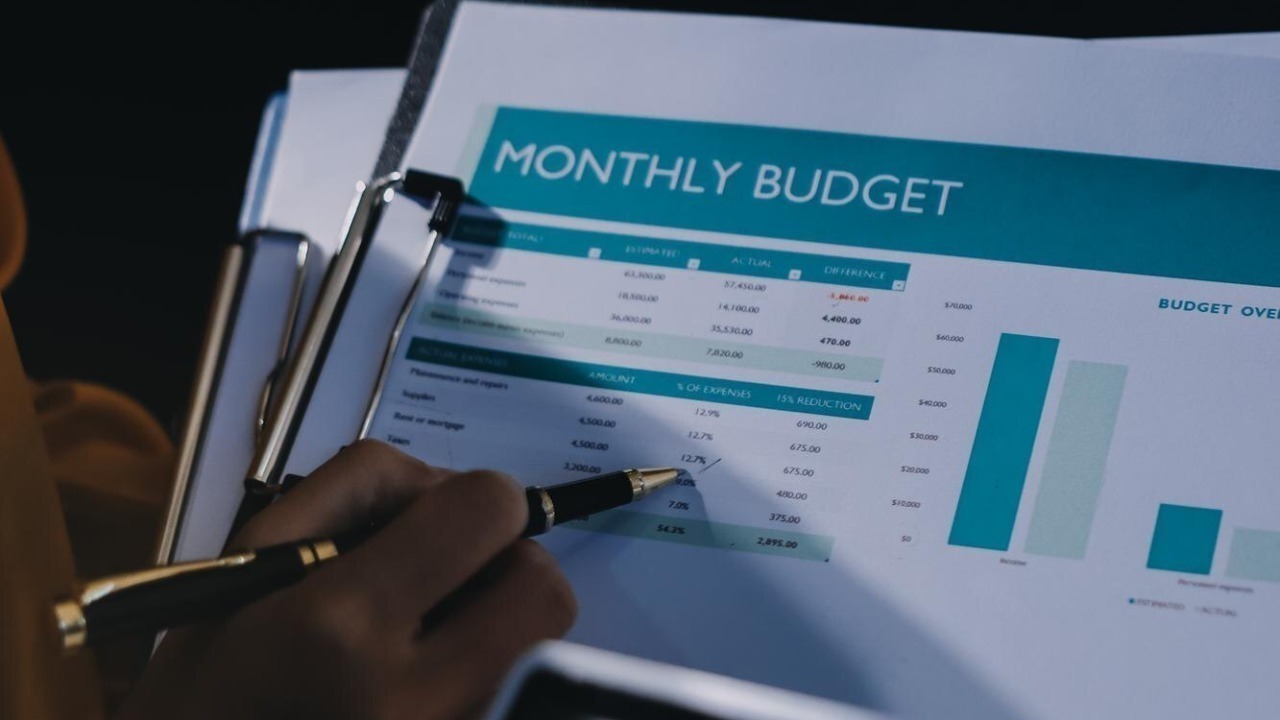
Without a budget, it’s challenging to track your income and expenses effectively. This lack of structure often leads to uncontrolled spending and missed savings opportunities. A budget acts as a roadmap for your financial journey, helping you allocate funds to necessities, savings, and discretionary spending. According to The College Investor, failing to budget can prevent you from building wealth and achieving financial goals. By creating a budget, you gain a clear picture of your financial situation and can make informed decisions about your spending and saving habits.
Making Impulse Purchases on Unnecessary Items

Impulse buying is a common habit that can quickly drain your savings. Purchasing non-essential items, such as the latest gadgets or trendy clothing, prioritizes short-term gratification over long-term financial security. The College Investor highlights that these purchases often erode your financial foundation. To combat this habit, consider implementing a waiting period before making significant purchases. This strategy allows you to evaluate whether the item is truly necessary, helping you save money and avoid buyer’s remorse.
Failing to Pay Yourself First

Many people fall into the trap of spending their entire paycheck on bills and lifestyle expenses without setting aside money for savings or investments. This habit ensures that you’ll never accumulate emergency funds or build wealth. As noted by The College Investor, prioritizing savings by paying yourself first can alleviate financial stress and provide a safety net for unexpected expenses. By automatically transferring a portion of your income to savings or investment accounts, you can gradually build a financial cushion.
Treating Credit Cards Like Free Cash

Using credit cards as an extension of your income can lead to significant debt accumulation. Many people treat credit cards as free money, making purchases beyond their means and accruing high-interest charges. According to CardRates, this habit turns convenience into a costly trap. To avoid falling into this cycle, use credit cards responsibly by paying off the balance in full each month and only charging what you can afford to repay.
Neglecting Retirement Savings

Skipping contributions to retirement accounts like 401(k)s or IRAs can have long-term consequences. By neglecting retirement savings, you miss out on the benefits of compound interest, which can significantly grow your wealth over time. AARP emphasizes the importance of starting early to ensure a comfortable retirement. Even small contributions can add up over the years, so prioritize setting aside money for your future self.
Carrying Ongoing Credit Card Balances

Maintaining credit card debt month-to-month can trap you in a cycle of high-interest payments. With average APRs exceeding 20%, interest charges can quickly consume your budget, leaving little room for principal reduction. CNBC warns that this habit can derail your financial progress. To break free, focus on paying more than the minimum each month and consider consolidating debt to lower interest rates.
Never Comparing Prices or Rates

Failing to shop around for the best deals on services, loans, or goods can result in overpaying and wasting money. According to USA Today, comparing prices can save you thousands annually. Take the time to research and compare options before making significant purchases or signing contracts. This habit can lead to substantial savings and better financial decisions.
Overlooking Charitable Giving

Incorporating charitable donations into your budget can offer tax benefits and enhance financial mindfulness. Not giving to charity, even in small amounts, overlooks these opportunities. The College Investor suggests that intentional giving fosters discipline and a sense of purpose in your financial life. By setting aside a portion of your income for charitable causes, you can make a positive impact while reaping personal and financial rewards.
Avoiding All Forms of Investing

Sticking solely to low-yield savings accounts limits your potential for wealth accumulation and inflation protection. By avoiding investments like stocks, bonds, or mutual funds, you forfeit opportunities for growth. AARP advises diversifying your portfolio to build wealth over time. Educate yourself on investment options and consider consulting a financial advisor to develop a strategy that aligns with your goals and risk tolerance.
Lacking an Emergency Fund
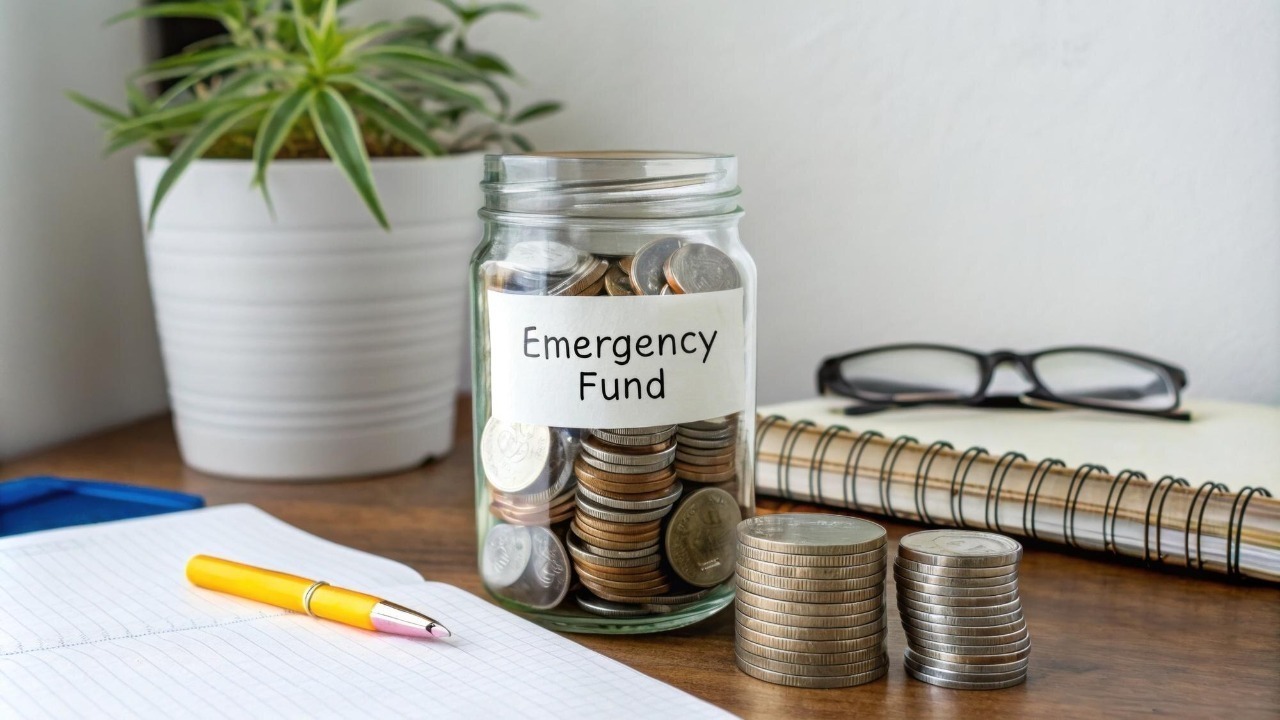
Without an emergency fund, unexpected events like job loss or medical bills can force reliance on high-interest debt. This lack of preparation can derail your financial progress. USA Today recommends saving 3-6 months of living expenses to provide a financial safety net. Building an emergency fund requires discipline and commitment, but it offers peace of mind and financial security in times of need.

Cole Whitaker focuses on the fundamentals of money management, helping readers make smarter decisions around income, spending, saving, and long-term financial stability. His writing emphasizes clarity, discipline, and practical systems that work in real life. At The Daily Overview, Cole breaks down personal finance topics into straightforward guidance readers can apply immediately.

