
Negotiating the price of a used car can feel like an uphill battle, but being armed with the right lines can tip the scales in your favor. A successful negotiation requires preparation, knowledge, and a bit of finesse. Here are ten effective negotiation lines to help you secure a great deal on your next used car purchase.
The “Market Research” Line

When I approach a used car negotiation, I kick things off by referencing my market research. I often say, “I’ve researched similar models, and they’re going for around $15,000.” This line is powerful because it shows the seller that I’ve done my homework. By using resources like Consumer Reports, I can back up my claims with solid data.
Understanding the average market value of the car model I’m interested in gives me leverage. It prevents the seller from inflating the price and sets a realistic baseline for negotiation. This approach also highlights my seriousness as a buyer.
The “Condition Assessment” Line

Next, I address the condition of the car. I might say, “I noticed some wear and tear on the interior and a few scratches on the paintwork.” This line is effective because it draws attention to potential flaws that could justify a lower price. I always examine the car thoroughly and sometimes bring a mechanic to ensure I don’t miss anything.
Highlighting these aspects not only helps in negotiating a fair price but also shows the seller that I’m observant and won’t overlook significant issues. It’s a tactic that often prompts the seller to reassess their asking price.
The “Previous Ownership” Line
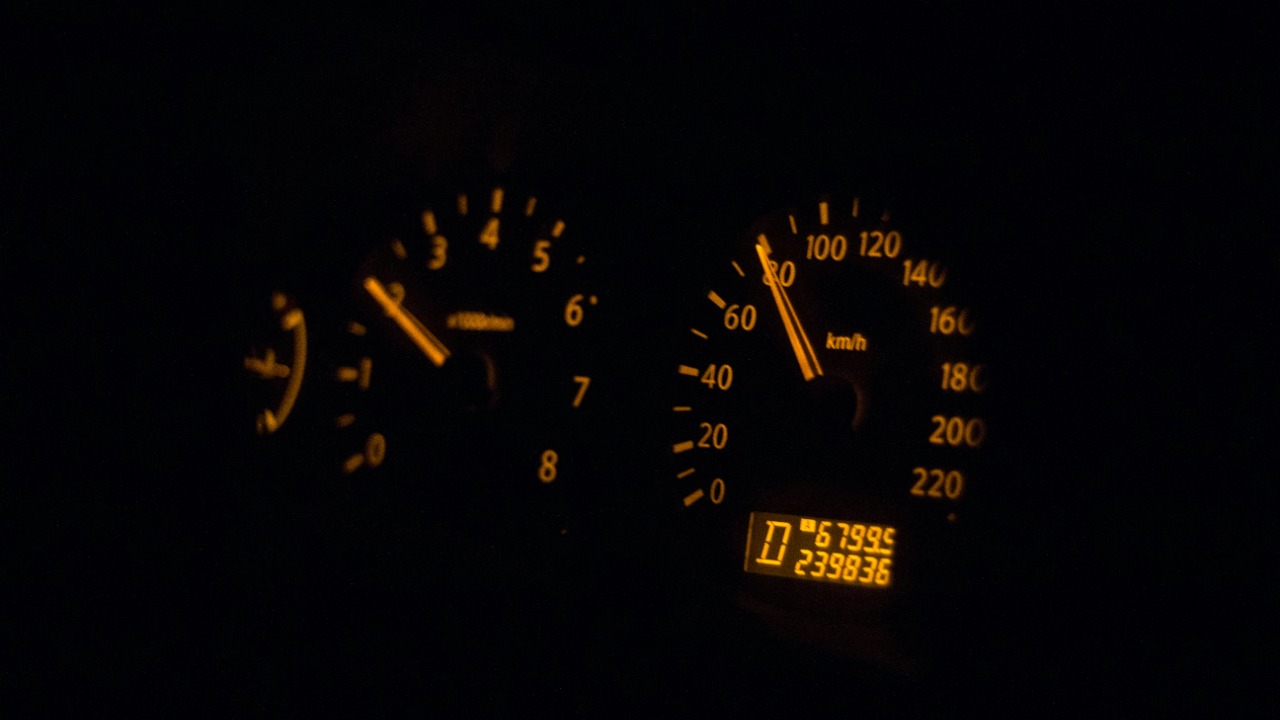
“Can you tell me about the car’s previous ownership?” is a line I often use. Understanding the number of previous owners and how the car was used can reveal a lot about its condition. If the car has had multiple owners, it might indicate potential problems or high mileage.
This information can be crucial for negotiations, especially if the car was previously used for commercial purposes or as a rental. I find that sellers are more willing to negotiate when faced with a well-informed buyer.
The “Competing Offers” Line

I often bring up competing offers by saying, “I’ve seen a similar model at a lower price at another dealership.” This line leverages market competition, urging the seller to match or beat the price to close the deal. It’s a strategy that works well, especially when I have multiple options.
Sometimes, I even show the seller listings from other dealerships to substantiate my claim. This approach not only puts pressure on the seller but also reassures them that I’m a serious buyer ready to make a purchase.
The “Maintenance Records” Line

Requesting maintenance records is crucial. I typically say, “Could you provide the car’s maintenance records?” This shows the seller that I’m interested in the car’s history and its upkeep. A well-maintained car often justifies a higher price, but missing records can be a strong negotiation point.
By asking for these records, I can gauge how well the car has been cared for and estimate future maintenance costs. This information is vital for making an informed purchasing decision.
The “Cash Payment” Line

Offering to pay in cash can be a significant bargaining chip. I often propose, “If we can agree on $14,000, I can pay in cash today.” This line is effective because it presents the seller with a quick, hassle-free transaction.
Sellers often appreciate the immediacy and certainty of a cash deal, which can lead to a more favorable price for me. It’s a tactic that underscores my readiness and ability to finalize the deal promptly.
The “Future Repairs” Line
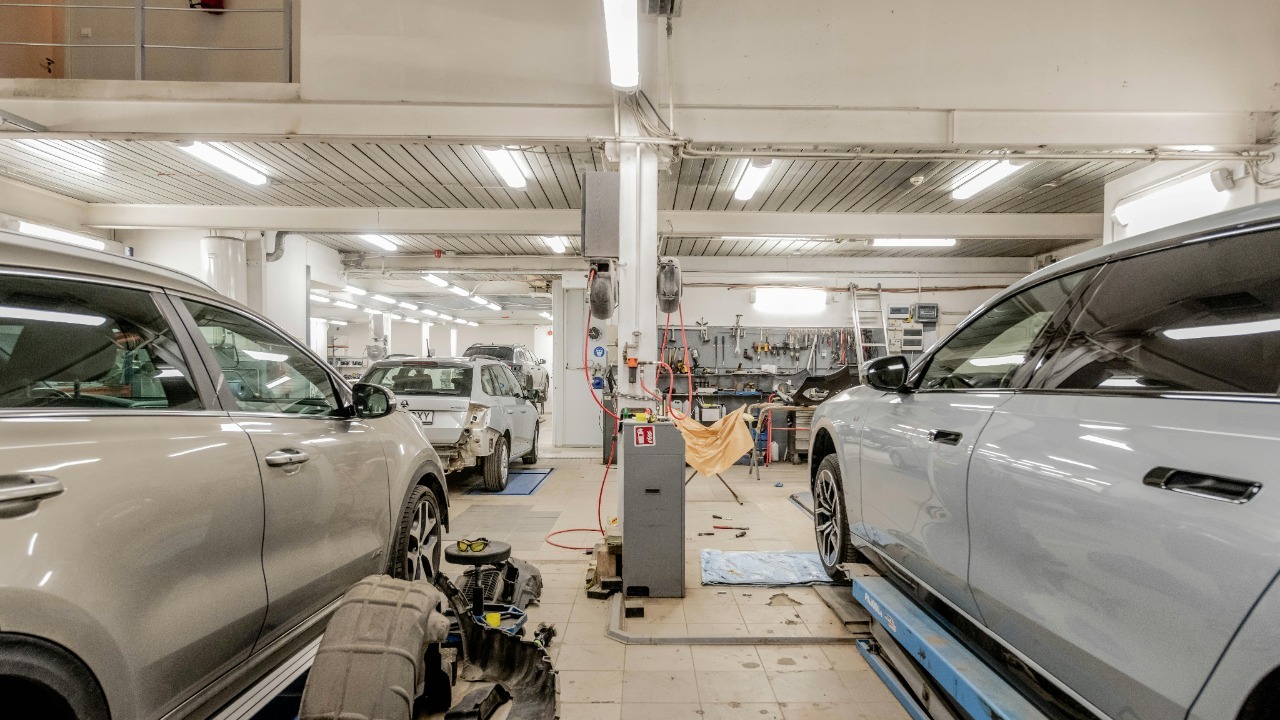
I bring up potential future repairs by saying, “The tires and brakes might need replacing soon, which adds to my costs.” This line is about highlighting additional expenses I might incur after purchase, encouraging the seller to lower the price.
Discussing these future costs demonstrates my awareness of the car’s condition and my forward-thinking approach. It’s a strategy that often results in the seller reconsidering their asking price.
The “Trade-In Leverage” Line

When I have a trade-in, I use it as leverage by saying, “What can you offer me on my trade-in if I buy this car?” This line can sweeten the deal and potentially reduce the out-of-pocket cost for the new purchase.
Dealers often provide better trade-in values to secure a sale, making this an effective strategy for negotiating a better overall deal. It’s a win-win, as I get rid of my old car while securing a good price on the new one.
The “Extended Warranty” Line
I inquire about warranties by asking, “Is there an extended warranty available, or can you offer one?” This line is crucial for understanding what post-purchase protections I might have and can be a negotiation point if additional warranties are included.
An extended warranty provides peace of mind and can be a bargaining tool if I feel the car’s price is slightly high. Some sellers might offer it as an incentive to close the deal.
The “Walk-Away” Line

The walk-away line is my final tactic, where I say, “I’m afraid this price doesn’t work for me, but thank you for your time.” It’s a powerful line that shows I’m willing to leave if the deal doesn’t meet my expectations.
Often, this prompts the seller to reconsider their offer, especially if they sense I’m genuinely ready to leave. It’s a strategy that underscores my confidence and often leads to a last-minute concession from the seller.

Cole Whitaker focuses on the fundamentals of money management, helping readers make smarter decisions around income, spending, saving, and long-term financial stability. His writing emphasizes clarity, discipline, and practical systems that work in real life. At The Daily Overview, Cole breaks down personal finance topics into straightforward guidance readers can apply immediately.

