Stretching $1,500 a month in the Southwest is still realistic if you know where to look. Drawing on detailed reporting about hidden retirement towns, I focus here on smaller communities where housing, utilities, and daily expenses line up with modest Social Security checks while still offering scenery, culture, and basic services that retirees actually use.
1) Sierra Vista, Arizona
Sierra Vista, Arizona, is singled out in reporting on affordable living as a place where low housing costs make $1,500 a month workable. Modest rents and relatively stable property taxes help retirees keep fixed expenses predictable, which is crucial for anyone relying primarily on Social Security. The town’s location near the Huachuca Mountains and desert preserves means free or low-cost outdoor recreation, from birding to hiking, can substitute for pricier entertainment.
For retirees, the stakes are straightforward: every dollar not spent on rent or utilities can go toward healthcare, groceries, or travel to see family. Sierra Vista’s basic services, including shopping and medical offices, are concentrated enough that many residents can limit driving, cutting fuel and car maintenance costs. That combination of compact services and access to nature is what allows a modest monthly budget to still feel livable rather than restrictive.
2) Alamogordo, New Mexico
Alamogordo, New Mexico, stands out in coverage of Southwest towns where retirees can live on $1,500 or less, with budget-friendly homes and relatively low property costs. The reporting notes that lower housing payments free up as much as $150 in a typical monthly budget compared with larger cities, a margin that can cover prescriptions or a basic supplemental insurance plan. Proximity to White Sands National Park and the Sacramento Mountains gives residents easy access to striking landscapes without expensive travel.
For people aging on fixed incomes, Alamogordo’s scale matters. It is large enough to support grocery chains, pharmacies, and clinics, yet small enough that congestion and high parking costs are not everyday problems. That balance helps retirees avoid the trade-off between affordability and access to care, a tension that often pushes them toward more expensive metro areas.
3) Roswell, New Mexico
Roswell, New Mexico, appears in analyses of scenic communities that do not break the bank, largely because utilities and basic services remain relatively inexpensive. Reports highlight that retirees can keep monthly power and water bills manageable even in summer, which is critical when a $1,500 budget leaves little room for spikes in costs. The city’s quirky UFO-themed museums and festivals provide low-cost entertainment that draws visitors without driving up everyday prices.
Those cultural attractions have a practical upside: tourism supports local restaurants, shops, and seasonal jobs, broadening the tax base without requiring retirees to shoulder higher living expenses. For seniors who want some personality in their surroundings but cannot afford high-end resort towns, Roswell’s mix of affordability and offbeat culture offers a realistic compromise.
4) Prescott, Arizona
Prescott, Arizona, is described in research on Arizona town retirement living as a picturesque place where retirees can live comfortably on Social Security thanks to relatively affordable rents and a compact downtown. The mild climate reduces heating and cooling extremes, which helps keep utility bills in check for those watching every line item. A steady calendar of art walks, live music, and community events gives residents free or low-cost ways to stay engaged.
For retirees, that cultural density has real financial implications. Instead of paying for frequent long-distance travel or expensive entertainment, they can walk to galleries, public concerts, and seasonal festivals. That walkability also reduces dependence on a car, which can be a major expense once insurance, maintenance, and fuel are factored into a $1,500 monthly ceiling.
5) Payson, Arizona
Payson, Arizona, is highlighted in coverage of retirees choosing the Southwest for its inexpensive real estate and forested setting. Modest home prices and relatively low rents mean a retiree can often keep housing under half of a $1,500 budget, leaving room for healthcare and transportation. The surrounding Tonto National Forest offers miles of trails, lakes, and picnic areas, giving residents access to recreation that costs more in urban environments.
That proximity to nature has health and financial stakes. Regular outdoor activity can support physical and mental well-being, potentially reducing medical costs over time. At the same time, Payson’s small-town services, from grocery stores to clinics, keep daily errands manageable without the premium pricing common in larger Arizona markets.
6) St. George, Utah
St. George, Utah, features prominently in reporting on budget retirement spots, with low healthcare and grocery costs that align with $1,500 monthly budgets. Its location near Zion National Park and other public lands gives retirees access to world-class scenery without the resort-level price tag. The area’s relatively mild winters reduce heating expenses, which can be a major line item for seniors on fixed incomes.
For stakeholders like local planners and healthcare providers, the influx of cost-conscious retirees shapes demand for clinics, transit, and age-friendly housing. As more people choose St. George for its balance of affordability and outdoor access, the challenge will be maintaining low costs while expanding services that older residents rely on, from cardiology practices to accessible public trails.
7) Mesquite, Nevada
Mesquite, Nevada, is recognized in analyses of affordable desert retreats for bargain-priced condos and golf amenities that still fit within constrained retirement incomes. Many developments target older buyers with smaller floor plans and shared facilities, which helps keep purchase prices and HOA fees within reach of a $1,500 monthly framework. Public courses and resident discounts allow retirees to enjoy golf and community events without luxury-level dues.
Economically, Mesquite’s model shows how recreation-focused towns can welcome retirees without pricing them out. Casino and hospitality jobs support the tax base, while relatively low housing costs keep service workers and seniors in the same market. For retirees, that translates into a town where leisure activities are built in, yet day-to-day expenses remain predictable.
8) Kingman, Arizona
Kingman, Arizona, appears in lists of overlooked Southwest towns where economical daily needs help residents stay under $1,500 a month. Groceries, fuel, and basic services tend to be cheaper than in Phoenix or Las Vegas, while historic Route 66 tourism brings in visitors without dramatically inflating local prices. Older motels and small businesses along the corridor keep the town’s character intact and offer part-time work opportunities for retirees who want supplemental income.
For seniors, Kingman’s location at the crossroads of major highways has practical benefits. It is feasible to drive to larger medical centers in Flagstaff or Las Vegas when specialized care is needed, yet day-to-day life remains anchored in a lower-cost community. That flexibility can be crucial for people managing chronic conditions on limited budgets.
9) Silver City, New Mexico
Silver City, New Mexico, is frequently cited in reporting on frugal living options for its cheap rents and strong artistic community. Older housing stock and a steady student presence from nearby educational institutions help keep rental prices competitive, which is vital when a retiree’s income is capped. Galleries, studios, and music venues provide a steady stream of low-cost cultural events that enrich daily life without straining a $1,500 budget.
The town’s creative scene also has broader implications. Artists and retirees often value similar qualities, such as walkable streets, independent shops, and public gathering spaces. As Silver City continues to attract both groups, local leaders face the task of preserving affordability while supporting the cultural infrastructure that makes the town appealing in the first place.
10) Ruidoso, New Mexico
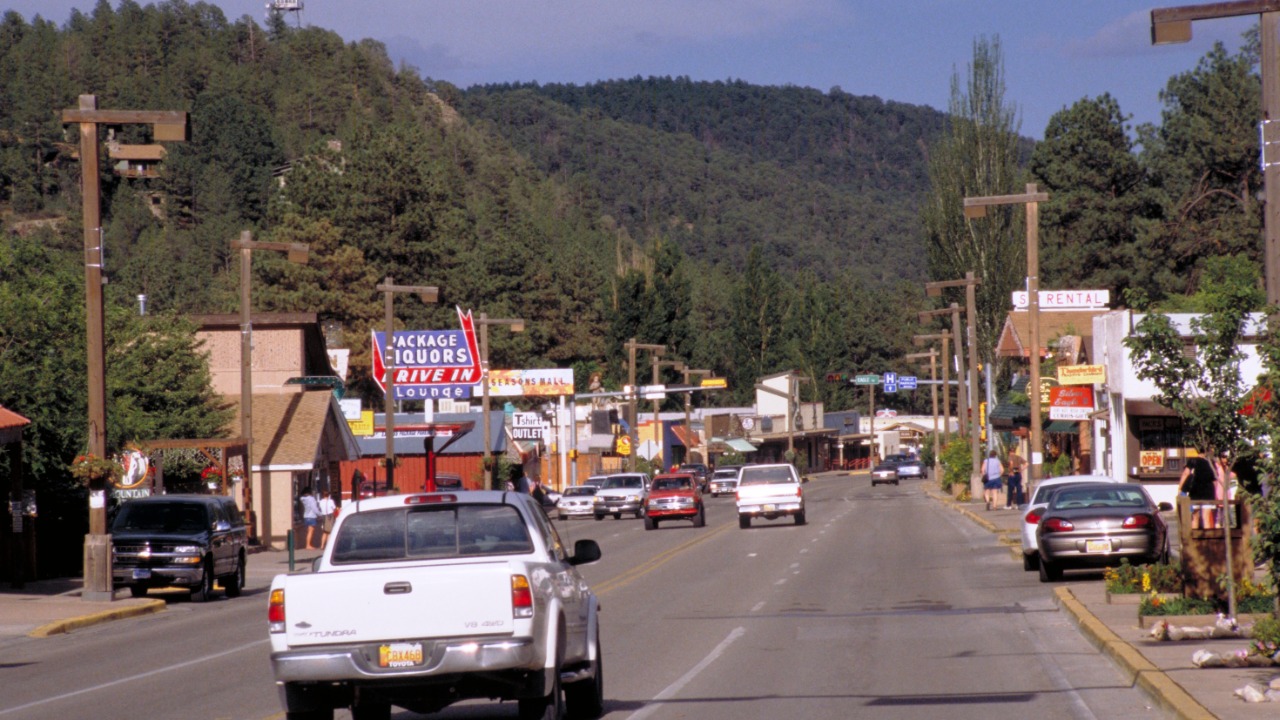
Ruidoso, New Mexico, is praised in coverage of retirement gems for its low overall cost of living and mountain retreat feel that still works on a shoestring budget. Modest housing costs, especially in older cabins and small condos, allow retirees to enjoy pine forests and cooler summer temperatures without resort-town prices. Local shops and restaurants cater to both tourists and residents, which helps keep a range of price points in the market.
For retirees, the stakes in Ruidoso are about lifestyle as much as ledger lines. Living in a mountain setting typically commands a premium, but here, careful budgeting can still leave room for seasonal festivals, ski-area visits, or day trips into surrounding wilderness. That combination of manageable expenses and genuine mountain atmosphere is what makes $1,500 a month feel workable rather than like a constant compromise.
More From TheDailyOverview

Elias Broderick specializes in residential and commercial real estate, with a focus on market cycles, property fundamentals, and investment strategy. His writing translates complex housing and development trends into clear insights for both new and experienced investors. At The Daily Overview, Elias explores how real estate fits into long-term wealth planning.