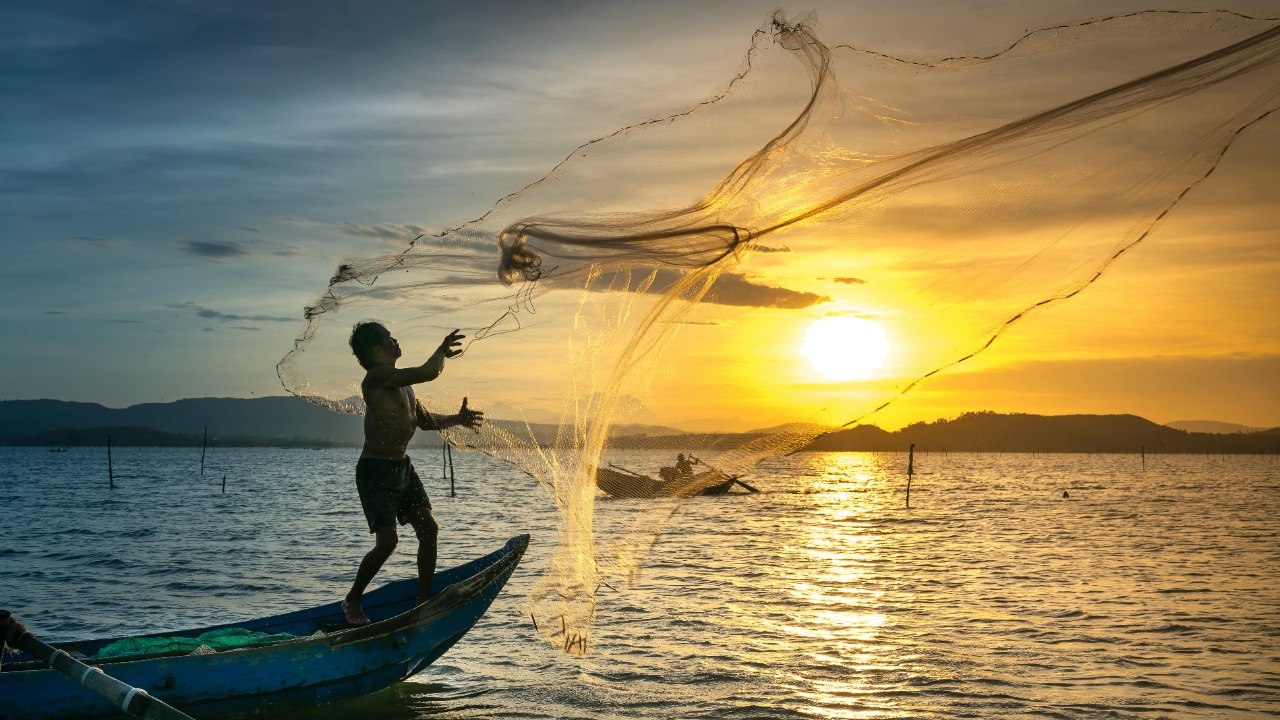
In a world that often equates success with social interaction and collaboration, there are professions where solitude is not only a necessity but a pathway to achievement. These roles demand focus, introspection, and the ability to thrive in isolation. From the remote outposts of lighthouse keepers to the quiet contemplation of writers, solitude becomes a tool for success. This exploration delves into ten professions where working alone is not just a condition but a catalyst for excellence.
Lighthouse Keeper
The life of a lighthouse keeper is one of solitude and vigilance. Historically, these individuals have worked in isolation for extended periods, ensuring the safety of ships navigating treacherous waters. According to National Geographic, solitude was essential for maintaining vigilance on remote coasts like Scotland’s Flannan Isles in 1900. This isolation allowed keepers to focus entirely on their duties, free from the distractions of the outside world.
Despite the loneliness, the role of a lighthouse keeper is highly regarded, even considered one of the highest-paying professions in some contexts, as noted by Culture Collective. The solitude required in this profession underscores the importance of dedication and resilience, traits that are crucial for success in such isolated environments. The ability to work independently and maintain focus over long periods is a testament to the unique demands and rewards of this solitary profession.
Astronomer
Astronomers often find themselves working alone, particularly during night shifts at observatories like Mauna Kea. The solitude of these long hours is not merely a byproduct of the job but a necessity for the intense focus required to analyze astronomical data. As Scientific American reports, solitude enhances focus during 8-10 hour shifts, allowing astronomers to delve deeply into their observations without interruption.
This isolation is crucial for the precision and accuracy needed in astronomical research. The quiet and solitude of the observatory provide an environment where astronomers can concentrate on their work, leading to significant discoveries and advancements in our understanding of the universe. The ability to work independently and maintain concentration over extended periods is a hallmark of success in this field.
Writer
For writers, solitude is often the wellspring of creativity. Henry David Thoreau’s time at Walden Pond is a quintessential example of how isolation can fuel creative output. As detailed by The Atlantic, Thoreau embraced solitude for two years, producing work that has inspired generations. This deliberate isolation allowed him to focus entirely on his writing, free from the distractions of daily life.
The solitude of a writer is not just about being alone but about creating a space where ideas can flourish. This environment fosters deep reflection and introspection, essential components of the creative process. Writers who embrace solitude often find that it leads to profound literary achievements, as they can explore their thoughts and ideas without external interference.
Deep-Sea Diver
Deep-sea divers, particularly those on solo missions, experience solitude in one of its most extreme forms. The Mariana Trench expeditions by James Cameron in 2012 exemplify how isolation can build resilience. According to BBC News, hours alone at 11,000 meters foster endurance and focus, essential for navigating the challenges of deep-sea exploration.
This profound isolation requires divers to rely entirely on their skills and instincts, often in life-threatening conditions. The ability to maintain composure and focus in such environments is a testament to the strength and resilience developed through solitude. For deep-sea divers, isolation is not just a condition of the job but a critical component of their success and survival.
Forest Ranger
Forest rangers in U.S. National Parks often patrol alone, a solitude that promotes environmental stewardship. The U.S. Forest Service Report highlights how solitary shifts of 12 hours in places like Yellowstone enhance the ability to protect and preserve these natural environments. The isolation allows rangers to focus on their duties without distraction, ensuring the safety and conservation of the parks.
This solitude is essential for the rangers’ ability to observe and respond to changes in the environment. The quiet and isolation of the wilderness provide an opportunity for rangers to connect deeply with the land they protect, fostering a sense of responsibility and dedication to their work. The ability to work independently and maintain focus over long periods is crucial for success in this role.
Programmer
Programmers often find that solitude is key to innovation and productivity. In the early days of Google, engineers thrived in remote coding retreats, where undisturbed focus led to breakthroughs like Gmail. As Wired reports, these isolated environments allowed programmers to concentrate deeply on their work, free from the distractions of a bustling office.
This solitude fosters creativity and problem-solving, essential components of successful software development. The ability to work independently and maintain focus over extended periods is a hallmark of success in this field. For programmers, isolation is not just a condition of the job but a catalyst for innovation and achievement.
Artist
For artists, solitude can be a source of inspiration and creativity. Georgia O’Keeffe’s time in New Mexico is a prime example of how isolation can fuel artistic productivity. According to Smithsonian Magazine, the desert’s silence inspired 50 years of work, allowing O’Keeffe to focus entirely on her art.
This solitude provides an environment where artists can explore their creativity without distraction. The quiet and isolation of the studio allow for deep reflection and introspection, essential components of the creative process. For artists, solitude is not just a condition of the job but a catalyst for innovation and achievement.
Archaeologist
Archaeologists often work alone on excavations, where solitude is essential for success. Howard Carter’s discovery of Tutankhamun’s tomb in 1922 exemplifies how isolation can lead to significant historical revelations. As History.com reports, weeks of solitary excavation uncovered 5,000 artifacts, a testament to the patience and focus required in this field.
This solitude allows archaeologists to concentrate deeply on their work, free from the distractions of the outside world. The ability to work independently and maintain focus over extended periods is crucial for success in this field. For archaeologists, isolation is not just a condition of the job but a catalyst for discovery and achievement.
Monk
Monks in Tibetan monasteries practice solitary meditation, a tradition that has endured for centuries. According to National Geographic, hours alone daily at Potala Palace since the 7th century have achieved spiritual success. This solitude is not just a condition of monastic life but a pathway to enlightenment and fulfillment.
The quiet and isolation of the monastery provide an environment where monks can focus entirely on their spiritual practice. This solitude fosters deep reflection and introspection, essential components of spiritual growth. For monks, isolation is not just a condition of their practice but a catalyst for spiritual achievement.
Fisherman
Fishermen, particularly those on long-haul voyages, experience solitude in one of its most grueling forms. Alaskan crabbers in the Bering Sea endure solo shifts of 20 hours during Deadliest Catch seasons, as noted by Discovery Channel. This isolation is not just a condition of the job but a necessity for maximizing haul efficiency in harsh oceanic conditions.
The solitude of these long hours allows fishermen to focus entirely on their work, free from the distractions of the outside world. The ability to work independently and maintain focus over extended periods is a hallmark of success in this field. For fishermen, isolation is not just a condition of the job but a catalyst for achievement and survival.
More From TheDailyOverview
- Dave Ramsey says these two simple questions show whether you’re rich or poor
- Retired But Want To Work? Try These 18 Jobs for Seniors That Pay Weekly
- IRS raises capital gains thresholds for 2026 and what’s new
- 12 ways to make $5,000 fast that actually work

Cole Whitaker focuses on the fundamentals of money management, helping readers make smarter decisions around income, spending, saving, and long-term financial stability. His writing emphasizes clarity, discipline, and practical systems that work in real life. At The Daily Overview, Cole breaks down personal finance topics into straightforward guidance readers can apply immediately.

