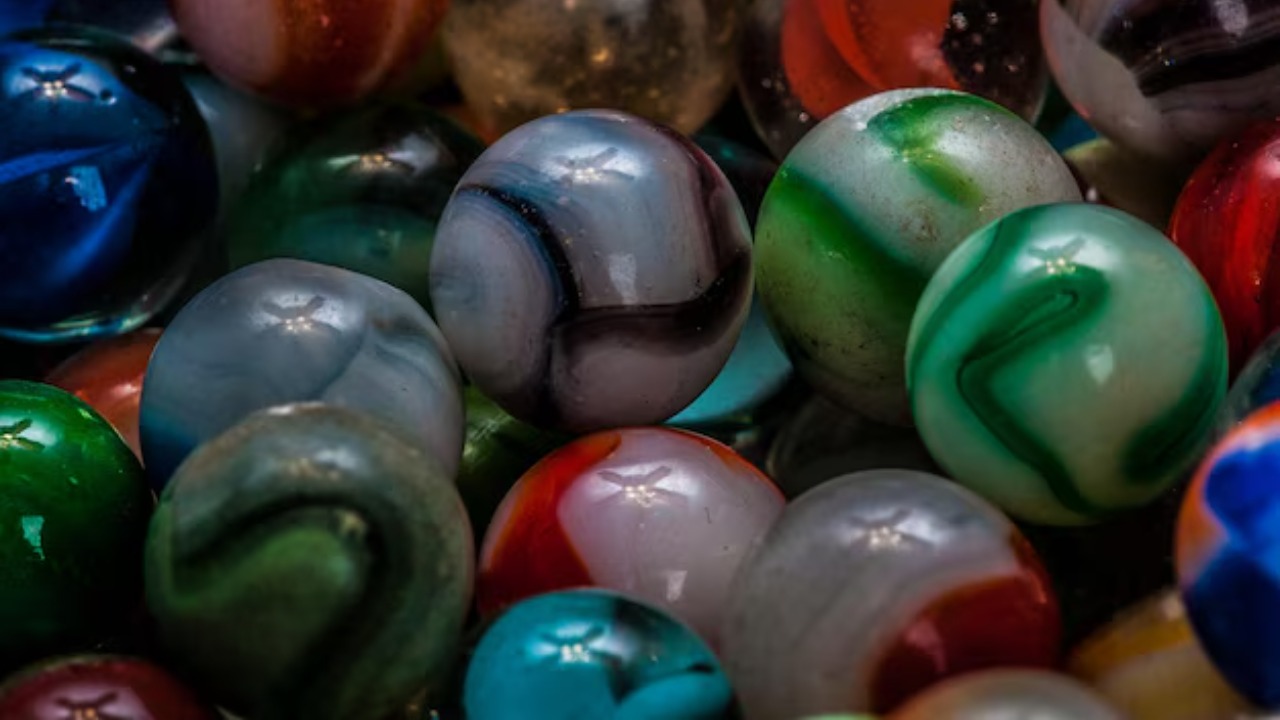
With their intricate designs and historical significance, rare marbles captivate collectors worldwide. These small glass spheres often represent a window into the past, showcasing the incredible craftsmanship and artistry of their creators.
Whether you’re a seasoned collector or just starting out, understanding these coveted marbles can provide a deeper appreciation for their value and allure.
Latticinio Core Swirls
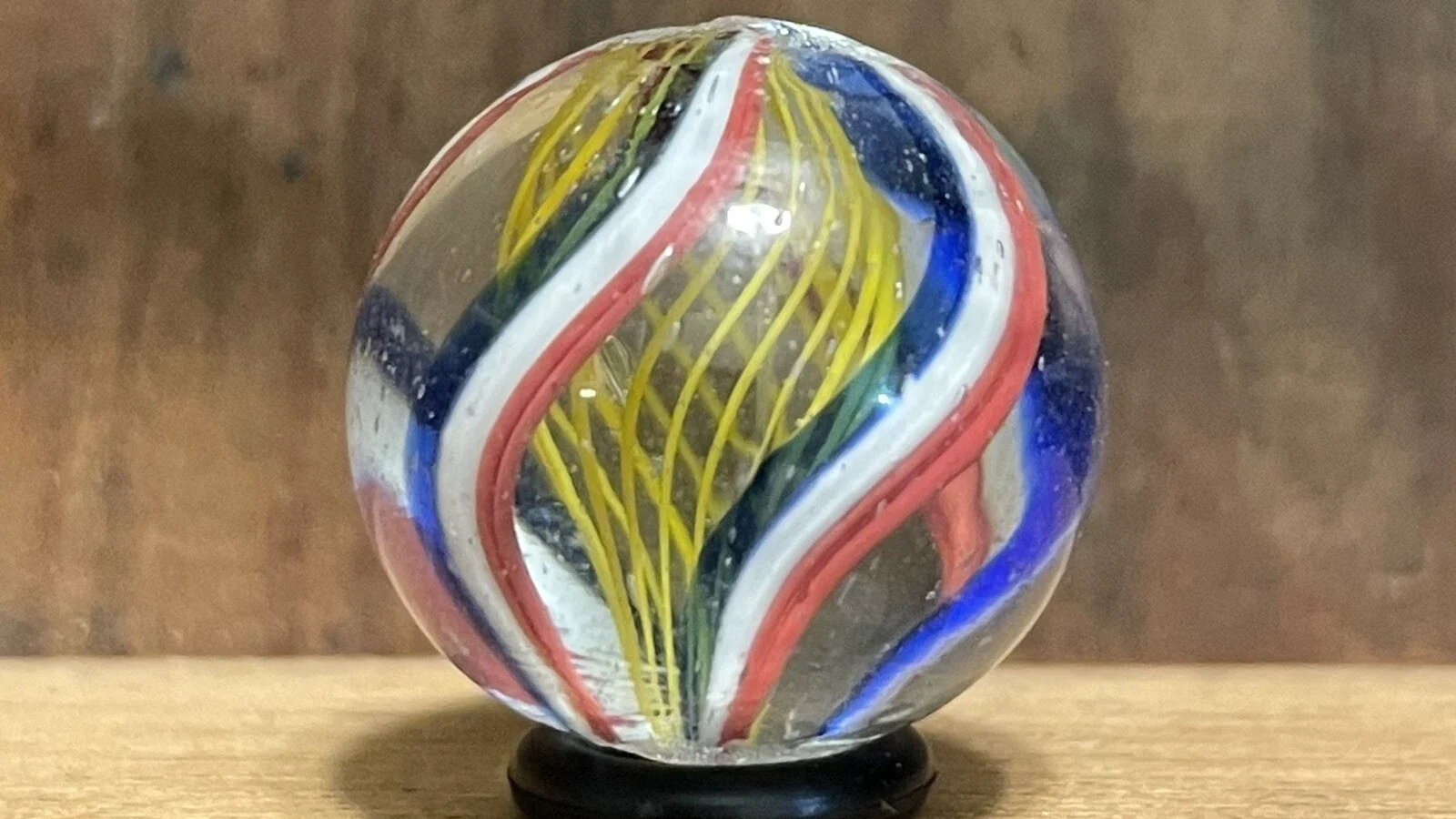
Latticinio Core Swirls are a marvel for any marble enthusiast. These marbles are characterized by their intricate internal design, featuring delicate latticinio threads that swirl around the core. These threads can be found in a variety of colors, making each marble a unique piece of art.
The level of craftsmanship required to create these swirls is astounding, leading to their reputation as highly sought-after treasures. Collectors often seek out these marbles for their beautiful patterns and the historical techniques used in their creation.
Sulphide Marbles

Sulphide Marbles are instantly recognizable due to their unique feature of having a small figurine encased in clear glass. These figurines often depict animals, people, or other objects, adding a layer of storytelling to each marble. The combination of clear glass and the delicate sulphide figure creates a striking visual appeal.
They were primarily manufactured in Europe in the late 19th and early 20th centuries, and today, they capture the interest of collectors due to their rarity and the skill required to produce them.
End of Day Marbles

End of Day Marbles are a testament to the creativity of glassmakers. These marbles were made using leftover glass from the day’s production, resulting in a stunning array of colors and patterns. No two End of Day Marbles are exactly alike, making each one a unique artifact of its time.
The randomness of the colors and the skillful way they are blended together make these marbles an exciting find for collectors. Their unpredictability and beauty are what continue to draw enthusiasts to them.
Bennington Marbles

Bennington Marbles, named after the town of Bennington, Vermont, are known for their distinct glaze and earthenware construction. These marbles are often recognized by their mottled appearance, which resembles tortoise shell or granite. The glazing process gives them a glossy finish that enhances their aesthetic appeal.
Bennington Marbles are highly collectible due to their unique manufacturing process and the historical context of their production, making them a prized possession for marble enthusiasts.
Onion Skin Marbles
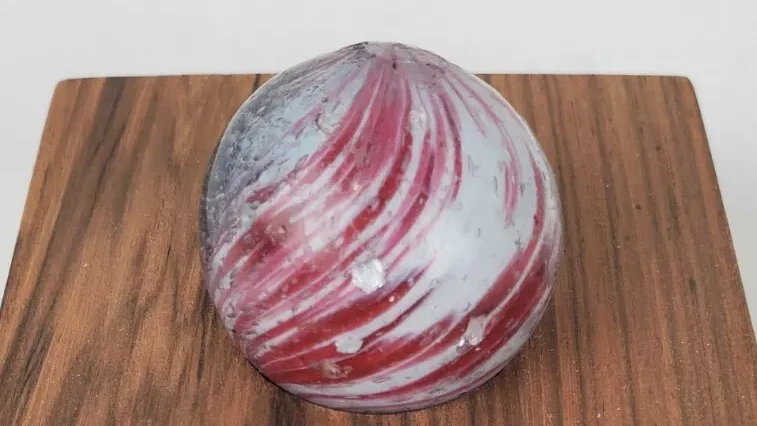
Onion Skin Marbles are admired for their vibrant colors and complex layering, which resembles the layers of an onion. These marbles often feature a blend of colors, with ribbons or flecks of glass creating a dynamic visual effect. The intricate patterns and the craftsmanship involved in creating these marbles make them highly desirable among collectors.
Their rarity and the skill required to produce such intricate designs contribute to their status as prized collectibles in the marble community.
Agate Marbles

Agate Marbles are revered for their natural beauty and durability. Made from agate stone, these marbles are polished to reveal stunning patterns and colors. The natural swirls and bands found in agate make each marble a unique piece of art.
Collectors value Agate Marbles for their historical significance and the skill involved in shaping and polishing the stone. These marbles are not only a testament to nature’s artistry but also to the craftsmanship of those who worked with the stone.
Indian Marbles
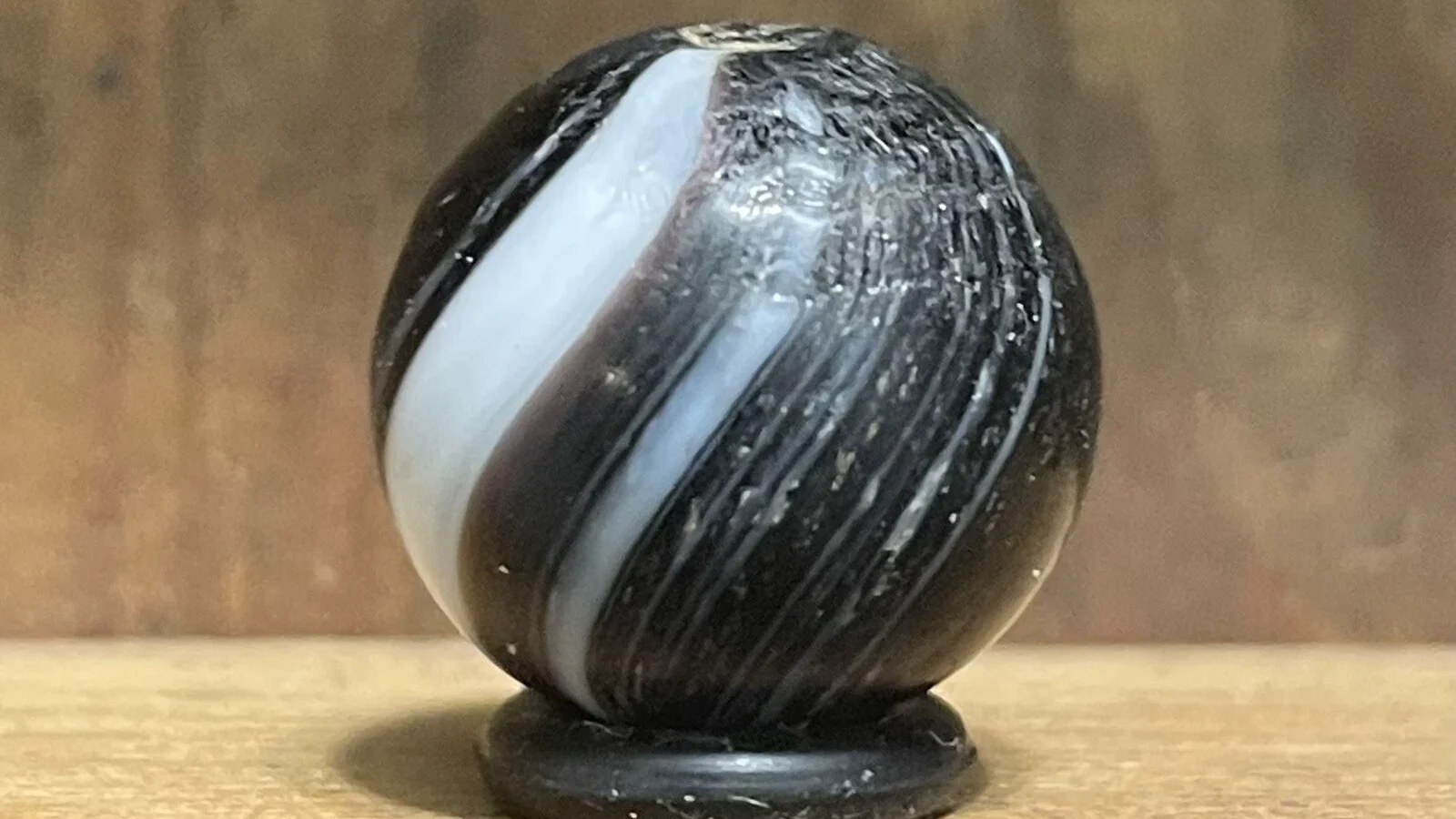
Indian Marbles, also known as Clay Marbles, are some of the oldest known marbles and were commonly used in the 19th century. Made from local clays, these marbles are often simple in design but carry immense historical value. They provide a glimpse into the past, representing a time when marbles were handmade and widely used for play. Collectors cherish Indian Marbles for their historical context and the stories they tell about the past.
Christensen Agate Swirls
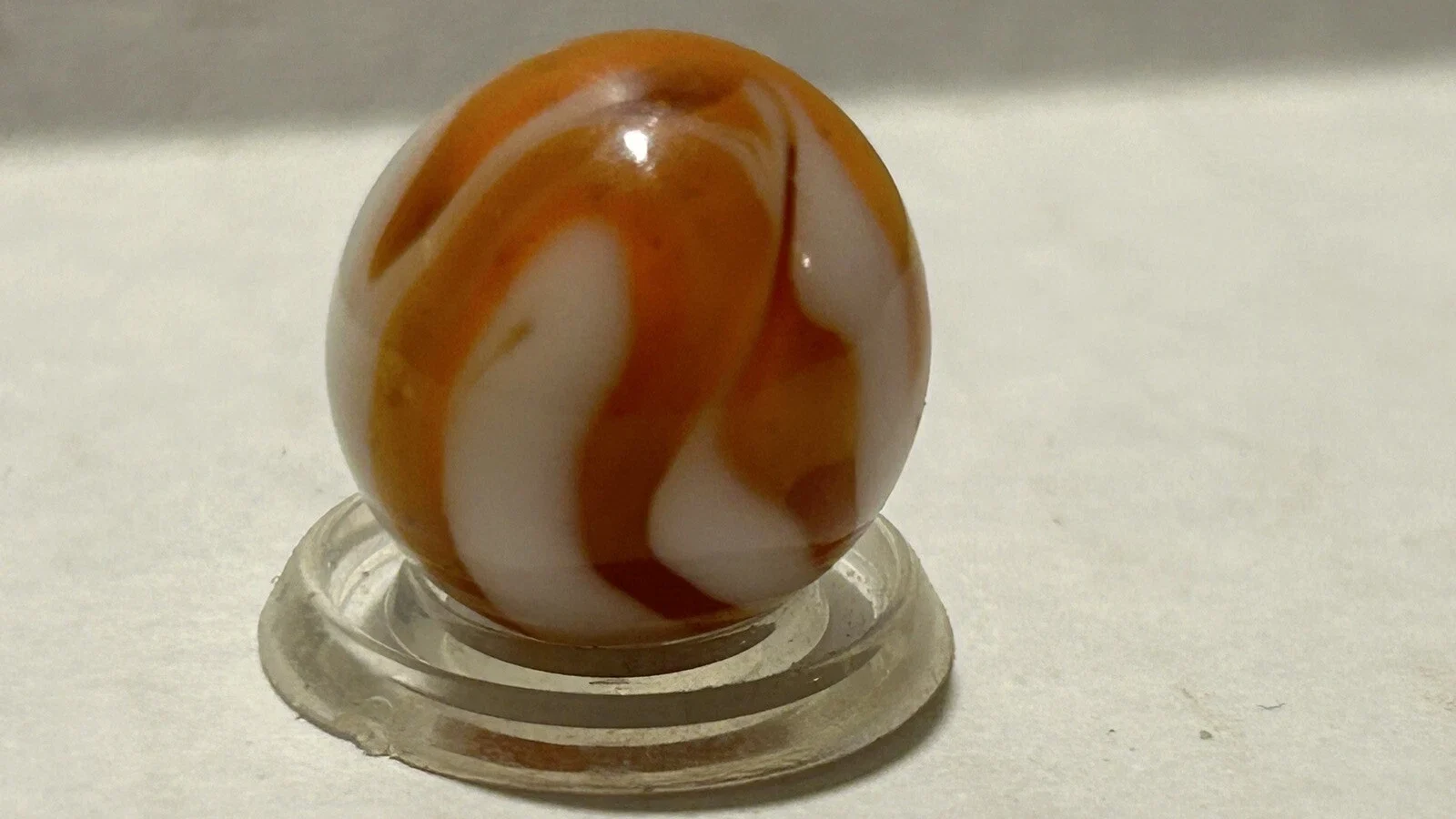
Christensen Agate Swirls are a favorite among collectors due to their vibrant colors and unique swirls. Produced by the Christensen Agate Company in the early 20th century, these marbles are known for their high quality and beautiful patterns.
The combination of translucent and opaque colors creates a mesmerizing effect. Collectors are drawn to these marbles not only for their beauty but also for their rarity, as the company was only in operation for a short period.
Aventurine Marbles
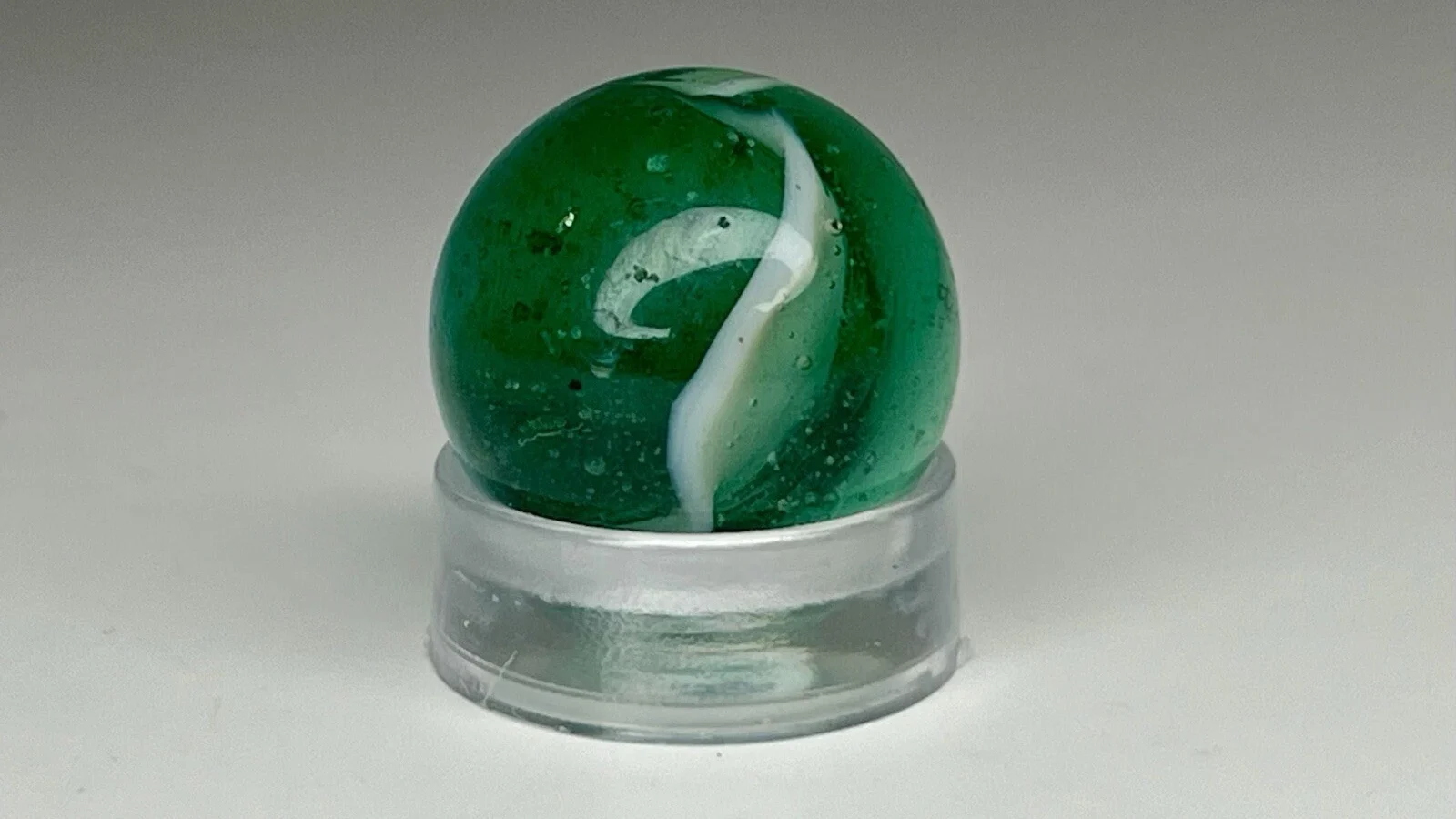
Aventurine Marbles are praised for their sparkling appearance, caused by the inclusion of metallic particles in the glass. This feature gives the marbles a shimmering effect, reminiscent of the mineral aventurine. These marbles are highly sought after for their beauty and the challenge in producing them. The combination of artistry and technical skill required to create such marbles makes them a prized addition to any collection.
Mica Marbles
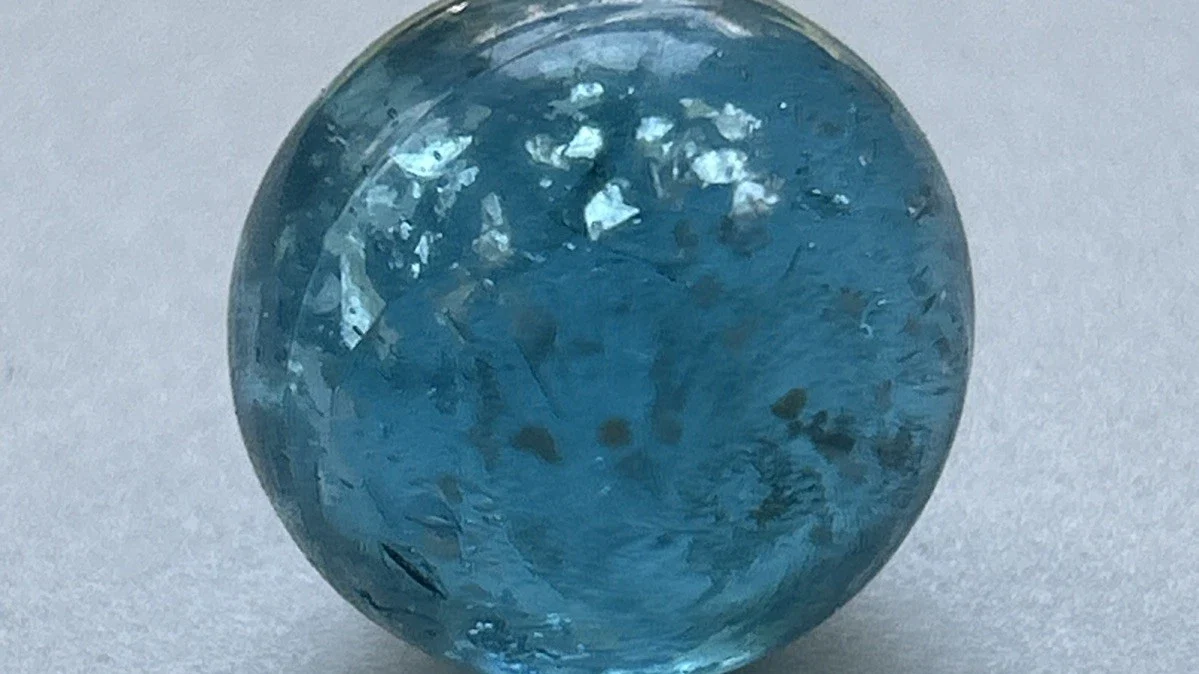
Mica Marbles are known for their distinctive glittering effect, achieved by embedding mica flakes within the glass. This gives them a unique luminescence that catches the light beautifully. These marbles were primarily produced in the 19th and early 20th centuries and have become highly collectible due to their unique appearance and the difficulty of incorporating mica into glass. Collectors value Mica Marbles for their beauty and the craftsmanship involved in their creation.
For more insights on marble collections, check out discussions on marble rarity or explore further readings on this captivating hobby. For those interested in large-scale collections, the world’s largest marble collection is a must-see.

Cole Whitaker focuses on the fundamentals of money management, helping readers make smarter decisions around income, spending, saving, and long-term financial stability. His writing emphasizes clarity, discipline, and practical systems that work in real life. At The Daily Overview, Cole breaks down personal finance topics into straightforward guidance readers can apply immediately.
