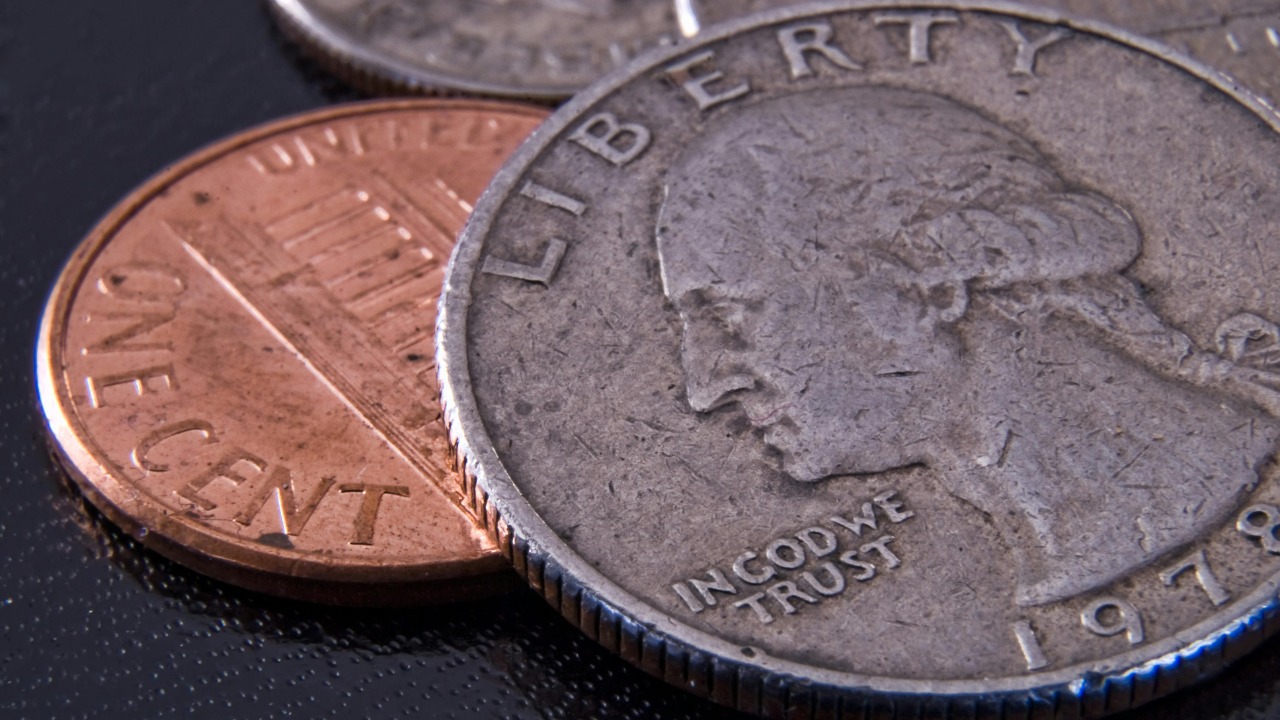
Rare U.S. coins are still slipping through cash registers and coin jars, and some of them can be worth far more than their face value. Recent reporting on valuable pocket change shows that everything from early wheat cents to classic quarters can hide in everyday circulation. I will walk through 10 specific coins that match those findings so you can see which dates, mint marks, and design quirks might turn your next handful of change into a serious windfall.
1) 1943 Copper Penny
The 1943 Copper Penny is the classic example of a life-changing coin that might still appear in old change. During World War II, cents were supposed to be struck on zinc-coated steel, yet a tiny number were mistakenly produced in copper, creating the famous Copper Wheat Penny. One detailed valuation guide notes that the no-mint 1943 copper penny is “one of the rarest U.S. coins ever minted,” and explains that this rarity directly translates into high prices for anyone who finds one in circulation or a family collection.
Recent lists of top 10 rare coins confirm that the 1943 Copper Penny sits near the top of collector wish lists, alongside other standout rarities. Another overview of Valuable Coins in Circulation highlights the 1943 Copper Penny as a key example of a U.S. Penny that was supposed to be made of steel, underscoring how a simple composition error can create enormous value. For everyday holders of old jars and albums, that means any brown 1943 cent deserves immediate professional authentication.
2) 1955 Doubled Die Obverse Penny
The 1955 Doubled Die Obverse Penny is famous for its dramatic doubling on the date and inscriptions, a textbook minting error that collectors can spot without magnification. A detailed study of the 1955 Doubled Die Lincoln Cent describes the 1955 Double Die Penny as valuable specifically because of its rarity and the striking visual appeal of the doubling error. That combination of scarcity and eye-catching design has made this Double Die Penny one of the most sought-after modern-era cents.
Guides to top rare U.S. coin pennies list the 1955 Doubled Die Obverse Lincoln Cent alongside the Copper Penny and the 1969-S Lincoln Cent as among the most desirable pieces. Practical advice on how to spot rare U.S. coins in pocket change emphasizes exactly this kind of bold doubling as a key diagnostic. For anyone sorting bank rolls or inherited change, recognizing the thick, overlapping letters on a 1955 cent can mean the difference between spending one cent and uncovering a major collectible.
3) 1969-S Doubled Die Obverse Penny
The 1969-S Doubled Die Obverse Penny is another San Francisco–minted error that can still surface in old rolls, and it has become a focus of forward-looking price forecasts. A report on 10 rare coins expected to soar in value over the next 5 years includes the 1969-S Doubled Die among the pieces with strong upside, citing its low surviving population and intense collector demand. On this coin, the doubled elements on the obverse, especially in “LIBERTY” and the date, are sharp enough to see with basic magnification.
Another overview of Valuable Coins in Circulation refers to the 1969 Double Die, labeled THE 1969 S-DD, as one of only three highlighted pieces, underscoring how important this variety has become. Lists of top rare U.S. coin pennies also single out the 1969-S Lincoln Cent as a key target. For everyday holders, that means any 1969-S cent with unusual thickness or shadowing in the lettering deserves careful comparison to verified images before it goes back into circulation.
4) 1970-S Type 2 Proof Penny
The 1970-S Type 2 Proof Penny, known for its crisp proof finish and specific design details, has been cited among the 5 most valuable American coins that can still be encountered in circulation. A recent survey of the most valuable coins still in circulation highlights proof and special-issue cents that occasionally escape into everyday use, and the 1970-S Type 2 fits that pattern. Although struck for collectors, some proof coins have been spent over the years, which means they can appear in change with only light wear.
Because proof coins were not intended for circulation, any 1970-S cent with mirrorlike fields and frosted devices stands out immediately from normal business strikes. The stakes are significant for casual spenders, since a coin that looks like an ordinary Lincoln cent at first glance can command a substantial premium if it matches the Type 2 diagnostics. For people who handle large volumes of coins, such as cashiers or bank tellers, recognizing that proof-style shine can be a practical way to pull value from routine transactions.
5) 1982 No Mint Mark Penny
The 1982 No Mint Mark Penny from Philadelphia is a transitional-era cent that attracts attention for both its missing mint mark and its composition. Collectors track 1982 cents closely because that year straddled the change from mostly copper planchets to copper-plated zinc, and certain combinations of date style, weight, and mint mark are worth far more than face value. A number of modern guides group this coin with other circulation finds that can sell for many times their denomination when authenticated.
Coverage of a quarter coin still in circulation that could be worth $7 million shows how extreme the upside can be when a rare variety hides in everyday change. The 1982 No Mint Mark Penny is not in that price league, but it illustrates the same principle that small design details can have big financial consequences. For people weighing their cents, distinguishing a heavier copper 1982 from a lighter zinc version can be the first step toward identifying a valuable transitional error.
6) 1964 Accented Hair Kennedy Half Dollar
The 1964 Accented Hair Kennedy Half Dollar is a standout from the first year of the series, recognized by the stronger hair strands on President John F. Kennedy’s portrait. A feature on 10 coins from the 1960s that are worth way more than face value includes early Kennedy halves among the decade’s most desirable circulation pieces. The Accented Hair variety, originally part of proof sets, has become especially prized because it represents an early design that was quickly modified.
Although many 1964 halves have been melted for their silver content, some still circulate through banks and casinos, and a few Accented Hair examples have escaped into the wild. For everyday holders, the key is to look closely at the hair above the ear and the strength of the lines, which differ from the more common design. As silver prices and numismatic interest rise, this half dollar shows how a coin that once passed routinely through grocery stores can now be worth far more than fifty cents.
7) 1995 Doubled Die Obverse Penny
The 1995 Doubled Die Obverse Penny brings the doubled-die story into the modern era, with noticeable doubling on “LIBERTY” and the date that can still be found in circulation. Lists of top rare US coin pennies highlight the ongoing appeal of doubled-die Lincoln cents, noting that modern issues can be just as collectible as midcentury classics. The 1995 variety is widely known, yet enough pieces were struck that examples still appear in pocket change.
Guides to 6 valuable pennies you might find in your pocket change describe the 1972 Double Die Obverse Penny with the phrase “Seeing Double Again,” underscoring how repeated doubling errors keep rewarding careful searchers. The 1995 Doubled Die fits that same pattern, offering a realistic target for people who regularly search rolls from banks or coin-counting machines. For casual spenders, a quick glance at the word “LIBERTY” on any 1995 cent can be a simple habit that occasionally pays off.
8) 1969-S Lincoln Memorial Penny
The 1969-S Lincoln Memorial Penny, even in non-doubled form, has become a focus of attention because of its connection to major error varieties and its place in a pivotal decade. A feature on 6 valuable pennies notes that the 1943 Copper Wheat Penny is often considered the rarest and most valuable U.S. penny, setting a benchmark that later coins like the 1969-S Lincoln Cent are measured against. Collectors now scrutinize 1960s cents closely, aware that subtle differences can separate common coins from major finds.
Broader lists of 1960s coins worth way more than face value reinforce that low-mintage or error-linked Lincoln Memorial issues from this era deserve extra scrutiny. The 1969-S Lincoln Cent, already highlighted among top rare U.S. coin pennies, benefits from that heightened interest, especially when any hint of doubling appears on the obverse. For people sorting inherited albums, paying attention to San Francisco mint marks from the late 1960s can be a practical way to identify coins that merit professional grading.
9) 1916-D Mercury Dime
The 1916-D Mercury Dime is a classic key date that still occasionally emerges from old coffee cans and estate hoards. With a low mintage and a coveted “full bands” designation on the reverse, this Denver issue has long been recognized as one of the most important circulation finds in American coinage. Practical guides on how to spot rare U.S. coins in pocket change emphasize the importance of checking mint marks on early dimes, since a small “D” can mean a dramatic jump in value.
Insights from former Mint officials in those guides stress that older silver coins, including Mercury dimes, often remain in circulation in small numbers because they were saved and later re-spent. For everyday holders, that means any worn dime dated 1916 deserves a close look at the reverse to confirm the mint mark and the strength of the bands. The stakes are high, since a coin that looks like a heavily circulated ten-cent piece can, in the right variety and condition, be worth hundreds or even thousands of dollars.
10) 1932-D Washington Quarter
The 1932-D Washington Quarter is a first-year issue that has become one of the most coveted circulation finds in the series. With relatively low mintage and strong demand from date-and-mint collectors, high-grade examples can reach extraordinary sums. Recent coverage of a Valuable Coins in Circulation list shows how early silver issues like the 1943 Copper Penny and 1965 Roosevelt Dime can still appear in everyday transactions, reinforcing that older denominations are worth checking.
Separate reporting on a quarter coin still in circulation that could be worth $7 million illustrates the extreme potential of rare quarters hiding in change. While the 1932-D Washington Quarter has its own distinct market, it fits the same pattern in which a small mint mark on an early date can transform a twenty-five-cent piece into a major asset. For anyone handling rolls of quarters from banks or coin machines, checking 1930s dates and looking for the “D” below the eagle is a simple step that can have outsized rewards.
More From TheDailyOverview
- Dave Ramsey says these two simple questions show whether you’re rich or poor
- Retired But Want To Work? Try These 18 Jobs for Seniors That Pay Weekly
- IRS raises capital gains thresholds for 2026 and what’s new
- 12 ways to make $5,000 fast that actually work

Cole Whitaker focuses on the fundamentals of money management, helping readers make smarter decisions around income, spending, saving, and long-term financial stability. His writing emphasizes clarity, discipline, and practical systems that work in real life. At The Daily Overview, Cole breaks down personal finance topics into straightforward guidance readers can apply immediately.
