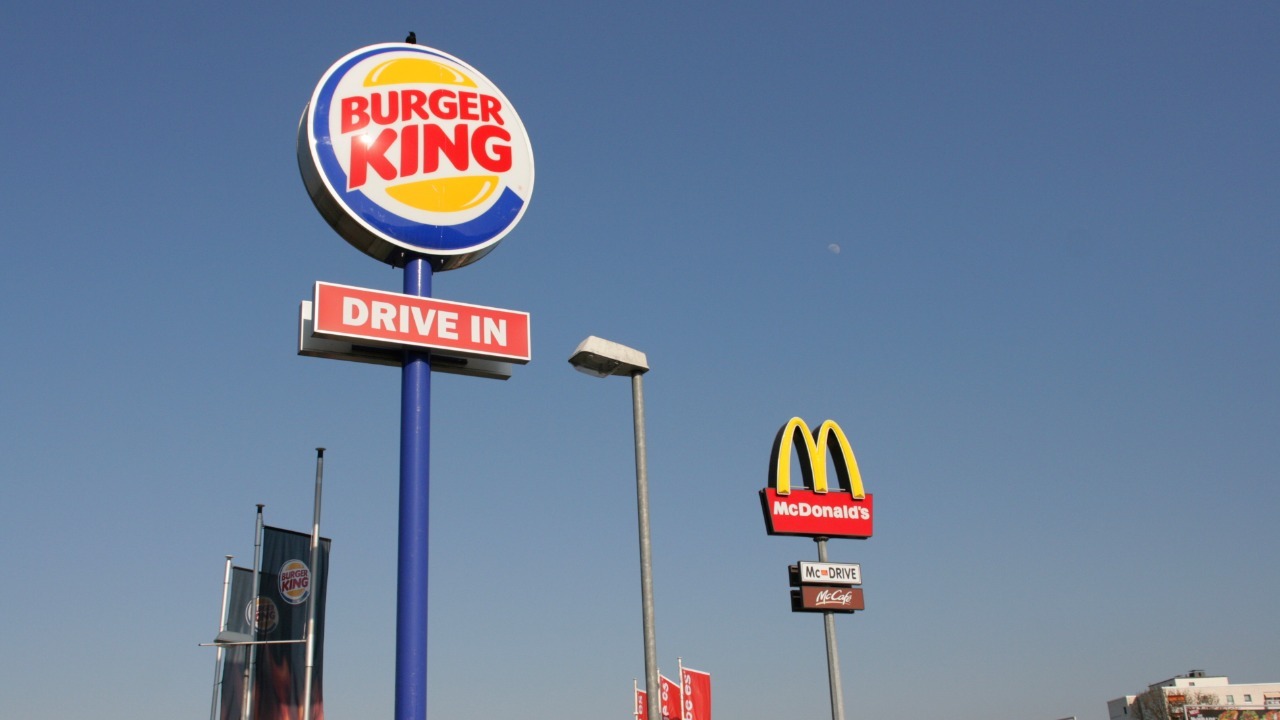
Fast food is undergoing a transformation, with many chains now offering experiences that rival fine dining. This shift is driven by rising costs, consumer perceptions, and national rankings that elevate these eateries to a new level of prestige. As fast food becomes more expensive and sophisticated, it increasingly mirrors the upscale dining experience, prompting a reevaluation of its role in American culture.
Surging Prices in Major Cities Mirror Upscale Menus
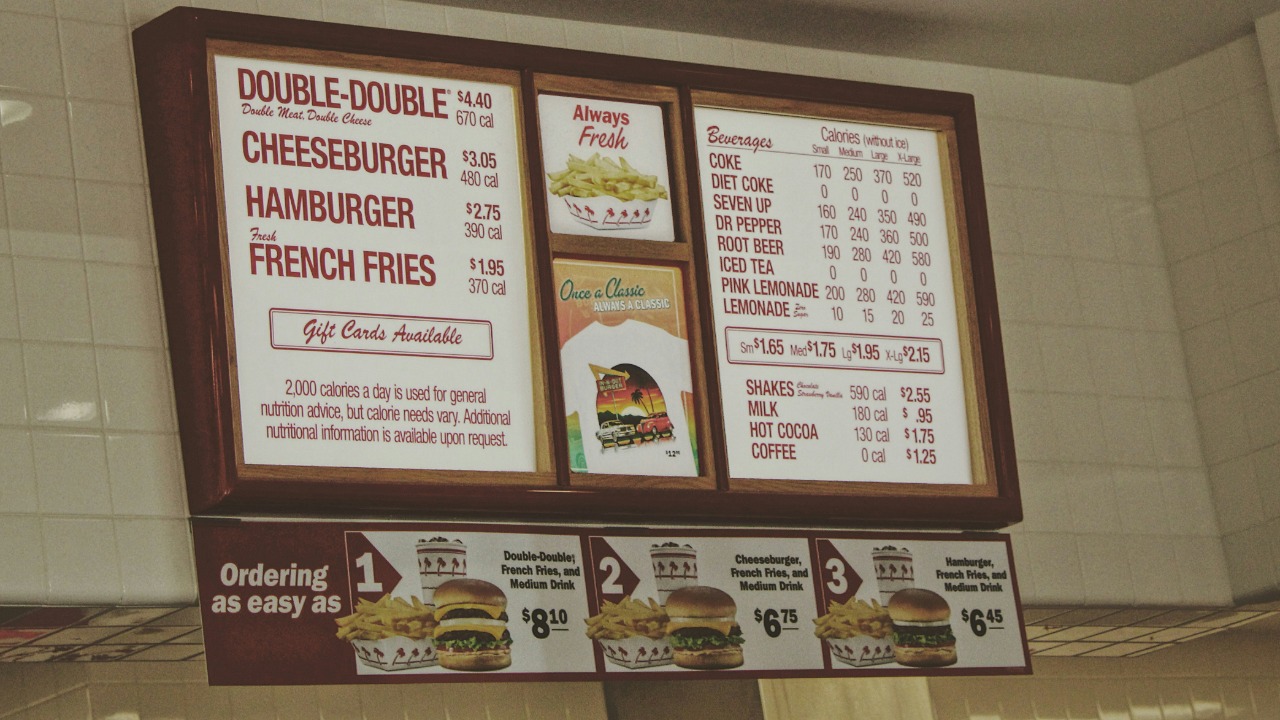
In several major U.S. cities, the cost of a fast-food meal has surged past $13, creating a price barrier that aligns more closely with upscale dining. This trend is particularly evident in urban hotspots where the average cost of a fast-food meal has reached $11.56, according to a recent report. As prices climb, consumers may begin to associate fast food with a more premium dining experience, elevating its status.
These price increases reflect broader economic trends and the growing demand for higher-quality ingredients and innovative menu items. As fast-food chains invest in improving their offerings, the cost naturally rises, positioning them as viable competitors to traditional sit-down restaurants. This shift not only changes consumer expectations but also redefines the fast-food landscape.
National Rankings Elevate Chains to Gourmet Status
The 2025 ultimate ranking of American fast-food restaurants has played a significant role in elevating these chains to a gourmet status. This ranking, detailed in a recent publication, highlights the top-performing chains based on quality and customer satisfaction. Such recognition not only boosts the prestige of these establishments but also encourages them to maintain high standards.
As fast-food chains climb these rankings, they gain a reputation for offering more than just convenience. The emphasis on quality and service mirrors the expectations typically reserved for fine dining, further blurring the lines between the two. This transformation is a testament to the industry’s ability to adapt and innovate in response to changing consumer preferences.
Consumer Votes Crown Fast Food as Premium Experiences
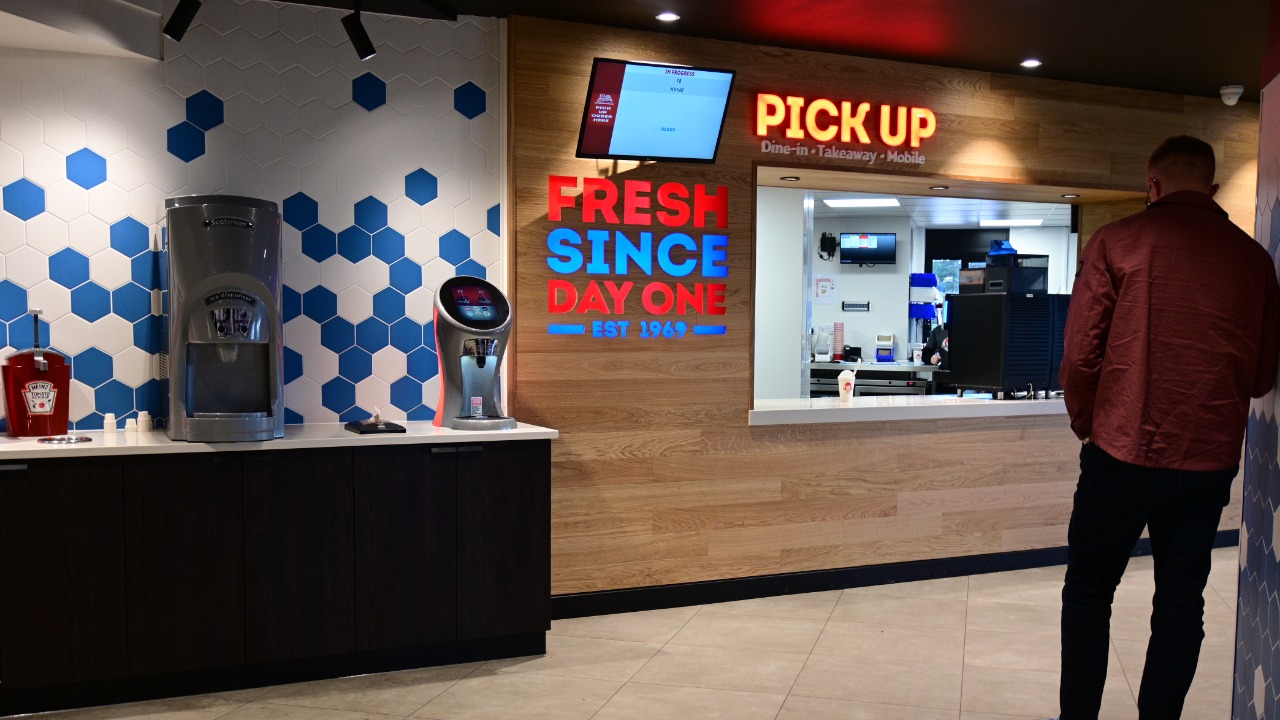
Consumer perceptions have shifted significantly, with reader-ranked lists now crowning fast food as a premium experience. According to a recent poll, the top 10 fast-food restaurants in the U.S. are celebrated for their quality and service, akin to luxury dining establishments. This recognition reflects a growing appreciation for the elevated offerings available at these chains.
As consumers increasingly view fast food as a treat rather than a necessity, the industry is encouraged to continue enhancing its offerings. This shift in perception not only boosts the reputation of fast-food chains but also drives them to innovate further, ensuring that they remain competitive in a rapidly evolving market.
Convenience Costs Questioning Everyday Indulgence

The rising cost of fast food has sparked a debate about its affordability, with many questioning whether it has become too expensive for everyday indulgence. A recent analysis highlights this trend, noting that the increasing prices make fast food feel more like an occasional splurge than a daily staple.
This shift in perception is significant, as it suggests that fast food is no longer the budget-friendly option it once was. Instead, it is evolving into a more refined experience, with prices reflecting the quality and innovation that consumers now expect. As a result, fast food is increasingly seen as a luxury, further aligning it with fine dining.
Early-Year Assessments Boost Perceived Sophistication
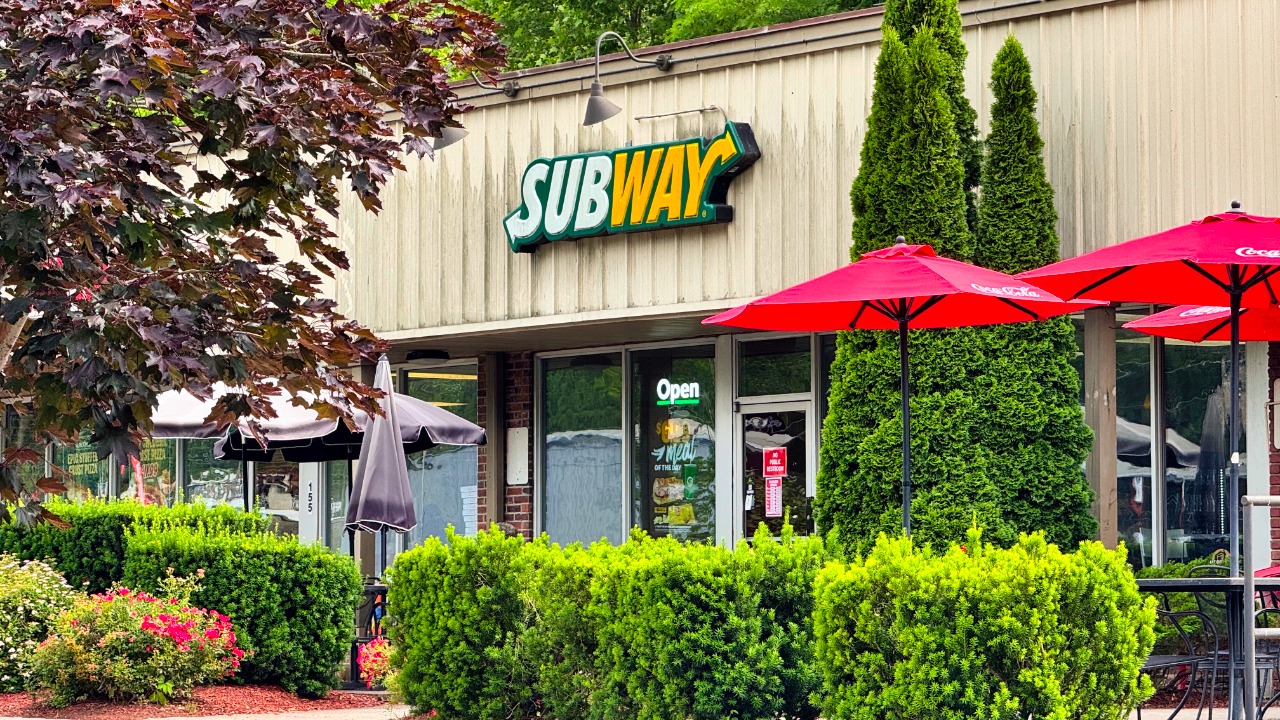
Early-year assessments of fast-food restaurants have contributed to their perceived sophistication. The January 2025 ranking of U.S. fast-food venues, as reported by Time Out, positions these chains as high-end competitors in the dining landscape. This recognition underscores the industry’s commitment to quality and innovation.
By focusing on elements such as ingredient quality, customer service, and overall dining experience, fast-food chains are redefining their role in the market. These assessments not only validate their efforts but also encourage continued investment in elevating their offerings, ensuring that they remain relevant and competitive.
Urban Hotspots Drive Fine Dining Price Parallels
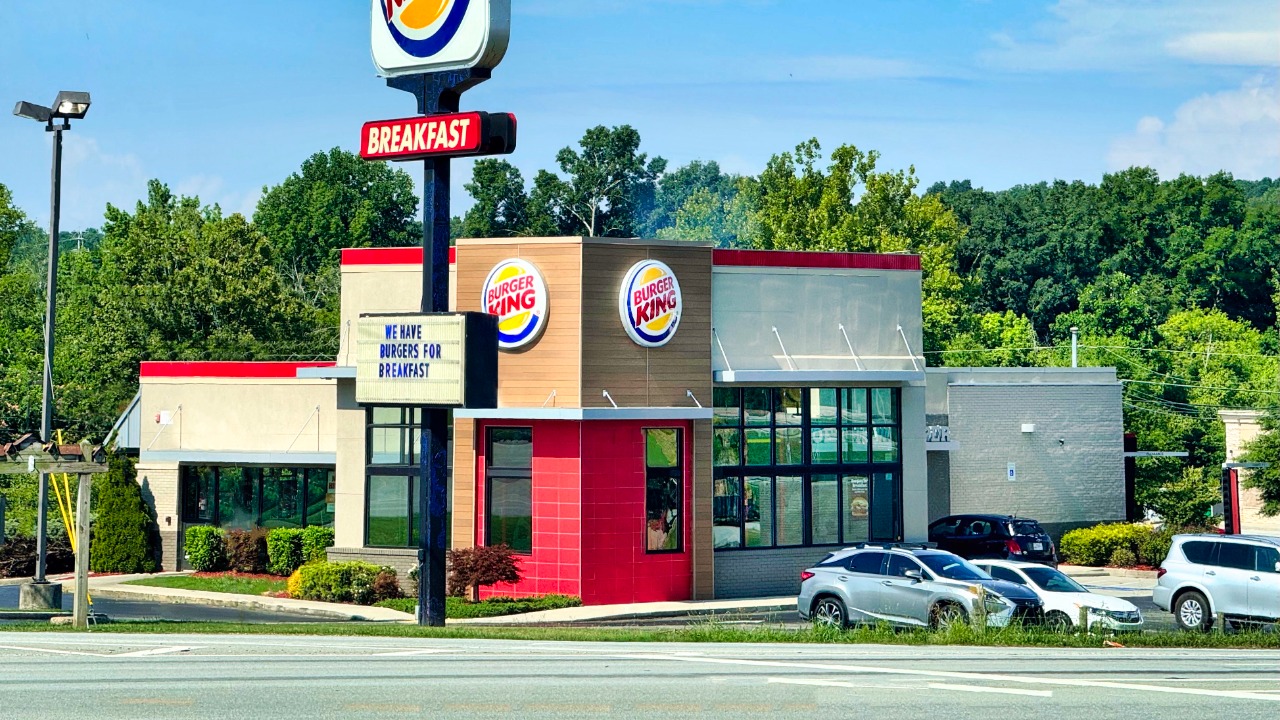
The May 2025 report on fast-food meal costs in urban hotspots highlights a significant trend: fast food prices in these areas are now comparable to those of fine dining entrees. According to Money Talks News, this price surge is particularly pronounced in cities where the cost of living is high, further elevating the status of fast food.
As these price parallels become more common, consumers may begin to view fast food as a viable alternative to traditional dining options. This shift not only enhances the reputation of fast-food chains but also encourages them to continue innovating and improving their offerings, ensuring that they remain competitive in a rapidly changing market.
Mid-Year Rankings Solidify Elite Fast-Food Appeal
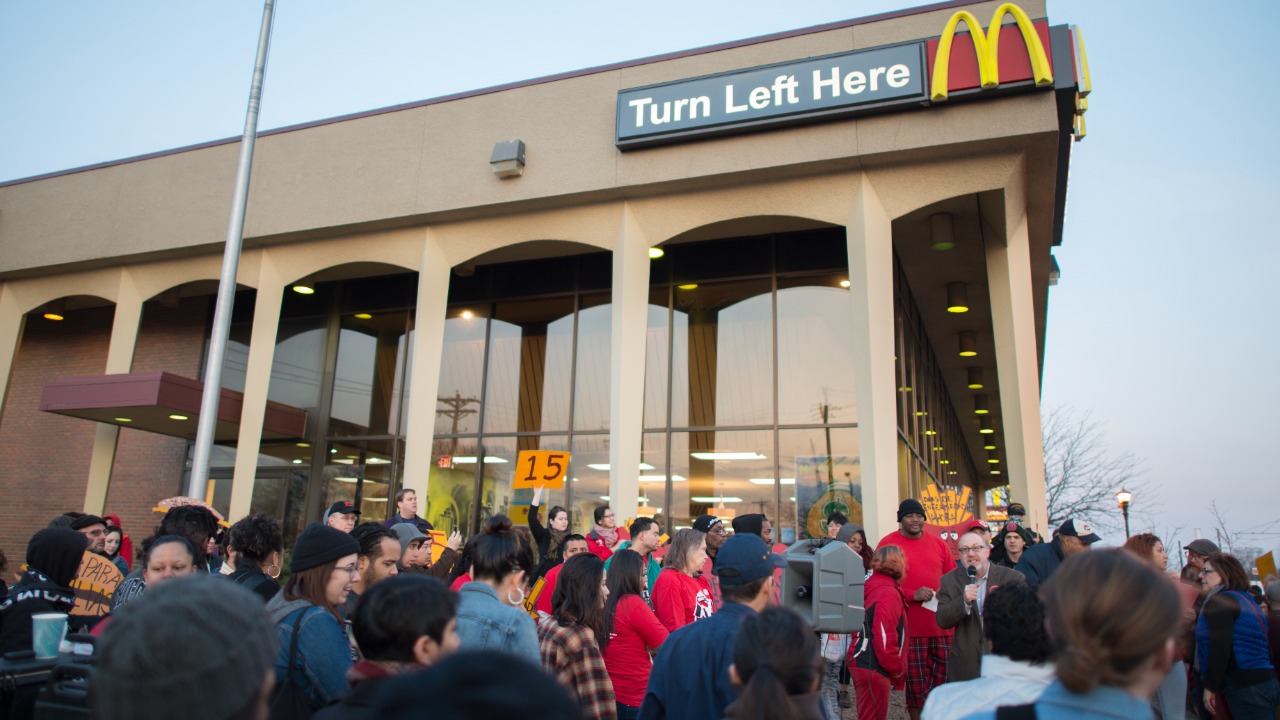
The mid-year rankings of American fast-food restaurants have solidified their appeal as elite dining options. The June 2025 publication by The Daily Meal highlights the top chains that have successfully elevated their offerings to meet consumer expectations for quality and service.
These rankings not only boost the prestige of fast-food chains but also encourage them to maintain high standards. As consumers increasingly seek out premium dining experiences, fast-food establishments are well-positioned to meet this demand, further blurring the lines between fast food and fine dining.
Broad American Evaluations Hint at Luxury Shifts

Broad evaluations of fast-food restaurants across America suggest a shift towards luxury. The 2025 ranking by Time Out positions these chains as refined options, highlighting their commitment to quality and innovation. This recognition reflects a broader trend towards elevated dining experiences.
As fast-food chains continue to invest in improving their offerings, they are increasingly seen as viable competitors to traditional dining establishments. This shift not only enhances their reputation but also encourages them to continue innovating and adapting to changing consumer preferences, ensuring their continued success in the market.
Award-Winning Chains Feel Exclusively High-End
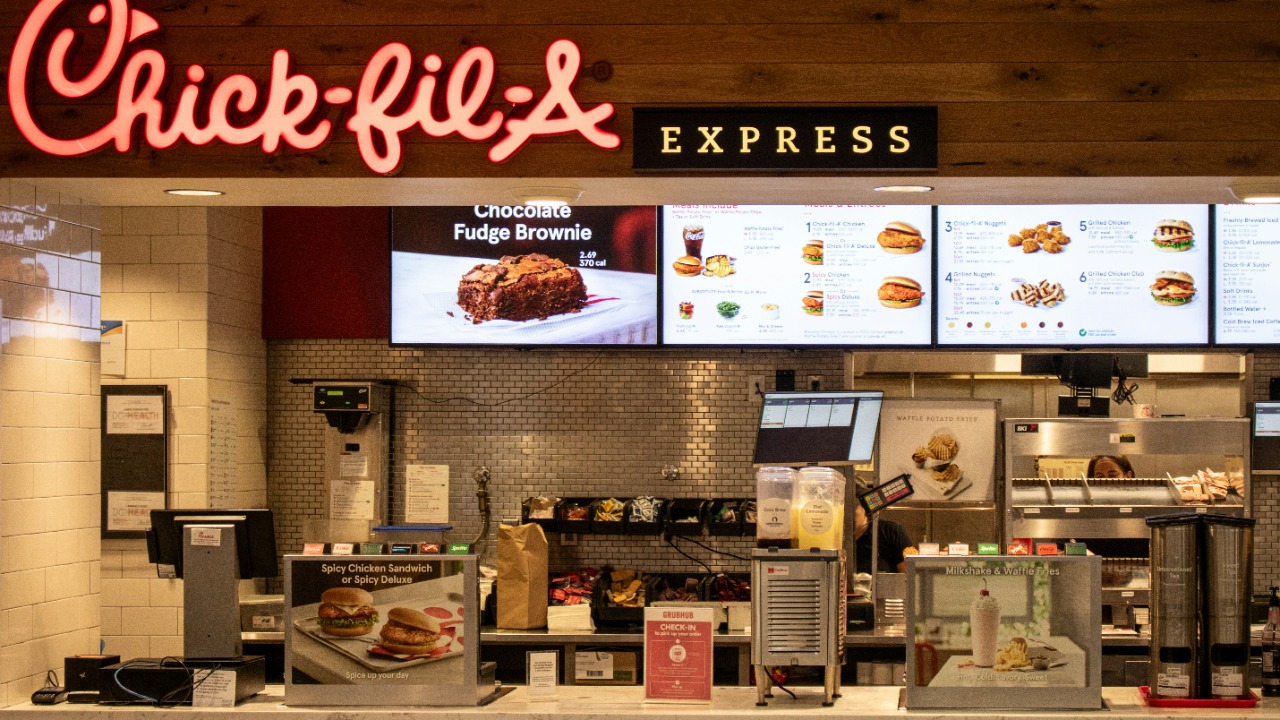
Award-winning fast-food chains are increasingly perceived as high-end dining options. The July 2025 reader-ranked list of the best U.S. fast-food restaurants, as reported by USA Today, highlights the top chains that have successfully elevated their offerings to meet consumer expectations for quality and service.
This recognition not only boosts the prestige of these establishments but also encourages them to maintain high standards. As consumers increasingly seek out premium dining experiences, fast-food chains are well-positioned to meet this demand, further blurring the lines between fast food and fine dining.
2025 Expense Trends View Fast Food as a Treat

The 2025 expense trends have led many to view fast food as a treat rather than a daily staple. A recent inquiry into the rising costs highlights this shift, suggesting that fast food is becoming more akin to fine dining in terms of price and experience.
This transformation is significant, as it reflects a broader trend towards elevated dining experiences. As fast-food chains continue to invest in improving their offerings, they are increasingly seen as viable competitors to traditional dining establishments. This shift not only enhances their reputation but also encourages them to continue innovating and adapting to changing consumer preferences, ensuring their continued success in the market.

Cole Whitaker focuses on the fundamentals of money management, helping readers make smarter decisions around income, spending, saving, and long-term financial stability. His writing emphasizes clarity, discipline, and practical systems that work in real life. At The Daily Overview, Cole breaks down personal finance topics into straightforward guidance readers can apply immediately.
