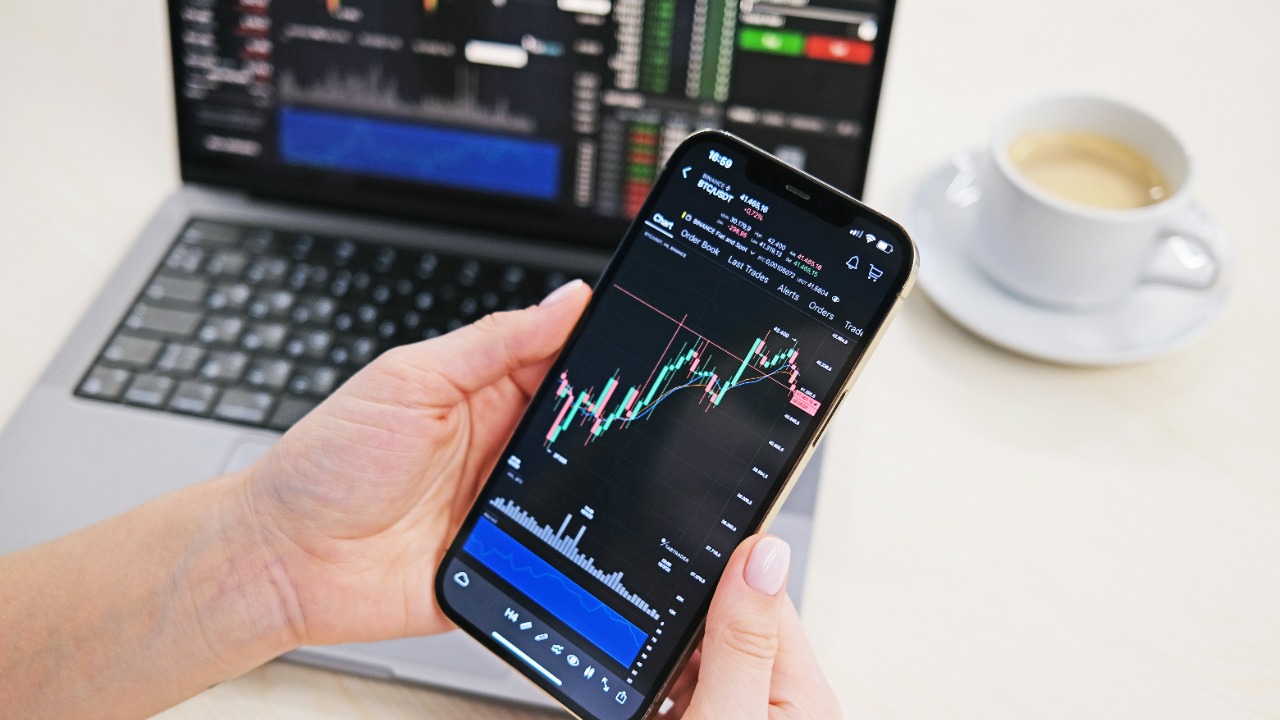
Side hustles that promise fast money often sit right where risk and reward collide, tempting people with eye-popping success stories while hiding brutal failure rates. I look at ten of the most hyped options, from day trading to NFTs, using hard numbers to show how big the upside can be and how quickly it can all go wrong.
1) Day Trading Stocks
Day trading stocks is the classic high-risk side hustle, with the lure of quick gains on tiny price moves. A 2020 University of California study found that 97% of day traders lose money over time, a stark reminder that frequent trading rarely beats the market. A separate analysis of Brazilian day traders reported that 97% of those active for more than 300 days lost money and only 1.1% ended up profitable, underscoring how unforgiving this arena can be.
Those statistics matter for anyone treating day trading as a side income stream, because they show the odds are stacked against small, undercapitalized traders. Transaction costs, emotional decision-making and leverage can magnify small mistakes into large losses. While a minority do manage consistent profits, the data suggests most people are effectively paying tuition to the market, not drawing a paycheck from it.
2) Cryptocurrency Trading
Cryptocurrency trading became a magnet for side hustlers after Bitcoin’s 2021 surge created stories of overnight millionaires. That same volatility cuts both ways, and the following year highlighted how brutal the downside can be. In 2022, a deep “crypto winter” wiped out about $2.3 trillion in market value, erasing paper gains and exposing traders who had borrowed heavily to chase momentum.
For part-time traders, those swings mean a portfolio can double or halve in months, sometimes days, with little warning. The stakes extend beyond individual wallets, because leveraged losses can spill into personal debt, tax liabilities and even forced asset sales. Treating crypto as a side hustle therefore demands strict risk limits, a clear exit plan and an acceptance that extreme volatility is not a bug of the system but its defining feature.
3) Real Estate Flipping
Real estate flipping, buying undervalued properties to renovate and resell, offers a more tangible path to profit but still sits squarely in the risk-reward zone. In 2023, U.S. home flippers earned an average profit of about $65,000 per flip, a figure that explains why so many investors try to turn it into a side business. That headline number, however, masks a wide range of outcomes across neighborhoods, property types and renovation budgets.
The same report notes that roughly 10% of flips result in losses when market conditions shift or renovation costs spiral beyond estimates. For part-time flippers, that means a single misjudged project can wipe out the profits from several successful ones. Rising interest rates, supply chain delays and local zoning surprises all add layers of uncertainty, so the apparent simplicity of “buy, fix, sell” hides a complex financial and operational puzzle.
4) Peer-to-Peer Lending
Peer-to-peer lending platforms turn everyday savers into small-scale lenders, promising steadier returns than many bank accounts. On sites such as LendingClub, investors have historically targeted 5–7% returns by funding slices of consumer loans, while accepting that some borrowers will default. In 2022, default rates on these loans averaged about 4.5%, which means a meaningful share of principal is at risk even in diversified portfolios.
The business model relies on fees charged to both borrowers and investors, and an overview of peer-to-peer lending highlights LendingClub alongside Popular platforms such as Prosper and Funding Circle. For side hustlers, the appeal is passive income, but the trade-off is exposure to credit cycles they cannot control. A spike in unemployment or interest rates can quickly push defaults higher, turning what looked like a safe yield play into a capital preservation challenge.
5) Dropshipping E-Commerce
Dropshipping e-commerce promises a low-barrier path into online retail, letting sellers list products without holding inventory. Case studies on Shopify show that some store owners report $1,000 to $5,000 in monthly earnings, helped by the ability to test products quickly using targeted ads. Because suppliers handle storage and shipping, upfront costs are far lower than traditional retail, which is why so many side hustlers try this route.
The same reporting notes, however, that about 90% of dropshipping stores fail within the first 90 days, largely due to intense competition and rising advertising costs. That failure rate means most newcomers burn through ad budgets before they find a winning product or audience. For anyone treating dropshipping as a side hustle, the real risk is not just losing money, but also underestimating how much time and marketing skill it takes to stand out in a saturated marketplace.
6) Freelance App Development
Freelance app development on platforms like Upwork sits at the higher-skill end of the side hustle spectrum, with correspondingly higher pay. Surveys of that marketplace show experienced developers charging $50 to $150 per hour, and one developer reported earning $100,000 in 2022 by stacking multiple client projects. Those figures illustrate how specialized technical skills can translate into substantial part-time income.
The same research notes that about 20% of projects end in cancellation, often because of shifting client requirements or disputes over scope. For freelancers, that cancellation rate represents unpaid hours, delayed payments and potential damage to platform ratings. The upside is clear for those who manage contracts tightly and vet clients carefully, but the risk is a volatile workload that can swing from feast to famine with little warning.
7) Options Trading
Options trading is one of the purest examples of risk and reward colliding, because small upfront bets can control large positions. During the 2020 GameStop squeeze, retail traders used call options to turn modest stakes into gains that were sometimes 10 times their original investment, a dynamic explained in guides to options. That kind of leverage is what draws many side hustlers into options as a way to amplify returns on limited capital.
The same educational material stresses that about 70% of options expire worthless, leaving buyers with a total loss of their premium. For part-time traders, that statistic means frequent small losses punctuated by occasional big wins, a pattern that can be psychologically and financially difficult to manage. Without strict position sizing and a clear strategy, options trading can quickly shift from calculated speculation to an expensive habit.
8) NFT Creation and Flipping
NFT creation and flipping exploded into public view when digital artist Beeple sold a collage for $69 million, convincing many creators that tokenized art could be a life-changing side hustle. In 2021, collections of profile pictures and generative art traded for six and seven figures, and marketplaces made it easy for anyone to mint and list their own work. The early success stories created a gold-rush mentality among designers, coders and influencers.
By 2023, however, the NFT market had crashed about 97%, leaving most creators with unsold assets and little secondary demand. That collapse shows how quickly speculative enthusiasm can evaporate once prices stop rising. For side hustlers, the lesson is that even cutting-edge digital markets can behave like classic bubbles, rewarding a small group of early entrants while latecomers are left holding tokens that no longer attract buyers.
9) Sports Betting
Sports betting apps such as DraftKings have turned wagering into a tap-and-swipe side activity, with aggressive promotions and flashy odds. Parlays that combine multiple outcomes can advertise payouts at 1000:1 odds, creating the impression that a small stake could cover a month’s rent or more. Those headline numbers are precisely what make sports betting feel like a tempting side hustle for fans who already follow teams closely.
A 2023 report from the same industry tracker found that about 95% of bettors lose money over the long term, reflecting the built-in house edge and the difficulty of consistently beating pricing models. For casual bettors, that means what starts as a “fun” income experiment often becomes a steady drain on savings. The broader risk is that easy mobile access can blur the line between entertainment and financial planning, especially for younger users.
10) Stock Photography Sales
Stock photography sales on platforms like Shutterstock offer a creative route into side income, with contributors earning between $0.25 and $28 per download. Top contributors can make more than $10,000 per year, often by building large, carefully tagged portfolios that cater to commercial demand. For photographers who already shoot regularly, uploading existing work can feel like a low-effort way to monetize their archives.
The same analysis notes that only about 1% of contributors achieve sustainable income, because the market is saturated with millions of similar images. That imbalance means most photographers see sporadic micro-payments rather than a reliable revenue stream. As a side hustle, stock photography rewards those who treat it like a data-driven business, studying search trends and licensing needs, while punishing anyone who assumes that good images alone guarantee steady sales.
More From TheDailyOverview
- Dave Ramsey warns to stop 401(k) contributions
- 11 night jobs you can do from home (not exciting but steady)
- Small U.S. cities ready to boom next
- 19 things boomers should never sell no matter what

Cole Whitaker focuses on the fundamentals of money management, helping readers make smarter decisions around income, spending, saving, and long-term financial stability. His writing emphasizes clarity, discipline, and practical systems that work in real life. At The Daily Overview, Cole breaks down personal finance topics into straightforward guidance readers can apply immediately.
