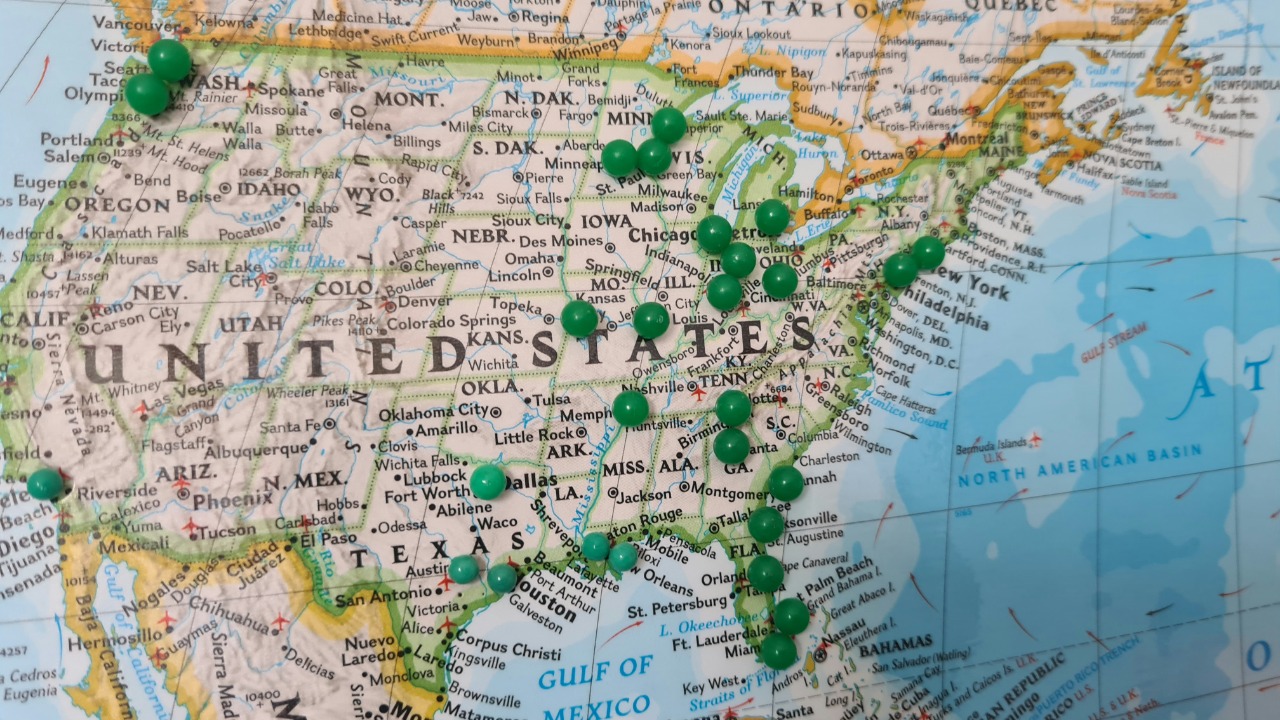
Property taxes can significantly affect the overall cost of homeownership. For those looking to minimize these expenses, certain states offer more favorable rates. Here’s a look at ten states with the lowest property taxes in the United States.
1. Hawaii

Hawaii tops the list of states with the lowest property taxes, boasting an average effective property tax rate of 0.28%. Despite its high cost of living, the Aloha State provides property owners with some relief through these low taxes. The stunning landscapes and tropical climate might come at a premium, but at least property taxes are kinder to the wallet.
Thanks to its unique tax structure, Hawaii manages to keep property taxes low. However, it’s important to note that the home values themselves are among the highest in the nation, which can offset the benefits of the low rate. For more detailed data, you can explore the Tax Foundation’s report on property taxes.
2. Alabama
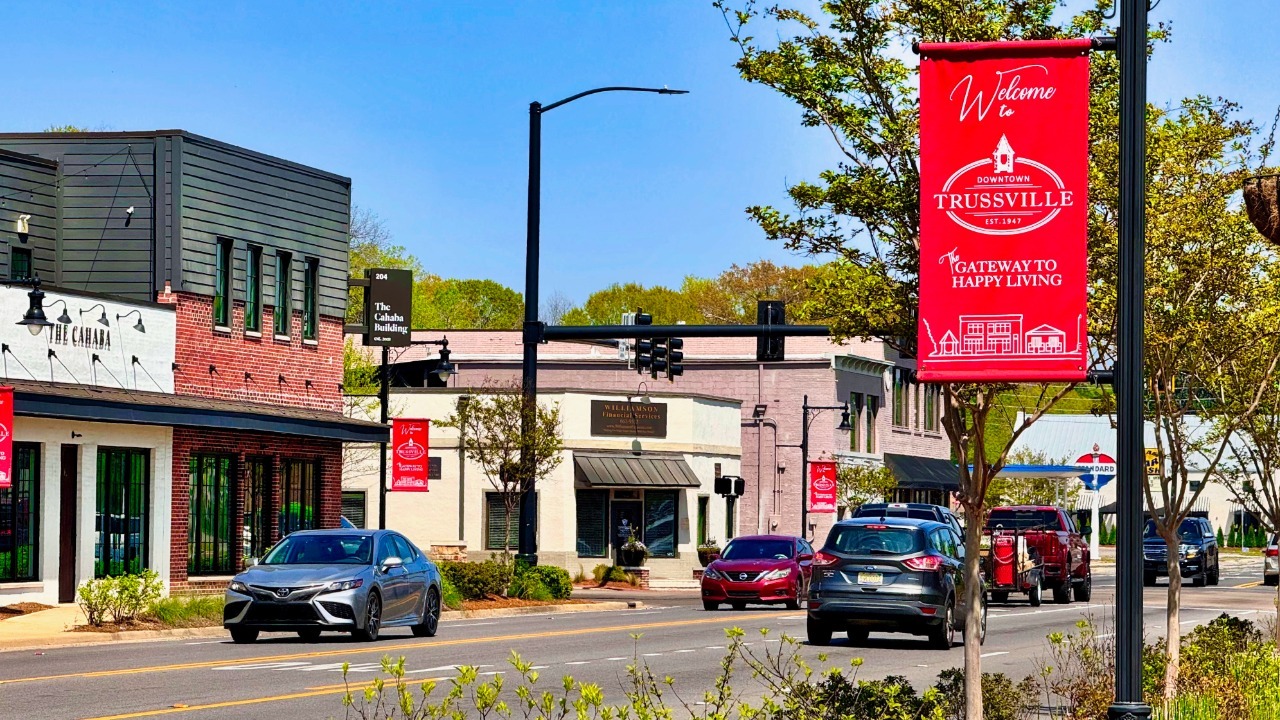
Alabama offers one of the most attractive property tax environments, with an average effective rate of just 0.41%. This southern state is known for its affordable housing market, making it an appealing option for potential homeowners. The low property taxes are a significant draw for both families and retirees looking to stretch their dollars further.
For those considering a move to Alabama, it’s worth noting that the state provides various exemptions which can further reduce the tax burden. This aspect makes Alabama a financially wise choice for many. You can learn more about property tax structures in the US in this academic paper.
3. Colorado

Colorado’s property tax rate averages at about 0.51%, making it a cost-effective choice for homeowners. Known for its breathtaking landscapes and vibrant cities, Colorado combines a reasonable tax rate with a high quality of life. The state offers a unique blend of urban and outdoor living, appealing to a wide range of preferences.
Even with its low property taxes, Colorado has seen a rise in property values, particularly in urban areas like Denver. This increase can impact the overall cost of owning a home, but the state’s tax policies help mitigate some of these expenses. For insights into how property taxes affect housing affordability, consider reading this article on property taxes in affordable states.
4. Louisiana

With property tax rates averaging around 0.55%, Louisiana provides a cost-effective environment for homeowners. Known for its rich culture and history, the state offers a unique living experience paired with financial benefits. The reasonable tax rates make it an attractive option for those looking to settle in the South.
In Louisiana, various exemptions can further decrease the tax burden, making homeownership more accessible for many residents. These policies are particularly beneficial for long-term property owners. For more information on property tax structures, explore this comprehensive report.
5. Delaware

Delaware’s property tax rate averages at 0.57%, offering financial relief to homeowners. The state’s favorable tax conditions are complemented by its proximity to major metropolitan areas, making it an appealing choice for those who work in nearby cities but prefer suburban living.
Aside from low property taxes, Delaware does not have a state sales tax, which further enhances its attractiveness for residents seeking to minimize their tax obligations. The state’s strategic location and tax benefits make it a compelling choice for many. Insights into state tax policies can be found in this detailed analysis.
6. South Carolina
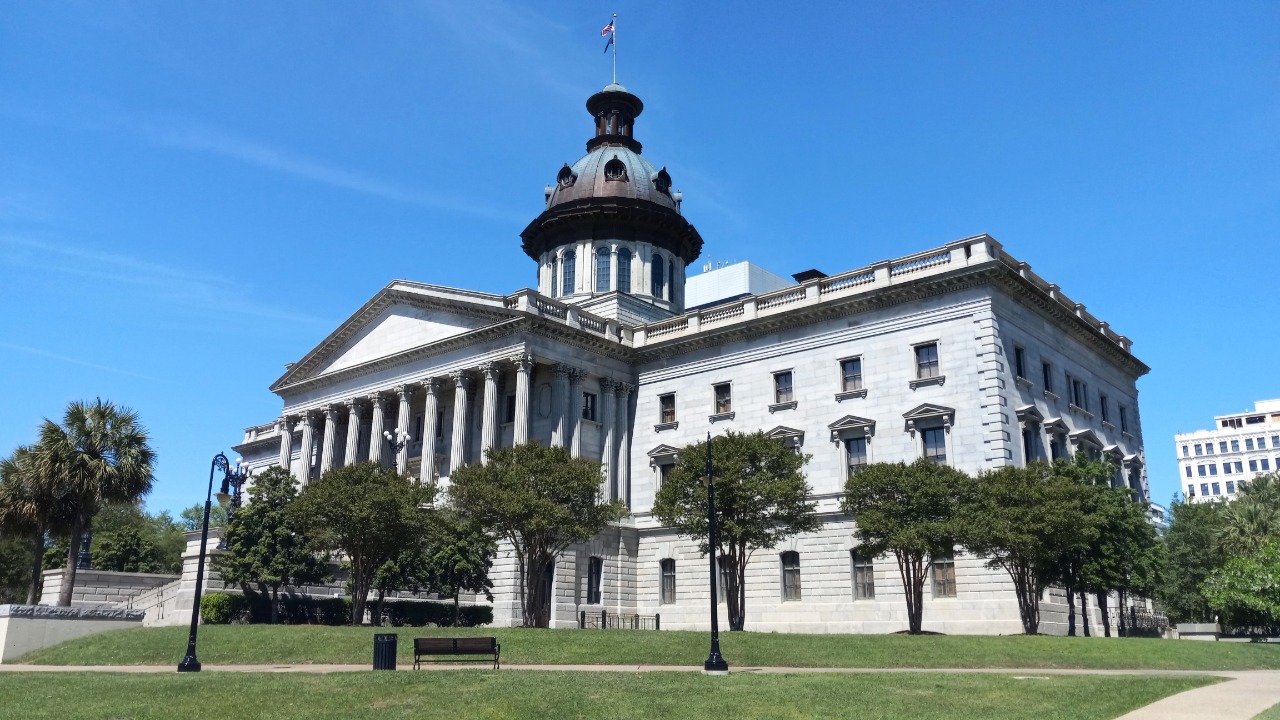
South Carolina offers a competitive property tax rate of approximately 0.57%. Known for its charming cities and coastal beauty, the state provides an attractive living environment with manageable financial commitments. These low taxes are particularly appealing to retirees and families.
The state’s property tax policies include various exemptions and credits that can further reduce the burden for eligible residents. South Carolina’s combination of low taxes and quality living make it a noteworthy option for those considering relocation.
7. West Virginia

West Virginia boasts an average property tax rate of 0.59%, making it a budget-friendly choice for homeowners. The state’s low cost of living, coupled with these reasonable taxes, makes it an attractive option for those seeking affordability.
West Virginia’s scenic landscapes and small-town charm offer a peaceful living environment without the hefty price tag. The state’s tax policies are designed to ease the financial load on homeowners, making it an appealing destination for many.
8. Wyoming

Wyoming’s property tax rate stands at about 0.61%, providing a financially favorable climate for residents. Known for its natural beauty and outdoor recreation opportunities, Wyoming offers a unique lifestyle with low taxes.
The state’s policies support a low-tax environment, which is advantageous for both residents and businesses. This combination of economic benefits and quality of life makes Wyoming a desirable place for many to call home.
9. Arkansas

With an average property tax rate of 0.62%, Arkansas is one of the more affordable states for homeowners. The state’s mix of urban and rural areas provides diverse living options, all underpinned by low taxes.
Arkansas offers various exemptions and credits that can reduce the tax burden, particularly for senior citizens and veterans. The state’s commitment to keeping property taxes low makes it a practical choice for many seeking to manage their expenses effectively.
10. New Mexico

New Mexico rounds out the list with an average property tax rate of 0.71%. The state’s unique cultural heritage and stunning landscapes create an appealing environment for residents.
Despite being slightly higher than others on the list, New Mexico’s property taxes remain well below the national average. The state’s tax policies aim to support homeowners while preserving the distinctive character of its communities.

Julian Harrow specializes in taxation, IRS rules, and compliance strategy. His work helps readers navigate complex tax codes, deadlines, and reporting requirements while identifying opportunities for efficiency and risk reduction. At The Daily Overview, Julian breaks down tax-related topics with precision and clarity, making a traditionally dense subject easier to understand.
