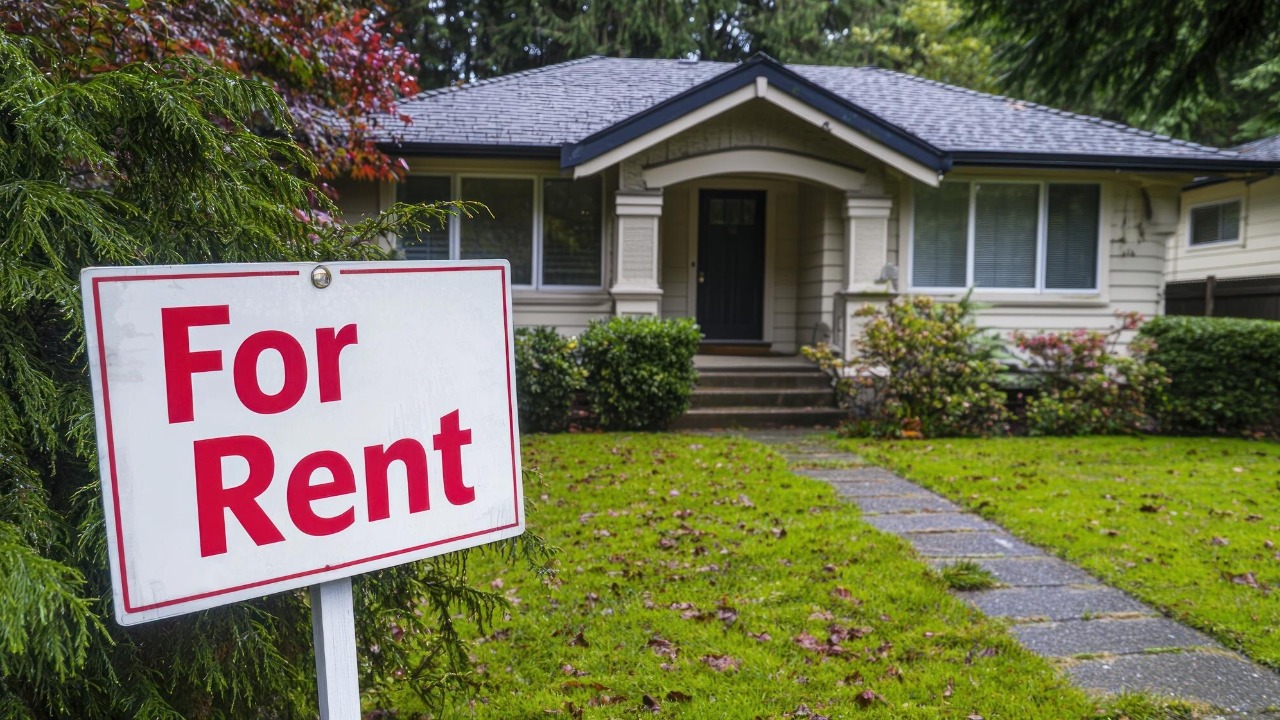
Renting instead of buying is one of the fastest ways I can cut big, recurring costs without sacrificing access to the things I need. From housing to cars to occasional-use gear, the numbers often favor short-term use over long-term ownership, especially once maintenance, storage, and depreciation are factored in. Here are 10 things I should seriously consider renting, not buying, if I want to save big while keeping my life flexible.
1) A Second Home
A second home is one of the clearest examples of something I am usually better off renting instead of buying. Guidance on things to know before you buy a second home stresses that I would be taking on a second mortgage, higher property taxes, and specialized insurance, all on top of my primary residence. Those fixed costs do not disappear in a slow travel season or if my income drops, and they are layered with closing costs, potential homeowners association fees, and the risk that local property values could stagnate or fall. Renting a vacation place only when I actually go, whether through a short-term rental platform or a traditional lease, lets me enjoy the same location without tying my finances to a single market.
There is also the ongoing burden of maintenance, which can be especially expensive if the property is in a coastal or mountain area that faces harsher weather. The same reporting on second homes notes that I need to budget for repairs, utilities, and possibly a property manager if I live far away, which can quickly erase any theoretical “investment” upside. By renting instead, I shift those unpredictable costs and headaches to the owner, while I keep my cash available for higher priority goals like retirement savings or paying down debt. For most people who only visit a destination a few weeks a year, the math strongly favors renting and keeping long-term risk off their personal balance sheet.
2) A Car
A car is another big-ticket item where renting can beat buying if I only need wheels occasionally. Advice on finding the cheapest way to rent a car shows how I can stack savings by booking early, comparing prices across apps, and avoiding airport pickup fees, which makes short-term rentals surprisingly affordable. When I rent, I am not paying for long-term depreciation, routine maintenance, or year-round insurance on a vehicle that might sit idle most days. For city dwellers who rely on public transit or biking most of the time, using rentals or car-sharing services for weekend trips and big errands can cost far less per year than owning even an older sedan.
Ownership also locks me into ongoing expenses that do not scale down when I drive less, including registration, inspections, and unexpected repairs like new brakes or a transmission. By contrast, rental costs are directly tied to how often I actually need a car, which gives me more control over my budget. Other guidance on Cars and similar vehicles points out that short-term rentals are especially smart for one-off needs such as road trips or moving days, when I might want a larger model or a pickup truck. If my driving is sporadic, renting lets me match the vehicle to the task and avoid sinking thousands into an asset that loses value every year.
3) Power Tools
Power tools are classic “use once, store forever” purchases that often waste money and space. Lists of things not cheaper at Walmart highlight how some tools that look like bargains at big-box stores can still cost more than I expect, especially when I factor in accessories, blades, and safety gear. If I only need a rotary hammer, tile saw, or pressure washer for a single weekend project, buying even a discounted model means I am paying for years of storage and the risk that it will break or rust before I use it again. Renting from a local hardware store or a tool library lets me access professional-grade equipment for a fraction of the purchase price.
Money-saving guides such as Power Tools recommendations emphasize that specialized gear is particularly smart to rent, because the more niche the tool, the less likely I am to get repeat use. Renting also shifts maintenance and calibration to the provider, which matters for tools like laser levels or nail guns that need to work safely and accurately. For homeowners and renters alike, this approach keeps garages and closets from filling up with rarely used gadgets, and it frees up cash for higher impact upgrades like better insulation or energy-efficient appliances that actually reduce monthly bills.
4) Formal Attire
Formal attire is another category where buying can quietly drain my budget, especially if I attend only a few weddings or galas each year. Advice on Formal wear stresses that special-occasion outfits often get worn once or twice before styles change or my size shifts, which means the cost per wear can be extremely high. Reports on Here also note that renting tuxedos, gowns, and accessories can significantly cut upfront spending while giving me access to higher quality brands than I might buy outright. Instead of owning a closet full of dated suits or dresses, I can rent exactly what fits the event’s dress code and current trends.
There is a broader financial and environmental stake here too, because fast-fashion formalwear often uses cheaper materials that do not last, pushing me toward repeat purchases. Rental platforms and local boutiques spread the production impact of each garment across many users, which reduces waste and storage needs in my home. When I factor in tailoring, cleaning, and the pressure to avoid repeating outfits in photos, renting becomes even more attractive. For anyone who is not attending black-tie events every month, treating formal attire as a rental, not a permanent wardrobe staple, keeps both spending and clutter under control.
5) Camping Gear
Camping gear can be surprisingly expensive if I try to buy everything at once, from tents and sleeping bags to stoves and backpacks. Guidance on Camping Gear and Other Sports Equipment points out that many people camp only once or twice a year, which makes it hard to justify hundreds of dollars in purchases that will sit in a closet the rest of the time. Discount chains may advertise low prices, but once I add in quality considerations and missing accessories, the total can easily exceed what a weekend rental would cost. Renting from outdoor shops or community programs lets me test high-quality gear without committing to ownership.
There is also a learning curve with camping equipment, and renting gives me a chance to figure out what I actually like before I buy anything long term. If I discover that I prefer a lighter tent or a different sleeping pad style, I can adjust on my next rental instead of being stuck with the wrong setup. Some money guides, including You, highlight that renting rarely used items helps avoid clutter and keeps my budget focused on experiences rather than stuff. For occasional campers, renting is a straightforward way to enjoy the outdoors while keeping both costs and storage demands low.
6) Sports Equipment
Sports equipment, especially seasonal gear, is a prime candidate for renting instead of buying. Lists of rentable items such as Bikes and other Sports gear show that everything from skis and snowboards to kayaks and paddleboards can be accessed on a short-term basis. If I only ski a few days each winter or ride a bike on vacation, purchasing my own setup means paying for off-season storage, tune-ups, and the risk that I will outgrow the hobby. Rental shops, by contrast, keep equipment maintained and updated, so I get gear that matches current safety standards and performance expectations without a large upfront investment.
There is also a strong case for renting children’s sports gear, because kids can outgrow sizes and change interests quickly. Buying new equipment every season, especially for fast-growing sports like hockey or football, can strain a family budget. Renting or using seasonal lease programs spreads the cost over time and lets parents adjust gear as needed. Broader advice on There suggests that renting infrequently used items saves not only money but also space and energy, which is particularly relevant for bulky sports equipment that can dominate a garage. For casual athletes and families testing new activities, renting keeps the focus on play rather than on managing a pile of gear.
7) Party Supplies
Party supplies for big events, such as tents, tables, chairs, and large decorations, are almost always better rented than bought. Guides that list Events and party items as popular rentals underline how rarely most people host large gatherings that require industrial-size gear. Buying a 20-by-20-foot tent or dozens of folding chairs might seem like a way to “invest” in future parties, but storage, cleaning, and transport quickly become major hassles. Rental companies deliver, set up, and take down the equipment, which saves me time and reduces the risk of damage or injury from improper installation.
Even smaller items like high-end tableware, chafing dishes, and specialty lighting can be more economical to rent, especially if I want a coordinated look without buying everything new. Advice on Events and parties emphasizes that renting lets hosts scale up or down based on guest count, rather than guessing how many items they might need years into the future. For people living in apartments or smaller homes, avoiding ownership of bulky party gear also preserves valuable storage space. In practice, renting party supplies turns a potentially expensive, clutter-creating category into a predictable, one-time line item in the event budget.
8) Lawn Equipment
Lawn equipment, especially heavy-duty machines, is another area where renting can dramatically cut costs. Money-saving lists that highlight Steam cleaners and Specific tools as smart rentals make a similar point for outdoor gear like aerators, stump grinders, and power dethatchers, which most homeowners use only once or twice a year. Buying these machines outright can run into hundreds of dollars, and they require fuel, maintenance, and secure storage. Renting from a home improvement store or local tool center lets me pay only for the days I actually need them, while the provider handles upkeep and repairs.
Even for more common items like lawn mowers or string trimmers, renting can make sense if I have a very small yard, share outdoor space, or expect to move soon. Instead of buying equipment that may not fit my next property, I can rent as needed and reassess later. Broader guidance on Here notes that renting infrequently used items helps people save money, space, and energy, which is especially relevant for bulky, noisy machines that can be difficult to store in apartments or townhouses. For many households, renting lawn equipment turns yard care into a manageable, pay-as-you-go expense rather than a long-term financial commitment.
9) Baby Gear
Baby gear is notoriously easy to overbuy, and renting can protect both my wallet and my living space. Lists of useless baby goods point out that many specialty items get used for only a few months before a child outgrows them or the family’s routine changes. Strollers, bassinets, travel cribs, and high-end carriers can be especially expensive, and buying multiple versions for home, car, and travel quickly adds up. Rental services now offer short-term access to these products, which is ideal for trips, visiting relatives, or testing a model before committing to a purchase.
Safety standards and recommendations for baby products also evolve, which means gear can become outdated faster than I expect. Renting ensures I am using items that meet current guidelines without constantly replacing what I own. Broader advice on things you should rent rather than buy stresses that renting can maximize savings and reduce clutter, a crucial benefit when space is already tight with a new child. For parents who value flexibility, renting baby gear lets them adapt quickly as their child grows, without being locked into a closet full of expensive, barely used equipment.
10) Musical Instruments
Musical instruments are a textbook case where renting first can prevent costly regret. Guidance on Musical gear notes that beginners, especially children, often switch instruments or lose interest after a short period, which makes buying a new violin, trumpet, or saxophone a risky bet. Rental programs through music shops and schools typically include maintenance, basic repairs, and the option to upgrade sizes or models as skills improve. This structure lets me or my child explore music without a large upfront purchase that might end up gathering dust in a closet.
Even for adults, renting can be smart when trying out expensive instruments like digital pianos, drum kits, or high-end guitars. By renting, I can test how an instrument fits my space, schedule, and enthusiasm before committing to ownership. Broader lists of items You can rent highlight that many people are surprised to learn how accessible instrument rentals have become, often with rent-to-own options if they decide to stick with it. For households watching their budgets, renting musical instruments keeps creative opportunities open while avoiding the financial hit of buying gear that may not see long-term use.
More From TheDailyOverview

Elias Broderick specializes in residential and commercial real estate, with a focus on market cycles, property fundamentals, and investment strategy. His writing translates complex housing and development trends into clear insights for both new and experienced investors. At The Daily Overview, Elias explores how real estate fits into long-term wealth planning.

