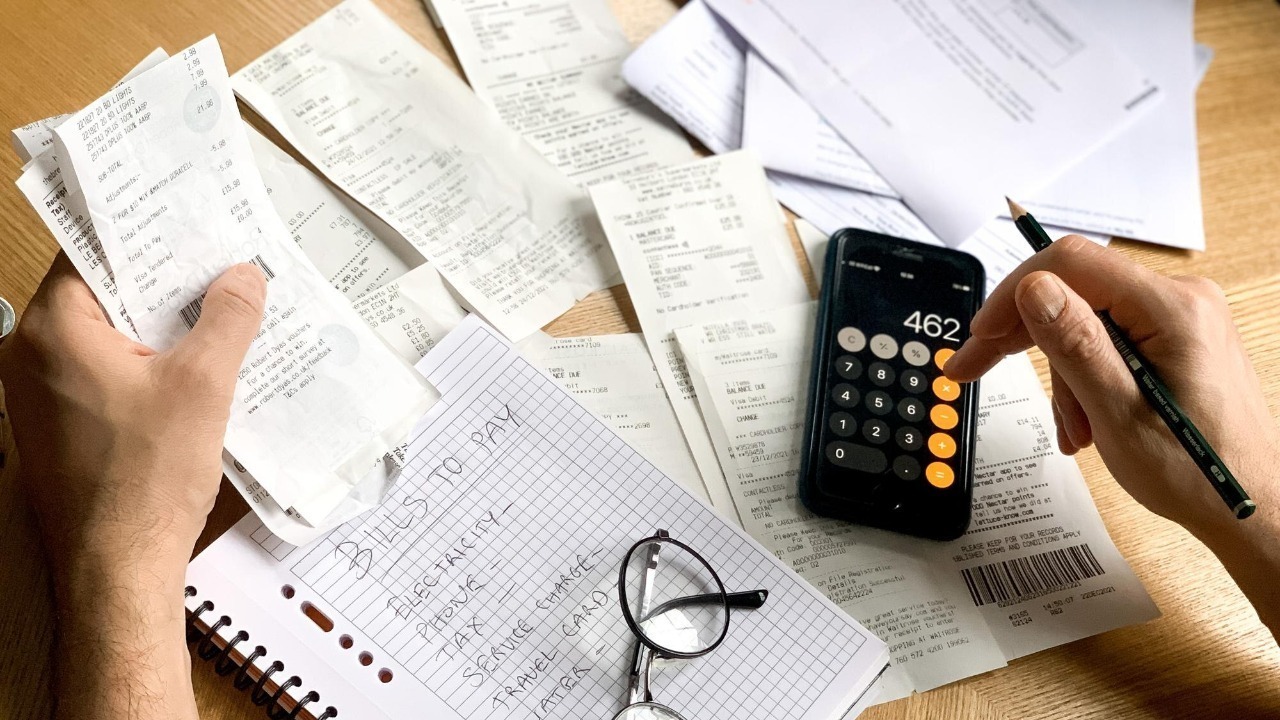
Across the country, Americans are confronting higher prices on everything from groceries to rent, even as GDP and Personal incomes are projected to grow in 2025. Surveys show that the cost of living squeeze is approaching “unmanageable” for many households, yet people are not standing still. I look at ten concrete ways Americans are coping with rising costs, drawing on recent reporting and research to show how daily choices, travel plans and health care decisions are being reshaped.
1) Adjusting daily spending habits
Adjusting daily spending habits has become a first line of defense as Americans cope with rising living costs. Reporting on how households are responding describes people tracking every dollar, cutting back on impulse buys and rethinking what “affordable” means in their routines, from coffee runs to streaming subscriptions, as detailed in coverage of how Americans are coping. That shift is happening even while U.S. real GDP is projected to reach $26 trillion over the next three years and Personal median incomes increased in 2025.
The stakes are clear in national polling that finds Americans anxious about whether those macro gains will actually cover rent, utilities and food. In one survey of 1,000 Americans, researchers reported that only 27% of respondents felt the cost of living was manageable, a sign that small cuts like cooking at home or driving a paid-off 2012 Honda Civic instead of upgrading are not just frugality, but survival strategies. I see these micro-adjustments as the foundation for every other coping tactic on this list.
2) Exploring alternative shopping strategies
Exploring alternative shopping strategies is another way Americans are trying to blunt rising prices. Recent coverage of ways people are coping with rising prices highlights tactics such as switching from brand-name goods to store brands, timing purchases around weekly sales and using cash-back apps like Ibotta or Rakuten to stretch paychecks. Some shoppers are driving farther to discount grocers, while others are forming informal buying clubs to split bulk purchases of staples like rice and toilet paper.
These strategies matter because inflation is not hitting every category equally, and consumers are learning to chase relative bargains. The NPR Network has reported that with inflation on the rise and job growth slowing, Americans are feeling a sharper financial squeeze at the checkout line. By comparison shopping across big-box stores, dollar chains and online marketplaces, households are trying to reclaim a measure of control, even if the savings are measured in a few dollars per trip rather than dramatic windfalls.
3) Scaling back vacation plans
Scaling back vacation plans has become a common response as travel costs climb. Reporting on how rising costs are changing the way Americans travel describes families trading cross-country flights for road trips, shortening stays from a week to a long weekend and choosing motels or short-term rentals over full-service hotels. Higher airfares, rental car prices and resort fees are pushing many travelers to postpone big-ticket trips like European vacations or theme park packages.
The Facebook discussion titled “Change in America” points back to the same reporting and notes that, as of 2025/10/02, How rising costs are changing the way Americans travel is a flashpoint for broader frustration. When a family decides to camp at a nearby state park instead of flying to Hawaii, the decision reflects more than wanderlust, it is a calculation about debt, emergency savings and the risk of unexpected bills. I see travel as one of the clearest places where rising costs are forcing Americans to redraw the line between “nice to have” and “out of reach.”
4) Seeking affordable medical options
Seeking affordable medical options has become a necessity as health care costs climb faster than many household budgets. Detailed analysis of Americans’ challenges with health care costs shows people shopping for lower-cost clinics, using telehealth visits to avoid higher in-person fees and comparing pharmacy discount programs when paying for prescriptions. Some patients are asking doctors about generic alternatives or lower-cost imaging centers, while others are turning to community health centers that operate on sliding scales.
The pressure is intensifying. One report notes that Americans spend more on health care than any other advanced nation, and More people are struggling with costs as insurance plans shift toward higher deductibles. Another survey-based analysis found that Forty-seven percent of U.S. adults are worried they will not be able to afford necessary care in the coming year, the highest level recorded. In that context, every cheaper clinic visit or discounted prescription is not just a smart choice, it can be the difference between getting treated and going without.
5) Prioritizing essential purchases
Prioritizing essential purchases is another way Americans are coping with rising living costs. Reporting on household budgets under strain describes families ranking expenses in strict order, with rent, utilities, groceries and transportation at the top, and discretionary items like new electronics or restaurant meals pushed to the bottom, mirroring patterns in coverage of how Americans are coping with rising costs and economic anxiety. That research notes that in 2025, U.S. real GDP is projected to reach $26 trillion over the next three years, yet Americans continue to be anxious about their finances.
Personal median incomes increased in 2025 and are outpacing some headline inflation measures, but that aggregate progress does not erase the reality that fixed costs like housing and child care often consume most of a paycheck. Survey data on housing shows Americans rethinking what “affordable housing” means as rents rise, with some moving into smaller units or taking on roommates. I see this triage mindset as a rational response to uncertainty, a way to protect essentials first while postponing anything that can wait.
6) Utilizing discounts and deals
Utilizing discounts and deals has shifted from a nice bonus to a core survival tactic. Coverage of survey findings on rising costs notes that Americans are increasingly hunting for coupons, loyalty rewards and seasonal promotions to offset higher housing and utility bills. Many are stacking store apps with manufacturer coupons, timing big purchases like appliances around holiday sales and using price-tracking tools to pounce when items drop.
These habits echo broader advice in reporting on ways people are coping with rising prices, where strategies like buying refurbished electronics, using student or military discounts and negotiating recurring bills are gaining traction. The stakes are particularly high for households already in financial distress, as another report describes U.S. families taking on debt, skipping meals or forgoing essentials amid rising living costs. In that environment, a 20% discount on groceries or a waived bank fee can be the margin that keeps a budget from tipping into the red.
7) Opting for budget-friendly destinations
Opting for budget-friendly destinations is a companion strategy to scaling back vacations. The same reporting that tracks how rising costs are changing travel patterns shows Americans swapping expensive hotspots for closer, cheaper alternatives, such as choosing a road trip to a nearby national park instead of flying to a luxury beach resort, a trend also reflected in coverage of what is costing more in 2025. Travelers are looking for places where lodging, food and activities can be bundled into predictable, lower-cost packages.
For example, a family might pick a drivable destination like the Great Smoky Mountains, stay in a cabin with a kitchen and rely on free hiking trails rather than pricey attractions. The NPR Network has highlighted how Americans are recalibrating expectations, treating vacations as modest breaks rather than bucket-list splurges. I see this shift as part of a broader pattern in which people are not abandoning leisure altogether, but are redesigning it to fit within tighter financial boundaries without taking on new credit card debt.
8) Delaying non-urgent treatments
Delaying non-urgent treatments is one of the most troubling ways Americans are coping with rising health care costs. Analyses of household medical decisions report people postponing dental work, physical therapy and follow-up scans that are not immediately life-threatening, a pattern that aligns with findings that Americans increasingly struggle with medical bills and high deductibles. One survey-based article notes that 90% of adults believe Americans spend too much on health care for the quality they get, and While two-thirds of households are cutting back in other areas, many still feel forced to delay care.
Additional reporting finds that Forty-seven percent of U.S. adults worry they will not be able to afford necessary health care in the coming year, and With ACA subsidies set to expire next month, medical costs could get even worse for people who buy coverage on the individual market. I view these delays as a dangerous form of cost control, saving money in the short term but risking more serious and expensive conditions later, which ultimately feeds back into the very affordability crisis people are trying to escape.
9) Cutting non-essential expenses
Cutting non-essential expenses is another widespread response to higher prices. Reporting on ways people are coping with rising prices describes households canceling unused gym memberships, trimming subscription services like Netflix or Spotify and reducing spending on hobbies, concerts and takeout. A detailed survey of 1,000 Americans found that for most, the cost of living is not just high, it is approaching unmanageable, and Only 27% of survey respondents said their budgets felt sustainable without major cuts.
These reductions can be emotionally difficult, since they often target the small pleasures that make long workweeks bearable. Yet they also reflect a pragmatic recognition that fixed costs leave little room for extras. I see this as part of a broader reprioritization, where people are willing to give up conveniences like food delivery or premium phone plans in order to preserve emergency savings or pay down high-interest credit card balances that have grown as prices climbed.
10) Building community support networks
Building community support networks is an increasingly important way Americans are coping with rising living costs. Reporting on neighborhood-level responses describes people organizing mutual aid groups, sharing childcare, swapping skills like car repair or tutoring and coordinating food drives, echoing themes in coverage of Americans struggling financially. That reporting notes U.S. families facing deepening financial distress amid rising costs of living, with some forced to take on debt, skip meals or forgo essentials.
In response, community fridges, buy-nothing groups on Facebook and local crowdfunding campaigns have become informal safety nets, especially for those who fall through gaps in formal assistance programs. Survey research on housing and cost-of-living pressures shows Americans rethinking what it means to rely on neighbors, not just institutions. I see these networks as both a coping mechanism and a quiet form of resilience, redistributing resources and information in ways that help households survive a period when traditional markers of economic health feel disconnected from everyday reality.
More From TheDailyOverview
- Dave Ramsey says these two simple questions show whether you’re rich or poor
- Retired But Want To Work? Try These 18 Jobs for Seniors That Pay Weekly
- IRS raises capital gains thresholds for 2026 and what’s new
- 12 ways to make $5,000 fast that actually work

Cole Whitaker focuses on the fundamentals of money management, helping readers make smarter decisions around income, spending, saving, and long-term financial stability. His writing emphasizes clarity, discipline, and practical systems that work in real life. At The Daily Overview, Cole breaks down personal finance topics into straightforward guidance readers can apply immediately.

