
INTRO: Planning for retirement doesn’t always mean you have to sell your home. With careful financial planning and strategic decisions, it’s entirely possible to retire comfortably while keeping your house. Here are ten strategies that can help you achieve a secure retirement without putting your beloved home on the market.
1. Maximize Retirement Accounts

One of the most effective ways to prepare for retirement is to maximize your contributions to retirement accounts such as 401(k)s and IRAs. By contributing the maximum allowable amount, you can take advantage of tax benefits and employer matching, if available. These accounts are designed to grow over time, giving you a financial cushion when you retire. Consider consulting with a financial advisor to explore different types of accounts and determine the best strategy for your needs.
For more detailed insights on optimizing retirement accounts, visit this SSRN paper which provides an in-depth analysis.
2. Cut Unnecessary Expenses

Trimming down on unnecessary expenses can significantly enhance your financial stability in retirement. Start by reviewing your monthly expenditures to identify areas where you can cut back. This might involve canceling unused subscriptions, dining out less frequently, or shopping with a more conscious mindset. Every dollar saved can be redirected towards your retirement fund, helping you maintain financial independence.
Creating a budget and sticking to it can also help reinforce these savings habits. This disciplined approach ensures that you live within your means and build a solid financial foundation for the future.
3. Generate Passive Income

Generating passive income is a smart way to supplement your retirement funds without selling your house. Consider investing in rental properties, dividend-paying stocks, or peer-to-peer lending platforms. Each of these options can provide you with a steady stream of income while requiring minimal active management. You might also explore opportunities like royalties from creative works or income from a business you own.
For more ideas on converting your home into a source of retirement income, check out this Investopedia guide.
4. Downsize and Rent Out Space

If your current home is larger than you need, consider downsizing and renting out part of your space. This could mean moving to a smaller home or an accessory dwelling unit and leasing the main property. Renting out a portion of your home, like a basement or guest suite, can also generate a reliable income stream. This approach allows you to maintain ownership of your home while leveraging its value.
Make sure to familiarize yourself with local zoning laws and rental regulations before proceeding. Proper planning will ensure that this strategy is both profitable and compliant with legal requirements.
5. Leverage Tax Benefits
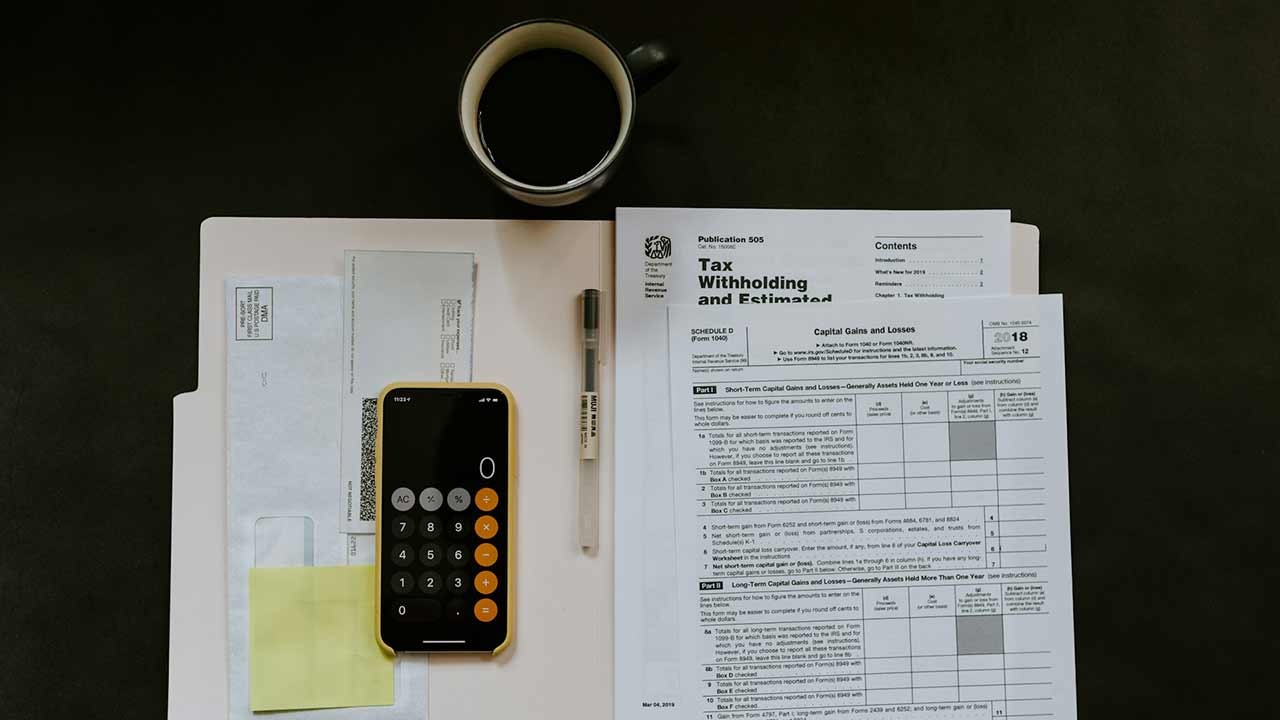
Understanding and utilizing tax benefits can significantly enhance your retirement savings. Tax-advantaged accounts, like Roth IRAs, allow for tax-free withdrawals in retirement, while Health Savings Accounts (HSAs) offer tax-deductible contributions and tax-free growth. Additionally, investigate tax credits and deductions that you’re eligible for, such as those related to energy-efficient home improvements or charitable donations.
Being proactive with tax planning can maximize your retirement income and reduce your tax liability, allowing you to retain more of your hard-earned money.
6. Delay Social Security Benefits

Delaying the receipt of Social Security benefits can result in higher monthly payments once you begin to collect. If you can afford to wait until full retirement age or even longer, your benefits could increase significantly. This strategy requires careful planning and consideration of your overall financial picture, including existing savings and other sources of income.
The Social Security Administration website provides tools and calculators to help you estimate your benefits and determine the best time to start receiving them.
7. Invest in Dividend Stocks

Investing in dividend stocks is a reliable way to generate income during retirement without selling your home. Dividend-paying stocks provide regular payouts, which can be reinvested or used as income. Look for companies with a strong track record of paying and increasing dividends over time. Diversifying your portfolio with a mix of dividend stocks can help mitigate risk and ensure a steady income flow.
For more on building a dividend stock portfolio, consider exploring resources like this book on financial planning.
8. Explore Part-Time Work

Working part-time during retirement can provide additional income and help you stay active and engaged. Look for opportunities that align with your skills and interests, whether it’s consulting, freelancing, or working in a field you’re passionate about. A part-time job can also provide social benefits and a sense of purpose, which are important for overall well-being in retirement.
Make sure to balance work with leisure to fully enjoy your retirement years while maintaining financial security.
9. Consider Reverse Mortgage Alternatives

Reverse mortgages are a popular option for seniors looking to tap into their home equity, but they aren’t the only choice. Alternatives such as home equity loans or lines of credit may offer lower fees and greater flexibility. These options allow you to access your home’s value without selling it, providing additional funds to support your retirement lifestyle.
Be sure to compare the terms and conditions of each option to find the best fit for your financial situation.
10. Optimize Healthcare Costs

Healthcare expenses can be a significant burden during retirement, making it crucial to optimize these costs. Consider enrolling in a Medicare Advantage plan or supplemental insurance to cover gaps in Medicare coverage. Additionally, review your current healthcare plan annually to ensure it meets your needs and budget. Look for discounts on prescriptions and consider using generic medications to save money.
For more creative ways to manage retirement expenses, including healthcare costs, visit Boldin’s retirement resources.

Nathaniel Cross focuses on retirement planning, employer benefits, and long-term income security. His writing covers pensions, social programs, investment vehicles, and strategies designed to protect financial independence later in life. At The Daily Overview, Nathaniel provides practical insight to help readers plan with confidence and foresight.

