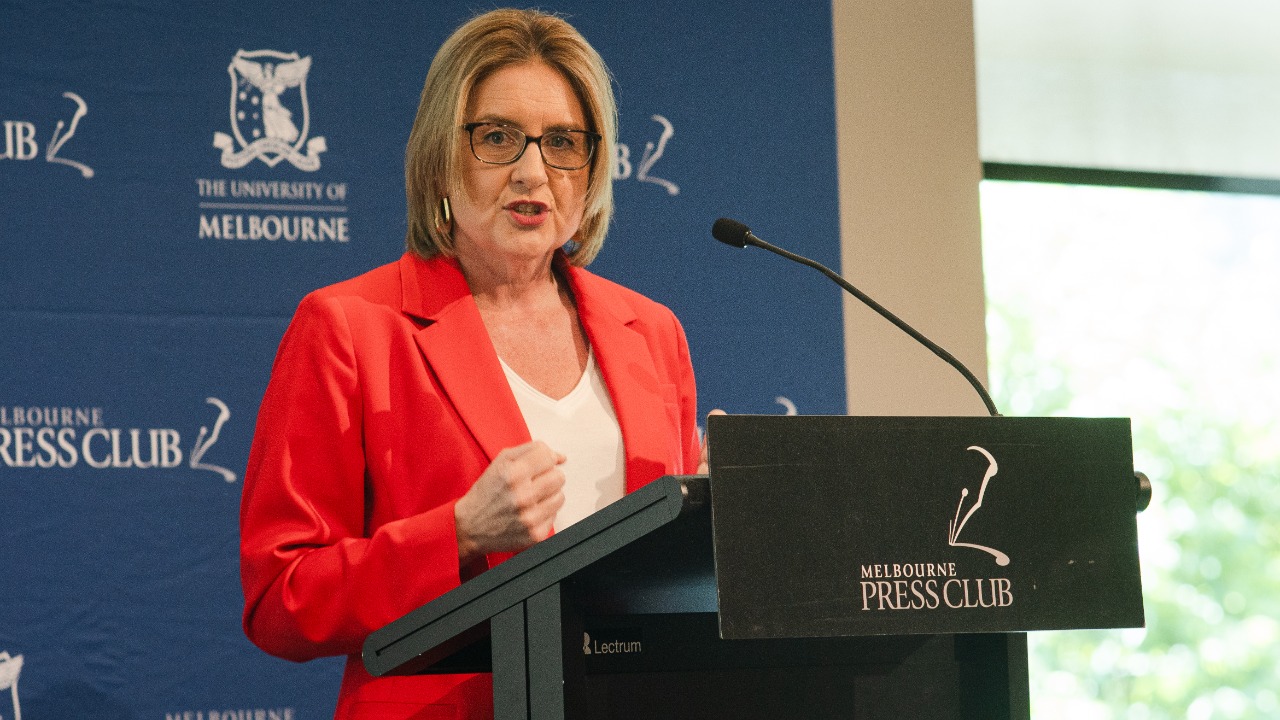
Victoria is preparing to shed 1,000 public service roles just as workers head into the Christmas period, a decision that crystallises the Allan government’s shift from pandemic-era expansion to fiscal retrenchment. The cuts, framed as part of a multibillion-dollar budget repair effort, will reshape how the state bureaucracy is structured and who bears the pain of savings.
As Premier Jacinta Allan moves to convince voters that a leaner public sector can still deliver frontline services, thousands of families are confronting the prospect of redundancy meetings instead of end-of-year parties. I see this as a defining test of whether a government that grew the state workforce in a crisis can now unwind it without hollowing out the services Victorians rely on most.
The brutal timing and scale of the job losses
The headline figure is stark: the Victorian government is preparing to cut 1,000 public service jobs, a number large enough to ripple through entire departments and regional hubs. The decision lands just days before Christmas, turning what is usually a period of workplace wind-down into a scramble for clarity about who will still have a job in the new year, and who will be packing up their desks instead.
Reports have described the looming redundancies as a “Bloodbath” for public servants, with 1,000 roles to be axed under Premier Jacinta Allan’s cost-cutting drive in the lead-up to Christmas. The language reflects more than media hyperbole, it captures the shock among staff who had expected gradual attrition, not a concentrated wave of departures at the end of the year.
How the Allan government is justifying the cuts
Premier Jacinta Allan is pitching the downsizing as a necessary correction after years of rapid growth in the bureaucracy and mounting state debt. Her argument is that the public service has become “top-heavy”, with too many senior roles and duplicated functions, and that taxpayers expect the same restraint from government that they are applying to their own household budgets.
In public comments, the Premier has acknowledged that the state workforce has swelled, while insisting that the government will not cut as deeply as some critics demand, because core services still need to be delivered. She has described the bureaucracy as “top-heavy” and linked the job losses to a broader effort to rein in spending without undermining hospitals, schools and transport, a balancing act that will define how voters judge her economic stewardship.
The Helen Silver review and the $4 billion savings target
Behind the headline job cuts sits a formal review of public sector spending led by Helen Silver, a former senior bureaucrat tasked with finding structural savings. The Allan government has signalled that this review is not a cosmetic exercise but a blueprint for reshaping the machinery of government, with the 1,000 job losses only one part of a much larger savings program.
The review is tied to a plan to claw back around $4 billion from the state budget, with the Premier presenting it as a disciplined response to rising interest costs and revenue pressures. According to reporting on the Helen Silver review, the government has made clear that the roles to go will be concentrated in back-office and administrative areas, and that the recommendations are intended to reshape the sector rather than simply trim at the edges.
Where the axe will fall inside the Victorian bureaucracy
The government has been at pains to stress that frontline workers, particularly in health, education and emergency services, will be shielded as much as possible from the cuts. Instead, the focus is on executives and corporate staff, with a strong signal that senior management layers will be thinned and some agencies merged or restructured to eliminate overlap.
Details emerging from the cost-cutting package indicate that Victorian agencies will be consolidated, with several entities merged and hundreds of roles scrapped to deliver savings that are expected to reach about $113 million in some areas. Executives are explicitly in the frame, with the government signalling that senior positions will be cut or reclassified as part of the restructure.
From pandemic expansion to a ‘top-heavy’ public service
The current contraction cannot be understood without looking back at how quickly the Victorian public service expanded during the pandemic years. The state relied heavily on public servants to design and deliver emergency programs, manage health orders and support economic relief, and the workforce grew accordingly, particularly in policy, coordination and executive roles.
That growth has now become a political liability, with critics pointing to rising wage costs and a surge in higher-paid positions. Reporting by Callum Godde notes that executive positions have climbed sharply, with some categories of senior roles up by figures as high as 50 per cent, feeding the perception that the bureaucracy has become bloated at the top while frontline staff remain under pressure.
The budget rescue plan and S&P Global’s warning
The 1,000 job cuts sit within a broader $4 billion budget rescue plan that is as much about reassuring financial markets as it is about domestic politics. Victoria’s debt trajectory has drawn scrutiny from ratings agencies, and the Allan government is under pressure to show that it can bend the curve without resorting to blunt tax hikes that would hit households already struggling with higher living costs.
S&P Global has already flagged concerns that the state’s budget plan may fall short, warning that the path to savings and debt stabilisation remains opaque. Coverage of the $4 billion rescue plan highlights that while the 1,000 job cuts are concrete, many of the other measures are still loosely defined, leaving questions about whether the government can deliver the full savings without further rounds of reductions.
Victorian families, cost-of-living pain and political risk
Premier Jacinta Allan has framed the cuts as an act of solidarity with households, arguing that if Victorian families are tightening their belts, the state must do the same. That message is designed to resonate with voters who have watched interest rates climb and grocery bills rise, but it is a hard sell to those who now face redundancy just as school holidays and summer expenses hit.
In announcing the savings drive, the government has stressed that Victoria will slash 1000 public sector jobs as part of a massive budget repair package, with recommendations from the review to be implemented immediately. Politically, that immediacy cuts both ways, it shows decisiveness, but it also concentrates the pain in a single, highly visible moment that opponents can brand as heartless and unions can mobilise against.
What the Helen Silver review means for long-term reform
Beyond the immediate redundancies, the Helen Silver review is intended to set the template for how the Victorian public service operates over the next decade. The emphasis is on consolidating functions, reducing duplication and clarifying which roles genuinely add value to service delivery, rather than simply adding layers of process and oversight.
Reporting on the review’s scope makes clear that it is not limited to headcount, but also to how departments are structured and how decisions are made. The government has indicated that the roles to go will reshape the sector, with the expectation that a leaner, more integrated bureaucracy will emerge, even if the transition is painful for those caught in the middle.
Public backlash, union pressure and what happens next
The reaction from public sector unions and affected workers has been predictably fierce, with accusations that the Allan government is acting like a “Christmas grinch” by announcing job losses at the end of the year while senior wages continue to climb. For many staff, the timing feels like a betrayal after years of intense workloads through the pandemic and its aftermath.
As the cuts roll out, the government will face sustained pressure to prove that it is not simply hollowing out capacity to satisfy ratings agencies and budget spreadsheets. Critics will point to the description of the public service as “top-heavy” under Premier Jacinta Allan and demand evidence that executives, not just rank-and-file staff, are bearing the brunt. The next year will reveal whether the promised efficiencies materialise in better services and a more sustainable budget, or whether the pre-Christmas cull becomes a symbol of short-sighted austerity.
More From TheDailyOverview
- Tennessee loses $2.6B megafactory and faces major layoffs
- Retired But Want To Work? Try These 18 Jobs for Seniors That Pay Weekly
- What to do with your pennies after the U.S. stops minting them
- Home Depot CEO warns of a troubling customer trend in stores

Grant Mercer covers market dynamics, business trends, and the economic forces driving growth across industries. His analysis connects macro movements with real-world implications for investors, entrepreneurs, and professionals. Through his work at The Daily Overview, Grant helps readers understand how markets function and where opportunities may emerge.