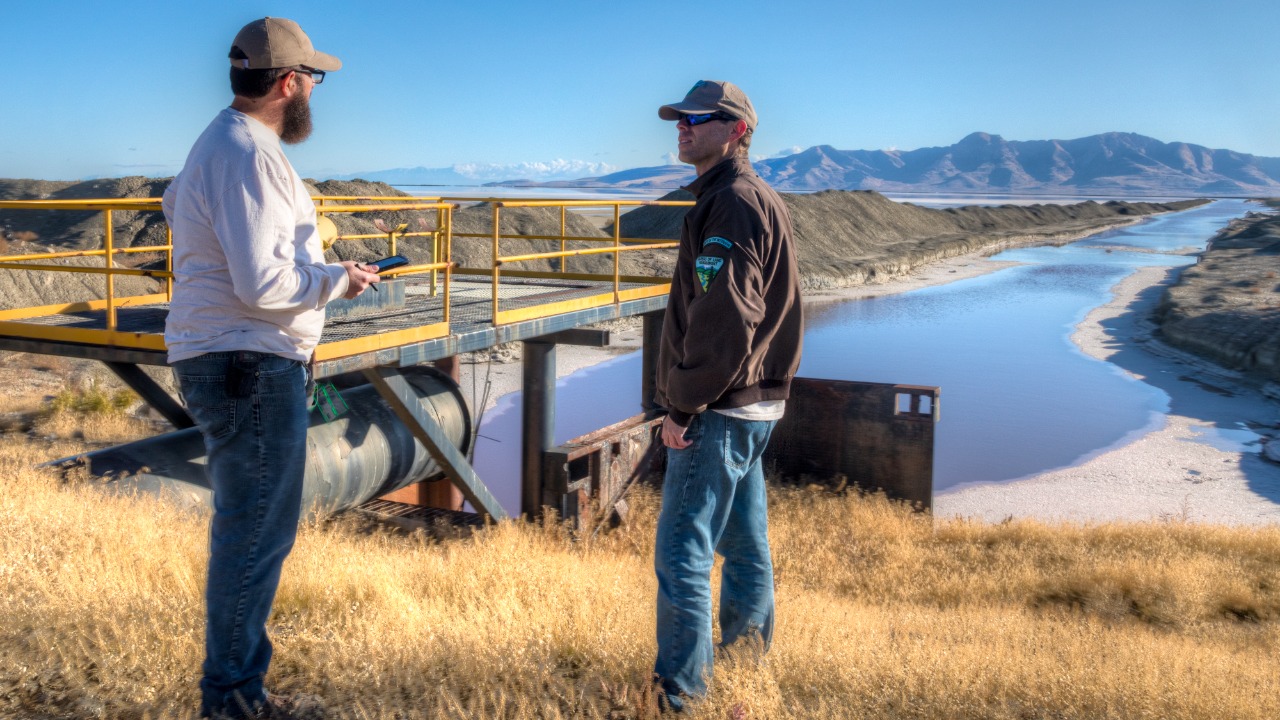
The collapse of the country’s largest magnesium producer has turned a long‑running pollution problem on the edge of the Great Salt Lake into a nine‑figure public liability. What had been treated for years as the cost of doing business is now a projected $100 m Superfund‑scale cleanup that will fall largely on taxpayers after the plant’s bankruptcy. I see the Utah case as a warning about how fragile the “polluter pays” principle becomes once a heavily contaminated facility runs out of cash.
The Utah magnesium giant that ran out of road
For decades, a sprawling magnesium operation on the shores of Utah turned brine from the Great Salt Lake into lightweight metal for cars, planes, and consumer goods. The plant’s owner, US Magnesium LLC, grew into what was widely described as the country’s biggest producer of primary magnesium, but it did so while generating vast ponds of toxic waste and air emissions that regulators repeatedly flagged as a threat to nearby communities and wildlife. When the company finally hit the financial wall, the environmental tab it left behind was not a surprise to anyone who had watched the site’s history, only the scale of the bill and who would be stuck paying it.
Earlier this year, US Magnesium LLC, once North America’s largest producer of primary magnesium, sought Chapter 11 protection after a series of plant failures and operational breakdowns. Court filings described how repeated equipment problems at the Utah facility ground production to a halt, cutting off the cash flow that had long funded both operations and piecemeal environmental controls. By the time the company entered bankruptcy, it was already facing stacks of unpaid bills and looming demands from regulators to address decades of contamination.
A $100 million cleanup and a broken “polluter pays” promise
Regulators now estimate that fully addressing the contamination at the magnesium complex will cost well over $100 million, a figure that dwarfs anything the bankrupt estate is likely to contribute. The EPA told The Salt Lake Tribune that the cleanup price tag alone would exceed $100 m, a number that reflects not only the visible waste ponds but also the buried sludge, contaminated groundwater, and airborne pollutants that have accumulated over years of production. In practical terms, that means the Superfund program and, by extension, taxpayers are poised to shoulder the lion’s share of the work that should have been financed by the company’s profits.
The Utah case has already been framed nationally as a test of who ultimately pays to clean up a $100M mess when a major industrial player collapses. One widely shared analysis described how The Country, Biggest Magnesium Producer Went Bankrupt, Who, Going, Clean Up the $100 liability that now hangs over the Great Salt Lake region, underscoring how thin the financial backstop was once the company’s balance sheet cracked. The EPA’s own estimate that the site will require “well over” $100 million to remediate, paired with the reality that the bankruptcy estate has limited assets, exposes a structural gap between the legal ideal of corporate responsibility and the fiscal reality of complex cleanups.
How a single plant became a national Superfund cautionary tale
What is happening in Utah is not just a local industrial story, it is a case study in how environmental risk migrates from private ledgers to public budgets. The magnesium facility’s location on the Great Salt Lake, a critical ecosystem already stressed by drought and salinity changes, magnifies the stakes of any toxic release or long‑term seepage. Environmental advocates have pointed out that the plant’s waste streams threaten migratory birds, brine shrimp, and the broader web of life that depends on the lake, turning what might look like a single‑company problem into a regional ecological crisis once the cleanup is delayed or underfunded.
Groups tracking global pollution hotspots have highlighted the Utah magnesium complex as a vivid example of Who, Magnesium, Utah intersect in a way that leaves communities exposed when corporate finances falter. By the time US Magnesium’s financial troubles became public, the site had already accumulated years of regulatory scrutiny and community concern, yet there was no robust financial assurance mechanism in place to guarantee that remediation would proceed even if the company failed. That gap is precisely what the Superfund program was designed to fill, but it also means that when the polluter cannot pay, the public effectively becomes the insurer of last resort.
Superfund under strain as costs rise and budgets tighten
The Utah cleanup is landing on a federal program that has already been stretched thin by decades of mounting obligations and political fights over funding. The Superfund system was created to ensure that the most contaminated industrial sites in the country are identified, contained, and eventually remediated, but its trust fund has repeatedly been raided or allowed to dwindle. When President Trump proposed cutting the program’s budget by roughly 30 percent, critics warned that such reductions would slow or halt work at sites that were already classified as among the nation’s most dangerous. All three sites in one widely cited example were so contaminated with toxic substances and posed such a threat to public health that they were designated for priority action, yet even those projects were vulnerable to shifting budget priorities.
Environmental policy experts have argued that Cleaning Up the Nation, Worst Toxic Sites Threatened, Proposed Budget Cuts The Superfund illustrates how fragile the program has become just as complex, high‑cost cases like the Utah magnesium plant are coming due. The Superfund program, started in 1980, is supposed to protect communities from hazardous waste, secure contaminated land and water, and respond to environmental emergencies, but it can only do that if it has predictable funding and strong enforcement tools. When a single site can require well over $100 million in spending, a wave of similar bankruptcies or legacy pollution discoveries could quickly overwhelm a program that is already juggling hundreds of active cleanups.
What taxpayers are really buying with a $100M rescue
As a taxpayer, I see the Utah magnesium cleanup as both a financial burden and a form of long‑overdue insurance against even greater harm. Leaving toxic waste in place near the Great Salt Lake would invite slow‑motion disasters, from contaminated groundwater to airborne dust laced with heavy metals, each of which would carry its own health and economic costs. The $100 m figure is staggering, but it also reflects the price of decades of underpriced pollution, deferred maintenance, and regulatory compromises that allowed the plant to operate without fully internalizing its environmental footprint.
The uncomfortable truth is that the public is now paying to stabilize a situation that should never have been allowed to deteriorate this far. Earlier coverage of the Utah case noted that The EPA told The Salt Lake Tribune the cleanup will take “well over” $100 million and that the company already had stacks of unpaid bills when it entered bankruptcy, a combination that left regulators with little choice but to lean on Superfund authority. I read that as a call for stronger up‑front safeguards, from mandatory cleanup bonds to more aggressive oversight of high‑risk facilities, so that the next time a major industrial player falters, taxpayers are not again left to clean up the $100 mess after the fact.
More From TheDailyOverview

Grant Mercer covers market dynamics, business trends, and the economic forces driving growth across industries. His analysis connects macro movements with real-world implications for investors, entrepreneurs, and professionals. Through his work at The Daily Overview, Grant helps readers understand how markets function and where opportunities may emerge.

