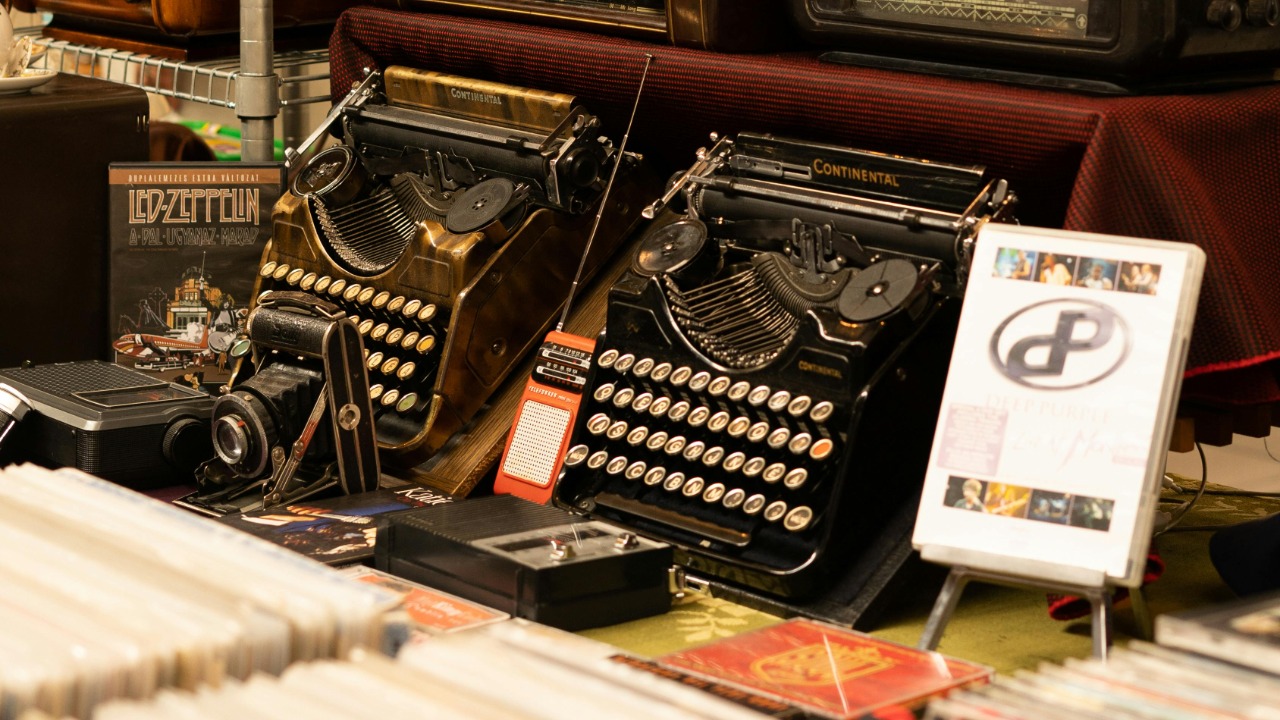
Across thrift stores, estate sales and even literal junkyards, millennials are quietly rescuing boomer castoffs that once looked destined for the dump and turning them into status objects, creative tools and side hustles. From vinyl records to Fiesta dinnerware, the same items some parents and grandparents tossed are now being cleaned, restored and resold by younger buyers who prize durability, color and analog charm. I look at 11 of the most surprising boomer-era discards that millennials are hauling out of landfills and back into daily life.
1) Vinyl Records Revival
Vinyl records are the clearest proof that boomer castoffs can become millennial gold. According to a recent industry report, vinyl album sales in the U.S. hit a record 43 million units in 2022, up 14% from 2021, with millennials and Gen Z accounting for 52% of buyers. That surge is not coming from pristine audiophile shops alone, it is also fueled by younger collectors digging through boxes of unwanted LPs at estate sales, flea markets and donation centers where boomer households offloaded entire shelves of records when they switched to CDs or streaming.
For millennials, the appeal is partly about sound and partly about ritual. Dropping a needle on a rescued copy of Fleetwood Mac or Marvin Gaye offers a tactile listening experience that playlists cannot match, and the large-format artwork turns a once-forgotten record into wall-worthy decor. The broader stakes are environmental and economic, since every salvaged LP kept in circulation is one less piece of plastic in a landfill and one more asset in a thriving resale ecosystem of turntables, sleeves and storage crates that supports small shops and online sellers.
2) Mid-Century Modern Furniture
Mid-century modern furniture, especially 1950s-1960s Danish teak, has become a prime target for millennials combing through boomer-era basements and curb piles. Reporting on the resale market shows that millennials are driving a 25% increase in sales of 1950s-1960s Danish teak furniture from landfills and estate sales, with pieces like Eames chairs reselling for $500-$2,000 on Etsy. What older owners once saw as dated or bulky, younger buyers now recognize as solid wood, clean-lined design that fits seamlessly into small apartments and Instagram-friendly living rooms.
The trend dovetails with a broader movement toward Boomer Discards Millennials Are Rescuing From Dumpsters, where Solid, Wood Dressers and Mid-century coffee tables are prized for their longevity compared with flat-pack alternatives. By salvaging these teak credenzas and lounge chairs instead of buying new particleboard, millennials are effectively extending the life of furniture that was built to last, reducing demand for resource-intensive manufacturing and turning once-abandoned heirlooms into appreciating assets that can anchor a room and a resale listing at the same time.
3) Analog Film Cameras
Analog film cameras, especially 35mm models, are another boomer-era technology that millennials are pulling from thrift-store bins and family closets. Industry data shows that sales of 35mm film cameras surged 40% in 2021-2022 among 25-40-year-olds, with Polaroid and Leica models pulled from thrift stores fetching $100-$500. Many of these cameras were boxed up when digital point-and-shoots arrived, then left to gather dust until a younger generation started hunting for mechanical shutters and glass lenses that still work decades later.
For millennial photographers, the draw is the slower, more intentional process of loading film, composing a shot and waiting for development, a counterweight to smartphone snapshots. That patience has economic consequences, since rising demand for film, processing labs and camera repair shops is reviving niche services that had nearly disappeared. It also keeps precision-made equipment in circulation instead of in e-waste streams, proving that a well-maintained SLR or instant camera can outlast multiple generations of digital hardware while giving younger creators a distinct aesthetic that stands out on platforms like Instagram and TikTok.
4) Manual Typewriters
Manual typewriters, once standard in boomer offices, are now being rescued and restored by millennials who want a distraction-free way to write. Recent coverage notes that Vintage Underwood and Royal typewriters from the 1960s-1970s are being restored by millennials, with eBay sales up 30% in 2023, averaging $150 per unit. Many of these machines were headed for the trash when offices digitized, but younger buyers now see them as both functional tools and sculptural objects that can sit proudly on a desk.
Advocates of analog writing point out that Manual, Typewriters do not require batteries like a laptop, so every revived machine is another component kept out of landfills and off the power grid. For writers and students, the stakes are creative as well as environmental, since the clack of keys and the permanence of ink on paper encourage focus in a way that tab-filled browsers do not. The growing market for ribbons, repair services and custom-painted housings shows how a supposedly obsolete office tool has become a centerpiece of a broader analog revival that values longevity over constant upgrades.
5) Pyrex Cookware Collectibles
Vintage cookware, especially Corning Pyrex from the 1970s, has gone from everyday boomer kitchenware to millennial collectible. Reporting on the trend notes that Corning Pyrex dishes from the 1970s are collected by millennials for their durability, with rare patterns selling for $50-$300 on eBay, up 50% since 2020. Many of these casserole dishes and mixing bowls were donated or tossed when newer nonstick lines arrived, yet younger cooks now scour thrift shelves for the same sturdy glass stamped with daisies, snowflakes and bold stripes.
The appeal is practical as much as nostalgic, since thick glass that can move from freezer to oven fits neatly into modern batch-cooking habits. Broader coverage of Vintage Pyrex and other kitchenware shows how millennials see these pieces as “refusing to die,” outlasting cheaper contemporary bakeware that chips or warps. By rescuing and reusing these dishes, younger households cut down on disposable foil pans and low-quality cookware, while collectors turn once-ignored cabinet clutter into curated displays and profitable resale sets that highlight the value of mid-century manufacturing.
6) Cassette Tape Comeback
Cassette tapes, long dismissed as obsolete, are spinning back into relevance for millennials who grew up on CDs and MP3s but remember the intimacy of a mixtape. A recent industry snapshot shows that cassette tape sales reached 20,000 units in the UK in 2022, a 50% rise, led by millennial nostalgia for mixtapes from artists like Taylor Swift. While new releases play a role, a significant share of the culture around cassettes involves rescuing old tapes from boxes in garages, charity shops and library clear-outs where boomer collections once seemed unsellable.
For younger listeners, the format’s limitations are part of the charm, from the hiss of the tape to the physical act of flipping sides or rewinding with a pencil. That ritual has broader implications for how music is valued, encouraging full-album listening instead of skipping through algorithms. The renewed interest also keeps plastic shells and magnetic tape in use rather than in landfills, while supporting a niche economy of refurbished Walkmans, boom boxes and tape decks that millennials buy, repair and trade alongside their analog collections of vinyl and film cameras.
7) Rotary Dial Telephones
Rotary dial telephones, especially 1950s-1970s Western Electric models, are another boomer staple that millennials are reclaiming as both decor and conversation pieces. Recent market data shows that restored 1950s-1970s Western Electric rotary phones are popular with millennials for aesthetic home decor, with sales on Chairish up 35% in 2023, priced at $75-$250. Many of these heavy desk and wall phones were ripped out when cordless handsets and smartphones arrived, then left in boxes or tossed, only to be rediscovered by younger renters and homeowners who want a tactile object that anchors a room.
The nostalgia factor is strong for those who remember growing up with dial tones and busy signals, a sentiment echoed in viral clips like Millennials Who Grew Up with Dial Up and Rotary Phones, where people recall the challenges and joys of pre-smartphone communication. Beyond aesthetics, the revival hints at a quiet backlash against always-on connectivity, since some buyers actually plug these phones into landlines or adapters to create a single-purpose device for focused calls. Keeping these rugged machines in service reduces electronic waste and underscores how analog hardware from the boomer era can be reimagined as both functional tech and sculptural design.
8) Vintage Board Games
Vintage board games from the 1960s-1970s, including classics like Risk and Clue, are being pulled from garage sale tables and attic boxes by millennial parents eager to unplug family time. Coverage of the trend notes that classic 1960s-1970s games like Risk and Clue are being revived by millennial parents, with complete sets from garage sales reselling for $20-$100 on Facebook Marketplace. Many of these boxes, with their worn corners and retro artwork, were nearly discarded when video game consoles took over living rooms.
For younger families, the appeal lies in shared, screen-free experiences that still feel fresh because the original mechanics and artwork hold up decades later. The modest but steady resale values show how a once-forgotten copy of a strategy or mystery game can become both a teaching tool and a small asset, especially when all the pieces are intact. By rescuing these sets instead of buying new plastic-heavy editions, millennials reduce packaging waste and keep cardboard, dice and tokens in circulation, turning boomer-era entertainment into a bridge between generations around the dining table.
9) Home Movie Projectors
Home movie projectors, particularly 8mm models from the 1960s, are being salvaged by millennials who want to experiment with analog filmmaking and archival family footage. Recent reporting highlights that 8mm home movie projectors from the 1960s are salvaged by millennials for analog filmmaking, with refurbished Bell & Howell models selling for $200-$400 on Etsy. Many of these machines were left in closets after camcorders and smartphones took over, but younger creators now seek them out at estate sales and recycling centers, often alongside reels of unlabeled family films.
For filmmakers and artists, the mechanical whir of a projector and the grain of 8mm film offer a visual texture that digital filters cannot fully replicate. The stakes extend beyond aesthetics, since rescuing projectors often goes hand in hand with digitizing or re-screening boomer-era home movies that might otherwise deteriorate unseen. By keeping these devices in working order, millennials are not only diverting metal and glass from landfills, they are also preserving a slice of social history, turning forgotten vacation reels and birthday parties into source material for documentaries, installations and intimate family screenings.
10) Singer Sewing Machines
Old sewing machines, especially compact models like the Singer Featherweight, have become prized tools for millennial crafters who value repair and customization. Reporting on the trend notes that Singer Featherweight sewing machines from the 1940s-1950s are treasured by millennial crafters, with landfill rescues fetching $300-$600 after restoration. Many of these lightweight, metal-bodied machines were pushed aside when cheaper plastic models and fast fashion took over, but younger sewists now hunt for them at yard sales, donation centers and even municipal dumps.
The renewed interest aligns with a broader push toward mending, upcycling and small-batch clothing production, where a reliable straight-stitch machine can anchor a home studio. Guides on 11 boomer castoffs millennials are hauling out of landfills often highlight how these machines, once discarded, become central to side businesses making tote bags, quilts or altered vintage garments. By reviving Singer Featherweights instead of buying new plastic-heavy models, millennials reduce manufacturing demand, keep precision engineering in use and reinforce a culture of repair that pushes back against disposable fashion cycles.
11) Fiesta Ceramic Dishware
Ceramic dishware sets, especially mid-century Fiesta dinnerware, are another category where boomer discards have become millennial treasures. Recent coverage notes that Fiesta dinnerware from the 1950s-1960s, discarded by boomers, is collected by millennials for colorful table settings, with full sets valued at $100-$500 on Replacements.com. Many older households boxed up or donated these bright plates and bowls when neutral stoneware trends took over, but younger buyers now scour thrift aisles for specific hues to mix and match.
The saturated colors and sturdy construction fit neatly into social media aesthetics where a dinner table doubles as a photo backdrop, and they also support a shift away from disposable partyware. Broader guides on Vintage Pyrex, Bakeware, Mid-century ceramics and other Solid pieces show how millennials see these sets as both functional and collectible, often pairing them with rescued wood tables and glassware. By rescuing Fiesta from donation bins and curbside boxes, younger households keep high-fired ceramics in use for decades longer, turning what once looked like dated china into a colorful statement about sustainability and intergenerational design.
More From TheDailyOverview
- Tennessee loses $2.6B megafactory and faces major layoffs
- Retired But Want To Work? Try These 18 Jobs for Seniors That Pay Weekly
- What to do with your pennies after the U.S. stops minting them
- Home Depot CEO warns of a troubling customer trend in stores

Cole Whitaker focuses on the fundamentals of money management, helping readers make smarter decisions around income, spending, saving, and long-term financial stability. His writing emphasizes clarity, discipline, and practical systems that work in real life. At The Daily Overview, Cole breaks down personal finance topics into straightforward guidance readers can apply immediately.