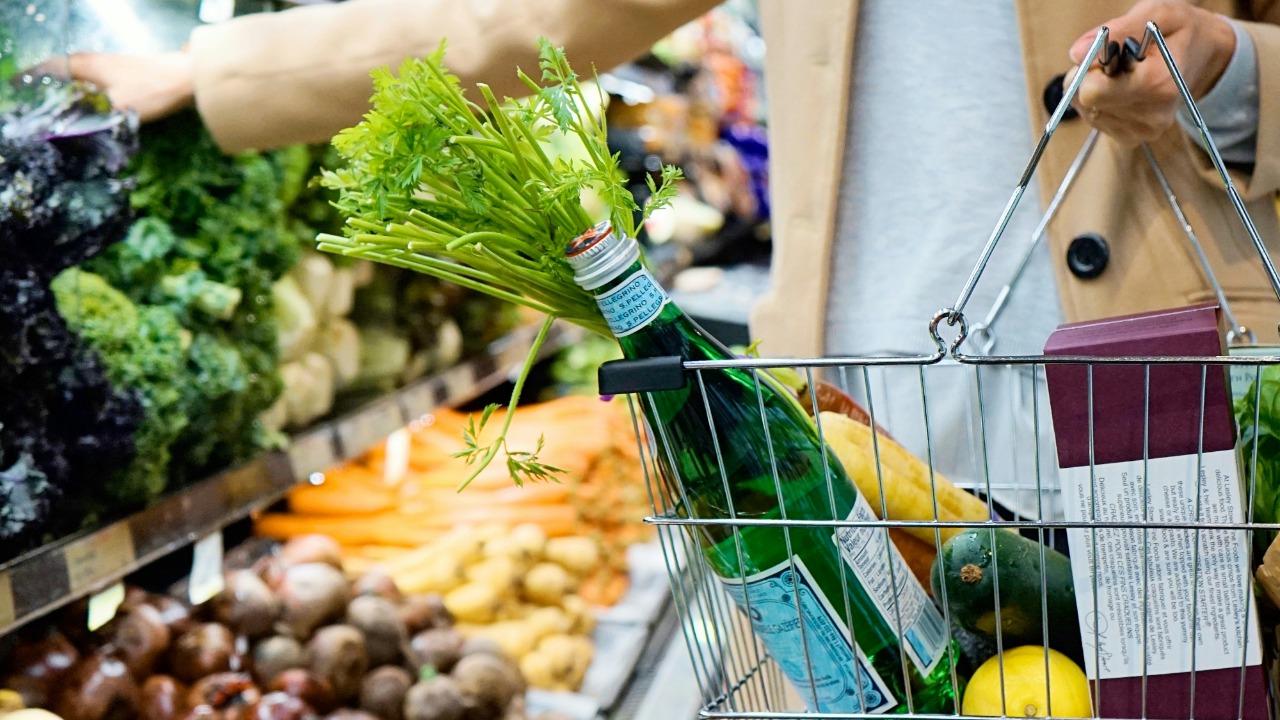
As global economic conditions shift, certain grocery items are set to see a price increase. Understanding which products are likely to become more expensive can help you plan your shopping wisely. Here’s a detailed look at 11 groceries that are expected to spike in price soon.
Avocados
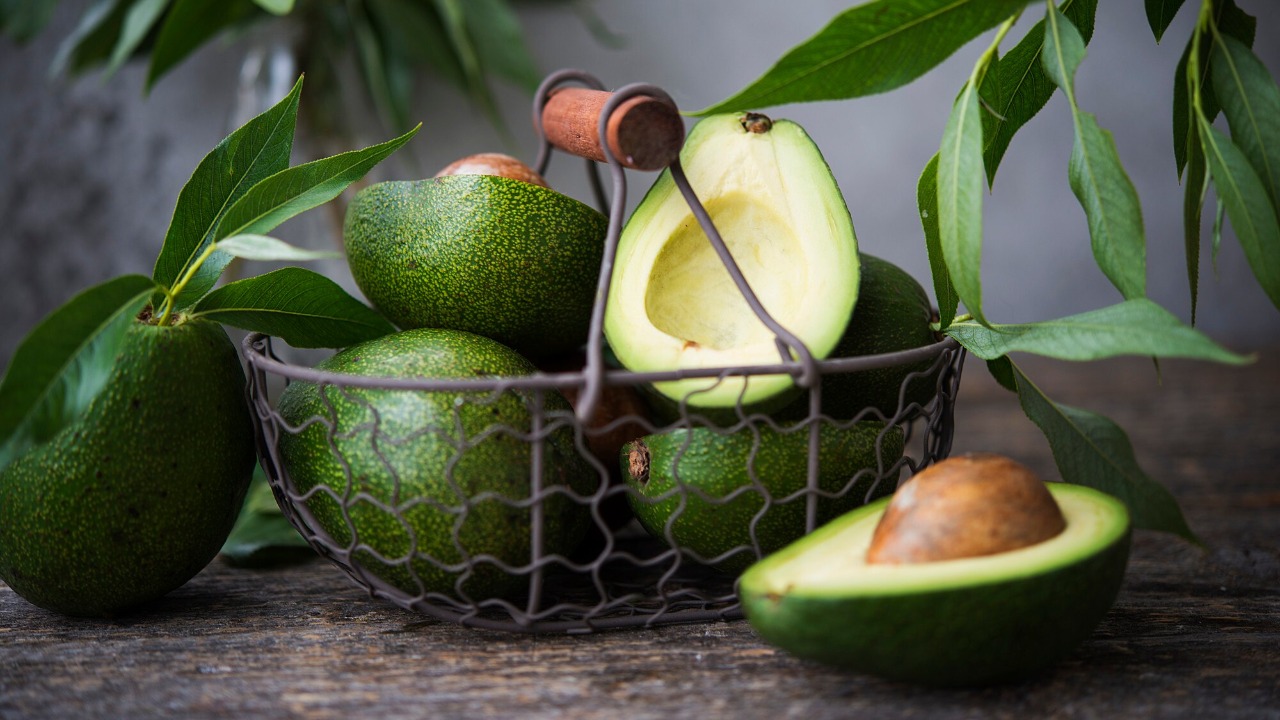
Avocados are facing a potential price hike due to unpredictable weather patterns affecting major producing regions. California, a top supplier to the U.S. market, has been experiencing drought conditions, which could impact yields. Additionally, trade policies and tariffs can further complicate the supply chain, leading to higher costs at the checkout. As a popular staple for many, the anticipated price increase might affect consumers’ purchasing decisions.
With the demand for avocados continuing to rise, especially among health-conscious individuals, the pressure on supply is mounting. Experts suggest keeping an eye on market trends and considering alternative sources of healthy fats to manage your grocery budget effectively.
Coffee Beans
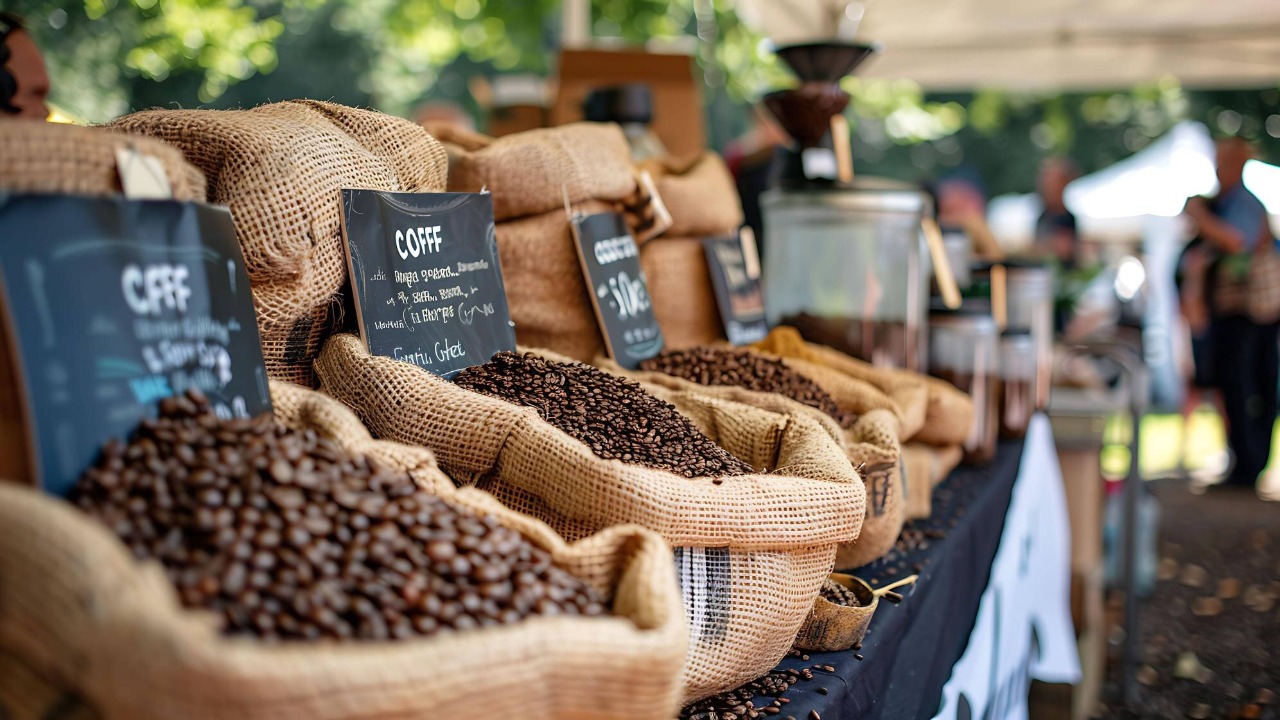
The coffee industry is no stranger to price fluctuations, and current conditions suggest we may see a rise in the cost of coffee beans. Climate change is playing a significant role, impacting coffee-growing regions with unusual weather patterns. As a result, lower yield and quality issues contribute to higher prices. For coffee enthusiasts, this means potentially paying more for their daily cup of joe.
Moreover, supply chain disruptions and increased transportation costs are adding to the price pressures. If you rely on coffee to kickstart your day, consider stocking up before prices surge. For more on coffee price trends, you can check this study on market responses.
Olive Oil
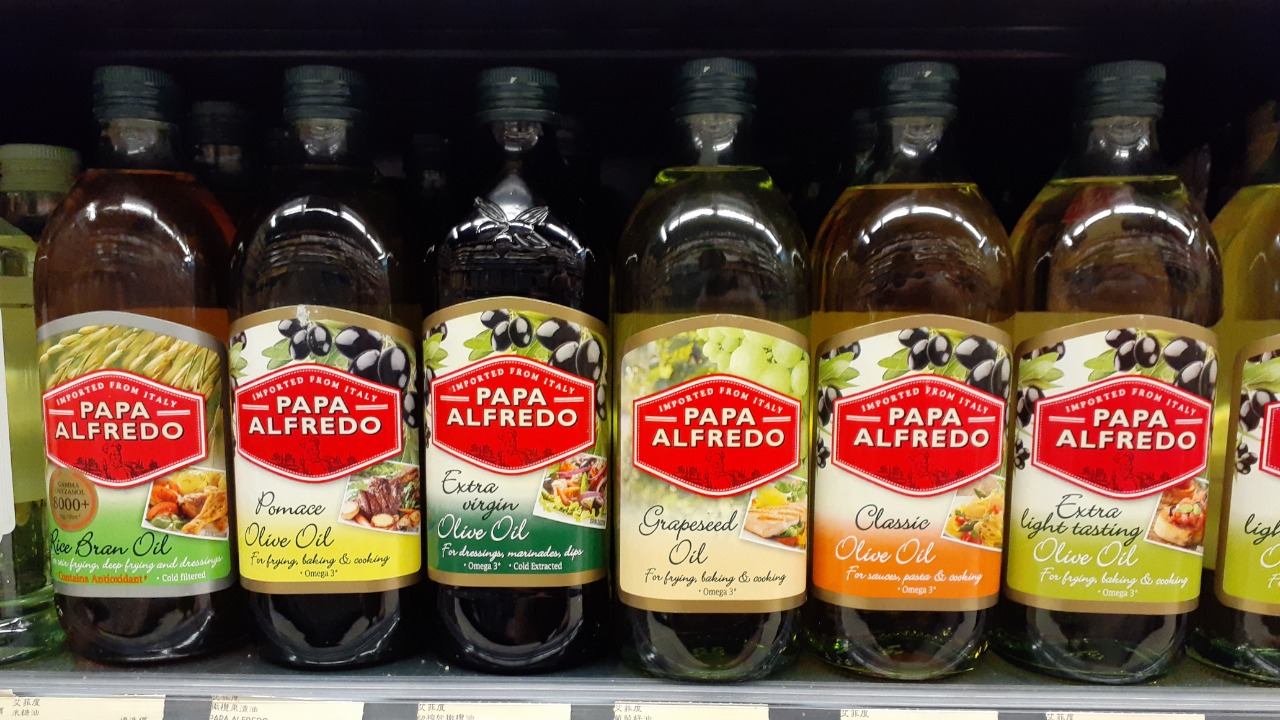
Olive oil prices are expected to rise due to several factors, including climate impact and geopolitical tensions. Mediterranean countries, key producers of olive oil, have been reporting lower production levels due to adverse weather conditions. Additionally, transportation and logistical challenges are contributing to increased costs for importing this essential kitchen staple.
For those who rely on olive oil for cooking and health benefits, it might be time to explore alternative options or stock up on your favorite brand before prices become prohibitive. It’s also a good idea to watch for sales and bulk purchase opportunities.
Wheat Flour
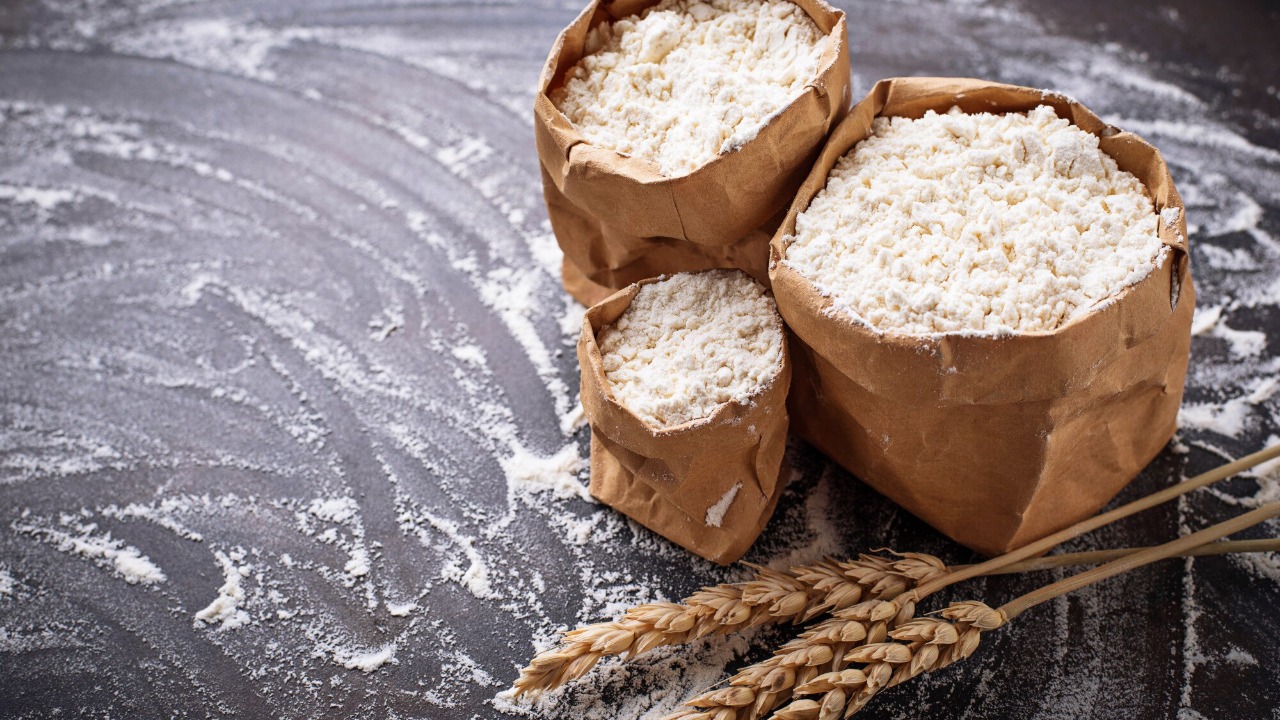
The price of wheat flour is on the rise, driven by a combination of poor harvests and increased global demand. Droughts and extreme weather conditions in key wheat-producing countries are affecting supply, leading to a domino effect on flour prices. As a fundamental ingredient in baking and cooking, any increase will likely impact various food products.
In addition to environmental factors, political and economic issues such as tariffs and trade restrictions are further complicating the wheat market. Consumers might consider purchasing in bulk or exploring alternative flours to mitigate the impact on their grocery bill. You can find more insights on grocery price trends in this discussion on Reddit.
Dairy Products
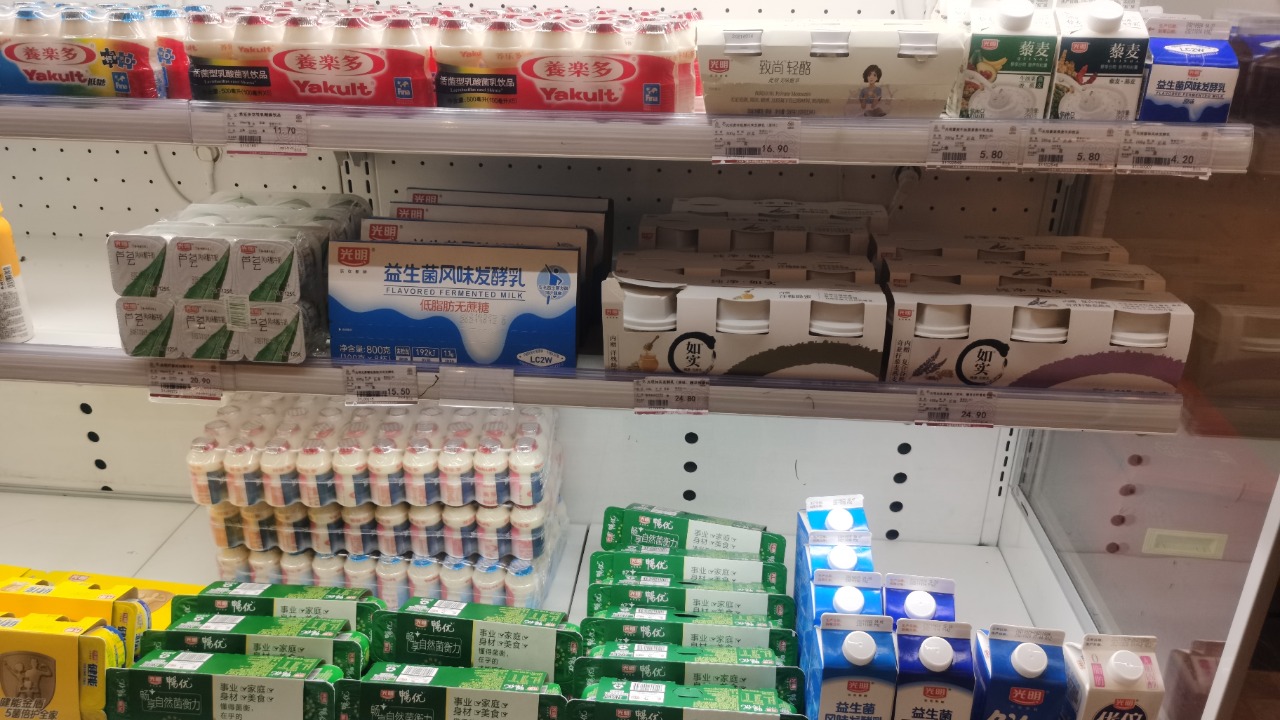
Dairy products are facing potential price increases due to rising feed costs for livestock and ongoing supply chain challenges. The dairy industry is experiencing increased production costs, which are inevitably passed on to consumers. Whether it’s milk, cheese, or yogurt, shoppers may soon see higher prices on their favorite dairy items.
As dairy is a staple in many households, it’s wise to keep an eye out for deals or consider alternative sources of calcium and protein to manage expenses. Additionally, innovations in plant-based dairy alternatives might offer some relief for those looking to diversify their options.
Eggs
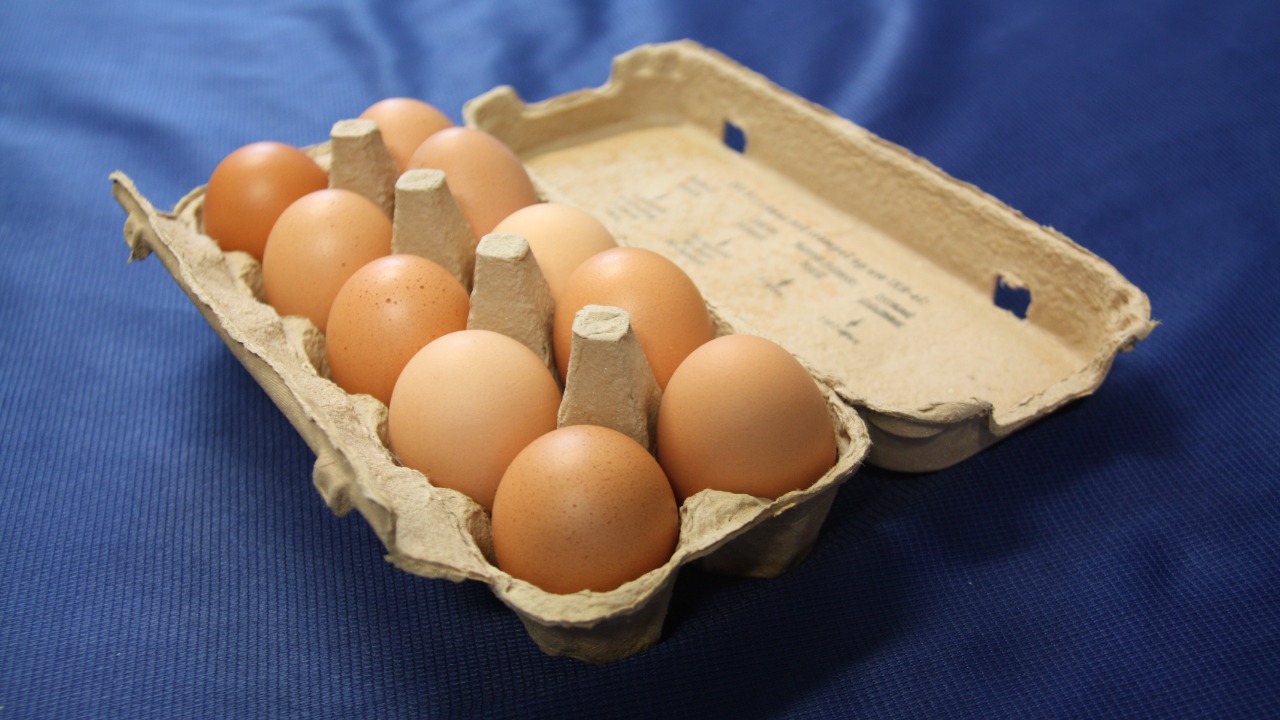
Egg prices are set to climb due to a combination of avian influenza outbreaks and increased feed costs. The poultry industry is grappling with the impact of disease on chicken populations, leading to reduced availability and higher prices for eggs. As a versatile and nutritious food, eggs are a common staple in many diets.
To cope with rising prices, consumers might consider buying in bulk, looking for local sources, or even exploring egg substitutes for baking and cooking. For more information on how tariffs might affect groceries, including eggs, you can read this ABC7 Chicago report.
Fresh Produce
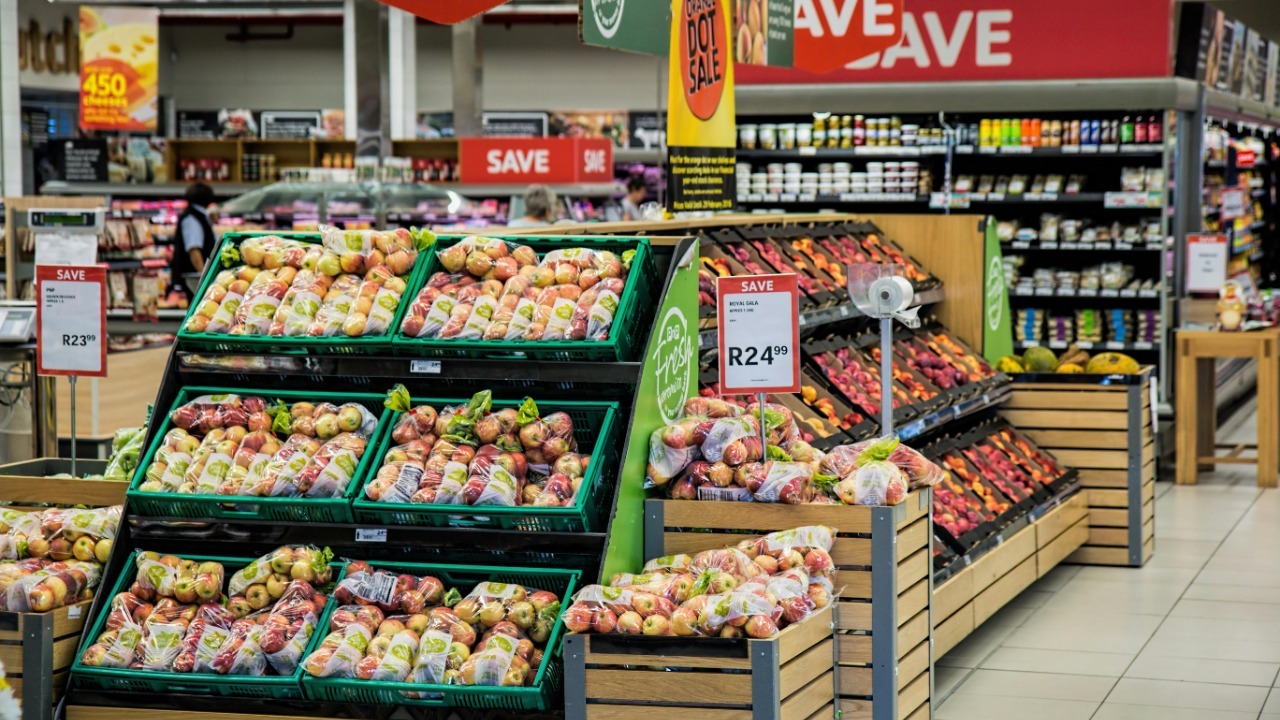
Fresh produce prices are likely to increase due to extreme weather conditions affecting crop yields. Many regions are experiencing unusual weather patterns, including droughts and floods, which are impacting the availability of fruits and vegetables. As a result, consumers may face higher prices for their favorite fresh produce items.
To manage costs, consider purchasing seasonal produce, which tends to be more affordable, or exploring local farmers’ markets for better deals. Additionally, frozen produce can be a cost-effective alternative while still offering nutritional benefits.
Meat and Poultry
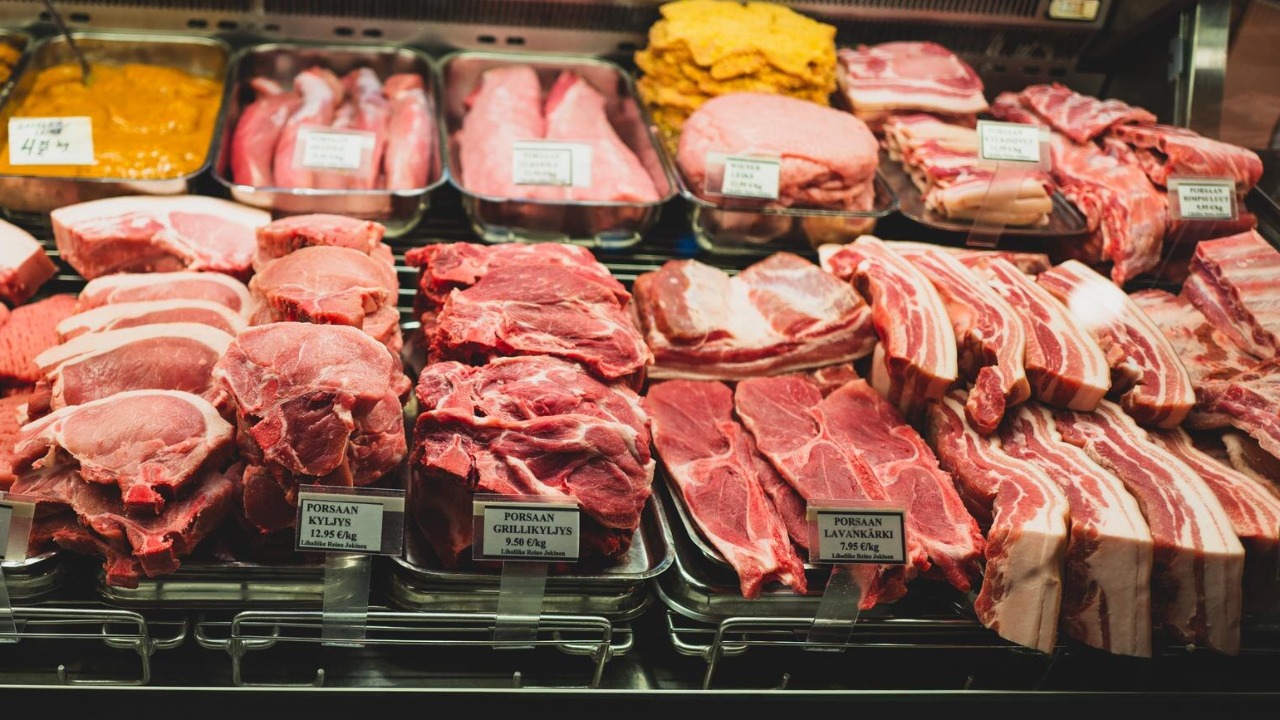
Meat and poultry prices are expected to rise due to increased feed costs and supply chain disruptions. The livestock industry is facing higher expenses for feed, which directly impacts the cost of meat products. Additionally, labor shortages and transportation challenges are contributing to price hikes.
For those who consume meat regularly, it might be beneficial to explore meatless meals or alternative protein sources to manage grocery expenses. Keeping an eye out for sales and buying in bulk when possible can also help mitigate the impact of rising prices.
Seafood
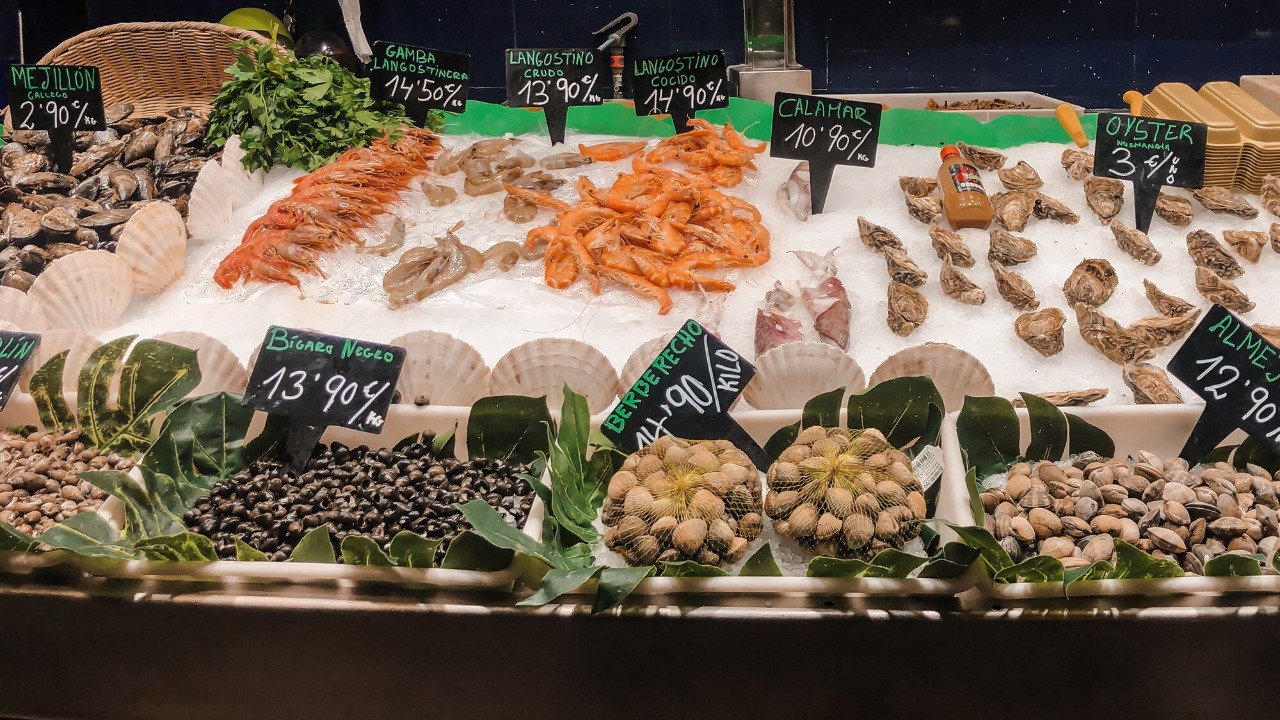
Seafood prices are predicted to go up due to overfishing, climate change, and supply chain issues. The global demand for seafood continues to rise, putting pressure on fish stocks and leading to higher prices. Additionally, transportation and logistical challenges are affecting the availability and cost of seafood.
Consumers who enjoy seafood might consider exploring sustainable options or looking for local sources to manage costs. As prices rise, diversifying protein sources could help balance the grocery budget while still enjoying a variety of meals.
Packaged Snacks
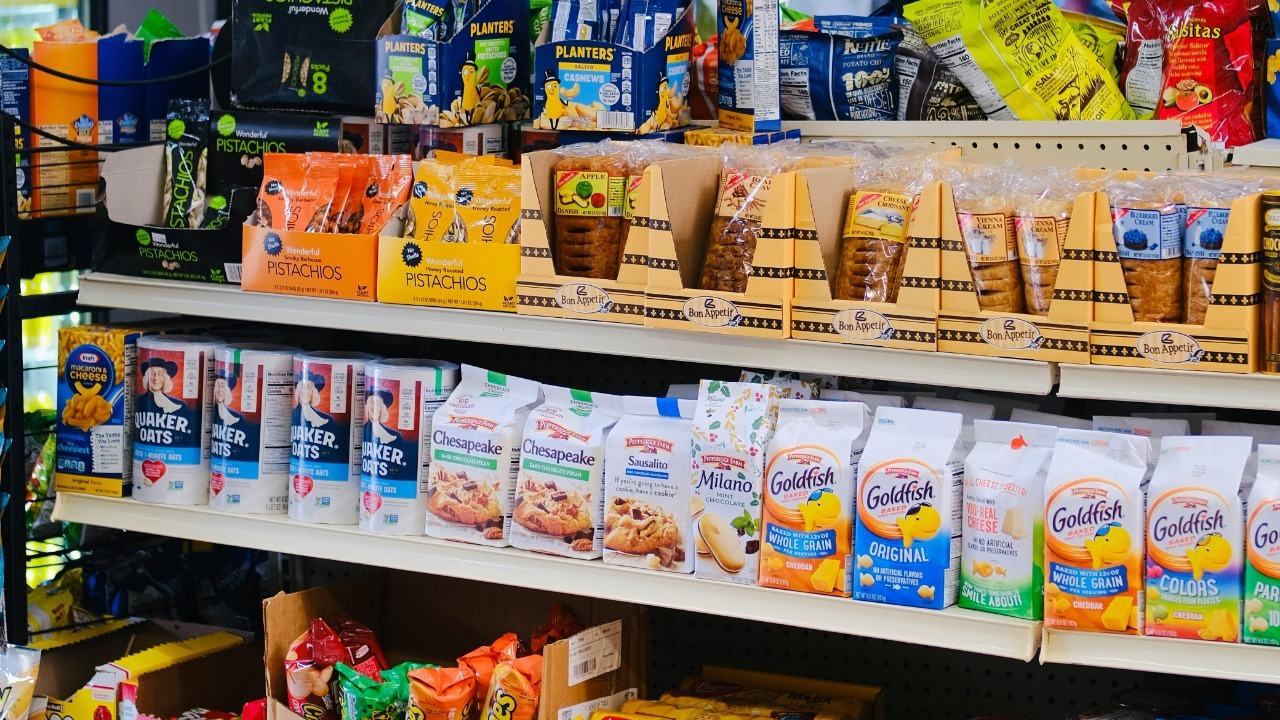
Packaged snacks are seeing price increases due to higher production costs and supply chain disruptions. Ingredients such as wheat, corn, and oils are becoming more expensive, impacting the cost of producing snacks. Additionally, packaging materials and transportation costs are adding to the overall expense.
For snack lovers, it might be worth looking for sales, buying in bulk, or even trying homemade snack recipes to keep costs in check. Understanding the factors driving snack prices can also help consumers make informed purchasing decisions.
Canned Goods
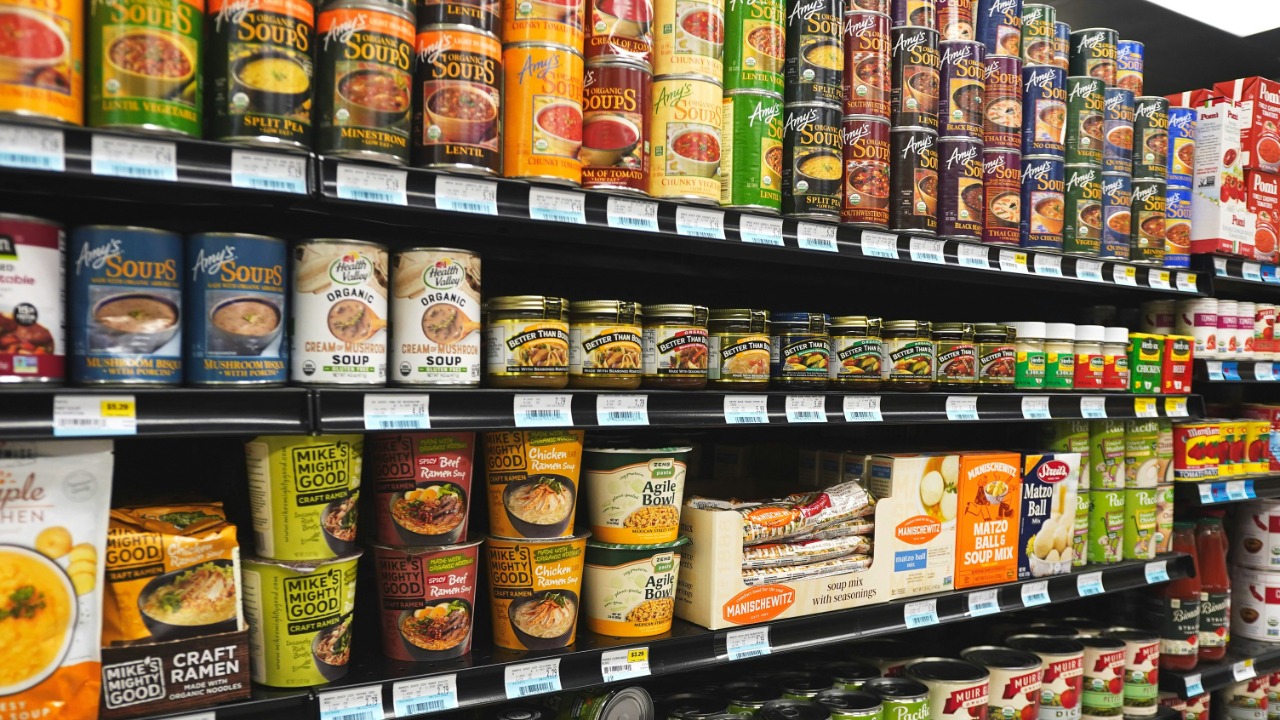
Canned goods are predicted to see a price spike due to increased costs of raw materials and transportation. The metal used for canning and the ingredients themselves are becoming more expensive, which affects the final price of canned products. As these items often serve as pantry staples, any increase can impact household grocery budgets.
Shoppers may want to consider stocking up on canned goods during sales or exploring alternative preservation methods like freezing or dehydrating to maintain a well-stocked pantry without overspending. For tips on which groceries to buy before prices jump, check out this Eat This article.

Cole Whitaker focuses on the fundamentals of money management, helping readers make smarter decisions around income, spending, saving, and long-term financial stability. His writing emphasizes clarity, discipline, and practical systems that work in real life. At The Daily Overview, Cole breaks down personal finance topics into straightforward guidance readers can apply immediately.
