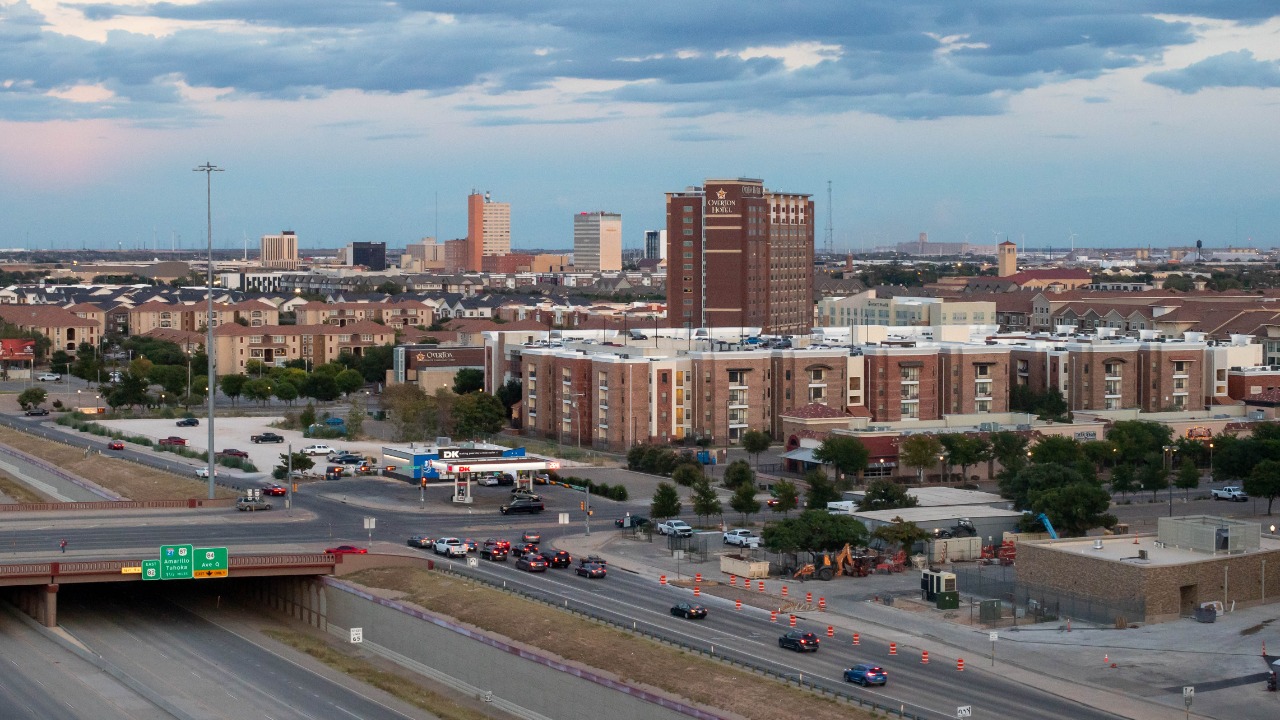
Grocery bills have become a pressure point in household budgets, but some U.S. cities still offer surprisingly low prices on everyday staples. Drawing on recent cost-of-living research, I focus here on 11 cities where supermarket totals are consistently cheaper than in much of the country, highlighting how local economies, regional supply chains and policy choices keep food costs in check.
1) Harlingen, Texas
Harlingen, Texas stands out in national cost-of-living research for having some of the lowest grocery prices in the country. In the detailed breakdown of cities with the cheapest groceries, Harlingen appears as a prime example of how a border-region market can keep staple foods affordable. The city’s position in South Texas, close to major produce routes and cross-border trade, helps supermarkets stock basics like rice, beans, tortillas and fresh vegetables at prices that undercut many larger metros. That dynamic matters for families who rely on bulk purchases and weekly supermarket runs to manage tight budgets.
Harlingen’s low grocery costs also intersect with broader affordability trends across Texas. Separate cost-of-living analysis notes that by moving to Texas, households could save up to $99.90 a month on groceries, and Harlingen fits squarely into that narrative of statewide savings. For workers in logistics, health care or education who may not see rapid wage growth, cheaper food helps offset rising costs in other categories like insurance or transportation. The city’s experience also contrasts sharply with high-cost markets such as San Diego, which has been ranked among the most expensive cities in the United States, underscoring how geography and regional policy can widen the gap between grocery bills in different parts of the country.
2) McAllen, Texas
McAllen, Texas is another South Texas city that consistently posts bargain-level grocery prices, particularly on dairy and fresh produce. In the same national ranking of affordable cities for the middle class, McAllen is singled out as a South Texas community where household budgets stretch further, a point that aligns with its inclusion among the cities with the cheapest groceries. The report notes that McAllen stands out as a South Texas city where middle-class budgets go further, and that recognition dovetails with its reputation for low-cost supermarket options. With a strong presence of regional chains and cross-border suppliers, shoppers often find milk, cheese, eggs and seasonal fruits at prices that are difficult to match in coastal or high-growth metros.
For families weighing where to live or buy a home, McAllen’s grocery affordability becomes part of a broader value equation. Housing analysts tracking the cities you will regret not buying a home in have highlighted how lower daily expenses can amplify the benefits of relatively modest mortgage payments. While McAllen is not the only market where this logic applies, its combination of inexpensive food, accessible health care and a South Texas location near major highways makes it a compelling case study. For local retailers, the pressure to keep prices low also shapes business strategy, encouraging efficient supply chains and competitive promotions that directly benefit shoppers at the checkout line.
3) Brownsville, Texas
Brownsville, Texas appears in multiple affordability rankings, and its grocery prices are a central reason why. The city’s inclusion among the 11 U.S. locations with the cheapest groceries reflects how proximity to Gulf Coast ports and cross-border trade routes helps keep meat and other protein-rich foods relatively inexpensive. Local supermarkets benefit from short transport distances for beef, poultry and seafood, which can reduce spoilage and logistics costs that often get passed on to consumers in the form of higher prices. For households that prioritize fresh meat in weekly meal planning, those savings add up quickly over the course of a year.
Brownsville’s broader cost profile reinforces that story. In a separate analysis of affordable cities in Texas for homebuyers, Brownsville tops the list, with low housing costs complementing its budget-friendly grocery scene. That combination of cheap food and accessible housing makes the city particularly attractive to first-time buyers, retirees on fixed incomes and cross-border workers who want to minimize monthly expenses. When compared with high-cost coastal metros, where residents face steep rents and premium supermarket prices, Brownsville illustrates how a border city can leverage its location to deliver tangible savings on everyday essentials without sacrificing access to fresh ingredients or diverse food options.
4) El Paso, Texas
El Paso, Texas earns its place among the cities with the cheapest groceries thanks to a dense network of competing retailers and a regional economy that rewards value-focused shopping. Large national chains, regional grocers and independent markets all operate in the city, which helps keep the average basket price for staples like bread, cereal, canned goods and cleaning supplies lower than in many other urban areas. Cost-of-living research on Texas and El Paso notes that El Paso had the lowest health care cost of living index on its list, and that same affordability mindset extends into the grocery aisle, where residents are accustomed to comparing prices and seeking out weekly specials.
For El Paso households, cheap groceries are not just a convenience but a buffer against economic volatility. When fuel prices rise or wages stagnate, the ability to keep food costs under control can determine whether families maintain savings or slip into debt. The city’s experience also contrasts with policy debates in places like Minneapolis, where the City Council has publicly toyed with a municipal-run grocery store to address food access and pricing. El Paso shows a different model, where competition among private retailers, combined with cross-border trade and a relatively low overall cost of living, helps keep supermarket totals manageable for a broad range of residents.
5) Laredo, Texas
Laredo, Texas is one of the busiest land ports in North America, and that trade intensity directly influences what shoppers pay for groceries. Its inclusion among the 11 U.S. cities with the cheapest groceries reflects how cross-border flows of produce, packaged foods and household goods can translate into lower shelf prices. Trucks carrying fruits, vegetables and processed foods through Laredo’s logistics hubs often supply local warehouses and supermarkets, shortening the distance between farm, factory and store. That proximity helps keep perishable items like tomatoes, avocados and leafy greens affordable, even when national averages are climbing.
The city’s role in regional trade also shapes how residents experience inflation. When supply chains are disrupted elsewhere, Laredo’s direct connections to producers can soften the blow, allowing retailers to maintain promotions or absorb some cost increases. At the same time, national research on cities that spend the least on groceries every month highlights how smaller communities such as Post, Texas and Castor, Louisiana keep monthly food spending low, underscoring that location and logistics matter at every scale. Laredo sits at the larger end of that spectrum, showing how a mid-sized border city can use its trade infrastructure to deliver consistently low prices on fresh goods, which is crucial for families trying to maintain healthy diets without overspending.
6) Amarillo, Texas
Amarillo, Texas combines the feel of a regional hub with the pricing advantages of a smaller market, and that balance shows up clearly in its grocery costs. In a ranking of the 15 cheapest US cities, Amarillo, Texas is cited with a Cost of living that is 15.6% below US average and a Metro population of 270,119, underscoring how far a paycheck can go there. Those figures help explain why pantry staples such as flour, pasta, canned vegetables and baking supplies are often cheaper than in larger Texas metros. With a strong agricultural presence in the surrounding Panhandle, local distributors can source grains and processed foods efficiently, keeping supermarket shelves well stocked at modest prices.
Comparative tools like the Food and Grocery Comparison between Amarillo, Texas and Lubbock show how closely analysts track these differences, using Our Premium Cost of Living Calculator to break down Food indexes and prices for meats and other categories. For residents, the stakes are straightforward: lower grocery bills free up money for housing, transportation or savings, which can be especially important for workers in sectors with variable income such as oilfield services or agriculture. Amarillo’s position on multiple affordability lists also signals to employers that the city can attract and retain workers who value a lower cost of living, reinforcing a cycle in which economical groceries are both a cause and a consequence of broader economic stability.
7) Lubbock, Texas
Lubbock, Texas is deeply rooted in agriculture, and that heritage plays a direct role in its low grocery prices, particularly for vegetables and other plant-based foods. As a major hub in the South Plains, Lubbock sits near fields that produce cotton, grains and a variety of row crops, giving local distributors and supermarkets access to regional supply at competitive rates. Its presence in the national list of cities with the cheapest groceries reflects how that agricultural base translates into lower prices for items like potatoes, onions, lettuce and seasonal produce. For students at Texas Tech University and long-time residents alike, the ability to fill a cart with fresh vegetables without straining the budget is a tangible benefit of living in a farm-adjacent city.
Cost-of-living tools that compare Lubbock and Amarillo on Food and Grocery Comparison metrics show that both cities offer relatively low prices, but Lubbock’s agricultural ties give it a particular edge on produce. That matters for public health as well as personal finance, since cheaper vegetables can encourage healthier eating patterns across income levels. When contrasted with high-cost urban centers where fresh produce is often priced as a premium item, Lubbock illustrates how aligning local agriculture with retail distribution can keep nutritious food within reach, supporting both household budgets and long-term health outcomes.
8) Memphis, Tennessee
Memphis, Tennessee brings a different regional story to the list of cities with the cheapest groceries, one shaped by Southern distribution networks and a strong culture of discount retail. As a major logistics hub on the Mississippi River, Memphis hosts warehouses and distribution centers that serve a wide swath of the Southeast, giving local supermarkets and big-box stores direct access to bulk shipments of packaged foods, beverages and household essentials. That infrastructure helps keep prices for items like cooking oil, sugar, coffee and frozen foods lower than in many coastal metros, which is a key reason Memphis appears among the 11 U.S. cities with especially cheap groceries.
The city’s affordability also intersects with national housing and migration trends. Research on cities you will regret not buying a home in emphasizes that long-term value depends not only on property prices but also on everyday costs like food. Memphis, with its combination of relatively modest home prices and low grocery bills, fits that profile of a market where early buyers can lock in a lifestyle that remains affordable over time. For local residents, the stakes are clear: cheaper groceries free up income for mortgage payments, education or small-business investment, reinforcing Memphis’s role as a regional center where working- and middle-class households can still build financial stability.
9) Oklahoma City, Oklahoma
Oklahoma City, Oklahoma brings a Midwestern sensibility to grocery pricing, with a strong emphasis on value for household essentials. Its inclusion among the 11 cities with the cheapest groceries reflects a retail landscape where warehouse clubs, discount grocers and traditional supermarkets compete aggressively on price. Shoppers in Oklahoma City often find lower-than-average costs on staples such as bread, milk, eggs, cleaning products and paper goods, which form the backbone of weekly shopping lists. That environment is shaped in part by the city’s role as a regional hub, serving surrounding rural communities that expect straightforward, budget-conscious pricing.
National analyses of where Americans spend the least on food, including research into Groceries Every Month in smaller places like Post, Texas and Castor, Louisiana, show that low grocery spending is often associated with markets that prioritize basic value over premium branding. Oklahoma City operates on a similar principle at a larger scale, offering broad access to discount formats without sacrificing selection. For residents, that means the cost of feeding a family remains relatively stable even when national inflation spikes, which can be crucial for workers in energy, aviation and public service whose incomes may not keep pace with price surges in more expensive metros.
10) Tulsa, Oklahoma
Tulsa, Oklahoma earns its spot among the cities with the cheapest groceries thanks in part to competitive pricing on beverages and snack foods, categories that can quietly inflate a household’s food budget. Regional chains and national retailers in Tulsa frequently run promotions on soft drinks, bottled water, chips, crackers and packaged sweets, creating a marketplace where shoppers can stock up at relatively low cost. That pattern reflects broader competition among retailers for family shoppers, who often decide where to buy their weekly groceries based on perceived value in these discretionary categories.
The city’s grocery affordability complements its reputation as a relatively low-cost place to live in the central United States. While some analyses of the cheapest places to live in America highlight states like Kansas for their combination of cheaper housing and groceries, Tulsa shows how an Oklahoma metro can deliver similar benefits. For residents, inexpensive beverages and snacks may seem like small wins, but over a year they can translate into hundreds of dollars in savings, especially for larger households. Those savings can then be redirected toward rent, car payments or emergency funds, reinforcing Tulsa’s appeal to young professionals and families seeking a balance between urban amenities and manageable living costs.
11) Wichita, Kansas
Wichita, Kansas rounds out the list of cities with the cheapest groceries, illustrating how Plains-state efficiencies in grain production can ripple through supermarket pricing. As a major center in Kansas, Wichita sits near some of the country’s most productive wheat and grain fields, which helps keep costs down for bread, pasta, cereal and other grain-based foods. Analyses of the cheapest places to live in America note that Kansas is one of the cheapest places to live in America and emphasize that While it has cheaper costs for housing and groceries than some higher-ranked states, its overall affordability is a key draw. Wichita embodies that pattern, with grocery prices that reflect both local production and efficient distribution networks.
The city’s low food costs stand in stark contrast to high-expense markets like San Diego, which has been ranked the 9th most expensive city in the United States in separate cost-of-living research. For Wichita residents, the ability to buy staples such as sandwich bread, breakfast cereal and baking ingredients at modest prices helps offset other expenses and supports a relatively high quality of life on moderate incomes. That affordability also makes Wichita attractive to remote workers and manufacturers looking for a central location with predictable operating costs, reinforcing the city’s role as a practical, budget-friendly option in the heart of the Plains.
More From TheDailyOverview
- Tennessee loses $2.6B megafactory and faces major layoffs
- Retired But Want To Work? Try These 18 Jobs for Seniors That Pay Weekly
- What to do with your pennies after the U.S. stops minting them
- Home Depot CEO warns of a troubling customer trend in stores

Cole Whitaker focuses on the fundamentals of money management, helping readers make smarter decisions around income, spending, saving, and long-term financial stability. His writing emphasizes clarity, discipline, and practical systems that work in real life. At The Daily Overview, Cole breaks down personal finance topics into straightforward guidance readers can apply immediately.
