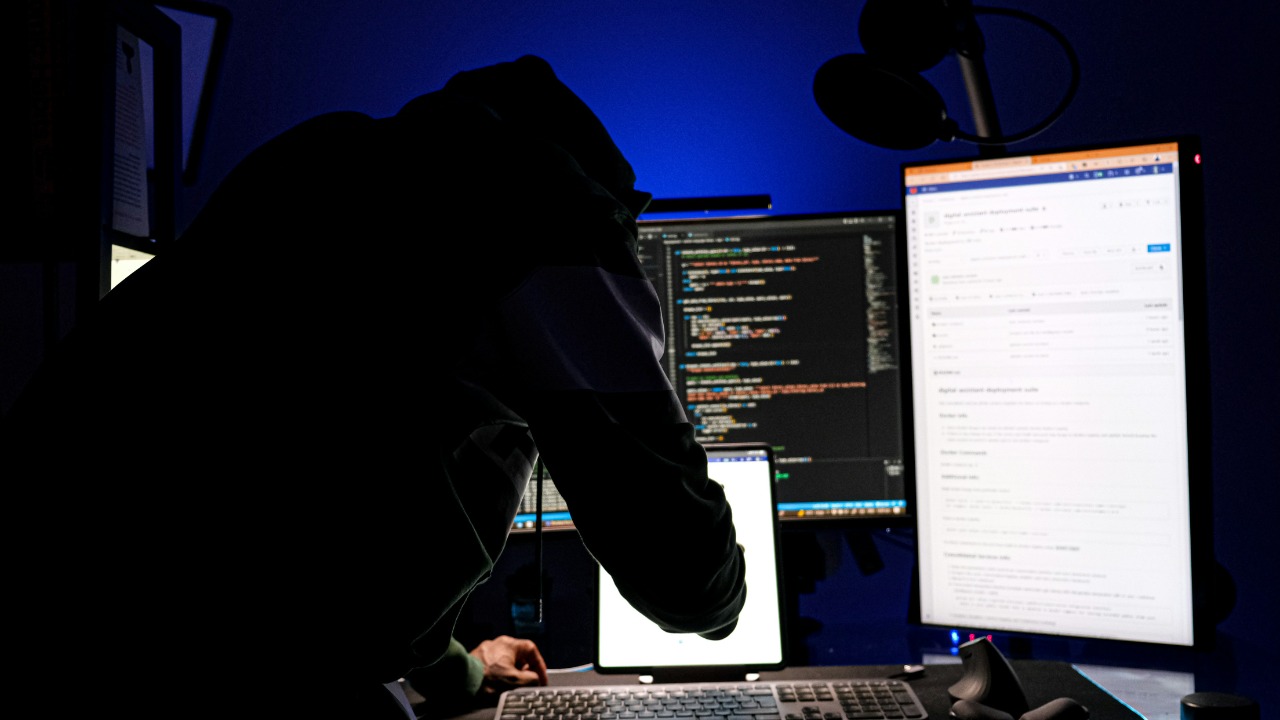
An $11 million crypto robbery in a quiet San Francisco neighborhood has turned a long running thought experiment into a visceral fear for digital asset holders. Instead of malware or exchange exploits, the attacker used a gun, a disguise and a doorbell to strip a homeowner of Ethereum and Bitcoin in minutes. The heist has revived anxiety about so called “wrench attacks,” where the weakest link in crypto security is not code, but the human being holding the keys.
The San Francisco home invasion that shocked crypto insiders
According to police accounts and local reporting, an armed thief posing as a delivery worker arrived at a San Francisco home, tied up the resident and forced a transfer of roughly $11 million in cryptocurrency. One detailed account describes the suspect as a faux courier who quickly dropped the package ruse once the door opened, then restrained the victim while the blockchain transfers completed, turning a routine knock into a life altering San Francisco crime scene.
Follow up coverage has identified the target as a Mission Dolores resident and framed the episode as a stark reminder that self custody can make individuals as vulnerable as small banks. One report notes that the fake delivery driver stole $11 million worth of cryptocurrency over a single weekend, while home invasion cases tied to digital assets are also on the rise, a pattern that has pushed some investors to reconsider the pros and cons of managing their own keys and wallets in Nov.
A high profile victim and an organized crime playbook
The story has drawn even more attention because of who was reportedly targeted. Separate reporting describes the victim as Sam Altman’s ex boyfriend and says the gunman stole $11 million worth of Ethereum and Bitcoin in what investigators believe was a targeted hit by an organized criminal group, not a random burglary gone wrong, a detail that underscores how carefully some attackers now profile wealthy crypto holders in Nov.
Accounts of the break in describe a methodical operation, from the delivery disguise to the timing of the assault and the way the assailant waited while large transfers cleared on chain. One analysis of the case notes that the harsh reality of this Mission Dolores home invasion is that the victim did everything right in cyberspace, yet still lost their holdings at gunpoint while the blockchain transfers completed, a sequence that has become emblematic of how a fake delivery driver can turn a front door into the weakest point in a crypto security plan in Fake Delivery Driver Steals.
What a “wrench attack” really is
For years, security professionals have warned that the most efficient way to steal digital assets is not to hack a protocol, but to coerce the person who controls the keys. The term “wrench attack” comes from a darkly comic scenario in which an attacker simply threatens someone with a $5 tool until they hand over a 256 bit key, a concept that has been formalized in security glossaries as a form of theft that uses physical force or intimidation to compel victims to surrender their private keys or passwords rather than targeting digital infrastructure, a definition that hardware wallet makers now summarize under the label Wrench Attack.
Specialists who track executive and high net worth security have been warning that this old school tactic is colliding with the new wealth stored in self hosted wallets. One briefing on personal cyber defense explains that the phrase “wrench attack” has become shorthand for any incident where criminals bypass encryption by threatening the person behind it, and notes that these old school tactics still threaten execs and crypto owners who may assume that hardware devices and multisig setups make them immune, a misconception that has been challenged repeatedly in Wrench Attacks.
A global surge in violent crypto crime
The San Francisco case is not an isolated outlier, it is part of a broader pattern of violent crime linked to digital assets. A recent analysis of crypto related incidents notes that in recent months a disturbing trend has emerged, with criminals around the world increasingly turning to physical violence or threats of violence to force victims to unlock wallets or authorize transfers, a shift that has been documented in detail in a May 22, 2025 report titled The Rise of Wrench Attacks and Crypto and Violent Crime.
Television coverage of the San Francisco heist has placed it in the context of a wave of kidnappings, home invasions and street level robberies targeting crypto investors worldwide. One segment that aired on Nov 25, 2025, with a byline date of November 26, described how attackers are learning to stalk social media, blockchain rich lists and conference speaker rosters to identify potential marks, then using tactics like fake deliveries or rideshare pickups to get close enough to force a transfer, a pattern that has been highlighted in Nov.
Why wrench attacks are becoming more common
From a criminal’s perspective, wrench attacks solve a hard problem: how to turn irreversible, pseudonymous digital money into spendable loot without writing a line of exploit code. Analysts who study investor behavior point out that more crypto investors are learning that the biggest threat to their holdings is not always a smart contract bug, but the possibility that someone will decide fear is faster and easier than hacking, a dynamic explored in a Jul 7, 2025 explainer titled Crypto Investors Beware, Why, Wrench Attacks, Are Becoming More Common and How, Stay Safe.
Security firms that monitor executive risk say the San Francisco robbery fits a pattern in which attackers blend basic social engineering with physical force. One July briefing on personal protection notes that old school tactics still threaten execs and crypto owners because a wrench attack can be as simple as confronting someone in their driveway or at their front door, and stresses that even sophisticated setups like multisignature wallets or hardware devices can be neutralized if one signer is isolated and coerced, a point that has been reinforced repeatedly in How Old School Tactics Still Threaten Execs and Crypto Owners.
Broad daylight, big money and a changing threat model
One of the most unsettling aspects of the San Francisco case is how brazen it was. A detailed feature on the incident describes it as a $11 Million Crypto Theft in Broad Daylight Is Latest in Increasingly Common $5 Wrench Attacks, and notes that while crypto hacks from a laptop in another country still grab headlines, a growing share of losses now come from criminals who show up in person with the sole purpose of stealing crypto worldwide, a shift that has been chronicled in Million Crypto Theft, Broad Daylight Is Latest, Increasingly Common, Wrench Attacks, In the.
Another analysis of the same robbery emphasizes that the heist reflects an escalating global surge in violent wrench attacks, where criminals physically coerce investors to reveal passwords or transfer funds, and warns that as more wealth concentrates in self hosted wallets, the incentive to stage similar operations will only grow, a concern that has been echoed in coverage of the Nov fake delivery driver heist.
How investors can respond without giving up on self custody
The uncomfortable lesson from San Francisco is that no hardware wallet or cold storage setup can fully protect someone who is personally identifiable as the owner of large balances. I see three practical responses emerging from the reporting: reducing how visible one’s holdings are, separating personal identity from on chain wealth and designing wallet setups that limit how much can be stolen in a single coercive event, all while recognizing that no configuration can eliminate risk entirely in a world where a criminal can still knock on the door in Mission Dolores.
Security experts quoted across these reports stress that investors should think about physical security with the same rigor they apply to seed phrases and multisig. That can mean simple steps like using package lockers and video doorbells to avoid opening the door to unknown couriers, as well as more advanced measures like distributing keys across jurisdictions or trusted parties so that a single home invasion cannot unlock an entire fortune, a mindset shift that aligns with the warnings laid out in the May 22, 2025 analysis of Violent Crime tied to wrench attacks.
More From TheDailyOverview
- Dave Ramsey says these two simple questions show whether you’re rich or poor
- Retired But Want To Work? Try These 18 Jobs for Seniors That Pay Weekly
- IRS raises capital gains thresholds for 2026 and what’s new
- 12 ways to make $5,000 fast that actually work

Grant Mercer covers market dynamics, business trends, and the economic forces driving growth across industries. His analysis connects macro movements with real-world implications for investors, entrepreneurs, and professionals. Through his work at The Daily Overview, Grant helps readers understand how markets function and where opportunities may emerge.