Some purchases quietly pay you back every week in lower bills and fewer emergency runs to the store. By focusing on durable, reusable items and smart financial tools, I can turn everyday spending into long-term savings that compound over years. These 12 buys all share one trait: once they are in my routine, they keep cutting costs with almost no extra effort.
1) Reusable Shopping Bags
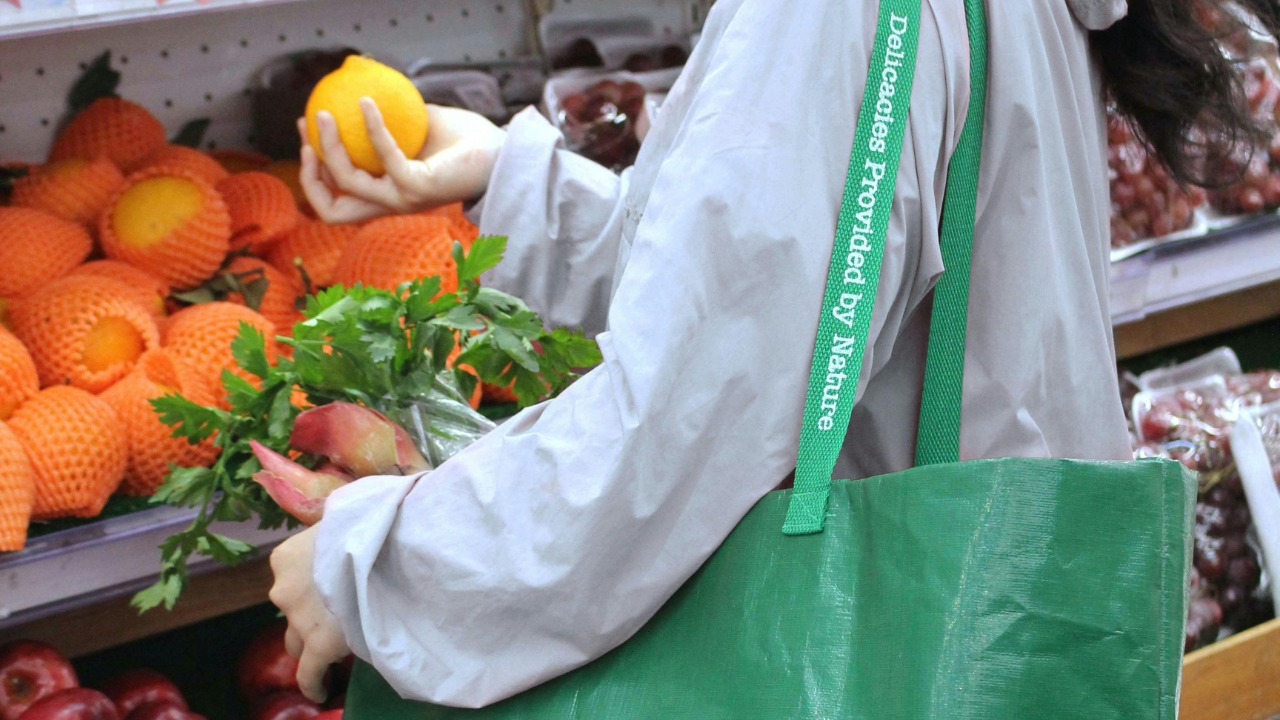
Reusable shopping bags are a classic example of a one-time buy that keeps trimming my budget. Guidance on items to invest in for long-term savings explicitly recommends taking my own reusable shopping bag and tupperwear to the supermarket to save on bag costs to my pocket and the planet. That advice lines up with lists of reusable products that keep paying off as long as I own them, since each trip without buying paper or plastic bags is an immediate win.
Over time, the savings go beyond a few cents per bag. Many cities and retailers now charge per disposable bag, so a family that shops weekly can avoid dozens of fees every year. Reusable bags also tend to be sturdier, which reduces the risk of torn bags and wasted groceries. For households trying to cut waste and costs at the same time, this is a low-friction switch that supports both goals.
2) Rechargeable Batteries
Rechargeable batteries turn a constant trickle of spending into a predictable, upfront cost. Lists of Reusable Batteries as one of “7 Reusable Household Items That Save Money” describe them as “a lifesaver and a major budget saver,” because a single set can replace dozens of disposable packs. That logic is echoed in broader roundups of Reusable Products That Will Save You So Much Money In The Long Run, which highlight how 36 reusable items cut recurring purchases.
In practical terms, I see the impact most clearly in high-drain devices like game controllers, wireless mice and children’s toys. Pairing a Rechargeable Battery Charger with a small stash of cells means I am never stuck buying an overpriced emergency pack at a convenience store. The environmental benefit is significant too, since fewer single-use batteries end up in landfills, aligning long-term savings with lower household waste.
3) LED Light Bulbs
LED light bulbs are one of the simplest ways to shrink my utility bills for years. Roundups of money-saving products emphasize that efficient lighting cuts electricity use compared with older incandescent bulbs, and that the bulbs themselves last far longer. That combination of lower energy draw and fewer replacements is exactly why these bulbs appear alongside other products that save money in the long run.
For a typical home, swapping frequently used fixtures to LEDs can reduce lighting costs by a noticeable margin, especially in kitchens, living rooms and exterior lights that stay on for hours. Because LEDs run cooler, they also reduce heat buildup, which can slightly ease air-conditioning loads in warm climates. The upfront price is higher than a basic bulb, but the payback period is often measured in months, while the lifespan stretches across many years of everyday use.
4) Insulated Travel Mug
An insulated travel mug is a small purchase that can radically cut my café spending. Lists of long-term best money-saving products highlight reusable drinkware because it lets me bring coffee or tea from home instead of buying it by the cup. When a single latte can cost several dollars, replacing even a few café visits each week with home-brewed drinks quickly adds up to triple-digit annual savings.
Beyond the direct cost comparison, a good mug keeps drinks hot or cold for hours, which makes it easier to stick with the habit. Some coffee shops also offer small discounts when I bring my own container, adding another layer of savings. For commuters and remote workers alike, this is a lifestyle tweak that supports both my budget and my effort to cut disposable cups, lids and sleeves from daily routines.
5) Quality Kitchen Utensils
Quality kitchen utensils, from a sturdy Small Spatula to a reliable chef’s knife, are classic buys that save money by lasting for years. A guide to things to buy to save money in the long run points out that durable tools reduce the need for constant replacements and make home cooking easier. When I have reliable gear, I am more likely to cook at home instead of defaulting to takeout, which is where the real savings appear.
Investing once in a well-made spatula, tongs or ladle also prevents the frustration of melted handles or warped plastic. Over time, that reliability supports meal planning, batch cooking and freezer prep, all of which lower my per-meal cost. For families, the payoff compounds as the same utensils serve thousands of meals without needing to be replaced, turning a modest upfront cost into a long-term reduction in food spending.
6) Budget Tracking App Subscription
A budget tracking app subscription is less tangible than a kitchen tool, but it can have an even bigger impact on my long-term savings. Practical guides on how to save money list tracking spending and automating savings as core strategies, and many of the most effective tools now come as paid apps. By categorizing every transaction, sending alerts and surfacing trends, these apps help me spot waste that I might otherwise ignore.
For example, seeing a monthly total for restaurant spending or unused subscriptions can prompt immediate changes that dwarf the app’s subscription fee. Some tools also integrate goal tracking, so I can earmark money for an emergency fund, debt payoff or a vacation. The key is that the app turns vague intentions into concrete data, which makes it easier to adjust habits and lock in savings month after month.
7) Index Fund Shares
Index fund shares are a long-term buy that can save me money on taxes while building wealth. Detailed guidance on long-term capital gains explains how holding investments for more than a year can qualify returns for favorable tax treatment compared with short-term trades. Broad-market index funds are often used in these strategies because they tend to have lower turnover and fees, which helps minimize taxable events and preserve more of my gains.
By focusing on low-cost index funds and holding them for extended periods, I reduce the drag of both taxes and management expenses. This approach aligns with the idea that patient investing, rather than frequent trading, is more likely to deliver steady growth. For savers planning for retirement or other long-range goals, the combination of compounding returns and tax efficiency can translate into significantly higher net wealth over decades.
8) Bulk Storage Containers
Bulk storage containers are a quiet workhorse in any money-saving kitchen. Advice on grocery store habits that slash weekly food bills stresses buying in bulk when prices are low and then storing food properly to avoid waste. Sturdy containers, including options like Silicone Food Storage Bags highlighted in lists of Reusable Home Goods That Save You Money and Reduce Waste, make that strategy workable.
When I can safely store rice, beans, flour or frozen vegetables, I am less likely to throw out spoiled food or rely on smaller, more expensive packages. Clear containers also help me see what I already have, which reduces duplicate purchases and supports better meal planning. Over a year, cutting food waste by even a small percentage can free up meaningful room in a tight grocery budget, especially for larger households.
9) Meal Planning Notebook
A meal planning notebook is a low-tech tool that delivers surprisingly high savings. The same supermarket shopping habits that emphasize bulk buying also recommend planning meals and writing detailed lists before heading to the store. By dedicating a notebook to this process, I can map out breakfasts, lunches and dinners, then build a shopping list that matches those plans instead of wandering the aisles.
This simple habit reduces impulse buys, helps me use what is already in my pantry and makes it easier to align meals with weekly sales. Over time, the notebook becomes a record of successful, budget-friendly recipes that I can rotate through busy weeks. For anyone trying to keep food costs predictable, this small purchase anchors a system that consistently keeps the grocery bill in check.
10) Trader Joe’s Private Label Staples
Trader Joe’s private label staples are a strategic buy for lowering everyday grocery costs. A tech worker who detailed what to buy to save money at the chain highlighted store-brand pantry items as a key way to stretch a paycheck. These products often match or exceed the quality of national brands while coming in at lower prices, which directly reduces my per-meal cost.
Stocking up on private label pasta, canned beans, sauces and baking ingredients also supports batch cooking and meal prep. When I combine these staples with fresh or frozen produce, I can assemble a wide range of meals without relying on expensive convenience foods. For shoppers who live near a Trader Joe’s, building a core pantry around these items can be a reliable way to keep monthly food spending under control.
11) Trader Joe’s Frozen Produce
Trader Joe’s frozen produce offers a cost-effective alternative to fresh items, especially when certain fruits or vegetables are out of season. The same tech worker’s list of money-saving buys at the store calls out frozen options as a way to get consistent quality at stable prices. Because frozen produce is typically picked and frozen at peak ripeness, it can deliver good nutrition without the premium price tag of fresh imports.
For my budget, the biggest advantage is reduced waste. Frozen berries, spinach or mixed vegetables can stay in the freezer until I need them, so I am not throwing away wilted greens or moldy fruit at the end of the week. That flexibility makes it easier to cook at home even when plans change, which keeps me from defaulting to takeout and preserves the long-term savings from a well-stocked freezer.
12) Trader Joe’s Snack Packs
Trader Joe’s snack packs are a small but effective defense against expensive snacking habits. In the same rundown of budget-friendly Trader Joe’s picks, individually portioned nuts, dried fruit and other snacks are highlighted as cheaper alternatives to vending machines or coffee shop pastries. By keeping these on hand at home, in my bag or at my desk, I can avoid impulse purchases that quietly drain my wallet.
Portion control is another financial advantage, since pre-portioned packs make it easier to stretch a single purchase across multiple days. For families, stocking these snacks can reduce the temptation of convenience-store runs between activities. Over months, replacing even a few on-the-go purchases each week with planned, lower-cost snacks can free up cash for higher-priority goals, from paying down debt to building an emergency fund.
More From TheDailyOverview
- Dave Ramsey says these two simple questions show whether you’re rich or poor
- Retired But Want To Work? Try These 18 Jobs for Seniors That Pay Weekly
- IRS raises capital gains thresholds for 2026 and what’s new
- 12 ways to make $5,000 fast that actually work

Cole Whitaker focuses on the fundamentals of money management, helping readers make smarter decisions around income, spending, saving, and long-term financial stability. His writing emphasizes clarity, discipline, and practical systems that work in real life. At The Daily Overview, Cole breaks down personal finance topics into straightforward guidance readers can apply immediately.

