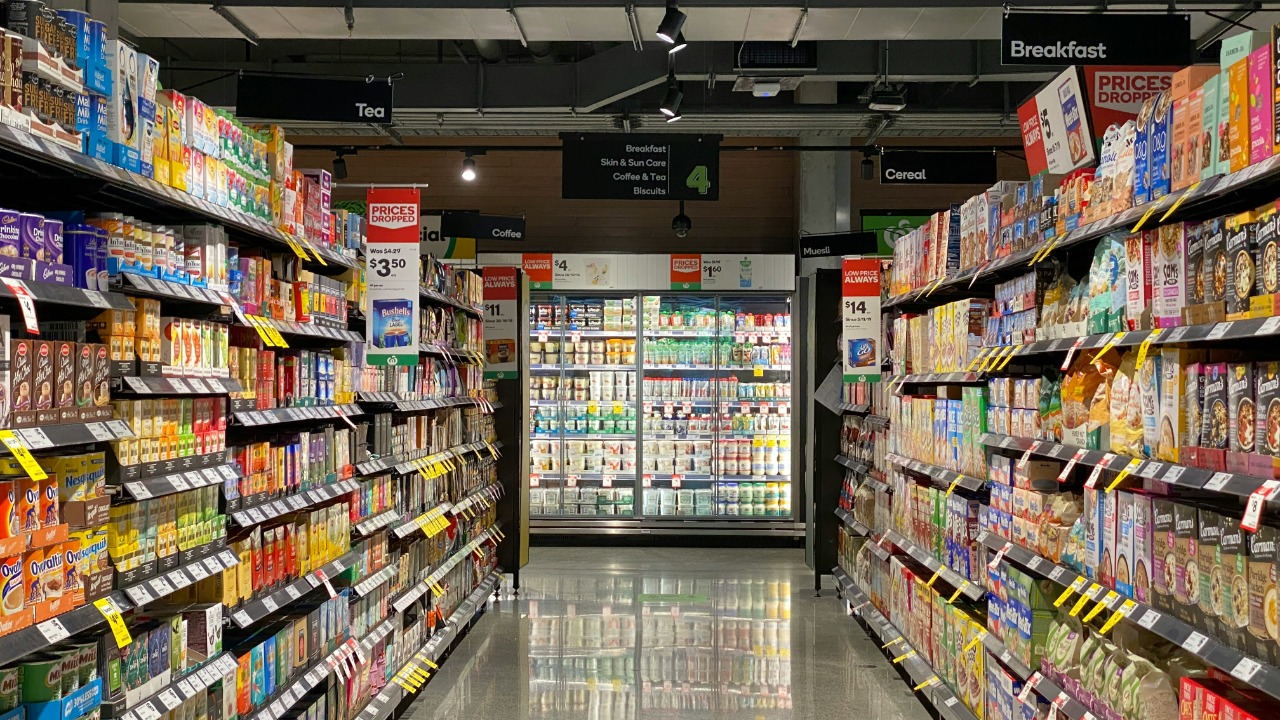
As the cost of living continues to rise, it’s essential to be aware of products that might be stretching our budgets unnecessarily. Many grocery staples are convenient but often come with a hefty price tag that doesn’t match their true value. Let’s take a closer look at some common items that might be draining your wallet more than you realize.
Branded Breakfast Cereals
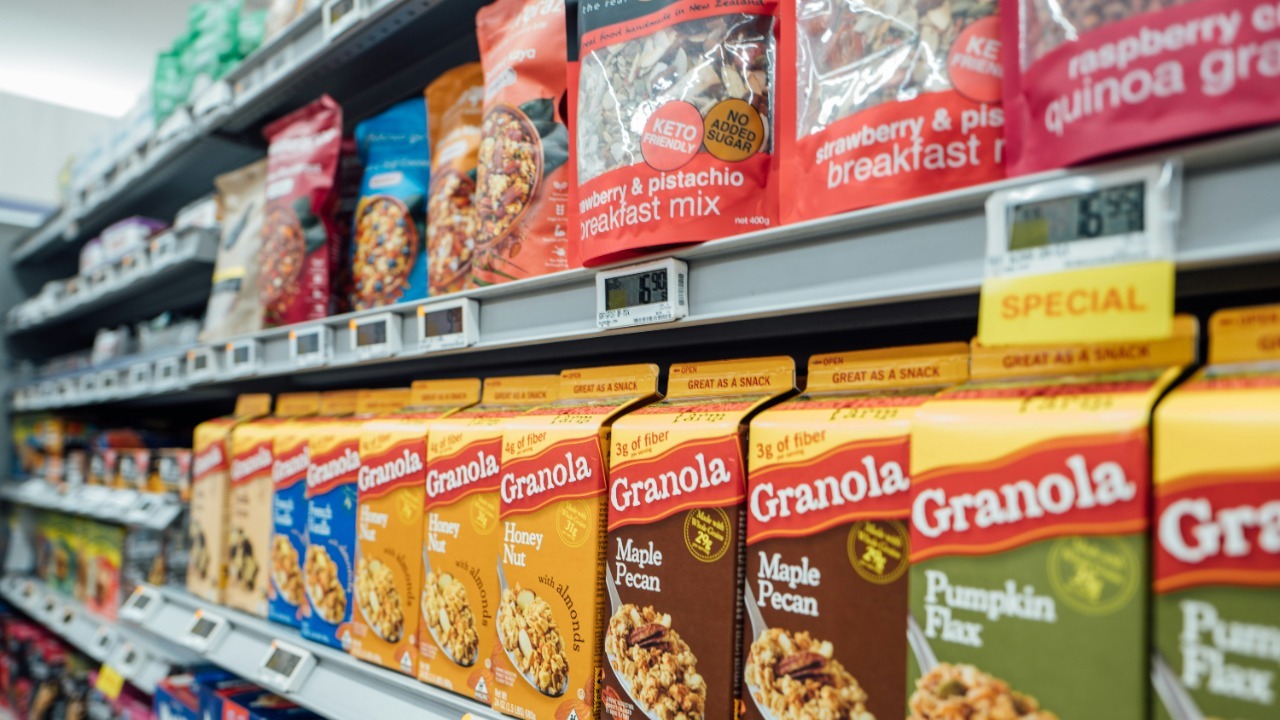
Branded breakfast cereals are a staple in many households, but they often come with a premium price tag. The marketing and packaging of these cereals can make them seem more appealing, yet the nutritional value is often comparable to generic or store-brand options. It’s worth considering these alternatives if you’re looking to save some money without compromising on taste or quality.
Many branded cereals are also loaded with sugar, which doesn’t justify their cost. Instead, look for cheaper alternatives that offer more fiber and less sugar to start your day on a healthier note. You might be surprised at how much you can save by making this simple switch.
Bottled Water

The convenience of bottled water can be enticing, but it’s an expense that quickly adds up. Most tap water in developed countries is perfectly safe to drink, and using a water filter can enhance its quality for a fraction of the cost. Not to mention, buying bottled water contributes significantly to plastic waste, making it not just a financial concern but an environmental one too.
Investing in a reusable water bottle and a home filtration system can save money and reduce your carbon footprint. Make the switch and see how it positively impacts both your budget and the planet.
Pre-packaged Salad Greens
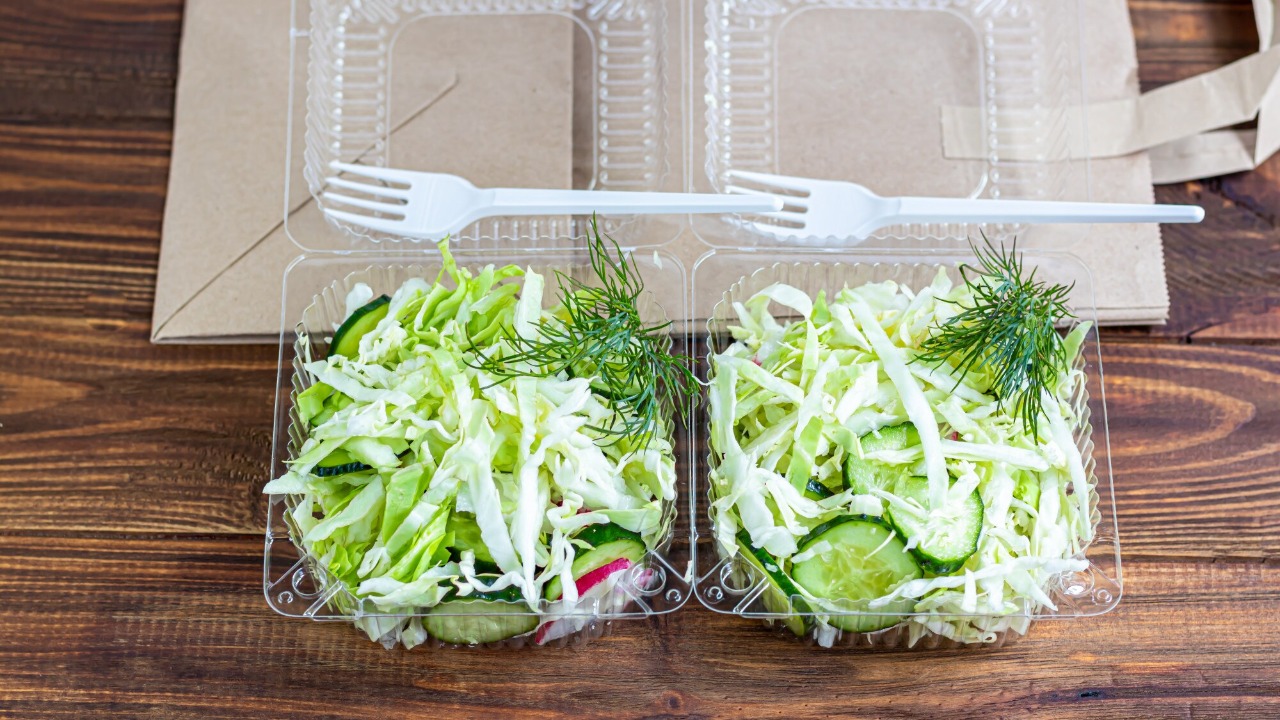
Pre-packaged salad greens offer convenience for those looking to eat healthier without the hassle of washing and chopping. However, this convenience comes at a premium. Buying whole heads of lettuce and other greens is significantly cheaper and often fresher.
Moreover, pre-packaged greens tend to spoil faster due to the moisture trapped inside the packaging. If you’re willing to spend a few extra minutes in preparation, buying whole greens and storing them properly can help you get more bang for your buck and reduce food waste.
Name-brand Spices

Name-brand spices are another grocery item where you’re paying more for the label than the product itself. In many cases, generic or bulk spices offer the same flavor and quality at a fraction of the price. Spices are often sourced from the same regions, so there’s little difference in quality.
Consider buying spices in bulk from a local co-op or specialty store, which allows you to purchase the exact amount you need. This can save money and help keep your spice rack fresh and full of flavor without the unnecessary markup.
Snack-size Chips and Crackers
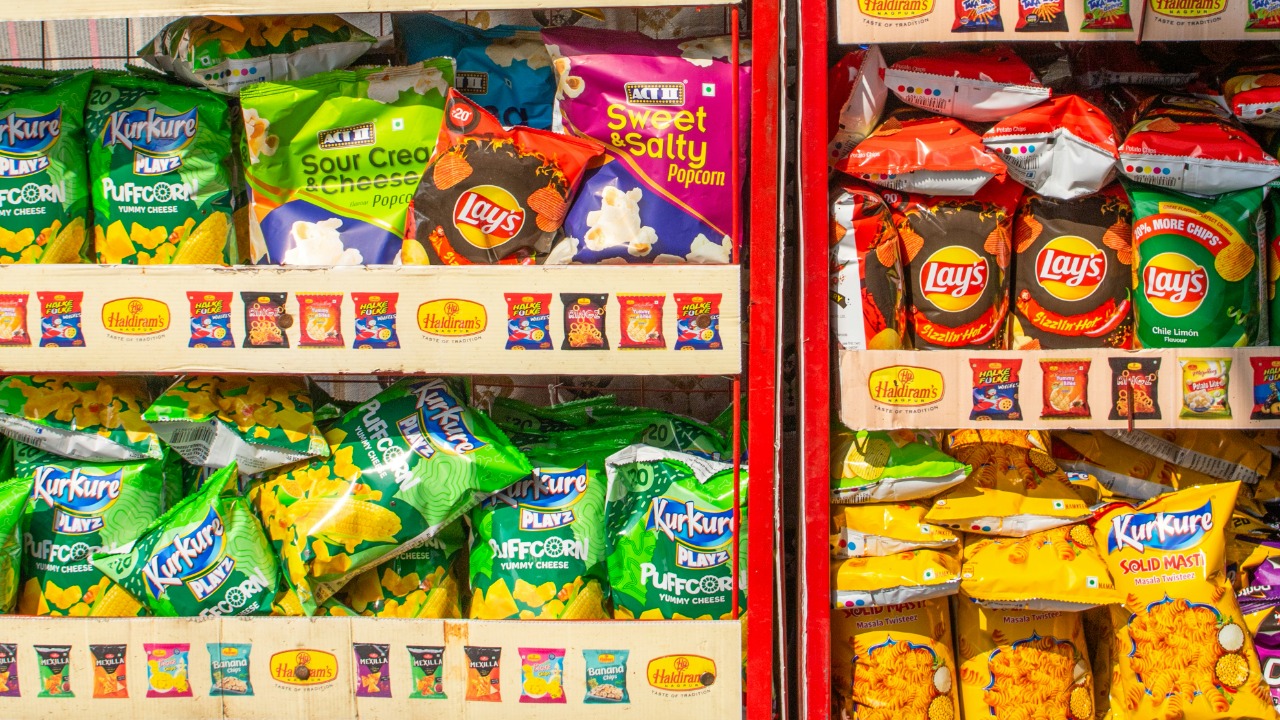
Snack-size packages of chips and crackers are convenient and portion-controlled, but they come with a higher cost per ounce compared to their full-sized counterparts. Purchasing larger bags and portioning them into reusable containers is a simple way to cut costs.
This approach not only saves money but also reduces packaging waste. It’s an easy switch that can make a significant difference in your grocery bill over time.
Organic Milk
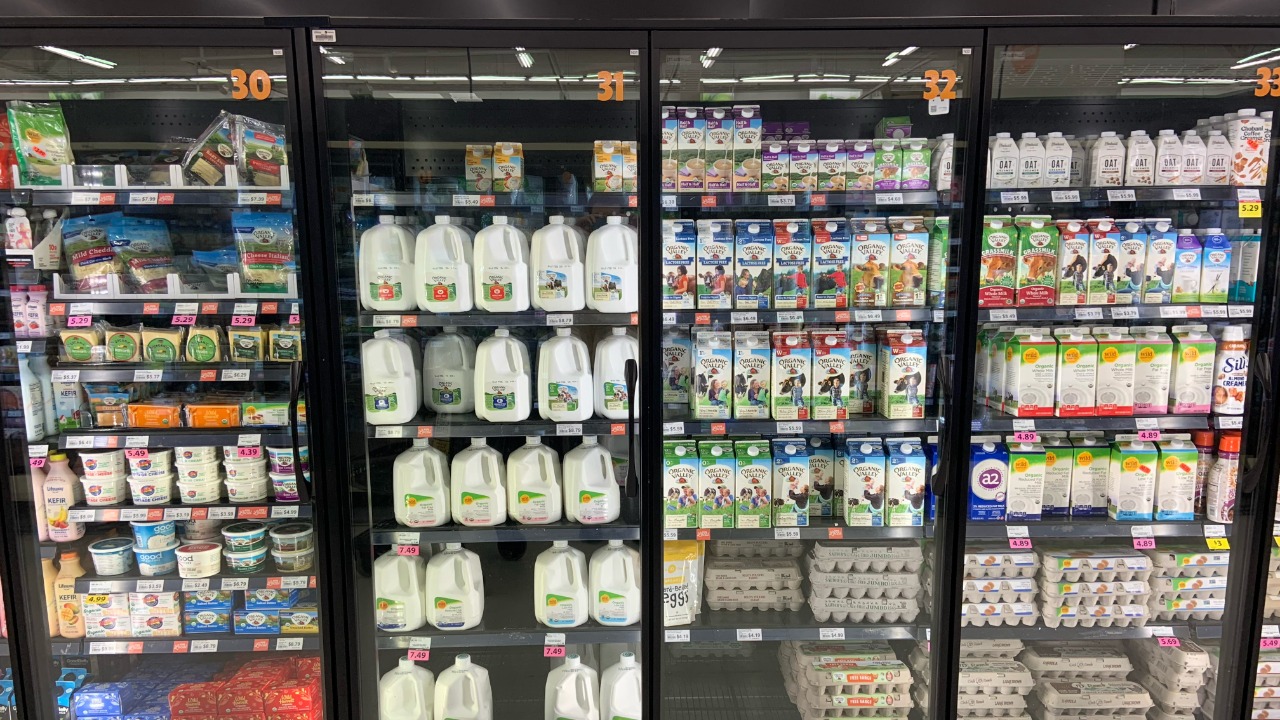
Organic milk is often perceived as a healthier choice, but the price difference can be substantial compared to conventional milk. While organic milk is free from synthetic hormones and antibiotics, the nutritional content is largely similar.
Consider your priorities and budget when choosing between organic and conventional milk. If the cost of organic milk is a concern, you might find that conventional milk meets your needs just as well.
Pre-sliced Cheese

Pre-sliced cheese is another convenience product that comes with an added cost. Buying blocks of cheese and slicing them yourself can lead to substantial savings. Additionally, slicing your cheese allows for more customization in thickness and portion size.
Investing in a good cheese slicer can make this task easier and more efficient, ultimately saving money and reducing waste from individual packaging.
Frozen Fruit Smoothie Packs
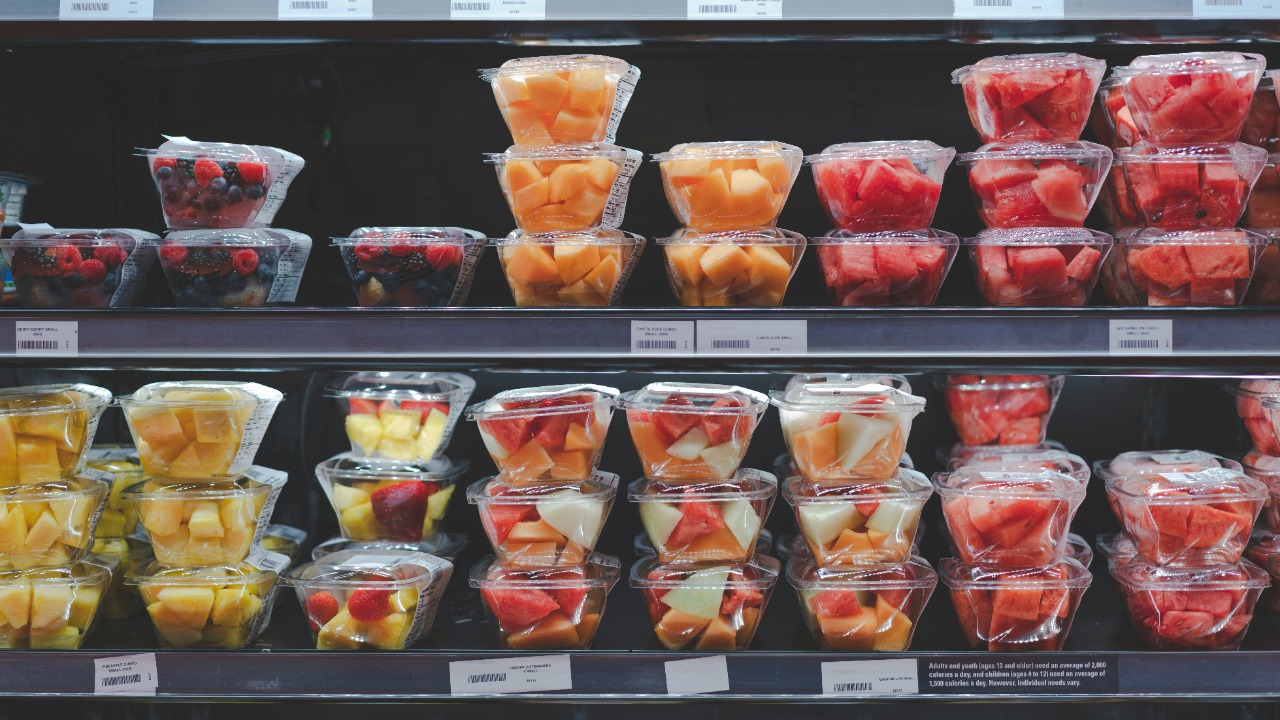
Frozen fruit smoothie packs are marketed as a quick, healthy option for those on the go. However, these packs often cost more than buying fresh or frozen fruits in bulk. Creating your own smoothie bags at home is a more cost-effective solution.
By purchasing fruits in larger quantities and freezing them yourself, you can customize your smoothie ingredients and save money in the process. This method also allows you to avoid added sugars and preservatives often found in pre-packaged smoothie options.
Pre-cooked Rice and Grains

Pre-cooked rice and grains offer simplicity for busy households, but this convenience is reflected in their price. Cooking these staples from scratch is both cheaper and often more flavorful.
Investing a little extra time to cook rice and grains in bulk can help you save money and enjoy more nutritious meals. Plus, cooked grains can be easily stored for later use, making meal prep a breeze without the added cost.
Premium Ice Creams

Premium ice creams are a treat, but their indulgent price tags can make them a costly habit. Often, the difference in quality compared to less expensive brands is marginal, with many store brands offering a comparable taste at a lower price.
Consider trying different brands to find a more affordable option that satisfies your sweet tooth. You might be surprised at how little you miss the premium label when you’re saving money.
Packaged Deli Meats
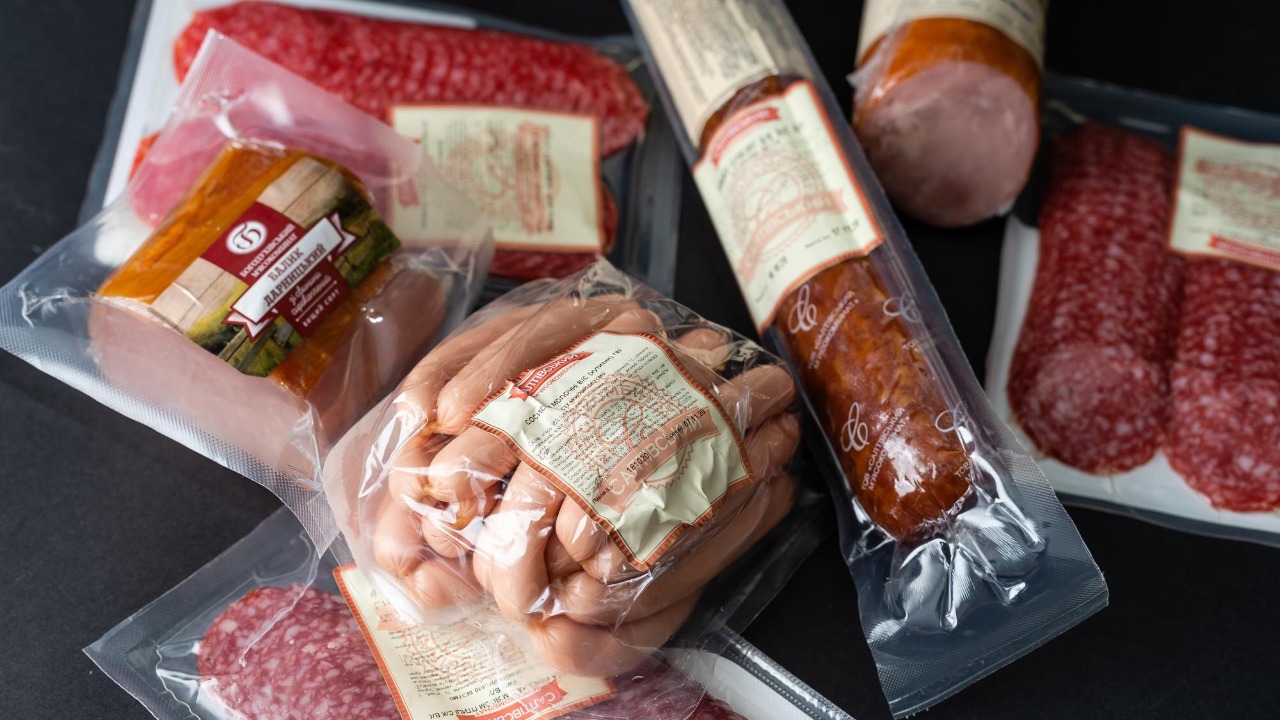
Packaged deli meats are convenient but can be overpriced for what you get. Buying fresh deli meats at the counter allows for more flexibility in quantity and often results in a fresher product.
By selecting only the amount you need, you can save money and reduce waste. Plus, freshly sliced deli meats generally have fewer preservatives and better flavor, enhancing your meals without breaking the bank.
Single-serve Coffee Pods
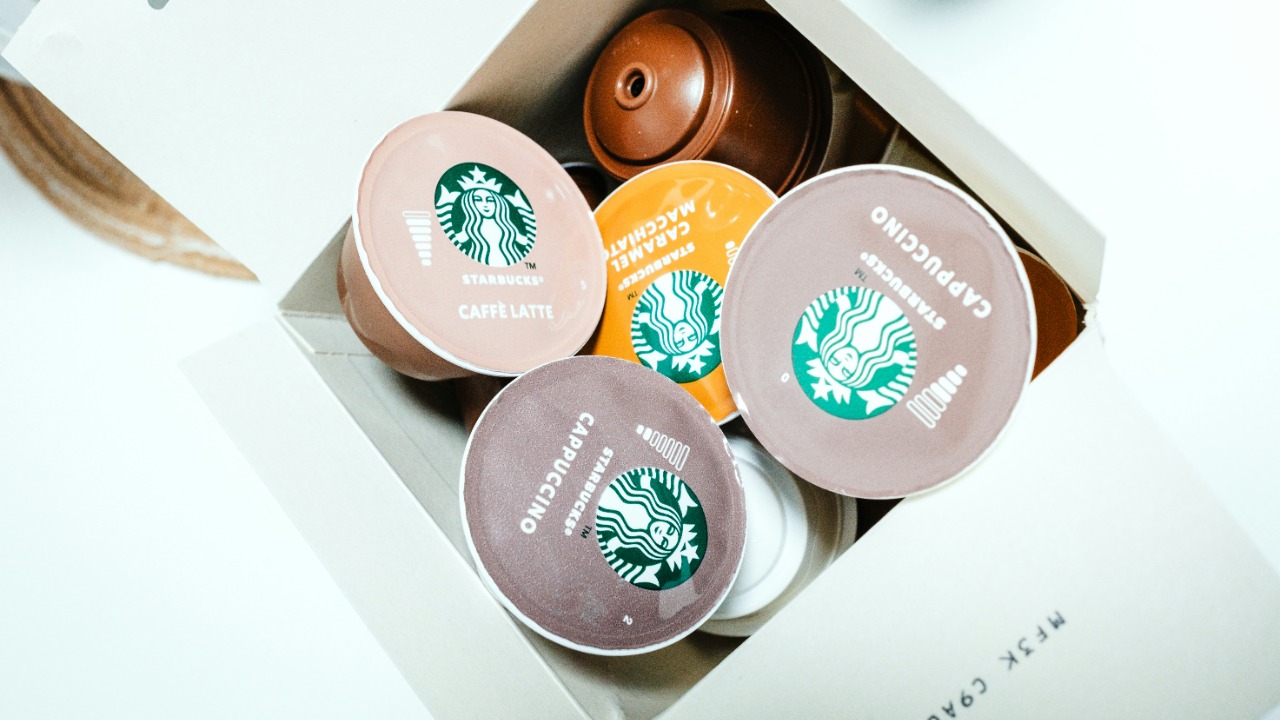
Single-serve coffee pods offer convenience, but they are significantly more expensive than traditional coffee grounds. Moreover, the environmental impact of the plastic pods is considerable, contributing to increased waste.
Switching to a reusable coffee filter or a French press can save you money and decrease your ecological footprint. These alternatives offer the same convenience without the ongoing cost and waste associated with single-serve pods.

Cole Whitaker focuses on the fundamentals of money management, helping readers make smarter decisions around income, spending, saving, and long-term financial stability. His writing emphasizes clarity, discipline, and practical systems that work in real life. At The Daily Overview, Cole breaks down personal finance topics into straightforward guidance readers can apply immediately.
