
Retirement planning is a complex process, and understanding the tax implications of various income sources is crucial. While some forms of retirement income are taxable, others are not. Knowing which income streams are tax-exempt can help you make informed decisions and potentially save a significant amount in taxes.
Social Security Benefits

Many retirees rely on Social Security benefits as a primary income source. The good news is that Social Security benefits are not always taxable. If Social Security is your sole source of retirement income, you likely won’t pay any taxes on these benefits. However, if you have additional income sources, a portion of your benefits may become taxable.
To determine the taxability of your Social Security benefits, consider your combined income, which includes adjusted gross income, nontaxable interest, and half of your Social Security benefits.
Roth IRA Distributions
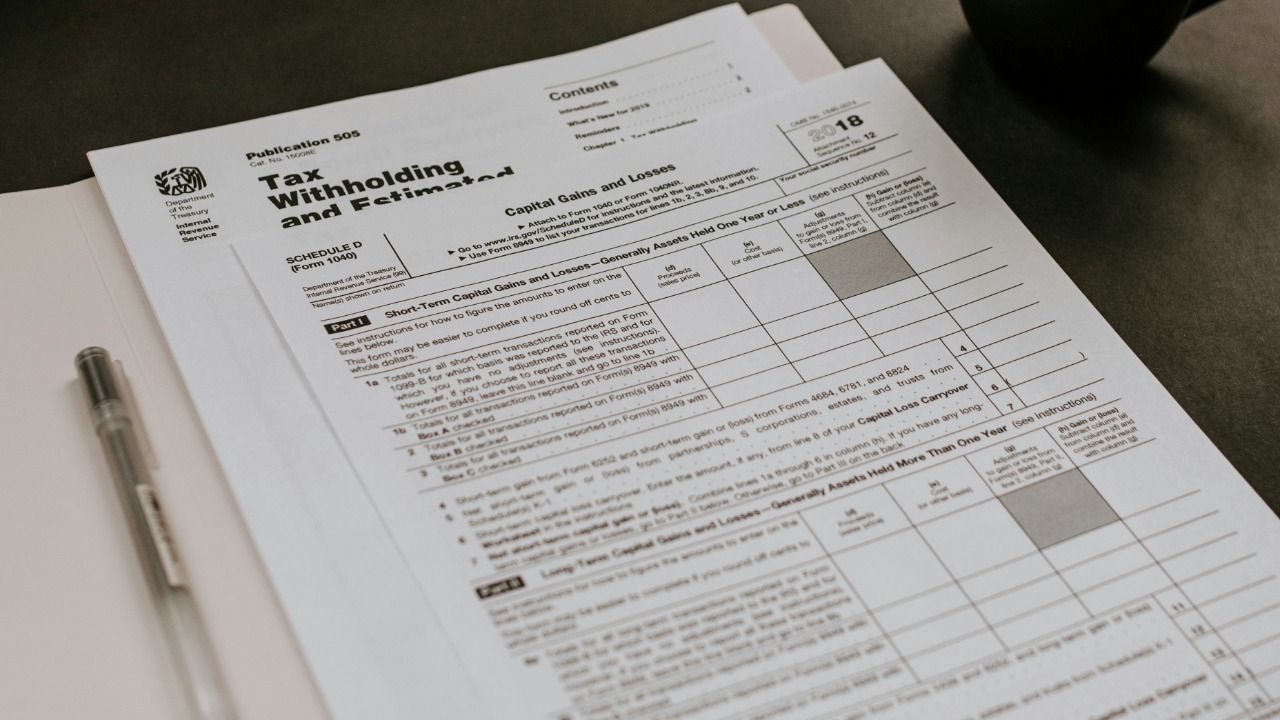
Roth IRA distributions are a popular choice for tax-savvy retirees. Contributions to a Roth IRA are made with after-tax dollars, meaning you won’t pay taxes on qualified distributions in retirement. To qualify, the account must be at least five years old, and you must be at least 59½ years of age.
This tax-free income can be a strategic way to manage your taxable income levels during retirement. For more on tax-efficient withdrawals, consider this Fidelity guide.
Municipal Bond Interest

Investing in municipal bonds can provide you with tax-free interest income. These bonds, issued by state and local governments, are generally exempt from federal income tax. In some cases, they may also be exempt from state and local taxes, especially if you reside in the same state that issued the bond. This makes them an attractive option for retirees seeking tax-efficient income.
However, be aware that some municipal bonds, particularly those issued for private activities, may be subject to the alternative minimum tax (AMT).
Health Savings Account (HSA) Withdrawals

Health Savings Accounts (HSAs) offer a triple tax advantage: contributions are tax-deductible, grow tax-free, and withdrawals for qualified medical expenses are also tax-free. For retirees, an HSA can be a valuable tool to cover healthcare costs without incurring additional taxes. Note that once you enroll in Medicare, you can no longer contribute to an HSA, but you can still use the funds for eligible expenses.
Life Insurance Proceeds

Life insurance proceeds are generally not subject to income tax, making them a vital component of estate planning. Beneficiaries typically receive the death benefit tax-free, allowing them to use the funds as needed. However, if the policy is part of a taxable estate, estate taxes may apply. Understanding how life insurance fits into your overall financial plan can help ensure your beneficiaries receive the maximum benefit.
Inheritances

Most inheritances are not considered taxable income. This means that when you inherit money, assets, or property, you typically won’t owe federal income tax on the value received. However, certain situations, such as inheriting an IRA, may have tax implications. It’s essential to consult with a financial advisor to understand how specific inheritances might impact your tax situation.
More information on retirement income and taxes can be found here.
Gifts

Receiving a gift is generally not a taxable event for the recipient. The giver might be subject to gift tax rules, but recipients don’t have to worry about including gifts in their taxable income. This makes gifts a strategic way for family members to provide financial support without adding to the recipient’s tax burden.
Be sure to stay informed about annual gift tax exclusion limits to ensure compliance with tax laws.
Reverse Mortgage Payments

For homeowners aged 62 and older, reverse mortgages can provide tax-free funds by tapping into home equity. Payments received from a reverse mortgage are considered loan advances, not income, so they are not taxable. These funds can be used for various expenses, including home improvements, healthcare costs, or daily living expenses.
However, remember that reverse mortgages can impact the equity left in your home for inheritance purposes.
Certain Military Pensions

Some military pensions and veterans’ benefits are not subject to income tax. Combat-related special compensation and disability payments received through the Department of Veterans Affairs are typically tax-free. These benefits provide financial support without additional tax liability, offering peace of mind for veterans and their families. For more on how different types of retirement income are taxed, see this Kiplinger article.
Workers’ Compensation Benefits

Workers’ compensation benefits are designed to provide financial support to individuals injured on the job and are generally not taxable. This includes payments for medical expenses, rehabilitation costs, and lost wages. These benefits ensure that injured workers can focus on recovery without the added burden of taxes.
Keep in mind that if you also receive Social Security Disability Insurance (SSDI), your workers’ compensation benefits may reduce the amount of SSDI you receive.
Supplemental Security Income (SSI)

Supplemental Security Income (SSI) is a needs-based program that provides financial assistance to individuals with limited income and resources. SSI payments are not subject to federal income tax, as they are meant to cover basic necessities like food, shelter, and clothing.
Understanding the eligibility requirements and how SSI interacts with other income sources can help you maximize your benefits.
Qualified Long-term Care Insurance Benefits

Long-term care insurance benefits can be a crucial resource for covering the costs of long-term care services, such as nursing homes or in-home care. If you receive benefits from a qualified long-term care policy, they are typically not taxable, provided they do not exceed certain daily limits set by the IRS.
Understanding the terms of your policy can help you plan for future care needs without unexpected tax implications. To learn more about managing taxes in retirement, check this Investopedia guide.

Nathaniel Cross focuses on retirement planning, employer benefits, and long-term income security. His writing covers pensions, social programs, investment vehicles, and strategies designed to protect financial independence later in life. At The Daily Overview, Nathaniel provides practical insight to help readers plan with confidence and foresight.