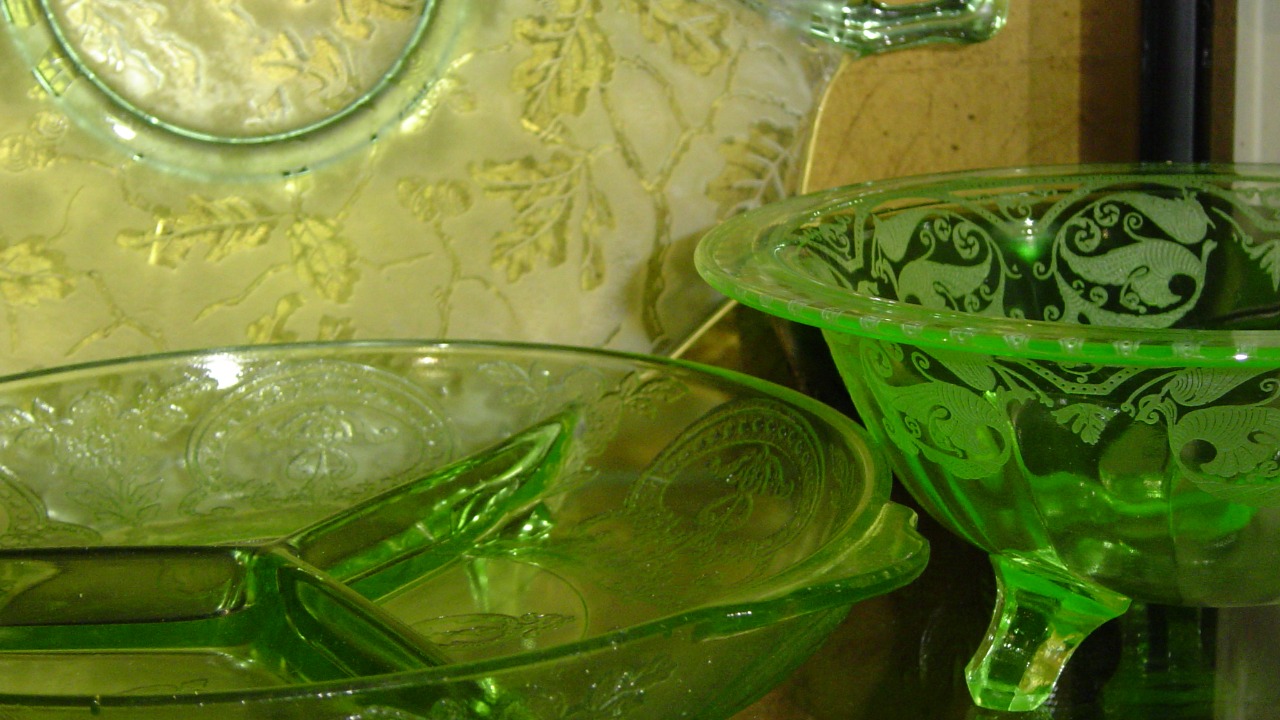
Depression glass, once given away in cereal boxes and at movie theaters, is now a sought-after collectible. Many people might not realize they have valuable pieces sitting in their cabinets. Let’s explore some of the most coveted depression glass patterns and colors that could be worth a small fortune.
Unique Uranium Glassware
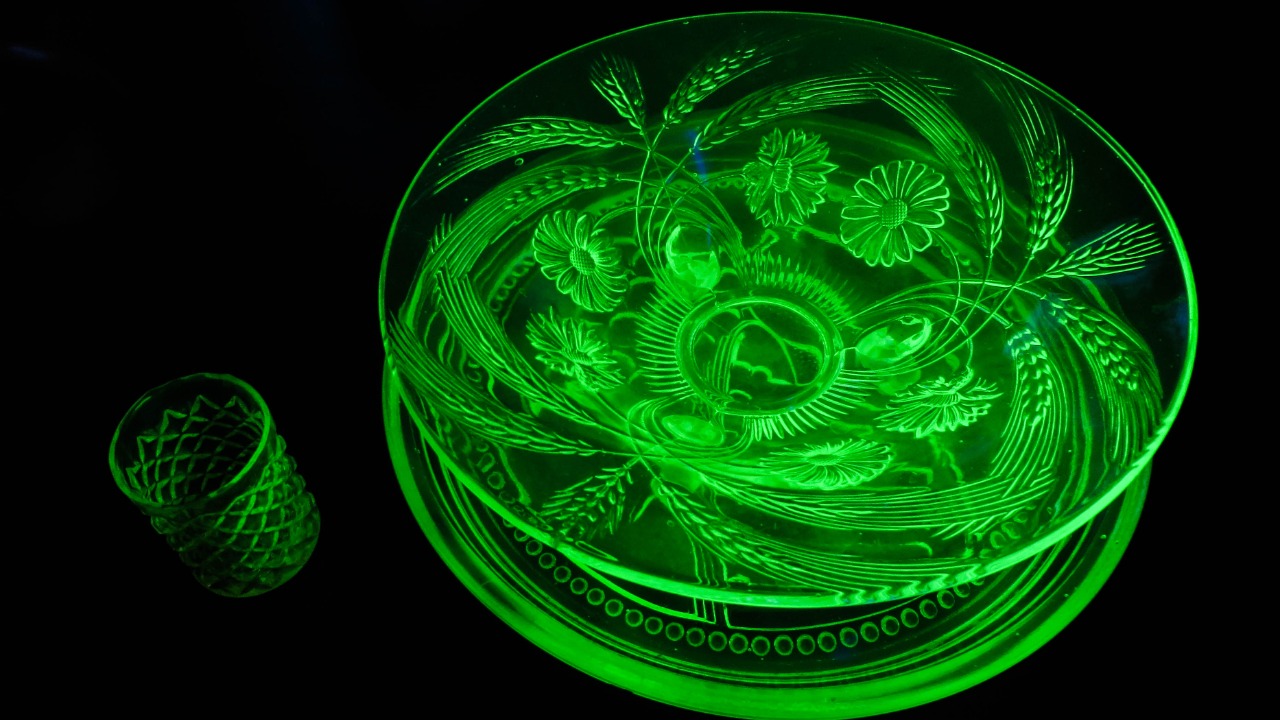
Uranium glass, also known as Vaseline glass, is famous for its glowing green hue under UV light. This unique characteristic makes it a standout among depression glass pieces. Collectors highly value its vibrant color and the historical intrigue of using uranium in glassware. If you have any green glass pieces in your collection, it might be worth checking if they glow under a black light. This could indicate that you possess a piece of uranium glass that could be quite valuable.
Iconic Pink Cherry Blossom Pattern
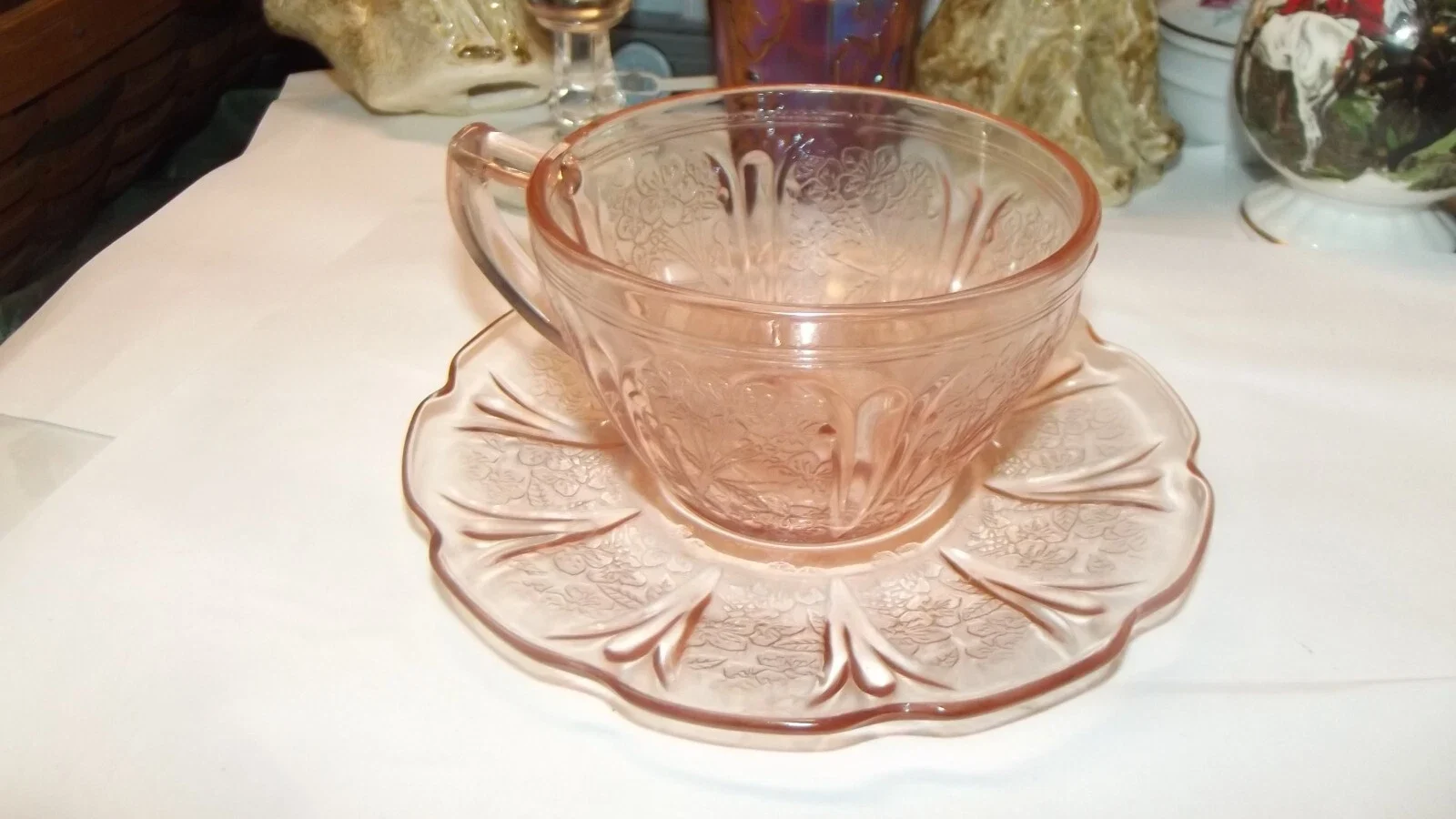
The pink Cherry Blossom pattern is one of the most recognizable and beloved among depression glass enthusiasts. Produced by the Jeannette Glass Company from 1930 to 1939, its delicate floral design has captured the hearts of collectors for decades. Items like plates, cups, and bowls in this pattern can be found in many antique shops, but truly pristine pieces are highly sought after. If you uncover a Cherry Blossom piece in your cabinet, it may be time to revisit its potential value.
Classic Green Cameo Ballerina
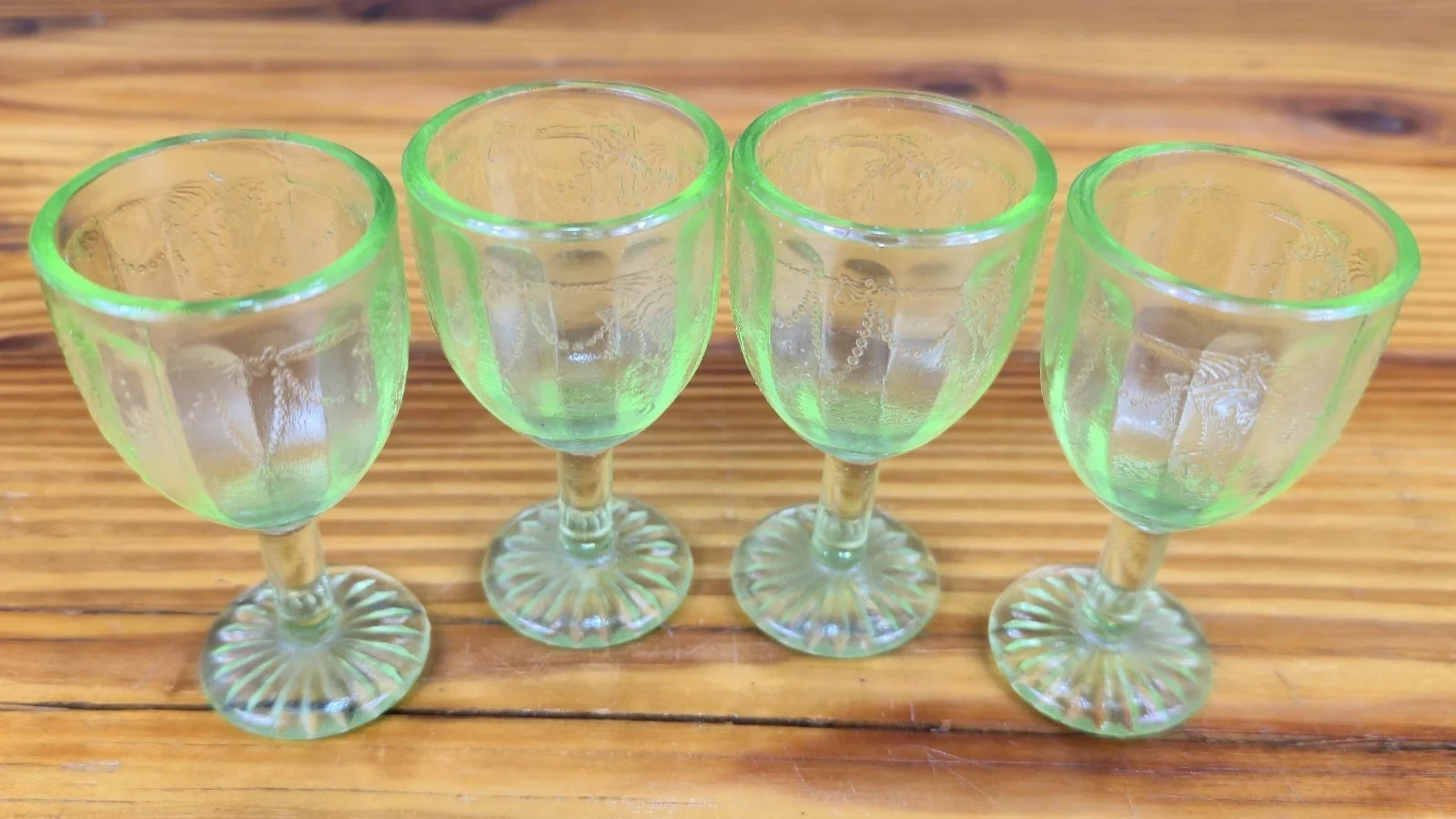
The Cameo Ballerina pattern, produced by the Hocking Glass Company, is another classic design that continues to captivate collectors. This pattern, featuring an elegant ballerina motif, was made between 1930 and 1934. The green version is especially popular and can be quite valuable, particularly if you have a complete set. It’s worth inspecting any green depression glass you own to see if it matches this iconic pattern.
Timeless Cobalt Blue Moderntone
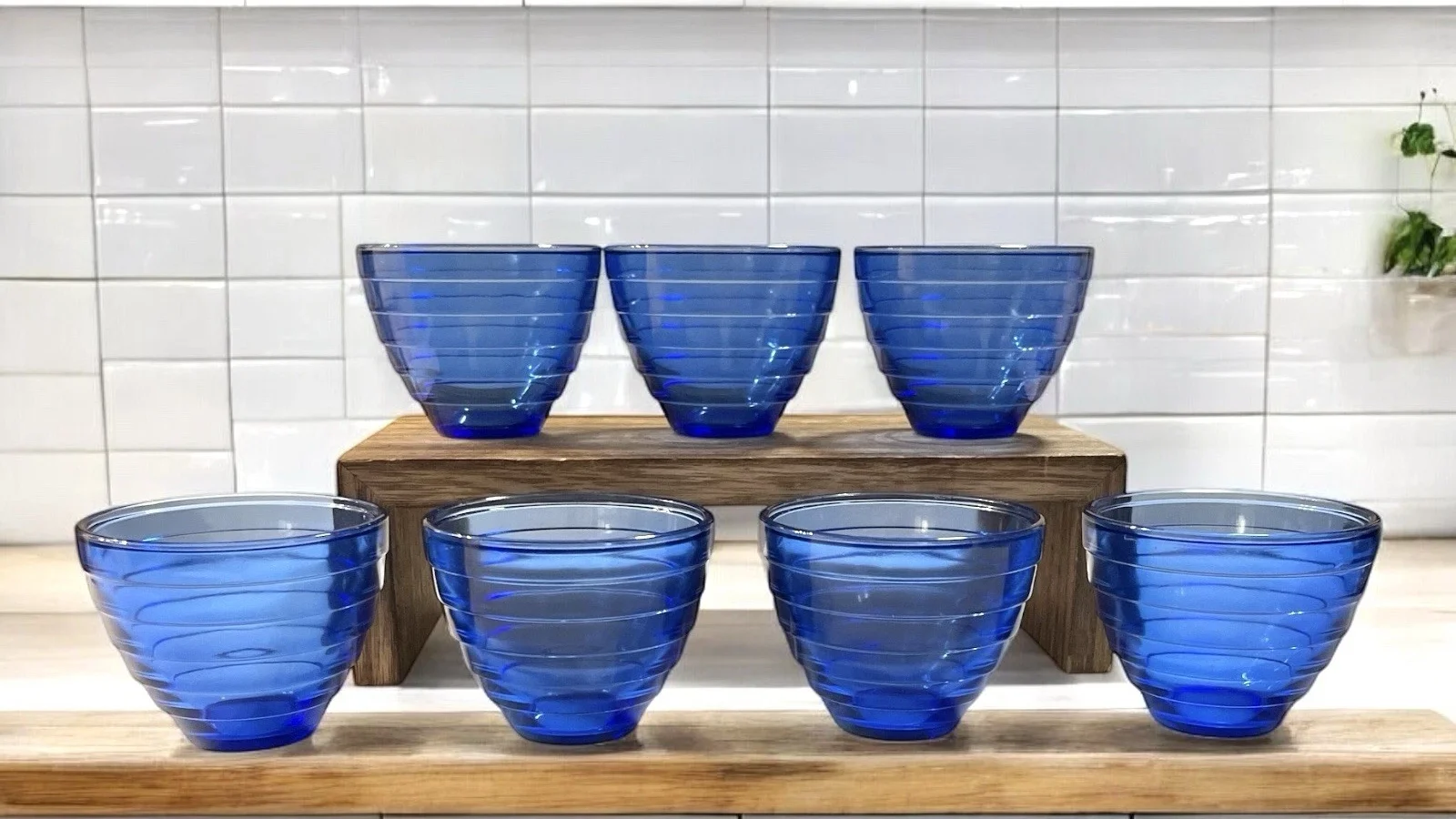
Moderntone, produced by the Hazel-Atlas Glass Company, stands out for its vibrant cobalt blue color. This pattern was manufactured from 1934 to 1942 and is known for its sleek, Art Deco-inspired design. Cobalt blue glassware is highly desirable, and pieces from the Moderntone collection are no exception. If you have any cobalt blue glass in your home, it may be worth checking if it’s part of this timeless collection.
Elegant Topaz Yellow Princess
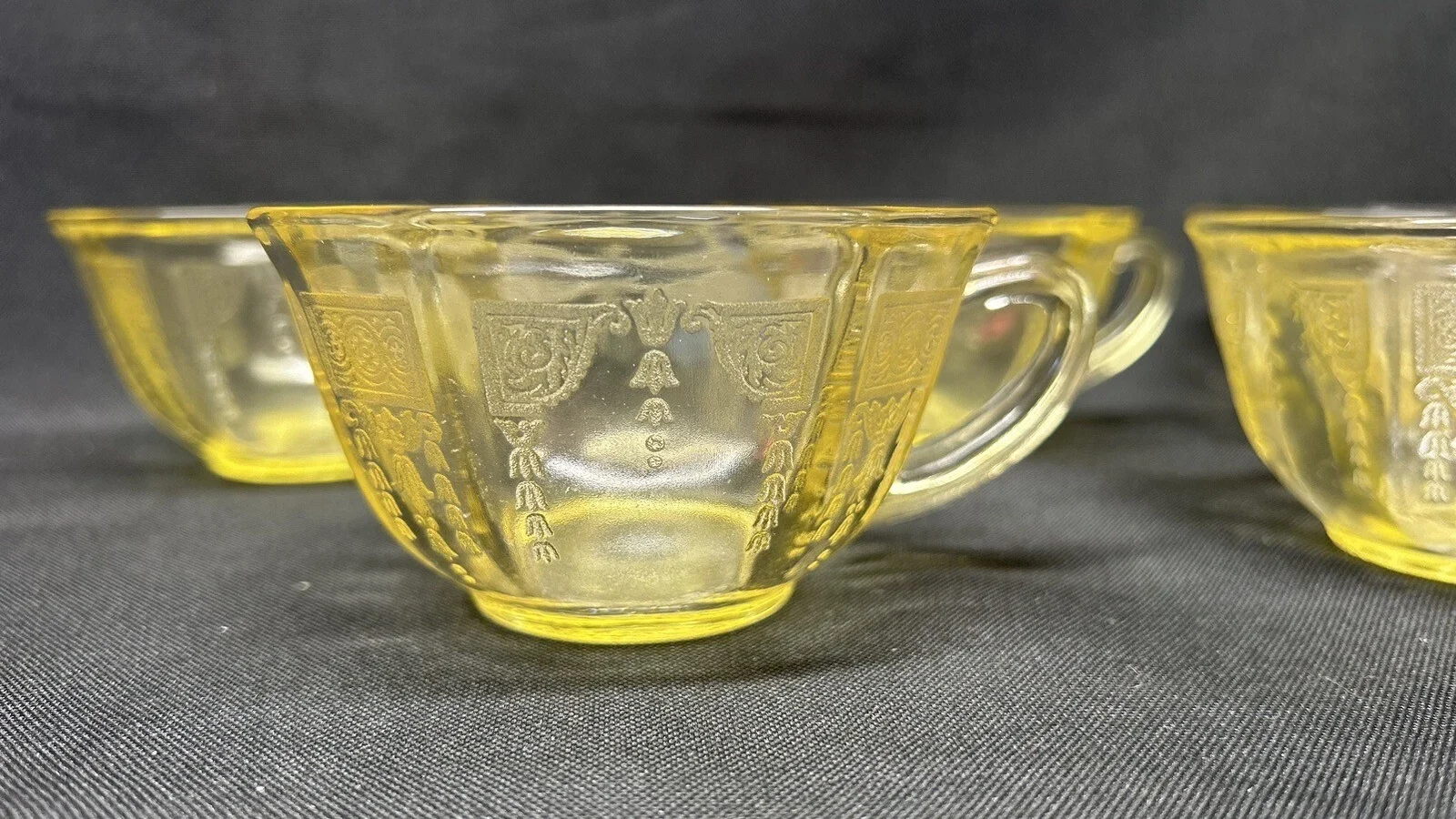
The Princess pattern, produced by the Hocking Glass Company between 1931 and 1935, is noted for its intricate geometric designs. The topaz yellow version of this pattern is especially prized by collectors. Its warm, golden hue and elegant shapes make it a standout piece in any collection. If you have a yellow depression glass piece, it could be worth identifying its pattern to determine its potential value.
Rare Amber Madrid Pattern
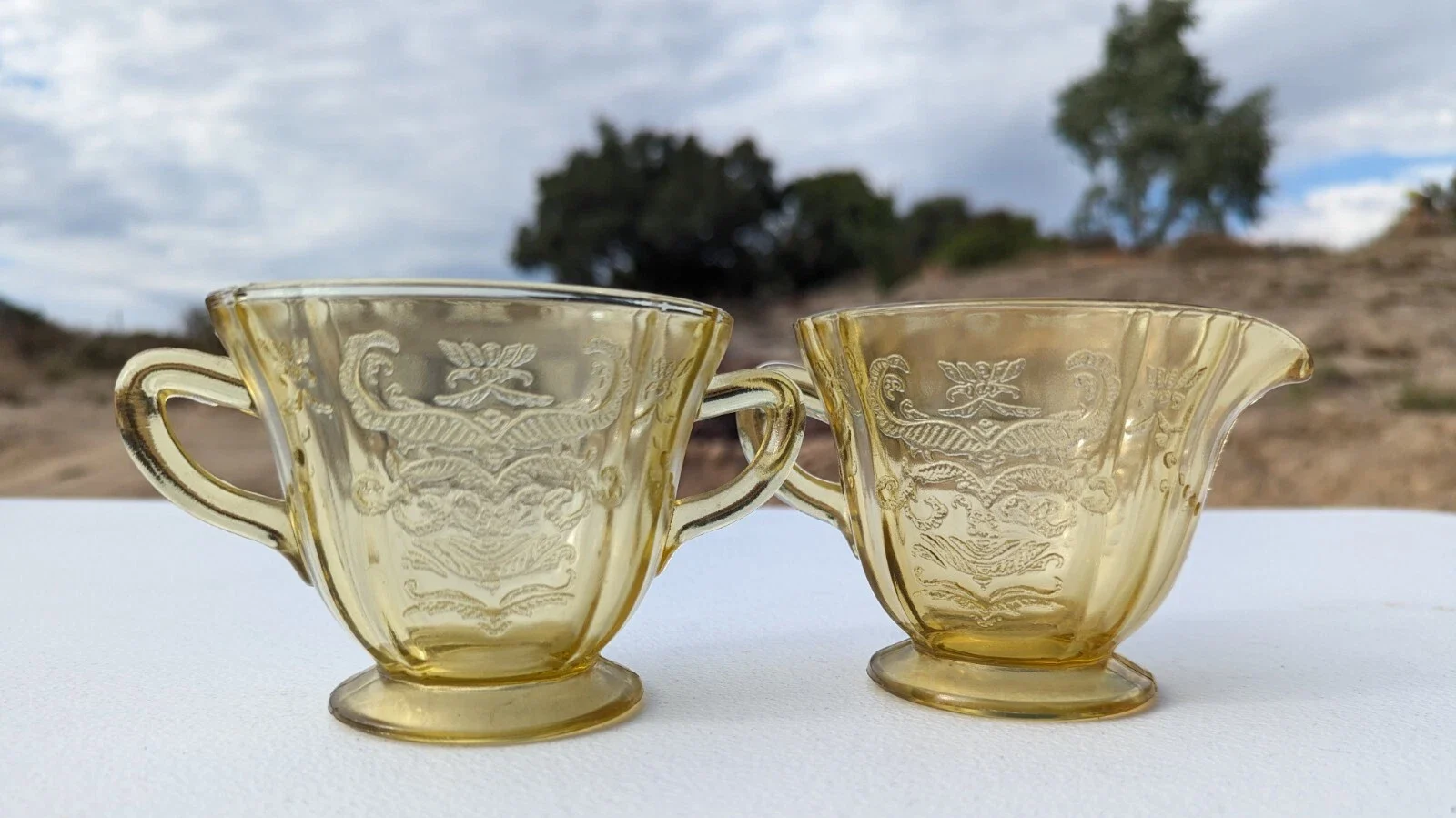
The Madrid pattern, produced by the Federal Glass Company, is a classic design that is highly sought after by collectors. This pattern was made from 1932 to 1939 and features a distinctive geometric motif. The amber version is particularly rare and can be quite valuable. If you come across amber-colored glassware in your collection, it could be worth investigating further to see if it belongs to the Madrid pattern.
Charming Royal Lace in Delicate Pink
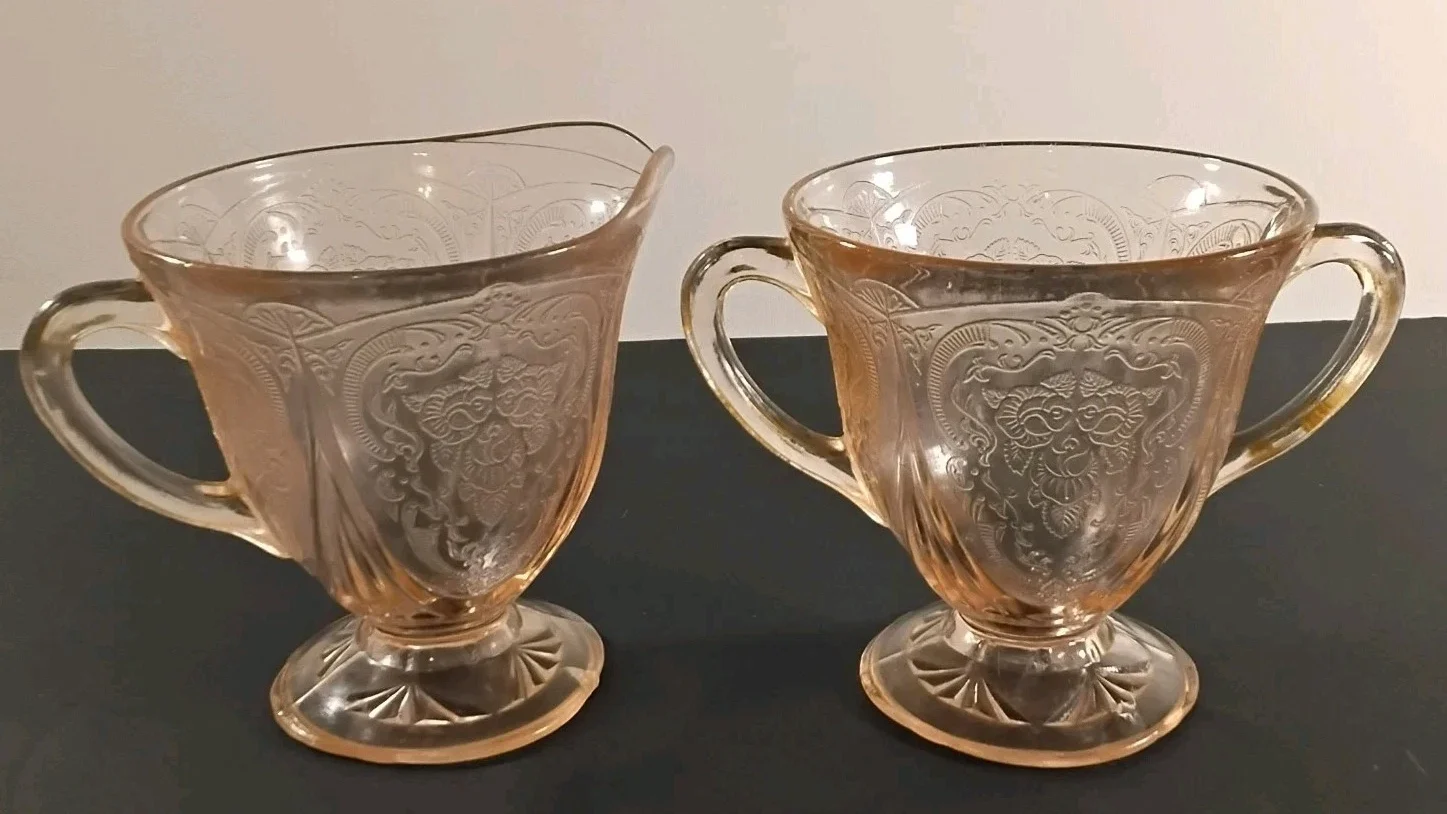
The Royal Lace pattern, produced by the Hazel-Atlas Glass Company, is one of the most popular depression glass patterns. Made from 1934 to 1941, its intricate lace-like design is beloved by collectors. The pink version is especially charming and can fetch a premium price. If you have any pink depression glass in your cabinet, it might be worth identifying its pattern to see if it matches the coveted Royal Lace design.
Distinctive Florentine Poppy No. 2
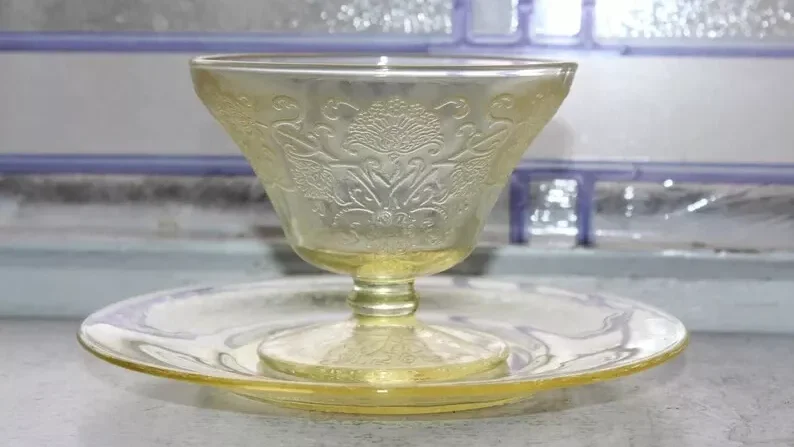
Produced by the Hazel-Atlas Glass Company from 1932 to 1935, the Florentine Poppy No. 2 pattern is known for its delicate floral design. This pattern comes in various colors, but the green version is particularly popular. Its intricate details and classic elegance make it a favorite among collectors. If you have depression glass with a floral motif, it could be worth examining to see if it belongs to this distinctive pattern.
Coveted American Sweetheart Monax
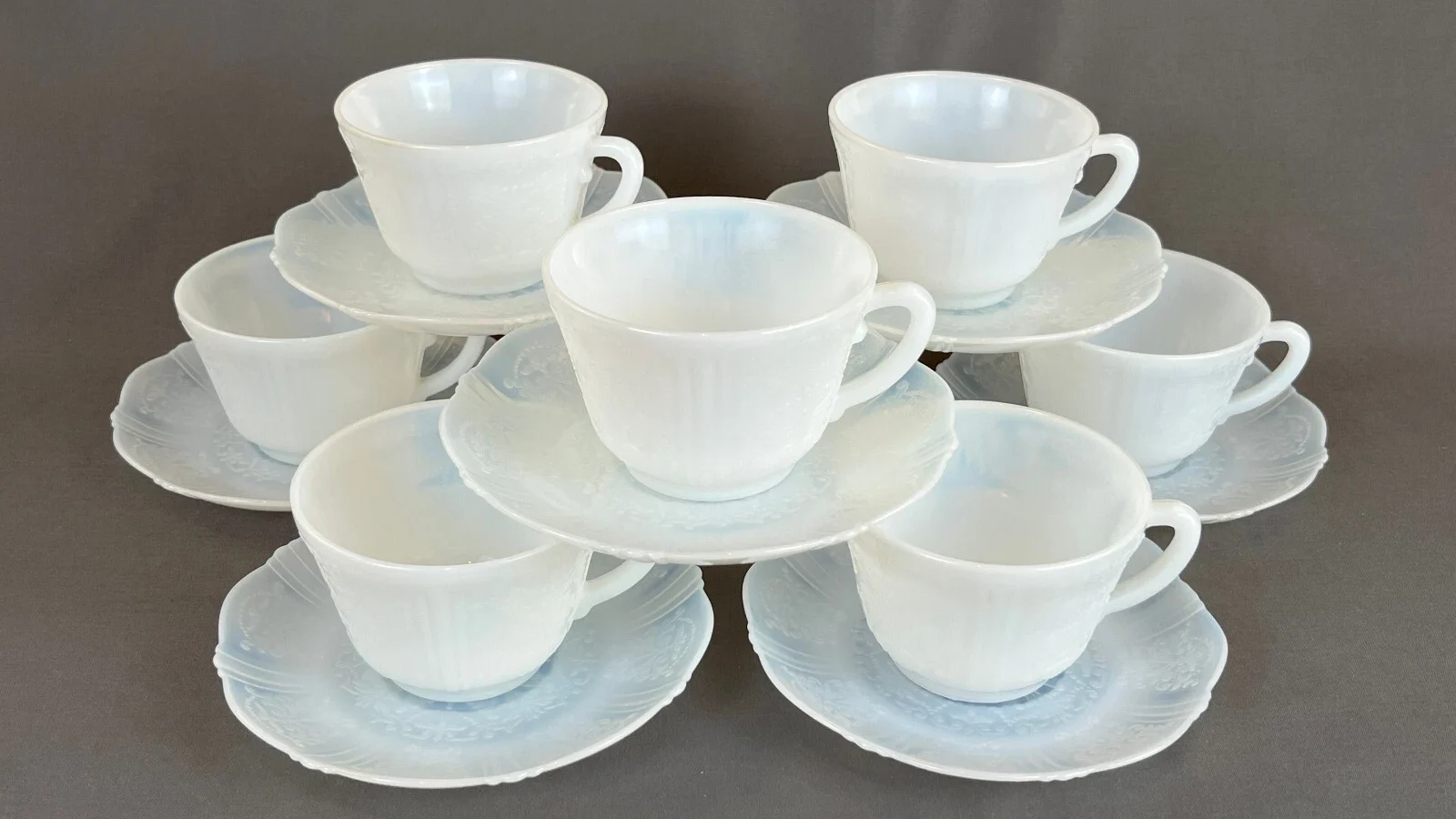
The American Sweetheart pattern, produced by the MacBeth-Evans Glass Company, is renowned for its delicate and intricate design. Made between 1930 and 1936, this pattern is particularly coveted in the Monax color, a milky white glass that resembles opal. Its elegant design and unique color make it a highly sought-after piece among collectors. If you have any white depression glass, it could be worth inspecting to see if it matches the American Sweetheart pattern.
Intricate Patrician Spoke Design
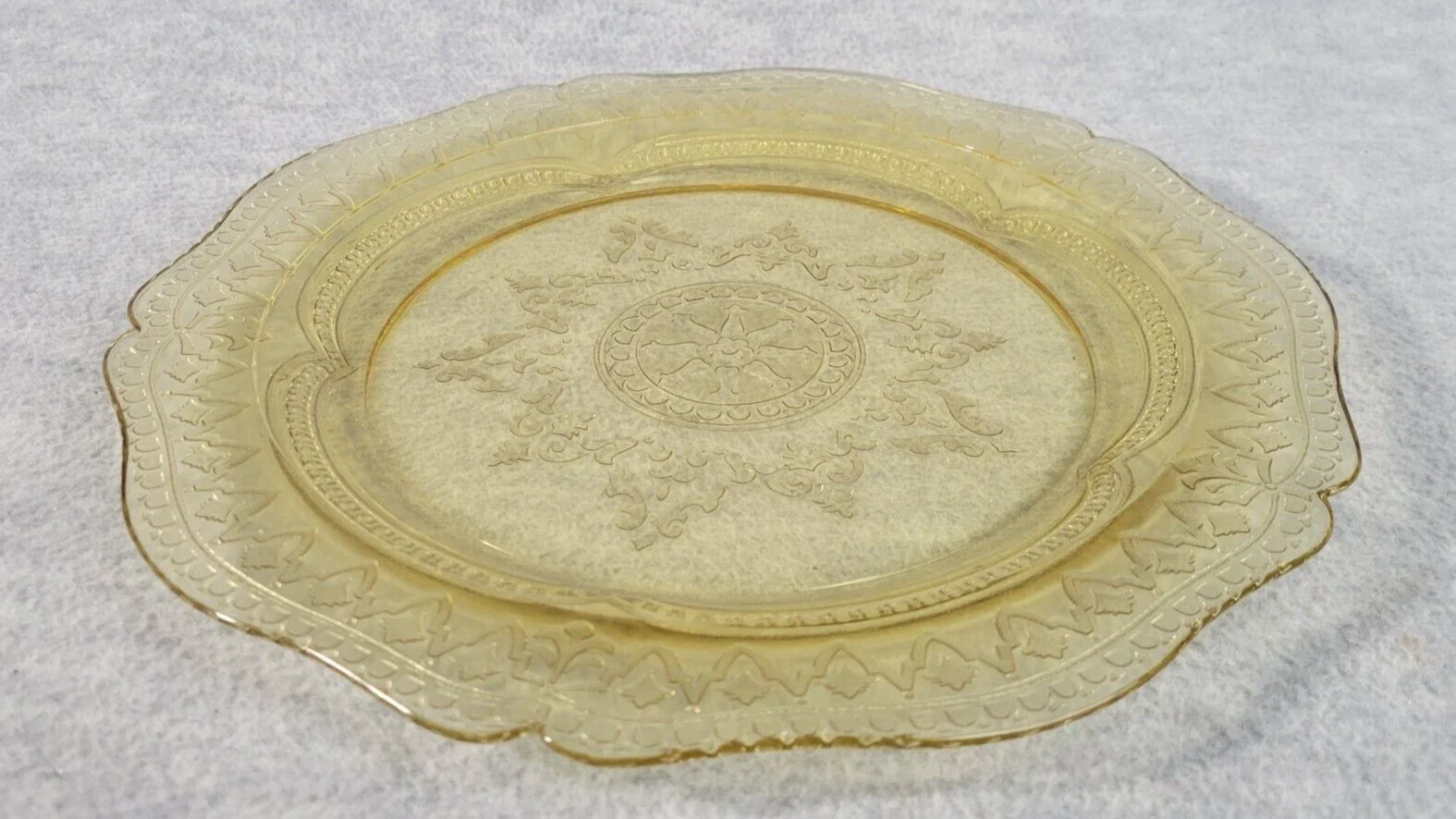
The Patrician pattern, also known as Spoke, was produced by the Federal Glass Company from 1933 to 1937. This pattern features an intricate design that resembles the spokes of a wheel, and it comes in various colors. The amber version is particularly popular and can be valuable to collectors. If you have depression glass with a spoke-like design, it might be worth checking if it belongs to the Patrician pattern.
Prized Windsor Diamond Green
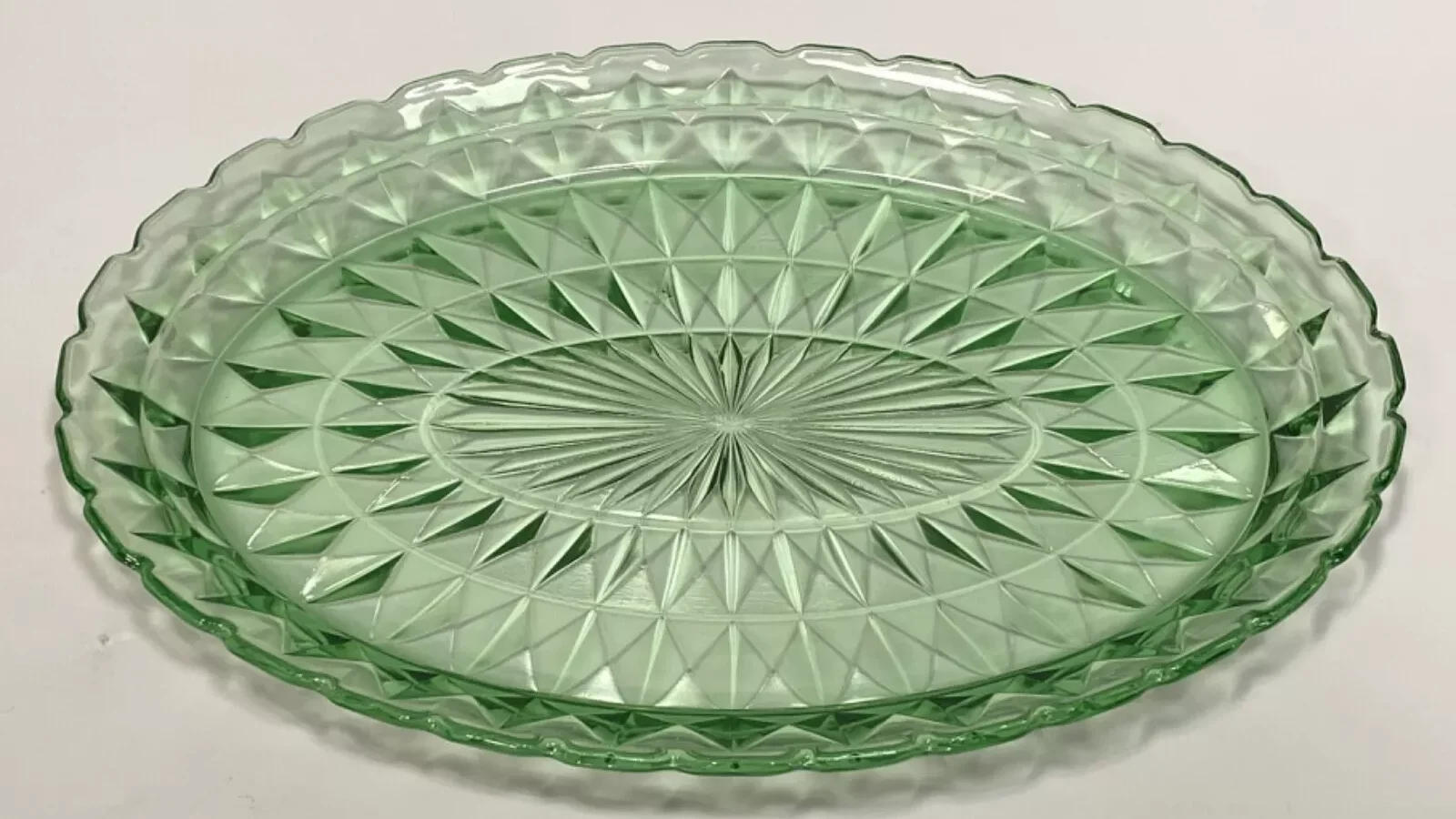
The Windsor Diamond pattern, produced by the Jeannette Glass Company from 1932 to 1946, is known for its intricate diamond design. The green version of this pattern is especially prized by collectors. Its unique geometric design and vibrant color make it a standout piece in any collection. If you have depression glass with a diamond motif, it could be worth identifying its pattern to determine its value.
Stunning Hazel-Atlas Criss-Cross Pattern
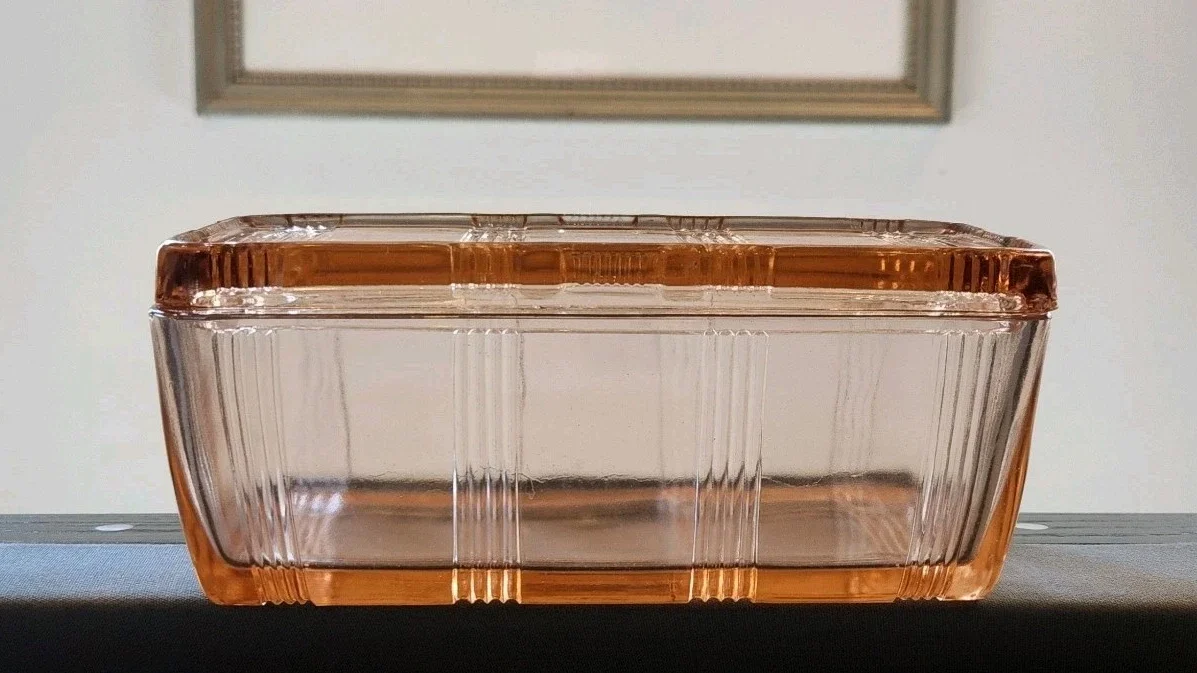
The Criss-Cross pattern, produced by the Hazel-Atlas Glass Company, is known for its simple yet elegant design. Made from 1935 to 1938, this pattern features a distinctive criss-cross motif that is both classic and modern. Its timeless appeal makes it a favorite among collectors. If you have glassware with a criss-cross design, it might be worth investigating to see if it belongs to this stunning pattern.

Cole Whitaker focuses on the fundamentals of money management, helping readers make smarter decisions around income, spending, saving, and long-term financial stability. His writing emphasizes clarity, discipline, and practical systems that work in real life. At The Daily Overview, Cole breaks down personal finance topics into straightforward guidance readers can apply immediately.

