
As businesses navigate the complexities of global trade, tariffs have become an unavoidable factor impacting their bottom lines. Companies are implementing various strategies to mitigate the burden of these additional costs, often passing them on to consumers in subtle and not-so-subtle ways. Here are 12 methods businesses are using to shift tariff costs to their customers.
1. Price Increases on Final Products

One of the most direct ways businesses offset tariff costs is by increasing the prices of their final products. By adjusting price tags, companies attempt to maintain profit margins while grappling with higher import fees. For instance, many electronics manufacturers have adjusted the prices of popular items like smartphones and laptops to cover the increased costs of components sourced from abroad.
In the automobile industry, brands like Ford and General Motors have also been compelled to raise prices on certain models. According to a Wolf Street report, tariff costs generated significant revenue, impacting consumer pricing strategies across various sectors.
2. Reduction in Product Sizes

Another subtle method is the reduction of product sizes while maintaining the same price point. This strategy, often referred to as “shrinkflation,” enables companies to manage costs without overtly raising prices. Consumers might notice this in items such as packaged foods or household products, where quantities are slightly decreased.
For example, some snack manufacturers have reduced the number of chips in a bag without altering the packaging, making it less obvious to consumers. This tactic allows businesses to pass on the costs indirectly while keeping their products competitively priced on store shelves.
3. Introduction of New Fees or Surcharges

Businesses may also introduce specific fees or surcharges as a means to cover additional expenses incurred from tariffs. These charges can appear on invoices as separate line items, often labeled as “tariff surcharge” or “import fee.” This approach transparently communicates the impact of tariffs to consumers, who directly shoulder these costs.
Airlines have adopted similar tactics by adding fuel surcharges that fluctuate with global oil prices. As tariffs continue to affect supply chains, this method offers companies a way to adapt dynamically to changing cost structures.
4. Substitution with Lower-Cost Materials

In response to rising material costs due to tariffs, businesses might substitute lower-cost materials in their products. This change can occur in industries ranging from fashion to manufacturing, where alternative materials are used to keep production costs down.
For example, clothing companies might switch from high-quality fabrics to more affordable alternatives without a noticeable impact on the final product’s appearance. This strategy helps maintain price points but can sometimes lead to a decline in product durability or overall quality.
5. Reduction in Discounts and Promotions

Businesses can choose to scale back on discounts and promotional offers as a way to compensate for increased costs. By reducing the frequency or value of sales, companies aim to preserve their revenue margins while still attracting customers.
Retailers like department stores and online platforms have been known to limit the extent of their discount promotions during periods of heightened tariff impacts. Customers may find fewer buy-one-get-one-free deals or reduced seasonal sales events as a result.
6. Shift to Cheaper Packaging Options

Packaging is another area where businesses can reduce costs by opting for less expensive materials or simpler designs. This shift often goes unnoticed by consumers, yet it plays a significant role in mitigating the financial strain caused by tariffs.
For instance, some consumer goods companies have transitioned from elaborate packaging to minimalist designs that use fewer materials. This change not only reduces costs but also appeals to environmentally conscious consumers by minimizing waste.
7. Scaling Back on Product Features

Companies might choose to scale back on certain product features to offset the costs associated with tariffs. This approach allows them to maintain existing price points while streamlining production and reducing expenses.
In the tech industry, smartphone manufacturers might eliminate less popular features or simplify designs to save on production costs. This strategy helps keep products affordable while ensuring that core functionalities remain intact.
8. Increasing Shipping and Handling Charges
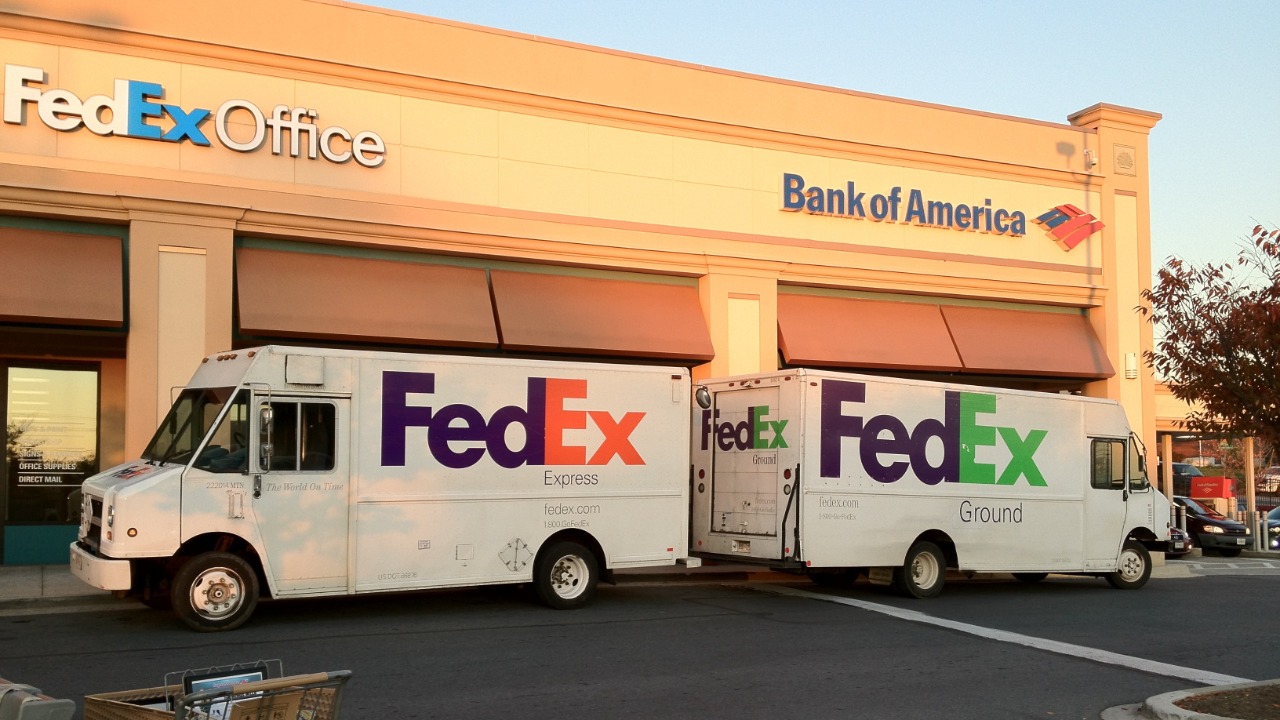
As tariffs increase the cost of imported goods, shipping and handling fees may also rise as a means of compensating for these expenses. Customers might notice higher delivery charges or additional fees when purchasing products online.
The delivery sector, including companies like FedEx and UPS, often adjusts shipping rates in response to fluctuating international trade costs. This approach allows them to cover the added expenses without directly increasing product prices.
9. Transition to Value or Budget Brands

Businesses may introduce value or budget brands as a way to offer more affordable options to price-sensitive consumers. These brands typically use cost-effective production methods and materials to deliver competitive pricing.
For example, large retail conglomerates like Walmart and Target have developed private-label brands that focus on providing essential products at lower price points. This strategy caters to consumers seeking savings while maintaining product availability in the market.
10. Reduced Customer Service Offerings

In an effort to cut costs, some companies might scale back on customer service offerings. This reduction can include fewer customer support representatives, limited service hours, or the elimination of certain support channels.
Such changes can be seen in industries like telecommunications and retail, where businesses aim to streamline operations without significantly impacting the customer experience. While this approach may save costs, it can also affect customer satisfaction and brand loyalty.
11. Alteration of Loyalty Program Benefits

Loyalty programs are another area where businesses might adjust benefits to offset tariff-related expenses. Companies could reduce the points or rewards earned per purchase, change redemption values, or limit available rewards.
Retailers and airlines are known for frequently updating their loyalty programs to better align with current business conditions. These adjustments aim to maintain program sustainability while managing the financial impact of increased costs. According to a BBC News article, such changes in loyalty programs can significantly alter consumer behavior.
12. Implementation of Tiered Pricing Strategies

To address differing customer budgets and preferences, businesses might implement tiered pricing strategies. This approach offers various product versions at different price points, allowing consumers to choose based on their financial capacity.
In the software industry, companies like Adobe offer subscription plans with varying levels of features and support. This tiered approach enables them to reach a broader audience while managing the impact of tariffs on product costs. For a detailed analysis of how large and small firms navigate trade tensions, check out this JPMorgan report.

Grant Mercer covers market dynamics, business trends, and the economic forces driving growth across industries. His analysis connects macro movements with real-world implications for investors, entrepreneurs, and professionals. Through his work at The Daily Overview, Grant helps readers understand how markets function and where opportunities may emerge.

