
Retiring early might seem like a luxury reserved for those with substantial savings, but it’s more achievable than many realize. By making strategic financial and lifestyle choices, you can set the stage for an early retirement, even without a massive nest egg. Here are 12 practical steps to help you transition into this new phase of life.
1. Optimize Your Budget

Creating a realistic budget is the first step toward early retirement. Analyze your spending habits and identify areas where you can cut costs. Focus on essentials and prioritize saving over unnecessary expenses.
By tracking your expenses, you can ensure that your money is working towards your retirement goals. Consider using budgeting apps to simplify the process and keep your finances in check.
2. Focus on High-Interest Debt Elimination

High-interest debts, like credit card balances, can be a major obstacle to retiring early. Prioritize paying off these debts to free up more money for savings. Using strategies such as the debt snowball method can help you tackle smaller debts first, providing a psychological boost as you work toward eliminating larger ones.
3. Embrace Minimalist Living

Minimalism isn’t just a lifestyle trend; it’s a powerful tool for saving money. By adopting a minimalist mindset, you can focus on what truly matters and eliminate excess. This approach can lead to reduced spending on material goods and more savings towards retirement. Minimalism encourages you to be intentional with your purchases, leading to a simpler, more fulfilling life.
4. Leverage Low-Cost Investments
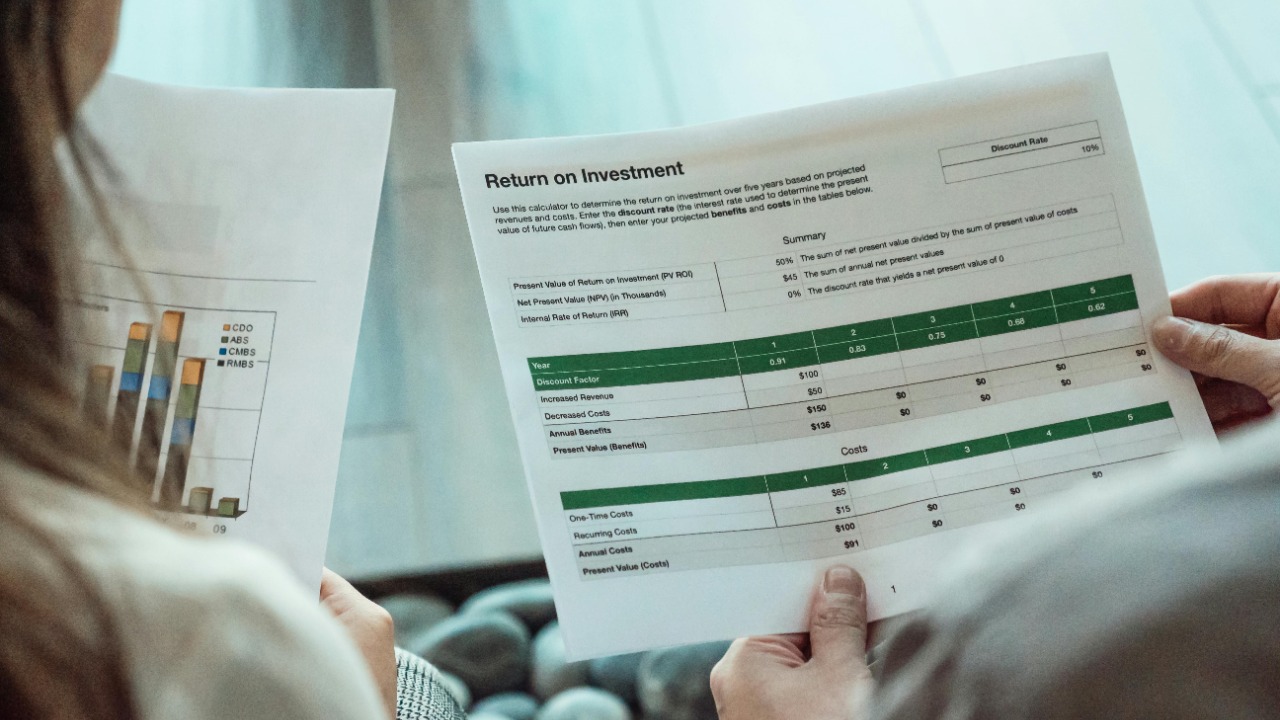
Investing is essential for growing your retirement funds, even if you start with a small amount. Look for low-cost investment options such as index funds or ETFs, which offer diversification and lower fees. Consider exploring retirement saving opportunities that suit your financial situation and risk tolerance to ensure your money grows over time.
5. Maximize Retirement Account Contributions

Maximizing contributions to retirement accounts like 401(k)s or IRAs is crucial for building your retirement fund. Take advantage of employer matches if available, as it’s essentially free money. By contributing the maximum amount allowed, you can significantly boost your savings. For more on retirement account strategies, check out this comprehensive guide.
6. Explore Part-Time Work or Side Hustles

Transitioning to part-time work or starting a side hustle can provide additional income while allowing you to gradually enter retirement. This income can be used for immediate expenses or added to your retirement savings. Choose a side hustle that aligns with your interests and skills to ensure it’s both enjoyable and profitable.
7. Downsize Your Living Space

Consider downsizing your home to reduce costs and simplify your life. A smaller living space can lead to lower utility bills, maintenance costs, and property taxes. Selling your current home and moving to a more affordable one can free up funds that can be redirected towards your retirement savings.
8. Relocate to a Lower-Cost Area

Moving to an area with a lower cost of living can significantly reduce your expenses. Research locations that offer affordable housing, lower taxes, and a comfortable lifestyle. This change can help stretch your retirement savings further and improve your quality of life.
9. Cultivate Self-Sufficiency Skills

Learning skills that promote self-sufficiency can reduce expenses and increase independence. Consider growing your own food, learning basic home repairs, or even making your own clothing. These skills not only save money but also provide a sense of accomplishment and resilience.
10. Utilize Community Resources

Take advantage of community resources to cut costs and maintain an active lifestyle. Libraries, community centers, and local events often offer free or low-cost entertainment and educational opportunities. Check out community workshops or classes to learn new skills and meet like-minded individuals.
11. Delay Social Security Benefits

Delaying Social Security benefits can result in larger monthly payments when you do begin collecting. If possible, wait until full retirement age or later to maximize your benefits. This strategy can provide a more substantial income stream during your retirement years.
12. Plan for Healthcare Costs Strategically

Healthcare is a significant expense in retirement, so plan for it accordingly. Consider options like health savings accounts (HSAs) and research healthcare plans that fit your needs and budget. Staying healthy through regular exercise and a balanced diet can also help reduce healthcare costs over time. For more insights, explore this guide to boosting your nest egg.

Nathaniel Cross focuses on retirement planning, employer benefits, and long-term income security. His writing covers pensions, social programs, investment vehicles, and strategies designed to protect financial independence later in life. At The Daily Overview, Nathaniel provides practical insight to help readers plan with confidence and foresight.