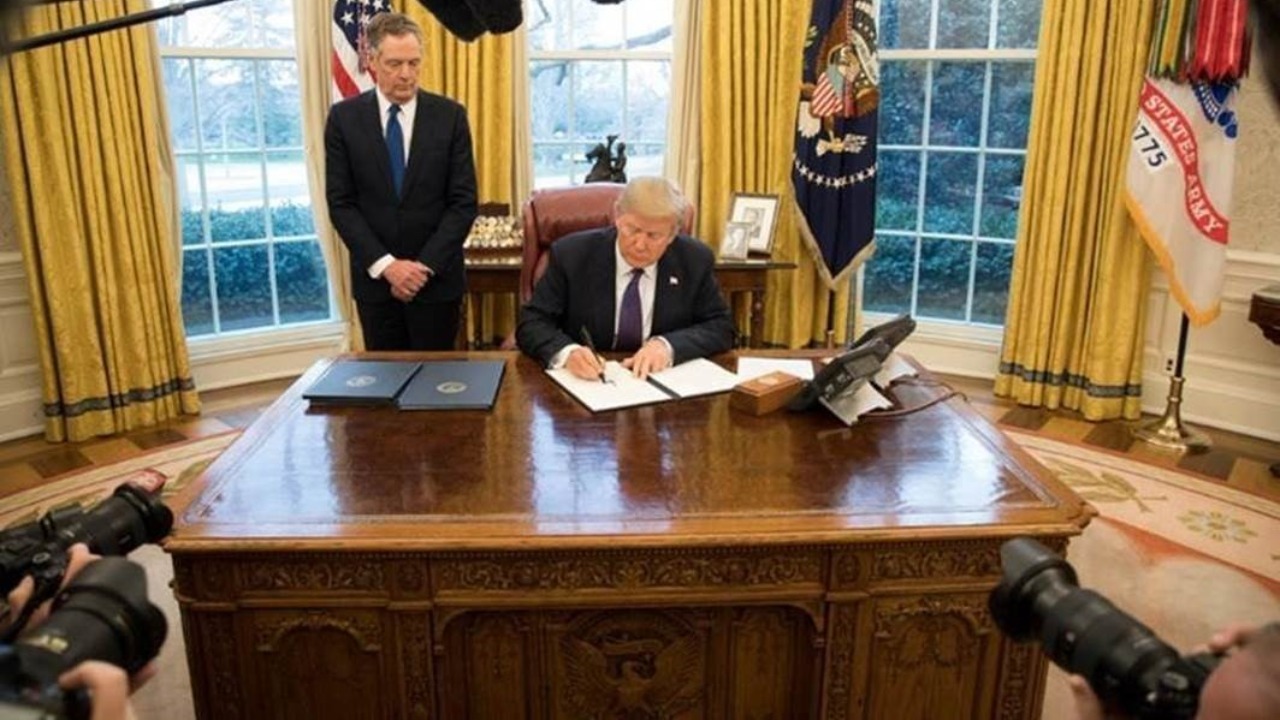
In a significant shift that could redefine global trade dynamics, President Donald Trump is intensifying the use of tariffs as a central economic strategy following his 2024 election victory. As of November 5, 2025, detailed explanations of these tariffs’ mechanics and strategic rationale have emerged, highlighting one of many economic threats Americans face today. From protectionist measures to broader fiscal instabilities, these challenges underscore the importance of proactive preparation strategies amid uncertain times.
1. Tariffs and Trade Barriers
Tariffs, essentially taxes on imported goods, are designed to protect domestic industries by making foreign products more expensive and less competitive. This can lead to higher consumer prices as businesses pass on the increased costs. President Donald Trump has been leveraging tariffs to address trade imbalances, bolster American manufacturing, and counter what he perceives as unfair trade practices by countries like China. According to a recent analysis, these tariffs are part of a broader strategy to recalibrate international trade relations and support domestic economic interests. To prepare for potential impacts, individuals might consider diversifying their investments away from sectors heavily reliant on imports and staying informed about policy changes to adjust personal budgets accordingly.
2. Inflation Pressures
Inflation, driven by supply shortages and monetary policy shifts, has been a persistent concern, with some post-pandemic recovery periods witnessing annual inflation rates exceeding 7%. This rise in consumer prices erodes purchasing power, making essentials like food and housing more expensive, while wage growth often fails to keep pace. For everyday Americans, this means a tighter squeeze on household budgets. To mitigate these effects, building emergency savings in assets resistant to inflation and negotiating salary adjustments tied to cost-of-living indices can be effective strategies.
3. Recession Risks
Economic recessions, characterized by two consecutive quarters of declining GDP, pose significant threats to employment and business viability. Historical precedents, such as the 2008 financial crisis, resulted in widespread job losses and economic instability. Warning signs like inverted yield curves and reduced consumer spending often signal potential downturns. To prepare, individuals can focus on skill diversification to enhance career resilience and maintain a financial buffer equivalent to six months of expenses to weather potential income disruptions.
4. National Debt Accumulation
The U.S. national debt, now exceeding $34 trillion, presents a substantial economic burden. This debt increases interest payments and can crowd out public investments in critical areas like infrastructure and education. Long-term threats include the possibility of higher taxes or reduced social services to manage debt servicing, potentially slowing economic growth by 1-2% annually. Personal strategies to counter these challenges include reducing personal debt loads and investing in government bonds, which can offer stability during periods of fiscal tightening.
5. Supply Chain Disruptions
Events like the 2021 Suez Canal blockage have exposed vulnerabilities in global supply chains, leading to delayed shipments and increased costs for products such as electronics and automobiles. Geopolitical tensions further exacerbate these risks, particularly in sectors reliant on foreign semiconductors, which could halt U.S. manufacturing if access is restricted. To mitigate these disruptions, supporting local sourcing for essential goods and building home stockpiles of critical items can be prudent measures.
6. Unemployment Spikes
Structural unemployment, driven by automation and offshoring, has significantly impacted sectors like retail, which has seen job reductions of up to 20% due to the rise of e-commerce. During economic downturns, cyclical unemployment can push layoff rates to 10% or higher, disproportionately affecting lower-income workers. To prepare, individuals can focus on upskilling through online certifications and expanding their professional networks to access emerging job markets.
7. Housing Market Volatility
The housing market faces bubble risks reminiscent of 2007, where median home prices surged by 50% before crashing, leading to widespread foreclosures and negative equity. Current affordability crises, exacerbated by rising interest rates, have increased mortgage costs by 30%, sidelining many first-time buyers in high-demand urban areas. To navigate these challenges, potential homeowners might consider saving for larger down payments and exploring alternative housing options like co-living to counter price swings.
8. Stock Market Crashes
Stock market crashes, such as the 2020 COVID-induced drop of 34% in the S&P 500, can erase trillions in retirement savings overnight. Triggers like overvaluation and panic selling amplify losses for retail investors without diversified portfolios. Protective actions include employing dollar-cost averaging in investments and consulting financial advisors to develop risk-assessed portfolios that can withstand market volatility.
9. Cyber Economic Attacks
Cyber threats, such as ransomware attacks on supply chains, pose significant economic risks. The 2021 Colonial Pipeline incident, which resulted in fuel shortages and a $4.4 million ransom payment, underscores the vulnerabilities in critical infrastructure. Broader threats to financial systems, where data breaches could freeze banking operations, further highlight the need for robust cybersecurity measures. Safeguards like multi-factor authentication for accounts and offline backups of personal financial data are essential to protect against these threats.
10. Climate Change Costs
Economic damages from extreme weather events are mounting, with 2023 U.S. disasters costing over $90 billion in insured losses from hurricanes and wildfires. Future burdens, such as agricultural yield drops of 10-20% due to droughts, could raise food prices and strain rural economies. Preparations might include eco-friendly home retrofits for insurance savings and investments in green technologies to enhance long-term resilience against climate-related disruptions.
11. Pandemic Aftershocks
The economic scars from COVID-19, including a 3.4% GDP contraction in 2020 and persistent labor shortages in hospitality sectors, continue to affect global economies. Future outbreaks could disrupt travel and trade, potentially halting 5-10% of economic activity in vulnerable industries. Building health-focused emergency kits and developing remote work capabilities can help maintain income stability during potential quarantines.
12. Geopolitical Conflicts
Geopolitical conflicts, such as the Russia-Ukraine war, have driven energy prices up by 50% and inflated global commodity costs. Escalation risks involving major powers, like U.S.-China tensions over Taiwan, could sever critical tech supply lines. To prepare, diversifying international investments and staying informed through reliable news sources can help anticipate market reactions and mitigate potential impacts.
13. Currency Devaluation
Scenarios of dollar weakening due to excessive money printing could lead to import cost hikes similar to the 1970s stagflation era, which saw inflation peaks of 13%. This devaluation threatens savings, particularly for fixed-income retirees, who could face a 20-30% real value erosion over a decade. Hedging strategies, such as maintaining foreign currency accounts and investing in precious metals, can help preserve wealth amid currency volatility.
More From TheDailyOverview
- Dave Ramsey says these two simple questions show whether you’re rich or poor
- Retired But Want To Work? Try These 18 Jobs for Seniors That Pay Weekly
- IRS raises capital gains thresholds for 2026 and what’s new
- 12 ways to make $5,000 fast that actually work

Grant Mercer covers market dynamics, business trends, and the economic forces driving growth across industries. His analysis connects macro movements with real-world implications for investors, entrepreneurs, and professionals. Through his work at The Daily Overview, Grant helps readers understand how markets function and where opportunities may emerge.

