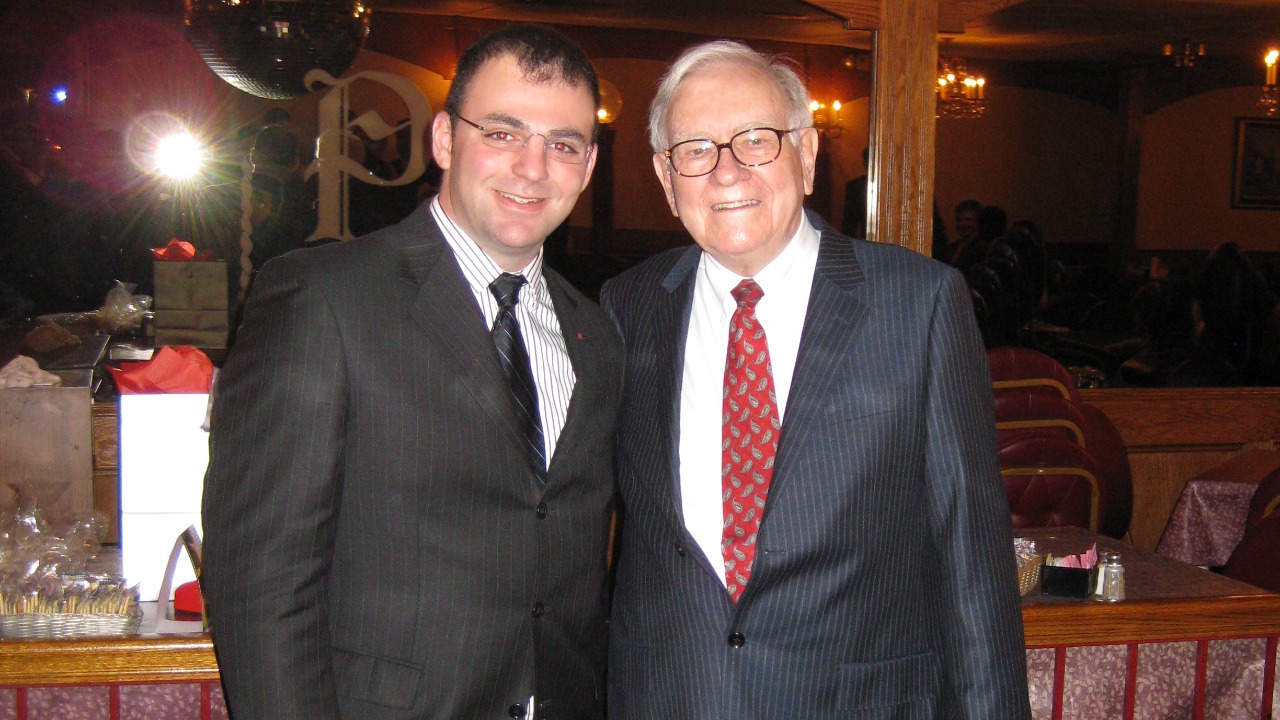
Warren Buffett, one of the most successful investors of all time, is renowned not only for his immense wealth but also for his frugal lifestyle. Despite his billionaire status, Buffett’s approach to money management is rooted in simplicity and prudence. His financial philosophy offers valuable lessons for anyone looking to build wealth through disciplined spending and investing. By examining his lifestyle and investment strategies, we can uncover practical tips that apply to everyday financial decisions, from housing choices to investment strategies.
Embrace Modest Housing Choices
Warren Buffett’s commitment to modest housing is a testament to his frugal nature. He has lived in the same house in Omaha, Nebraska, since 1958, which he purchased for $31,500. This decision reflects his belief in the value of stability over luxury. By avoiding unnecessary real estate upgrades, Buffett has preserved capital for investments, a strategy that has significantly contributed to his wealth accumulation. This principle is a powerful reminder that prioritizing home stability over luxury can lead to steady net worth growth. For those looking to emulate Buffett’s success, focusing on affordable housing can free up resources for more lucrative investments.
Maintain an Old Vehicle
Buffett’s choice to drive older, reliable cars rather than luxury vehicles is another example of his frugal habits. This decision underscores his focus on value over status, a mindset that can lead to significant savings over time. By avoiding the depreciation costs associated with new cars, Buffett demonstrates how practical transportation choices can contribute to long-term financial health. For everyday individuals, opting for a dependable used car can reduce expenses and allow for greater investment in wealth-building opportunities.
Opt for Simple Daily Meals
Buffett’s routine of enjoying inexpensive breakfasts at fast-food restaurants highlights his commitment to controlling daily expenses. This habit, while seemingly minor, exemplifies how consistent low-cost eating can preserve wealth. By choosing simple meals, Buffett avoids the unnecessary costs associated with dining out at expensive establishments. For those seeking to adopt similar routines, focusing on affordable meal options can lead to substantial savings without sacrificing satisfaction.
Avoid Luxury Brand Spending
Buffett’s disdain for luxury brands and high-end goods is a cornerstone of his frugal philosophy. He emphasizes functionality and practicality in his purchases, avoiding the allure of expensive fashion and goods. This approach teaches a valuable lesson in discerning needs from wants, encouraging individuals to redirect savings toward investments. By prioritizing functionality over brand prestige, one can align spending habits with long-term financial goals, much like Buffett has done throughout his career.
Prioritize Long-Term Investing
Buffett’s investment strategy is characterized by patience and a focus on long-term growth. He advises against impulsive trades, advocating for careful stock selection and sustained holdings. This approach has been instrumental in building his fortune, as evidenced by his success with Berkshire Hathaway. For individual investors, adopting a similar mindset can harness the power of compound growth, turning modest investments into substantial wealth over time.
Live Well Below Your Means
Living below one’s means is a fundamental principle in Buffett’s financial philosophy. By consistently spending less than he earns, Buffett has been able to fuel his investments and grow his wealth. This practice is central to his frugal living tips and serves as a powerful example for middle-income households. By adopting budgeting techniques that prioritize savings and investments, individuals can emulate Buffett’s approach to financial success.
Cultivate Reading Habits Daily
Buffett dedicates a significant portion of his day to reading, viewing it as a low-cost way to gain knowledge and make informed investment decisions. This habit allows him to avoid expensive advisors and stay informed about market trends. For those looking to follow in his footsteps, developing a daily reading routine can enhance financial literacy and decision-making skills. Recommended books and resources can provide valuable insights into the world of investing and personal finance.
Steer Clear of Consumer Debt
Buffett’s warnings against consumer debt highlight its potential to destroy wealth. He advises avoiding credit-fueled purchases, emphasizing the importance of financial discipline. By steering clear of debt, Buffett has been able to focus on wealth-building strategies that prioritize savings and investments. For individuals, adopting practical debt-reduction steps can lead to greater financial stability and long-term success.
Focus on Intrinsic Business Value
Buffett’s investment strategy centers on identifying undervalued companies with strong intrinsic value. This approach has been a key factor in his success with Berkshire Hathaway. By focusing on the fundamental value of businesses, Buffett avoids speculative investments and prioritizes long-term growth. For average investors, utilizing screening tools to identify similar opportunities can lead to more informed and profitable investment decisions.
Build a Circle of Competent Advisors
Surrounding himself with trusted and competent advisors is a crucial aspect of Buffett’s strategy. This collaborative approach minimizes errors and enhances decision-making. By building a network of knowledgeable partners, Buffett has been able to leverage diverse perspectives and expertise. For professionals, networking frugally and cultivating relationships with skilled advisors can lead to personal and financial growth.
Practice Generous Philanthropy Wisely
Buffett’s commitment to philanthropy is a testament to his belief in frugal wealth redistribution. His massive pledges to charity demonstrate how giving can be both generous and tax-efficient. By practicing wise philanthropy, individuals can make a positive impact while managing their financial resources effectively. Scaled-down charitable strategies can be adopted by non-billionaires to contribute meaningfully to society.
Master the Art of Delayed Gratification
Buffett’s philosophy emphasizes the importance of delayed gratification in achieving financial success. He advocates for steady frugality and patience, recognizing that quick riches are rare. This mindset has been instrumental in his decades-long investing journey. For individuals, practicing exercises that build this mindset can lead to better financial decisions and long-term wealth accumulation.
Simplify Office and Work Habits
Buffett’s no-frills office setup exemplifies efficient frugality in the workplace. By focusing on productivity without excess, he demonstrates how simplicity can enhance work efficiency. For remote workers and professionals, optimizing workspaces to eliminate distractions and unnecessary expenses can lead to improved performance and cost savings.
Commit to Lifelong Frugal Discipline
Buffett’s unwavering adherence to frugal principles over decades has had a profound impact on his fortune. By consistently prioritizing basics and avoiding excess, he has built a legacy of financial success. For individuals, conducting regular audits of personal habits and refining them annually can lead to sustained financial growth and stability.

Cole Whitaker focuses on the fundamentals of money management, helping readers make smarter decisions around income, spending, saving, and long-term financial stability. His writing emphasizes clarity, discipline, and practical systems that work in real life. At The Daily Overview, Cole breaks down personal finance topics into straightforward guidance readers can apply immediately.

