Travel costs keep climbing, but it is still possible to plan a big adventure without draining your savings. I focused on U.S. destinations that recent reporting highlights as must-visit spots for 2025, especially places where trails, parks, and public spaces do most of the heavy lifting. Each of these 14 locations rewards a modest budget with serious scenery, culture, and outdoor access, proving that low-cost discovery is still very much within reach.
1) Great Smoky Mountains National Park, Tennessee/North Carolina
Great Smoky Mountains National Park, Tennessee and North Carolina, is repeatedly flagged as a top value pick for 2025 because the park itself does not charge an entrance fee, yet it delivers some of the country’s most dramatic mist-filled vistas and wildlife viewing. The 2025 list of must-travel spots in North America highlights the Smokies as a place where budget hikers can access hundreds of miles of trails, from waterfall walks to Appalachian ridge climbs, without paying resort prices for the experience. That combination of no-fee entry and dense trail networks makes it a standout for low-cost discovery.
Recent guides urge travelers to visit Great Smoky Mountains National Park in shoulder seasons to avoid peak congestion while still seeing elk, black bears, and spring wildflowers. Another detailed overview invites visitors to discover Great Smoky Mountains National Park through scenic drives and accessible viewpoints, reinforcing how much you can see with only a tank of gas and a basic daypack. For travelers watching every dollar, the stakes are clear: a park that is free to enter, rich in biodiversity, and easy to reach by car offers one of the highest adventure-to-cost ratios in the country.
2) Shenandoah National Park, Virginia
Shenandoah National Park, running along Virginia’s Blue Ridge, earns its place on the 2025 must-travel list as a relatively affordable way to experience classic Appalachian scenery. The park’s Skyline Drive, a twisting road that follows the ridgeline, concentrates viewpoints, picnic areas, and trailheads so closely that a single day’s drive can deliver dozens of overlooks without extra fees beyond the standard park entrance. For budget travelers, that means fall foliage road trips, sunrise pullouts, and short hikes to waterfalls can all be stacked into one low-cost itinerary.
Ranger-led programs, which the 2025 recommendations highlight as free add-ons, deepen that value by turning a simple hike into a lesson in forest ecology or park history at no additional charge. Families can plan camping or nearby motel stays while relying on Skyline Drive access and these programs for most of their entertainment, rather than paying for private tours. In a year when many travelers are trading long-haul flights for regional road trips, Shenandoah’s mix of driveable scenery and free interpretation makes it a strategic choice for stretching a tight budget.
3) Acadia National Park, Maine
Acadia National Park on the Maine coast is singled out in the 2025 must-travel list as a way to experience granite peaks, Atlantic surf, and spruce forest without the price tag of a far-flung international trip. The reporting emphasizes that visitors can rely on the park’s shuttle system and historic carriage roads to explore car-free, reducing fuel and parking costs while still reaching trailheads and viewpoints. That infrastructure, combined with relatively compact geography, lets travelers see a lot of Acadia in a few days without splurging on guided excursions.
Even critical coverage that ranks some parks poorly notes that there are “secret spots to avoid crowds in Acadia National Park,” underscoring how much of the experience still comes from simple hikes and coastal walks. Another regional overview reminds New England readers that while Acadia is a National Park in New England, it is also within a day’s drive for millions of people, which keeps transportation costs manageable. For budget-conscious travelers, that proximity, plus free access to carriage roads for walking and biking, turns Acadia into a practical coastal escape rather than a once-in-a-lifetime splurge.
4) Cuyahoga Valley National Park, Ohio
Cuyahoga Valley National Park in Ohio appears on the 2025 must-travel list as a reminder that you do not need to head west to find affordable national park scenery. The park sits between Cleveland and Akron, which means many visitors can reach it by car in a single day, cutting out airfare entirely. Reporting on the 2025 recommendations highlights the appeal of biking and walking paths that thread past waterfalls, wetlands, and historic canal structures, all of which can be enjoyed with little more than a packed lunch and a basic bike rental.
The park’s scenic railroad, which offers select low-cost or special free-ride opportunities tied to trail use, is another reason it fits a low-budget strategy. Travelers can ride one way and hike or bike back along the towpath, turning transportation into part of the adventure instead of a separate expense. For Midwestern families weighing the cost of flying to distant parks, Cuyahoga Valley’s urban-adjacent location and layered transportation options show how infrastructure can lower the barrier to meaningful outdoor time.
5) Gateway Arch National Park, Missouri
Gateway Arch National Park in St. Louis is highlighted in the 2025 must-travel lineup as a rare example of an urban national park that still works for tight budgets. The grounds along the Mississippi River are free to wander, giving visitors access to landscaped riverfront walks, museum exhibits beneath the Arch, and sweeping views of the city skyline without paying for private tours. Reporting on the 2025 recommendations points to the relatively inexpensive tram ride to the top as an optional splurge, not a requirement, which keeps the core experience accessible.
Because the park sits in downtown St. Louis, travelers can arrive by regional train or bus and explore on foot, avoiding rental car costs entirely. That urban setting also means low-cost lodging and food options are available within walking distance, from budget hotels to casual barbecue spots. For travelers who want a mix of history, architecture, and river scenery without the overhead of a wilderness trip, Gateway Arch National Park demonstrates how city-based national parks can deliver meaningful experiences at a fraction of the cost.
6) Hot Springs National Park, Arkansas
Hot Springs National Park in Arkansas stands out in the 2025 must-travel list because it combines the amenities of a small city with the pricing of a free national park. One detailed guide stresses that, unlike many other National Parks, Hot Springs National Park is completely free to visit, including access to 26 miles of trails and scenic overlooks. Another overview invites travelers to visit Hot Springs National Park in Arkansas as one of the USA’s only urban national parks, where historic bathhouses line the main street.
Visitor reviews reinforce that there is no specific entrance gate and “There is no specific entrance and no fee” to enter Hot Springs, so travelers can move seamlessly between town and trails. For budget-minded visitors, that means you can hike, window-shop, and soak in public thermal fountains without paying resort spa prices. The stakes are significant for anyone priced out of traditional wellness travel: Hot Springs shows that historic spa culture and daily hiking can still be experienced on a modest budget, especially if you choose simple lodging and focus on the park’s free offerings.
7) Santa Fe, New Mexico
Santa Fe, New Mexico, earns a spot in the 2025 must-travel recommendations as a cultural destination that remains surprisingly approachable for budget travelers. The city’s compact, walkable core concentrates adobe architecture, galleries, and public plazas within a small radius, which means visitors can spend full days exploring without paying for rideshares or parking. Reporting on the 2025 list emphasizes low-entry museums and public art spaces that anchor Santa Fe’s creative identity while keeping ticket prices modest compared with larger coastal cities.
Because Santa Fe sits at the edge of high desert and mountain landscapes, travelers can pair free or low-cost city walks with nearby hikes, scenic drives, and sunset viewpoints. That dual access to culture and nature, all within a short drive or bus ride, reduces the need for expensive guided tours. For artists, students, and families trying to balance cultural immersion with financial constraints, Santa Fe’s mix of affordable museums, public events, and accessible trails shows how a destination can lean on its creative infrastructure to stay inclusive.
8) Portland, Oregon
Portland, Oregon, appears in the 2025 must-travel list as a city where outdoor access and food culture intersect in a budget-friendly way. The reporting highlights free urban forests, including large parks and trail systems within city limits, that allow visitors to hike through Douglas fir stands and along ridgelines without leaving the transit network. That kind of green access, reachable by light rail or bus, means travelers can skip rental cars and still log serious trail miles during a long weekend.
Portland’s food cart scene, which clusters dozens of small vendors in pods around the city, is another reason it fits a low-cost discovery theme. Instead of committing to expensive restaurant meals, visitors can sample regional specialties and international dishes for the price of a single plate, often under typical sit-down prices. For younger travelers and families, this combination of transit-accessible nature and flexible, affordable dining illustrates a broader trend: cities that invest in public space and small-scale food businesses can offer rich experiences without luxury budgets.
9) Asheville, North Carolina
Asheville, North Carolina, is singled out in the 2025 must-travel reporting as a mountain town where arts, beer, and scenic drives all remain accessible on a modest budget. The city’s compact downtown and River Arts District are easy to explore on foot, with galleries, murals, and live music venues clustered close together, reducing transportation costs. The coverage also notes that Asheville’s brewery scene often centers on casual taprooms and outdoor patios, where sampling local beer can be as simple as ordering a single pint and enjoying free live music.
Just outside town, the Blue Ridge Parkway provides a low-cost way to access sweeping mountain views, picnic areas, and trailheads. Because the Parkway itself does not charge a fee, travelers can spend entire days driving, stopping at overlooks, and hiking short trails without paying for guided excursions. For road trippers and weekenders, Asheville’s blend of free public art, relatively affordable brewery culture, and no-fee scenic drives shows how a destination can leverage its surroundings to keep overall trip costs in check.
10) Austin, Texas
Austin, Texas, makes the 2025 must-travel list as a city where live music and outdoor swimming remain central to the experience without requiring deep pockets. The reporting points to no-cost or low-cover venues that still showcase the city’s music identity, especially along corridors where multiple stages sit within walking distance. Travelers can spend evenings moving between bars and outdoor stages, paying only for what they choose to drink, rather than buying expensive concert tickets in advance.
Daytime, the focus shifts to Barton Springs, a spring-fed pool in Zilker Park that offers a relatively inexpensive way to cool off in clear water while skyline views rise in the distance. Surrounding green spaces, bike paths, and riverfront trails are free to access, so a simple picnic and a swim can fill an entire day. For students, young professionals, and families, Austin’s combination of casual music culture and public swimming underscores a broader trend: cities that protect their public spaces can still deliver big experiences at small prices.
11) New Orleans, Louisiana
New Orleans, Louisiana, is highlighted in the 2025 must-travel recommendations as a cultural powerhouse that remains approachable for travelers who plan carefully. The French Quarter, with its historic architecture and street performers, can be experienced largely on foot, turning simple strolls into hours of free entertainment. Reporting on the 2025 list also notes that many of the city’s most memorable sounds, from brass bands to impromptu parades, spill into public streets and squares where no ticket is required.
Beyond the Quarter, the city’s jazz park and public performance spaces host free or low-cost concerts that preserve New Orleans’s musical heritage while keeping it accessible to visitors and locals alike. Travelers who choose guesthouses or budget hotels in nearby neighborhoods can walk or ride streetcars into the core, avoiding high parking fees. For culture seekers watching their spending, New Orleans demonstrates that deep, place-specific experiences do not always require expensive venues, especially in cities where music and history are woven into daily street life.
12) Boise, Idaho
Boise, Idaho, earns a place on the 2025 must-travel list as a smaller city that has quietly built an outdoor lifestyle around accessible public spaces. The Boise River Greenbelt, a paved path that follows the river through town, allows visitors to walk, run, or bike for miles without encountering traffic, turning simple movement into a primary activity rather than a side errand. Reporting on the 2025 recommendations highlights how this riverside access, combined with nearby foothill trails, lets travelers sample mountain biking and hiking within minutes of downtown.
Boise’s farm-to-table markets and food scene, which lean on regional producers, offer another low-cost entry point into local culture. Shoppers can browse stalls, sample produce, and build picnic meals without committing to expensive restaurant reservations. For remote workers, families, and retirees considering more affordable destinations, Boise’s investment in greenbelts and markets signals a broader shift: mid-sized cities that prioritize outdoor infrastructure can compete with larger metros while keeping day-to-day costs more manageable.
13) Tucson, Arizona
Tucson, Arizona, appears in the 2025 must-travel reporting as a desert city where national park access and dark skies combine to create high-impact experiences at relatively low cost. The coverage notes that certain access points and programs at nearby Saguaro National Park reduce or waive fees, especially for specific days or user groups, which helps keep the park within reach for local families and budget travelers. Because the park is split into districts on either side of the city, visitors can reach trailheads quickly, minimizing fuel and time costs.
Once the sun sets, Tucson’s commitment to preserving dark skies turns simple stargazing into a marquee activity that costs nothing more than a short drive and a blanket. Public overlooks and desert pullouts become natural observatories where visitors can see the silhouettes of saguaros against a bright Milky Way. For travelers who might otherwise associate astronomy tourism with expensive observatory tours, Tucson’s model shows how policy choices around lighting and park access can democratize access to cosmic-scale experiences.
14) Burlington, Vermont
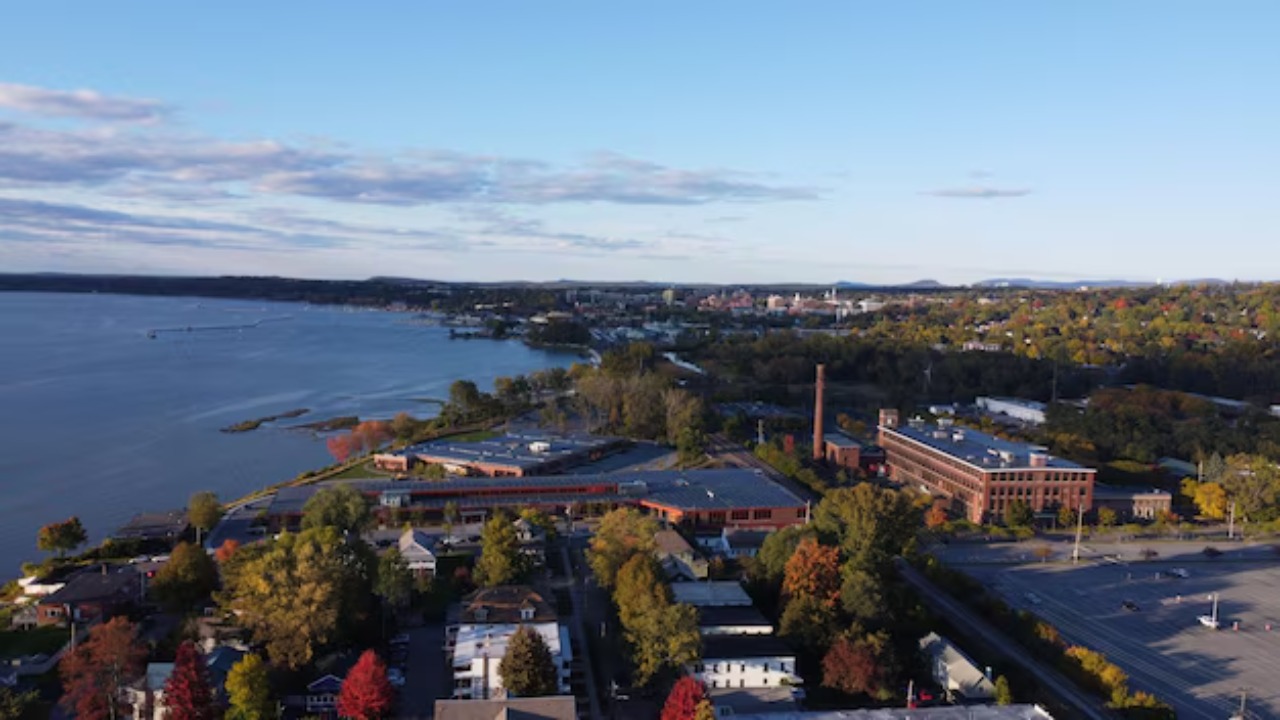
Burlington, Vermont, rounds out the 2025 must-travel list as a lakeside college town where bike paths and markets anchor a low-cost itinerary. The city’s waterfront along Lake Champlain features a paved path that connects beaches, parks, and viewpoints, allowing visitors to rent a bike or simply walk for hours with constant water views. Because the path is free to use, it becomes a central activity rather than a side attraction, especially for travelers who prefer to spend on food and lodging instead of tickets.
Seasonal farmers’ markets and public events in Burlington’s downtown give visitors another way to experience local culture without overspending. Shoppers can sample regional cheeses, maple products, and produce while listening to buskers or small bands, turning a grocery run into an afternoon outing. For Northeastern travelers weighing the cost of flying to distant coasts, Burlington’s combination of drivable distance, free lakeside infrastructure, and community markets illustrates how smaller cities can deliver memorable, budget-conscious escapes close to home.
More From TheDailyOverview
- Dave Ramsey warns to stop 401(k) contributions
- 11 night jobs you can do from home (not exciting but steady)
- Small U.S. cities ready to boom next
- 19 things boomers should never sell no matter what

Cole Whitaker focuses on the fundamentals of money management, helping readers make smarter decisions around income, spending, saving, and long-term financial stability. His writing emphasizes clarity, discipline, and practical systems that work in real life. At The Daily Overview, Cole breaks down personal finance topics into straightforward guidance readers can apply immediately.
