
In today’s economy, finding ways to cut down on food expenses is more important than ever. By implementing strategic shopping and cooking habits, families can significantly reduce their grocery bills. From meal planning to growing your own herbs, these frugal food moves are backed by authoritative sources and offer practical solutions for saving money without sacrificing quality or nutrition.
Master Meal Planning to Slash Annual Expenses

Meal planning is a powerful tool for reducing food costs, with the potential to save households up to $1,500 annually. This strategy minimizes impulse purchases and food waste by encouraging thoughtful preparation and consumption. According to a Consumer Reports analysis, planning meals ahead of time allows families to buy only what they need, reducing the likelihood of unnecessary spending.
By dedicating time each week to plan meals, families can create a structured shopping list that aligns with their dietary needs and budget. This approach not only cuts costs but also promotes healthier eating habits by encouraging home-cooked meals over takeout. The long-term benefits of meal planning extend beyond financial savings, fostering a more organized and efficient household.
Bulk Buy Non-Perishables at Warehouse Clubs
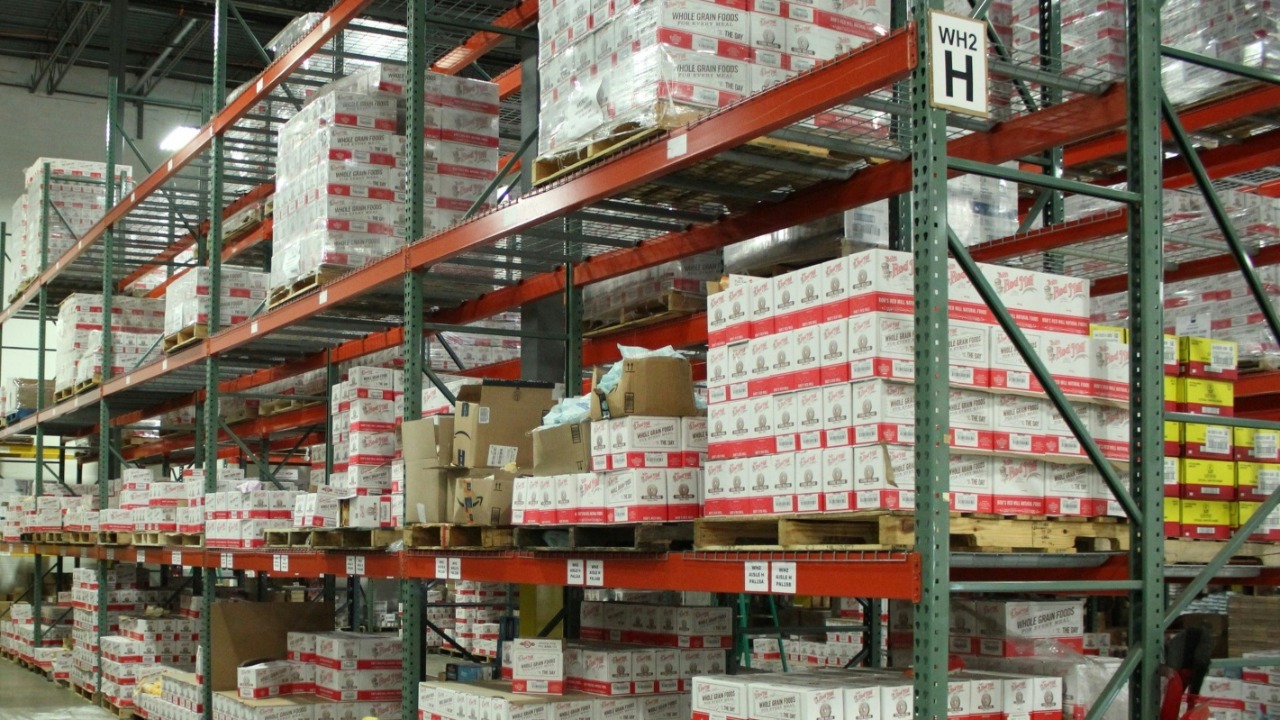
Purchasing non-perishable items in bulk from warehouse clubs like Costco can lead to significant savings, reducing grocery costs by 15-20% per item. A NerdWallet report highlights the advantages of buying staples such as rice and canned goods in larger quantities. This method not only lowers the price per unit but also reduces the frequency of shopping trips, saving time and transportation costs.
While the initial investment might seem higher, the long-term savings are substantial. Bulk buying is especially beneficial for families with ample storage space and those who can effectively manage their inventory to prevent spoilage. By focusing on non-perishables, households can maintain a well-stocked pantry without the risk of food going to waste.
Prioritize Seasonal Produce for Peak Savings
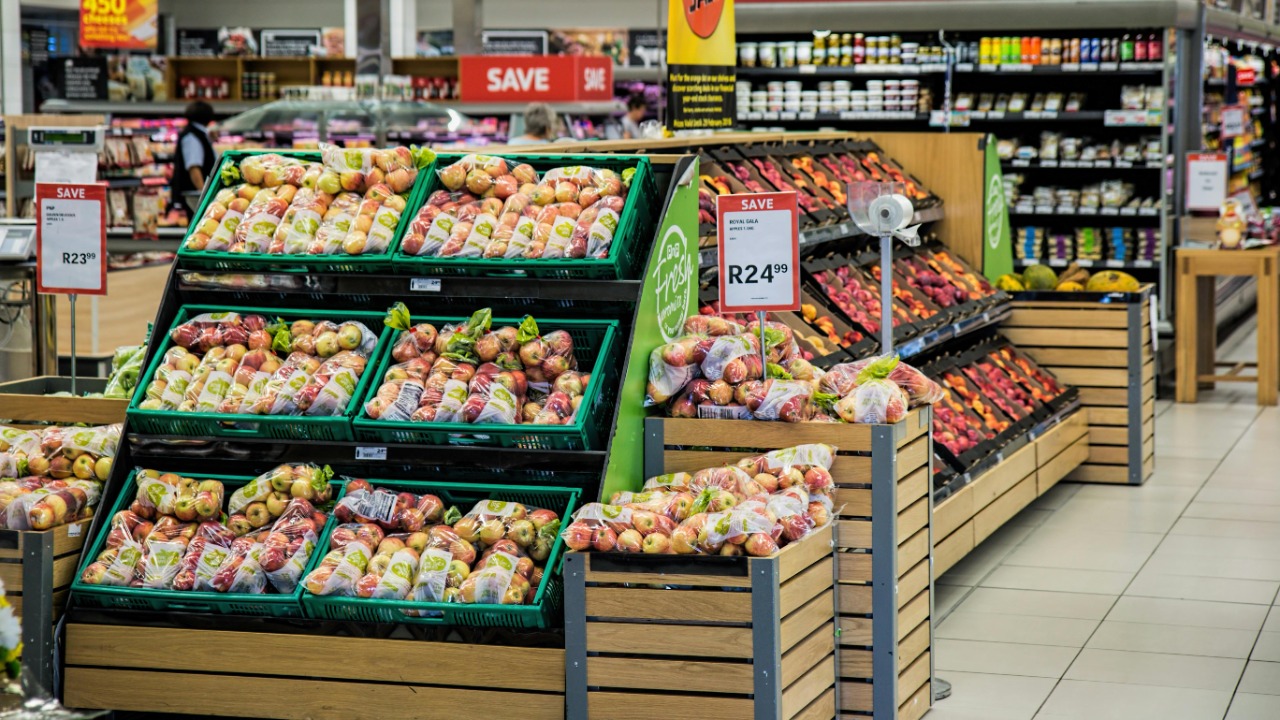
Shopping for seasonal produce is a smart way to enjoy fresh fruits and vegetables at lower prices. According to the USDA seasonal buying guide, purchasing items like apples in the fall can reduce costs by 30% compared to off-season imports. Seasonal produce is not only more affordable but often fresher and more flavorful.
By aligning meal plans with the seasons, families can take advantage of the natural abundance and lower prices of certain fruits and vegetables. This practice supports local farmers and reduces the carbon footprint associated with transporting out-of-season produce. Embracing seasonal eating can also introduce variety into diets, encouraging the exploration of new recipes and flavors.
Leverage Digital Coupons for Instant Rebates

Digital coupons have revolutionized the way consumers save on groceries, offering average savings of $25 per weekly shop. Apps like Ibotta provide easy access to discounts on a wide range of products, as noted in a Forbes article. These platforms allow users to browse and select coupons that match their shopping list, ensuring they only purchase items they need.
The convenience of digital coupons lies in their accessibility and ease of use. Shoppers can quickly scan their receipts to redeem savings, making the process seamless and efficient. By incorporating digital coupons into their shopping routine, families can significantly reduce their grocery bills without compromising on quality or variety.
Swap Eating Out for Home-Cooked Meals

Cooking at home instead of dining out can save an average family of four $2,200 per year, according to USDA data. Home-cooked meals offer more control over ingredients and portion sizes, promoting healthier eating habits while keeping costs down. Preparing meals at home also allows families to experiment with new recipes and cuisines, enhancing their culinary skills.
The financial benefits of home cooking extend beyond immediate savings. By investing in quality ingredients and kitchen tools, families can create delicious meals that rival restaurant offerings. This shift not only reduces expenses but also fosters a sense of togetherness as families gather around the table to enjoy meals prepared with care and intention.
Choose Store-Brand Generics Over Name Brands

Opting for store-brand generics instead of name brands can lead to savings of 25-40% on staples like cereal and canned goods. A Consumer Reports comparison reveals that generic products often match or exceed the quality of their branded counterparts. By choosing generics, families can enjoy the same taste and nutrition at a fraction of the cost.
Store-brand products are typically manufactured by the same companies that produce name-brand items, ensuring comparable quality. This cost-effective choice allows families to allocate their budget towards other essentials or savings. Embracing generics is a simple yet effective way to reduce grocery bills without sacrificing quality or satisfaction.
Freeze Leftovers to Minimize Waste

Freezing leftovers is a practical solution for reducing household food waste by 20-30%, according to EPA estimates. By storing excess food in the freezer, families can extend the shelf life of their meals and prevent spoilage. This practice not only saves money but also reduces the environmental impact of food waste.
Properly labeling and organizing frozen leftovers ensures they are used in a timely manner, maximizing their value. By incorporating leftovers into future meals, families can enjoy a variety of dishes without additional cooking or shopping. Freezing is an effective strategy for managing food inventory and minimizing waste, contributing to a more sustainable household.
Stick to a Strict Weekly Shopping List

Creating a weekly shopping list can reduce unplanned purchases by 23%, as highlighted in a Journal of Consumer Research study. A well-organized list helps shoppers stay focused on their needs, avoiding the temptation of impulse buys. This disciplined approach to shopping ensures that families stick to their budget and avoid unnecessary expenses.
By planning meals and snacks in advance, families can create a comprehensive shopping list that covers all their dietary requirements. This method not only saves money but also reduces the time spent in stores, making grocery shopping more efficient and less stressful. A strict shopping list is a valuable tool for maintaining financial discipline and achieving long-term savings.
Use a Slow Cooker for Budget-Friendly Meats
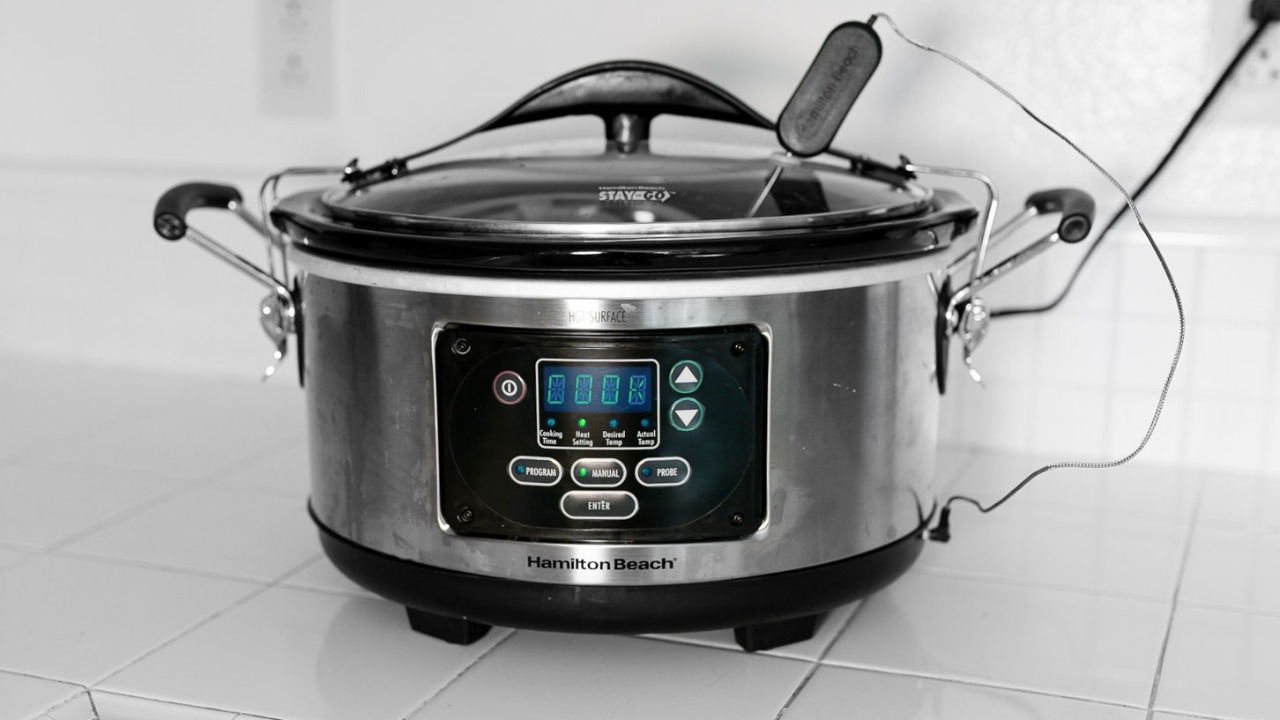
Slow-cooker meals using cheaper cuts of meat like chuck roast can save $5-10 per meal compared to fast-food alternatives. A Good Housekeeping analysis emphasizes the cost-effectiveness of slow cooking, which tenderizes tough cuts and enhances their flavor. This method allows families to enjoy hearty, home-cooked meals without breaking the bank.
Slow cookers are versatile kitchen appliances that can prepare a wide range of dishes, from stews to soups and casseroles. By using affordable ingredients and allowing them to simmer slowly, families can create delicious meals that are both nutritious and economical. Slow cooking is an excellent way to maximize the value of budget-friendly meats while enjoying the comfort of home-cooked food.
Portion Proteins Ahead for Meal Stretching

Portioning proteins in advance can stretch a $10 chicken into four meals, increasing budget efficiency by 50%. A EatingWell guide highlights the benefits of dividing proteins into meal-sized portions, which simplifies meal prep and reduces waste. This strategy ensures that families get the most out of their protein purchases.
By planning meals around pre-portioned proteins, families can create balanced dishes that meet their nutritional needs without overspending. This approach encourages mindful consumption and reduces the likelihood of food spoilage. Portioning proteins is a practical way to manage grocery expenses while maintaining a healthy and varied diet.
Grow Indoor Herbs for Pennies on the Dollar

Growing herbs indoors is an affordable way to enhance meals, with initial costs under $20 and annual savings of $50 on store-bought bunches. A Better Homes & Gardens report outlines the benefits of cultivating herbs like basil and cilantro at home. This practice not only saves money but also ensures a fresh supply of flavorful ingredients.
Indoor herb gardens are easy to maintain and require minimal space, making them ideal for urban dwellers and those with limited outdoor access. By growing their own herbs, families can enjoy the convenience of having fresh ingredients at their fingertips, enhancing the taste and aroma of their dishes. This cost-effective hobby also promotes sustainability and self-sufficiency.
Limit Trips to One Grocery Run Per Week

Limiting grocery trips to once a week can prevent $10-15 in impulse spending per extra visit, according to a Bankrate study. By consolidating shopping into a single trip, families can reduce the temptation to make unnecessary purchases, keeping their budget in check.
This approach encourages careful planning and efficient use of resources, as families must ensure they have all the essentials for the week. Reducing the frequency of grocery trips also saves time and transportation costs, contributing to overall savings. By sticking to a weekly shopping schedule, families can maintain financial discipline and avoid overspending.
DIY Staples Like Homemade Yogurt

Making staples like yogurt at home with a $30 starter kit can save $100 annually compared to store prices. A Kitchn tutorial provides a step-by-step guide to creating homemade yogurt, highlighting the cost benefits and customization options. This DIY approach allows families to enjoy fresh, preservative-free yogurt at a fraction of the cost.
Homemade yogurt offers the flexibility to adjust flavors and textures to suit personal preferences, enhancing the dining experience. By investing in a starter kit, families can produce yogurt regularly, ensuring a steady supply of this nutritious staple. DIY yogurt is a practical and economical choice for those looking to reduce grocery expenses while enjoying a healthy, homemade product.
Join a CSA for Discounted Fresh Produce
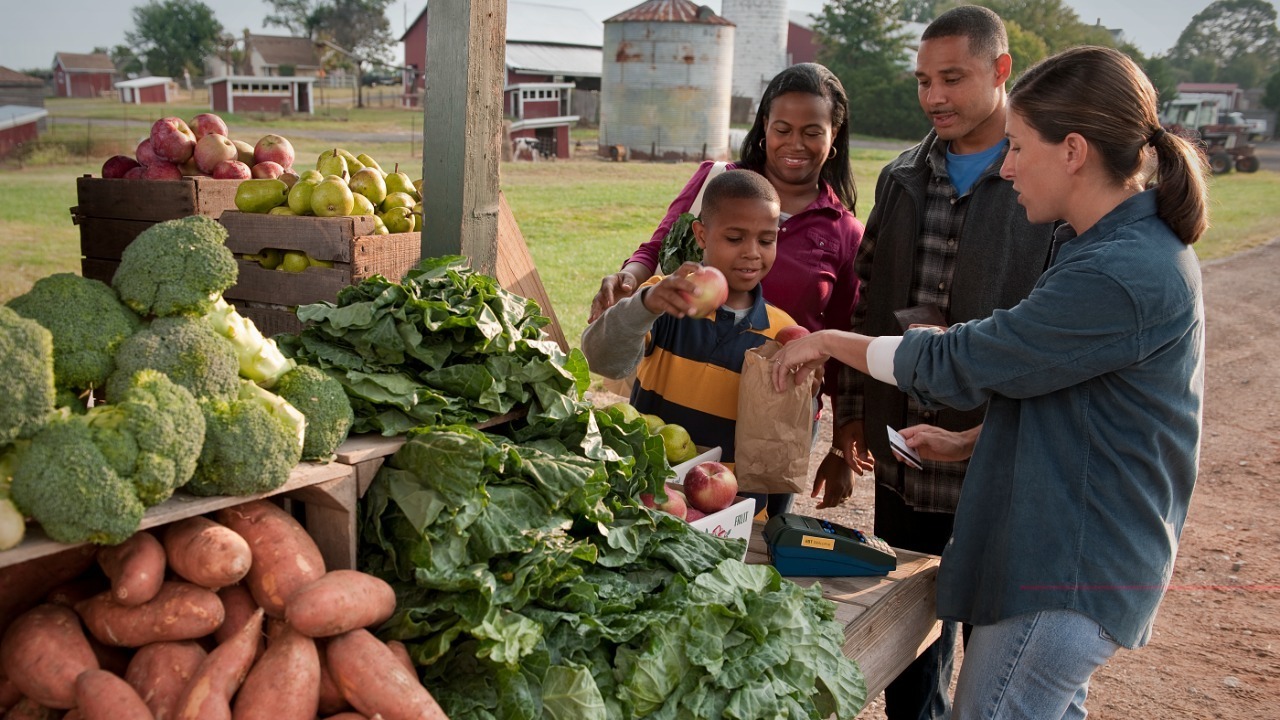
Joining a community-supported agriculture (CSA) share provides access to fresh produce for $20-30 weekly, 40% less than retail prices. The USDA report highlights the cost savings and quality benefits of CSA memberships, which support local farmers and promote sustainable agriculture.
CSAs offer a diverse selection of seasonal fruits and vegetables, encouraging families to incorporate a variety of fresh produce into their diets. This arrangement not only reduces grocery bills but also fosters a connection to the local food community. By participating in a CSA, families can enjoy high-quality produce while supporting environmentally friendly farming practices.
Batch-Cook Grains to Cut Utility and Takeout Bills

Batch-cooking grains like rice in bulk can save $200 annually on utilities and takeout, according to The Spruce Eats analysis. By preparing large quantities of grains at once, families can reduce cooking time and energy consumption, leading to significant savings.
This method also simplifies meal prep, as cooked grains can be easily incorporated into a variety of dishes throughout the week. Batch cooking promotes efficient use of kitchen resources and reduces the reliance on takeout, contributing to healthier eating habits and financial savings. By adopting this strategy, families can enjoy the convenience of ready-to-eat grains while minimizing their environmental impact.

Cole Whitaker focuses on the fundamentals of money management, helping readers make smarter decisions around income, spending, saving, and long-term financial stability. His writing emphasizes clarity, discipline, and practical systems that work in real life. At The Daily Overview, Cole breaks down personal finance topics into straightforward guidance readers can apply immediately.
