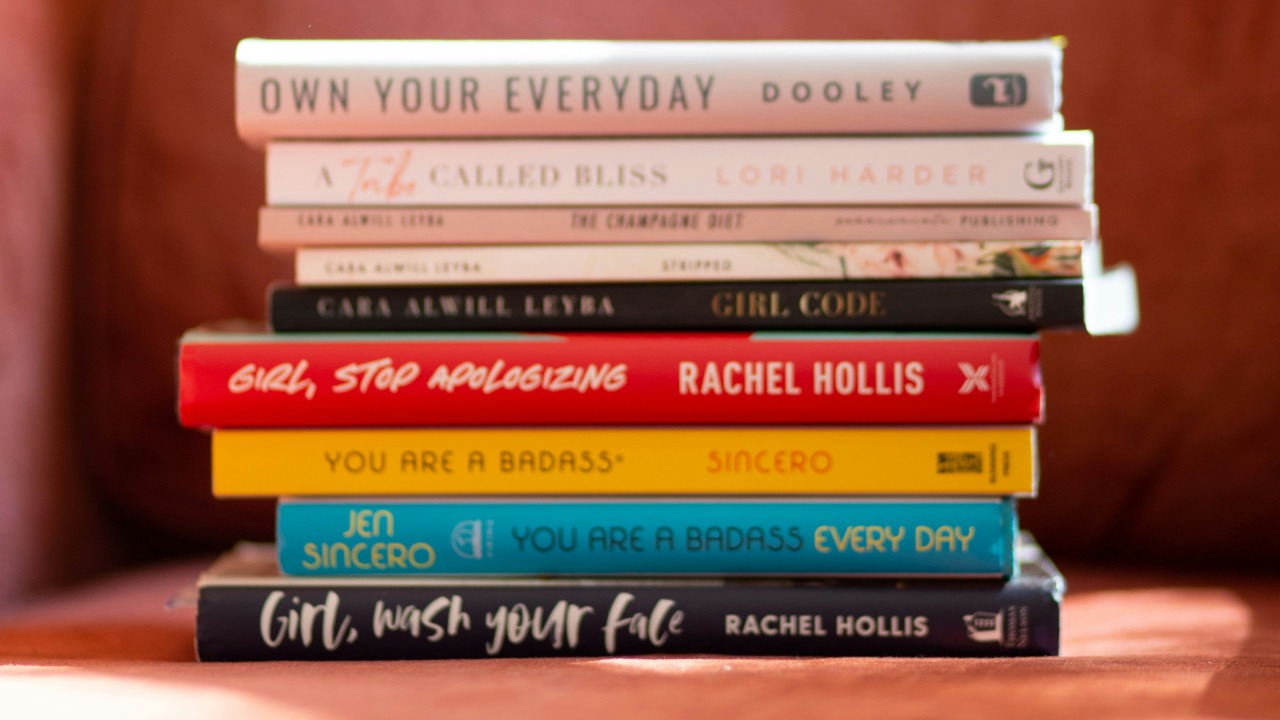
In an era where financial prudence is more crucial than ever, frugal living books offer invaluable insights into saving money without sacrificing quality of life. As we approach 2025, individuals are increasingly turning to these resources to navigate economic challenges and secure their financial futures. From retirees discovering ways to enjoy life on a budget to everyday savers adopting wealth-building strategies, these books provide practical advice for achieving financial independence and peace of mind.
Your Money or Your Life by Vicki Robin
“Your Money or Your Life” by Vicki Robin presents a transformative approach to personal finance, emphasizing the alignment of spending with personal values. This book’s core framework encourages readers to meticulously track their finances, helping them identify and eliminate unnecessary expenses. By doing so, individuals can achieve financial independence and focus on what truly matters in life. For retirees, the principles outlined in this book support strategies for living frugally yet comfortably, as highlighted in recent guidance on sustainable savings.
Real-world applications of Robin’s teachings are evident in the stories of readers who have embraced mindful consumption and participated in no-spend challenges. These individuals have successfully cut down on superfluous spending, paving the way for long-term financial stability. The book’s emphasis on financial independence resonates with those who have undertaken extreme budgeting tactics, such as a no-spend year, to achieve their financial goals.
The Total Money Makeover by Dave Ramsey
Dave Ramsey’s “The Total Money Makeover” offers a structured path to financial freedom through its seven baby steps. These steps guide readers in building emergency funds, eliminating debt using the debt snowball method, and ultimately accumulating wealth. The book’s practical budgeting tools are directly linked to the actionable steps outlined in 23 Ways to Start Saving Money Today, providing a comprehensive plan for immediate financial improvement.
Testimonials from readers who have escaped consumer debt underscore the book’s effectiveness. By following Ramsey’s advice, individuals have managed to preserve enjoyment in their lives while adhering to a frugal lifestyle. The emphasis on disciplined financial habits ensures that readers can maintain their newfound financial freedom without feeling deprived.
The Millionaire Next Door by Thomas J. Stanley and William D. Danko
“The Millionaire Next Door” by Thomas J. Stanley and William D. Danko delves into the habits of everyday millionaires who live below their means. The book highlights the importance of thrift, particularly in high-income households, where disciplined spending is key to wealth accumulation. This approach aligns with the disciplined spending strategies seen in 48 Ways Frugal People Saved Serious Money In 2024.
Case studies of affluent families who practice frugality demonstrate the long-term benefits of living below one’s means. These families allocate their time and money wisely, focusing on investments that yield significant returns over time. By adopting similar habits, readers can work towards achieving financial independence and security.
I Will Teach You to Be Rich by Ramit Sethi
Ramit Sethi’s “I Will Teach You to Be Rich” offers a six-week program designed to automate finances, negotiate bills, and invest wisely. The book emphasizes achieving financial success without resorting to extreme deprivation. Sethi’s negotiation tactics provide practical savings opportunities, akin to those found in 23 Ways to Start Saving Money Today, offering readers quick financial wins.
The book encourages a shift in mindset, promoting guilt-free spending on what truly matters. By balancing frugality with enjoyment, readers can achieve a fulfilling financial life. Sethi’s approach empowers individuals to take control of their finances while still indulging in life’s pleasures.
The Simple Path to Wealth by JL Collins
“The Simple Path to Wealth” by JL Collins provides a straightforward guide to stock market basics and index fund strategies. This book is particularly valuable for those looking to build a retirement nest egg through simple investing. Collins’ approach to low-cost investing is especially relevant for retirees seeking post-retirement security, as outlined in Frugal but Comfortable: 5 Ways Retirees Can Save Without Sacrificing Fun.
Readers who have embraced Collins’ strategies often achieve financial independence and retire early (FIRE) by adopting minimalist lifestyles. The book’s emphasis on simplicity and long-term growth makes it an essential resource for those seeking financial freedom through investing.
Get Good with Money by Tiffany Aliche
Tiffany Aliche’s “Get Good with Money” outlines a 10-step plan for achieving financial wholeness. From dreaming to giving, the book provides tools for tracking net worth and building a solid financial foundation. Aliche’s emphasis on emergency planning resonates with the inspirations found in 48 Ways Frugal People Saved Serious Money In 2024.
The book highlights diverse examples of underrepresented groups building wealth through frugality. By following Aliche’s plan, readers can achieve financial stability and security, regardless of their background or starting point. The book’s inclusive approach ensures that everyone can benefit from its teachings.
Broke Millennial by Erin Lowry
“Broke Millennial” by Erin Lowry addresses the unique financial challenges faced by millennials, such as student debt and gig economy budgeting. With humorous and relatable advice, Lowry provides practical solutions for overcoming these obstacles. Her strategies for side hustles are directly linked to 23 Ways to Start Saving Money Today, offering young adults actionable steps for financial improvement.
Lowry’s book features stories of individuals who have overcome financial anxiety through small, consistent changes. By adopting her advice, millennials can navigate their financial challenges with confidence and achieve long-term financial success.
The Automatic Millionaire by David Bach
David Bach’s “The Automatic Millionaire” introduces the concept of the latte factor and automated savings to build wealth effortlessly over time. By making small daily habit tweaks, readers can integrate these strategies seamlessly into their lives. The book’s principles align with the 5 Ways Retirees Can Save Without Sacrificing Fun, ensuring that financial security is attainable without sacrificing enjoyment.
Success stories from everyday savers who have embraced automation highlight the book’s effectiveness. By automating their finances, individuals can achieve financial independence with minimal effort, allowing them to focus on other aspects of their lives.
Secrets of the Millionaire Mind by T. Harv Eker
“Secrets of the Millionaire Mind” by T. Harv Eker explores wealth files and mindset blueprints for shifting from scarcity to abundance thinking. The book emphasizes the importance of subconscious money beliefs in fostering disciplined actions, as seen in 48 Ways Frugal People Saved Serious Money In 2024.
Eker offers exercises for readers to rewire their financial habits, promoting a mindset that supports wealth accumulation. By adopting these practices, individuals can transform their financial outlook and achieve lasting prosperity.
America’s Cheapest Family Gets You Off the Treadmill by Zach and Elizabeth Warren
Zach and Elizabeth Warren’s “America’s Cheapest Family Gets You Off the Treadmill” showcases extreme frugality tips from a family of six living on one income. The book includes home-based savings hacks and practical advice for maintaining a budget. These strategies are directly linked to 23 Ways to Start Saving Money Today, offering household applications for frugal living.
The Warrens discuss how to maintain family joy amid tight budgets, proving that financial constraints do not have to limit happiness. By following their advice, families can achieve financial stability while still enjoying life.
The Cheapskate Next Door by Jeff Yeager
Jeff Yeager’s “The Cheapskate Next Door” profiles real cheapskates and their unconventional money-saving inventions and lifestyles. The book highlights DIY approaches to frugality, creatively connecting to Frugal but Comfortable: 5 Ways Retirees Can Save Without Sacrificing Fun.
Yeager includes humorous anecdotes of big savings from small changes, demonstrating that frugality can be both effective and enjoyable. By adopting these strategies, readers can achieve significant financial savings without sacrificing their quality of life.
Frugal Living For Dummies by Deborah Taylor-Hough
“Frugal Living For Dummies” by Deborah Taylor-Hough covers the basics of couponing, meal planning, and home organization for cost-cutting without complexity. The book’s strategies are tied to the inspirations found in 48 Ways Frugal People Saved Serious Money In 2024, offering beginner-friendly checklists for implementation.
By following Taylor-Hough’s advice, readers can achieve significant savings with minimal effort. The book’s straightforward approach ensures that even those new to frugality can benefit from its teachings.
The Frugal Life by Sonia Gray
“The Frugal Life” by Sonia Gray explores sustainable frugality through eco-friendly choices that reduce waste and expenses. The book’s green habits are directly related to 23 Ways to Start Saving Money Today, offering environmentally conscious savers practical tips for long-term household efficiency.
Gray’s emphasis on sustainability ensures that readers can achieve financial savings while also benefiting the environment. By adopting these practices, individuals can enjoy a frugal lifestyle that aligns with their values.
Rich Habits by Thomas C. Corley
Thomas C. Corley’s “Rich Habits” contrasts the habits of the rich versus the poor, focusing on frugal daily routines that build wealth. The book’s emphasis on persistence in saving is linked to the 5 Ways Retirees Can Save Without Sacrificing Fun, ensuring lasting financial impact.
Corley features habit-tracking methods with examples, providing readers with practical tools for achieving financial success. By adopting these habits, individuals can transform their financial lives and achieve long-term prosperity.
Happy Money by Ken Honda
Ken Honda’s “Happy Money” discusses the Japanese philosophy on money flow and gratitude to foster joyful, frugal spending. The book connects the emotional aspects of money to the positive mindsets seen in 48 Ways Frugal People Saved Serious Money In 2024.
Honda offers practices for aligning finances with happiness, ensuring that readers can enjoy a fulfilling financial life. By adopting these principles, individuals can achieve financial success while maintaining a positive outlook on money.
More From TheDailyOverview

Cole Whitaker focuses on the fundamentals of money management, helping readers make smarter decisions around income, spending, saving, and long-term financial stability. His writing emphasizes clarity, discipline, and practical systems that work in real life. At The Daily Overview, Cole breaks down personal finance topics into straightforward guidance readers can apply immediately.
