
Building wealth is often about more than just earning and saving money; it’s also about recognizing and eliminating hidden habits that can drain your resources. Many of these habits are tied to everyday activities that seem harmless but can have a significant impact on your financial future. By understanding how these actions affect your wealth, you can make informed decisions to secure a more prosperous future.
Taking Excessively Long Showers
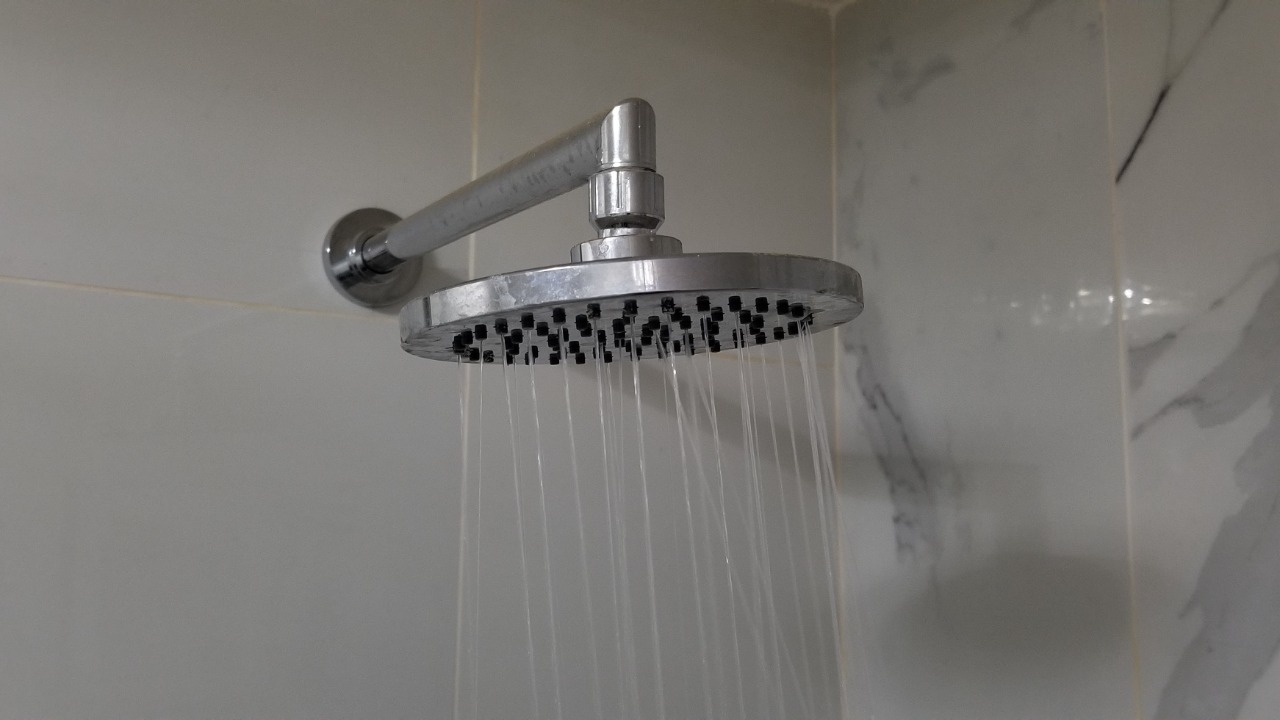
Long showers might be relaxing, but they can also be costly. The hidden impact of your daily water use becomes evident when you consider the increased utility bills from excessive water consumption. Each minute in the shower adds up, leading to higher expenses that quietly erode your savings over time. By reducing shower time, you can significantly cut down on water usage and redirect those savings into more productive investments. Learn more about the impact of water use here.
Leaving the Faucet Running While Brushing Teeth

Many people leave the faucet running while brushing their teeth, unaware of the gallons of water wasted. This habit ties into the hidden impact of daily water use, as the cumulative effect of wasted water contributes to higher monthly costs. These unnecessary expenses can divert funds from wealth-building investments, making it crucial to adopt more water-efficient practices. Turning off the tap while brushing is a simple change that can lead to significant savings.
Inefficiently Washing Dishes by Hand Without Plugging the Sink
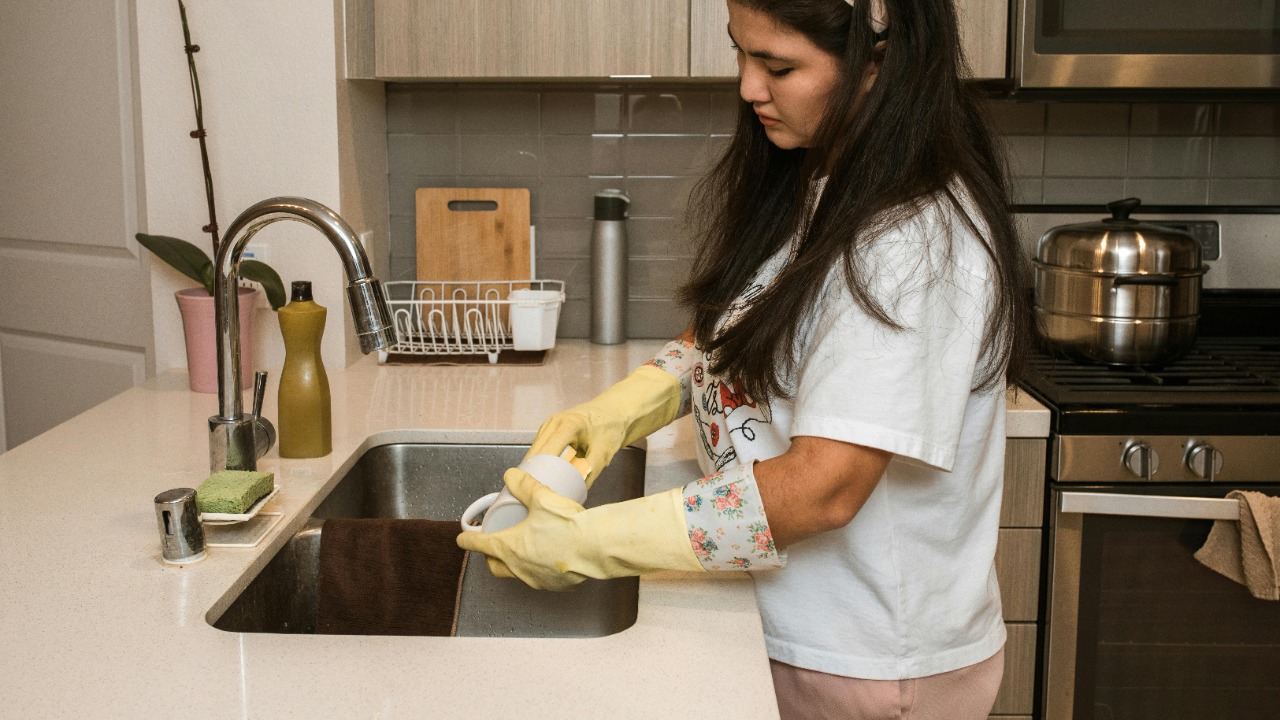
Washing dishes by hand without plugging the sink reflects the hidden impact of your daily water use. Continuous water flow during dishwashing can escalate water charges, limiting disposable income for financial growth. According to Save Energy NB, hand washing uses significantly more water than a dishwasher, especially if the sink isn’t plugged. By adopting more efficient dishwashing methods, you can reduce water waste and save money.
Running Full Loads of Laundry Only Infrequently
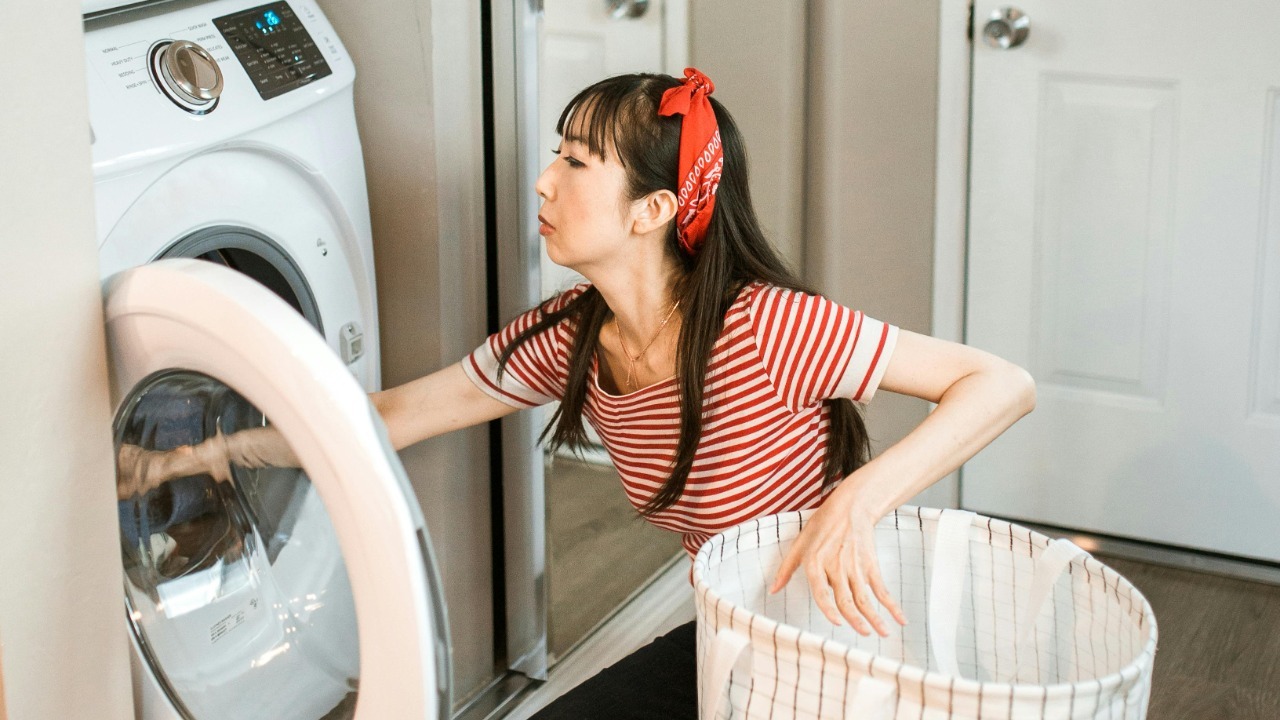
Running full loads of laundry infrequently can lead to inefficient water use. Each cycle consumes a significant amount of water, and when done inefficiently, it contributes to cumulative expenses that hinder savings accumulation. By optimizing laundry habits, such as washing full loads more frequently or adjusting water levels for smaller loads, you can reduce water consumption and save on utility bills.
Watering the Garden with a Hose on High Pressure Daily
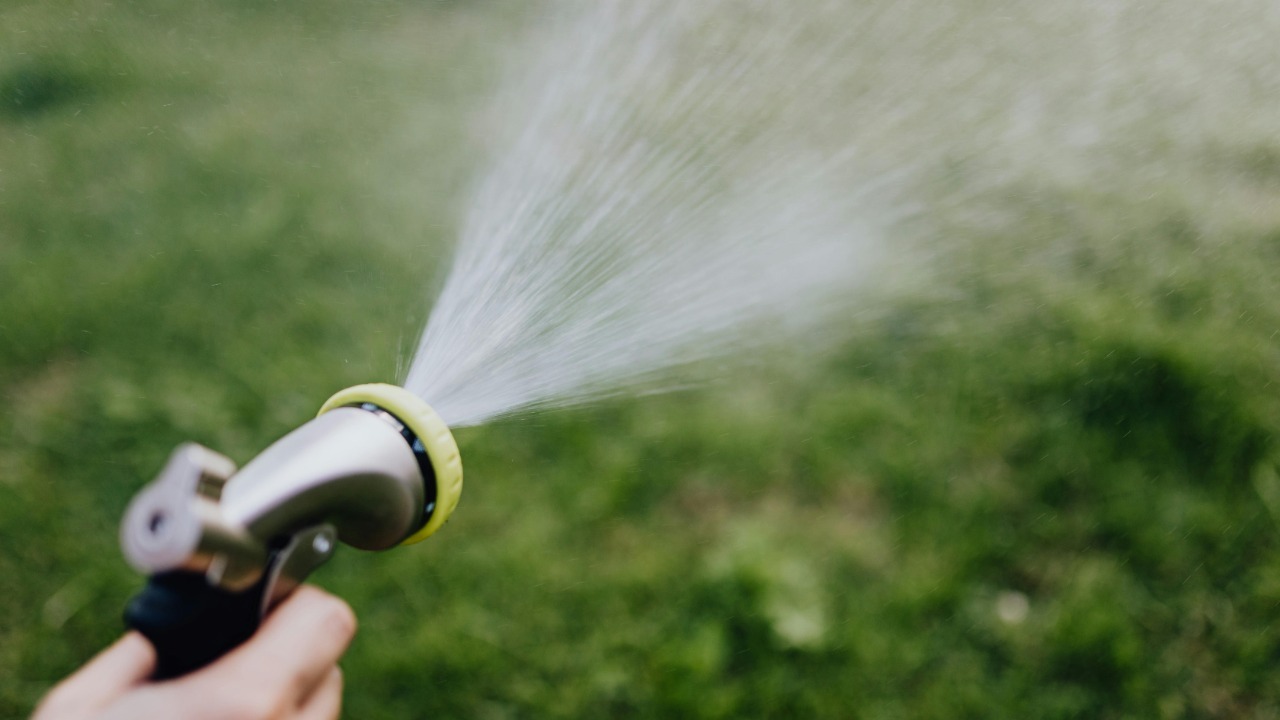
Using a hose at high pressure to water the garden daily can lead to over-spraying, which results in elevated water bills. This practice draws on the hidden impact of your daily water use, subtly constraining your budget for long-term wealth strategies. By adjusting the pressure and timing of garden watering, you can minimize water waste and reduce costs, freeing up resources for other financial goals.
Flushing the Toilet More Often Than Necessary
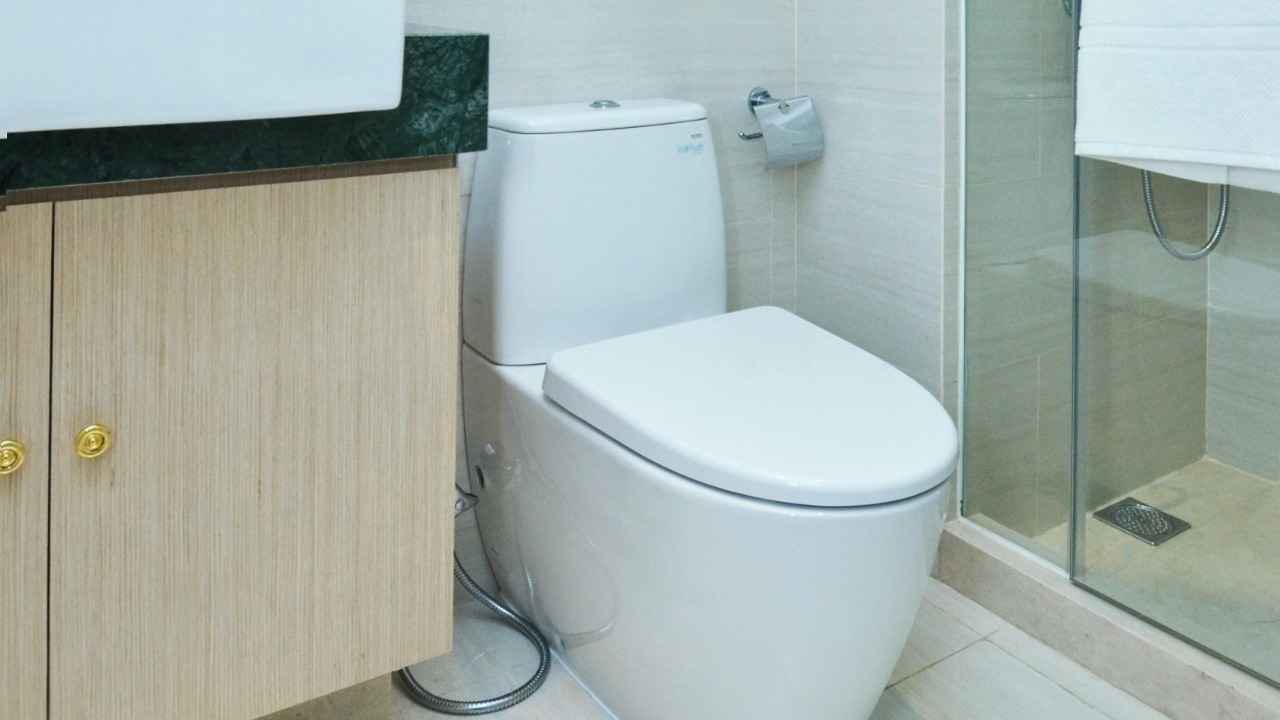
Flushing the toilet more often than necessary increases household water volume, resulting in stealthy cost increases that impede financial security. Each flush uses a significant amount of water, and unnecessary flushing can add up over time. By being mindful of toilet use, you can reduce water consumption and save money on utility bills.
Ignoring Minor Leaks in Pipes or Fixtures
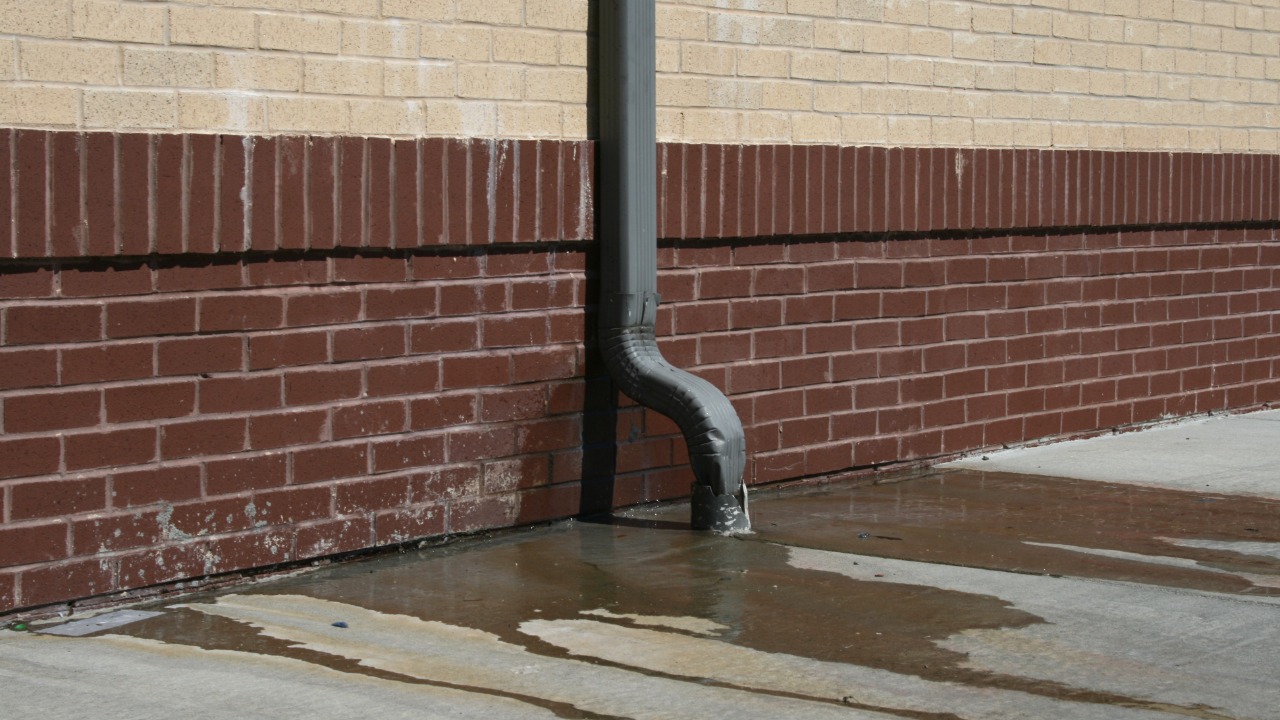
Minor leaks in pipes or fixtures may seem insignificant, but they align with the hidden impact of your daily water use. Drips can compound into significant waste, driving up expenses and restricting funds for wealth preservation. Addressing leaks promptly can prevent water waste and reduce utility costs, allowing you to allocate more resources toward financial growth.
Opting for Bottled Water Over Tap for Daily Hydration
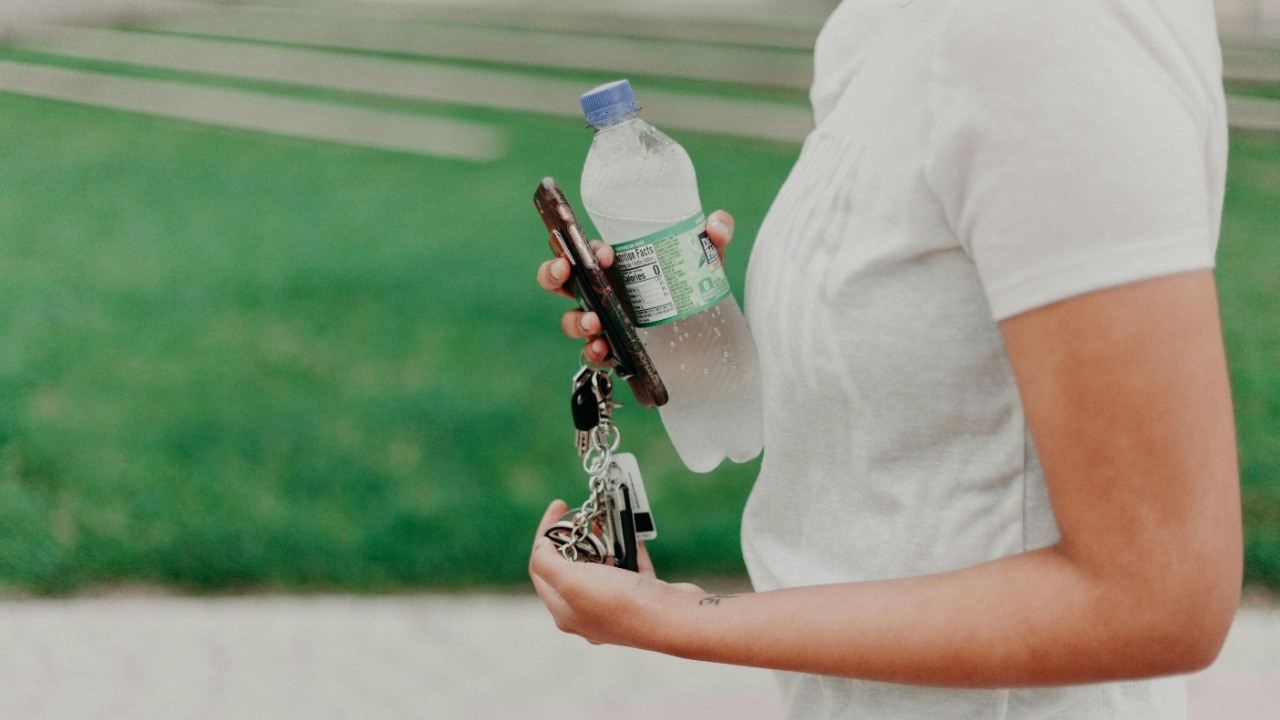
Choosing bottled water over tap water for daily hydration relates to the hidden impact of your daily water use. This habit leads to indirect over-reliance on external sources, adding recurring purchases that drain resources from savings. By switching to tap water and using a filter if necessary, you can cut down on costs and contribute to environmental sustainability.
Washing the Car at Home with Unrestricted Hose Flow
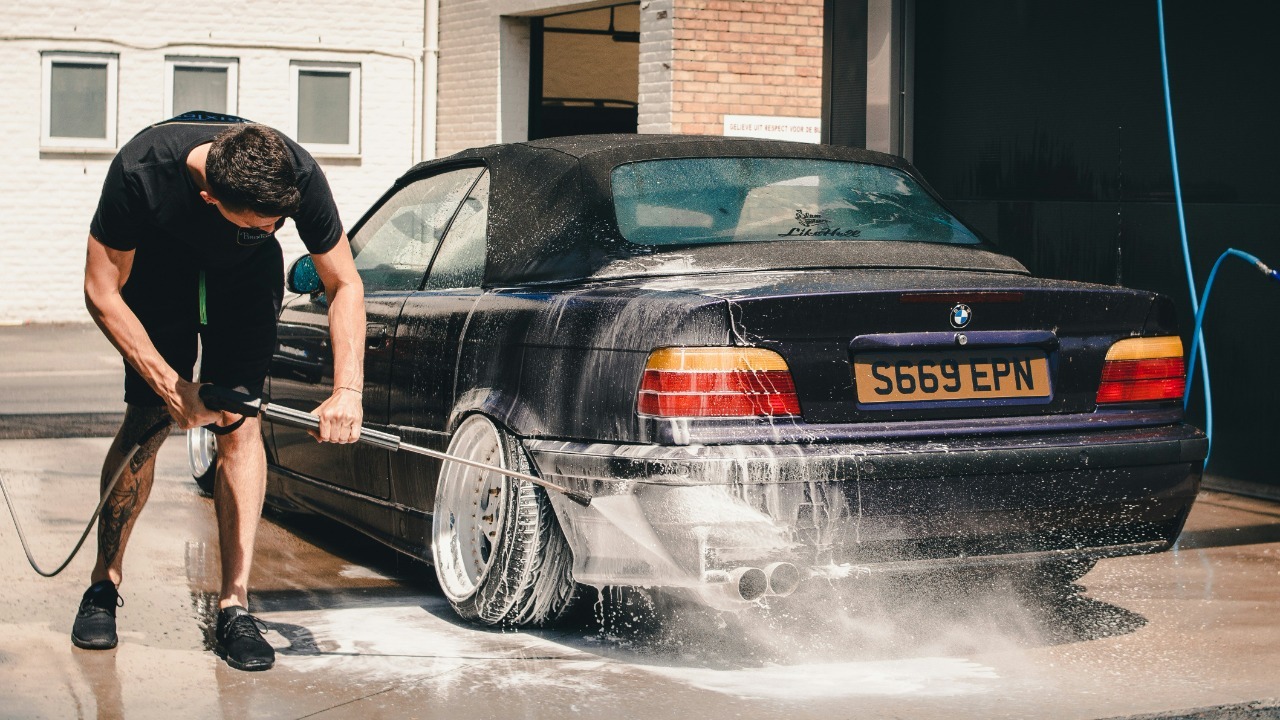
Washing the car at home with unrestricted hose flow builds from the hidden impact of your daily water use. Lavish rinsing inflates usage fees, quietly limiting capital for future financial opportunities. By using a bucket and sponge or installing a nozzle to control water flow, you can reduce water waste and save money.
Choosing Baths Over Quick Showers Regularly

Regularly choosing baths over quick showers echoes the hidden impact of your daily water use. Filling a tub to high volumes escalates costs that erode potential wealth compounding. Opting for quick showers instead of baths can significantly reduce water consumption and lower utility bills, freeing up funds for other financial priorities.
Overloading or Underloading the Dishwasher Inefficiently
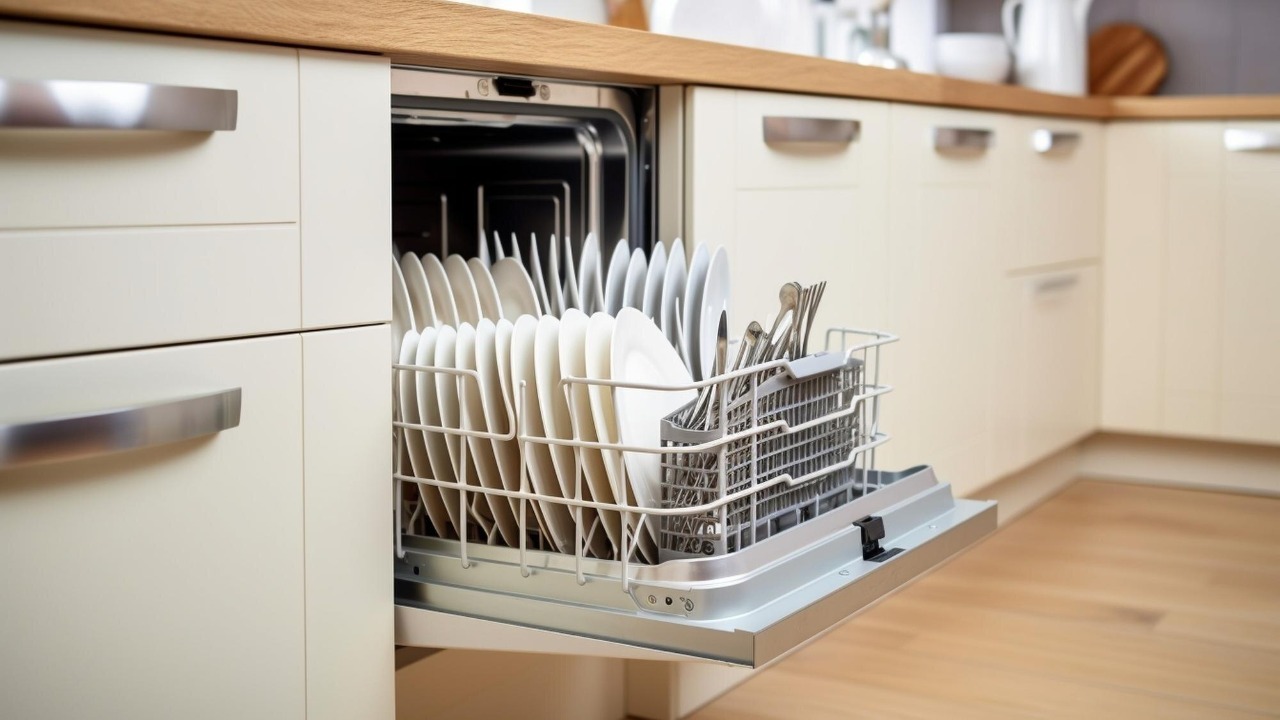
Overloading or underloading the dishwasher inefficiently stems from the hidden impact of your daily water use. Suboptimal runs waste water, fostering hidden expenditures that cap financial progress. By loading the dishwasher efficiently and using energy-saving settings, you can minimize water waste and reduce costs.
Excessive Lawn Watering Without Timing It for Efficiency
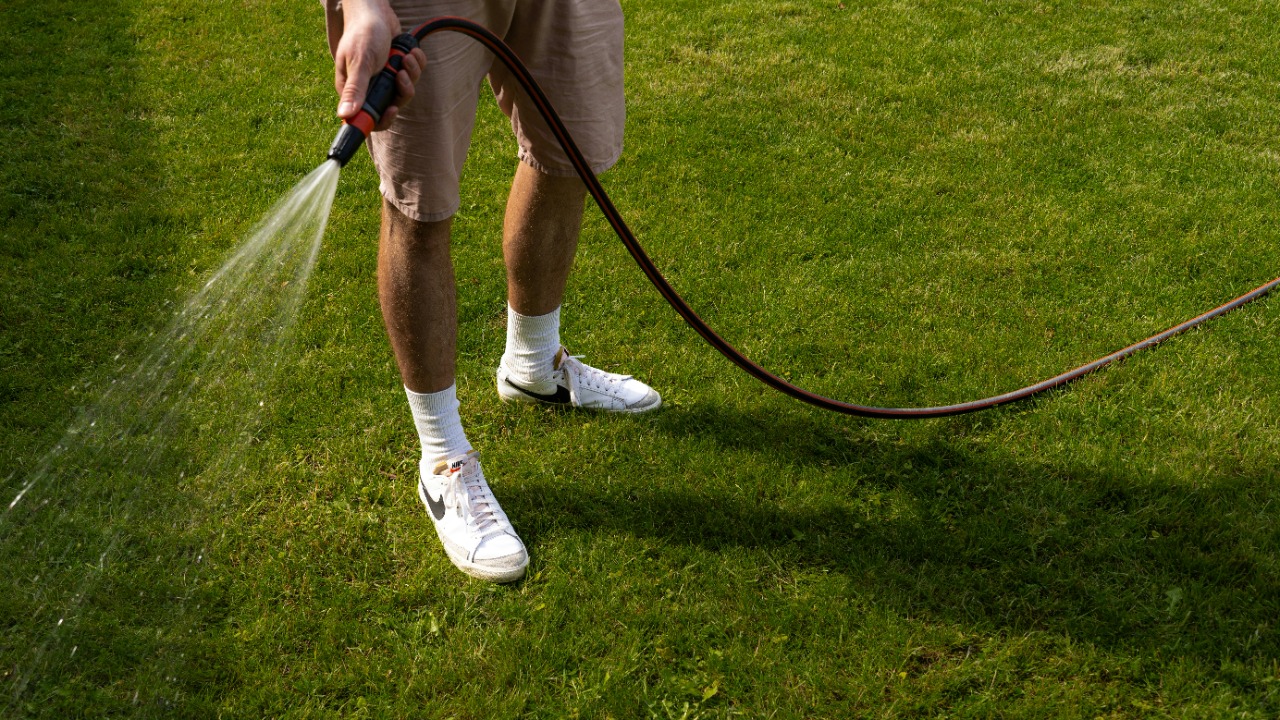
Excessive lawn watering without timing it for efficiency integrates the hidden impact of your daily water use. Watering during evaporation-prone times raises bills and constrains wealth-building margins. By watering during cooler parts of the day and using efficient irrigation systems, you can conserve water and save money.
Delaying Replacement of High-Flow Showerheads
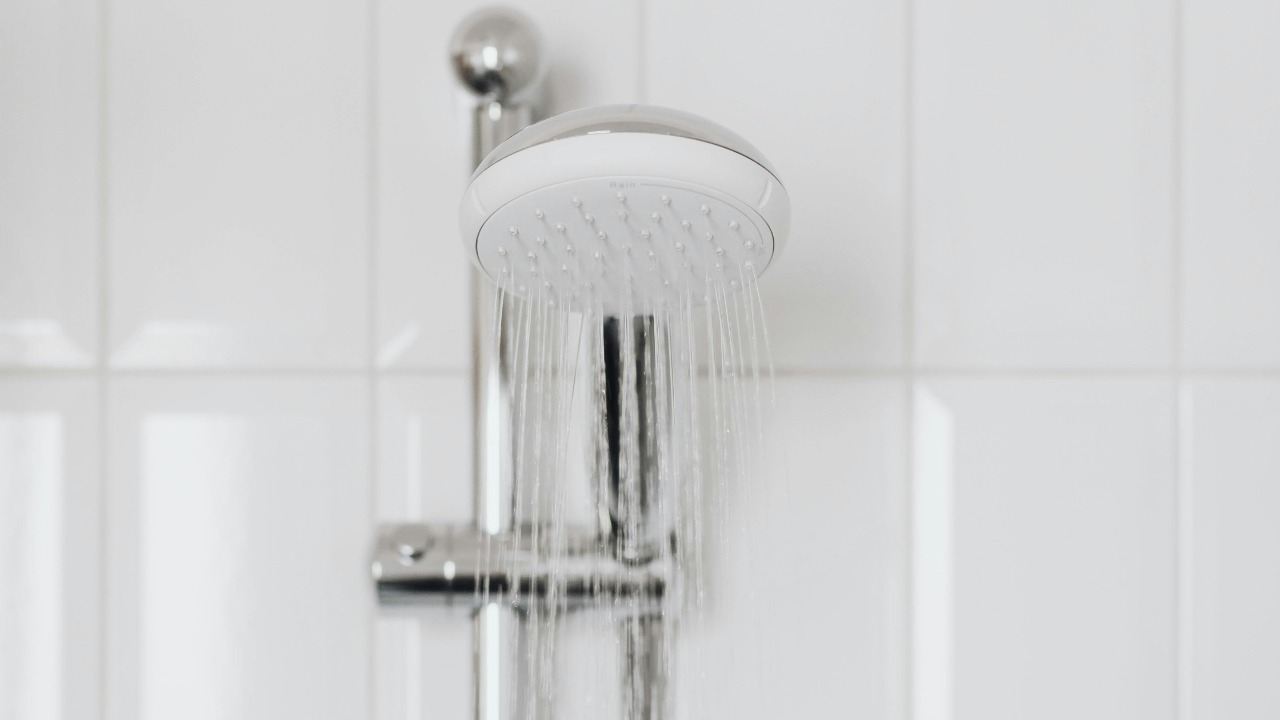
Delaying the replacement of high-flow showerheads mirrors the hidden impact of your daily water use. Outdated fixtures guzzle resources, imposing ongoing costs that limit fiscal freedom. By installing low-flow showerheads, you can reduce water consumption and lower utility bills, allowing for greater financial flexibility.
Using the Washing Machine for Small Loads Without Adjustment
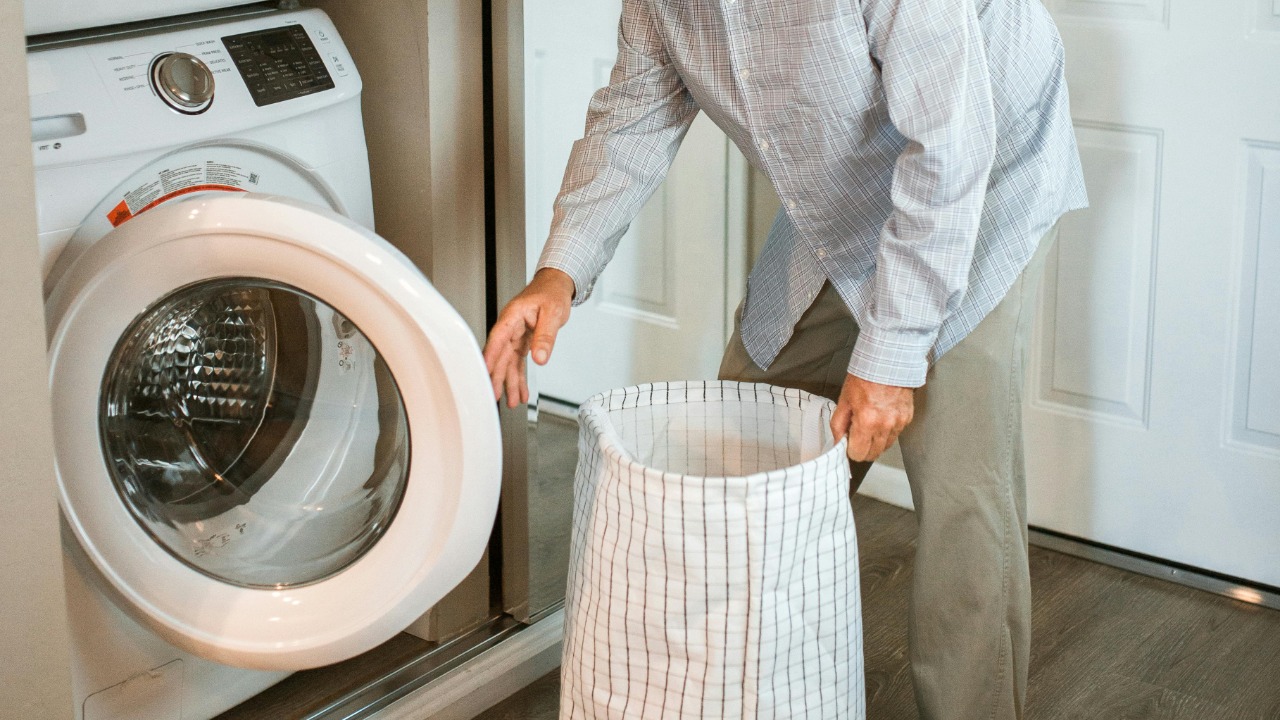
Using the washing machine for small loads without adjustment draws upon the hidden impact of your daily water use. Full-cycle waste for minimal items accumulates charges that undermine wealth trajectory. By adjusting water levels for smaller loads or waiting until you have a full load, you can save water and reduce costs.
Neglecting to Install Low-Flow Aerators on Taps
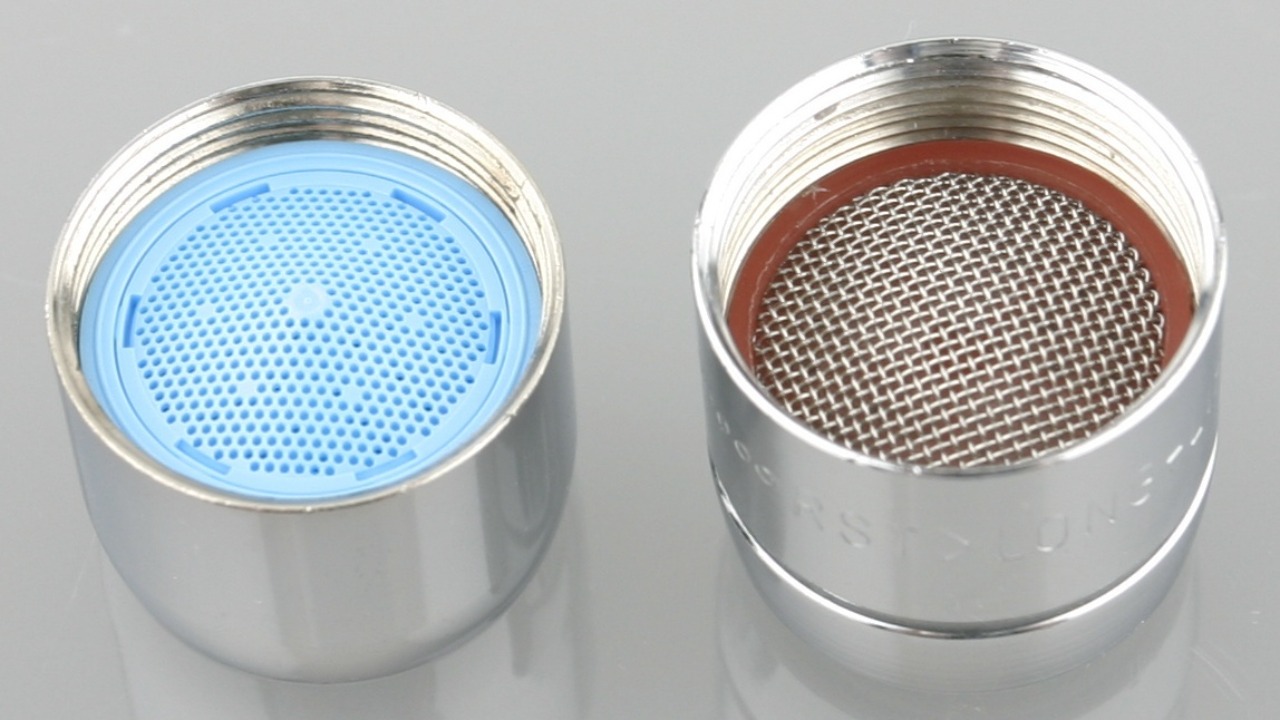
Neglecting to install low-flow aerators on taps captures the hidden impact of your daily water use. Allowing unrestricted flow in routine tasks fosters insidious expenses that restrict future prosperity. By installing aerators, you can significantly reduce water flow and save money on utility bills, contributing to long-term financial security.

Cole Whitaker focuses on the fundamentals of money management, helping readers make smarter decisions around income, spending, saving, and long-term financial stability. His writing emphasizes clarity, discipline, and practical systems that work in real life. At The Daily Overview, Cole breaks down personal finance topics into straightforward guidance readers can apply immediately.

