The loss of 164 manufacturing jobs in a small Pennsylvania town is the latest sign that the freight downturn is no longer an abstract macro story but a direct hit to blue-collar paychecks. As freight volumes soften and trucking rates sag, one of the country’s best known trailer makers is cutting deep into its workforce, leaving families and local officials scrambling to absorb the shock.
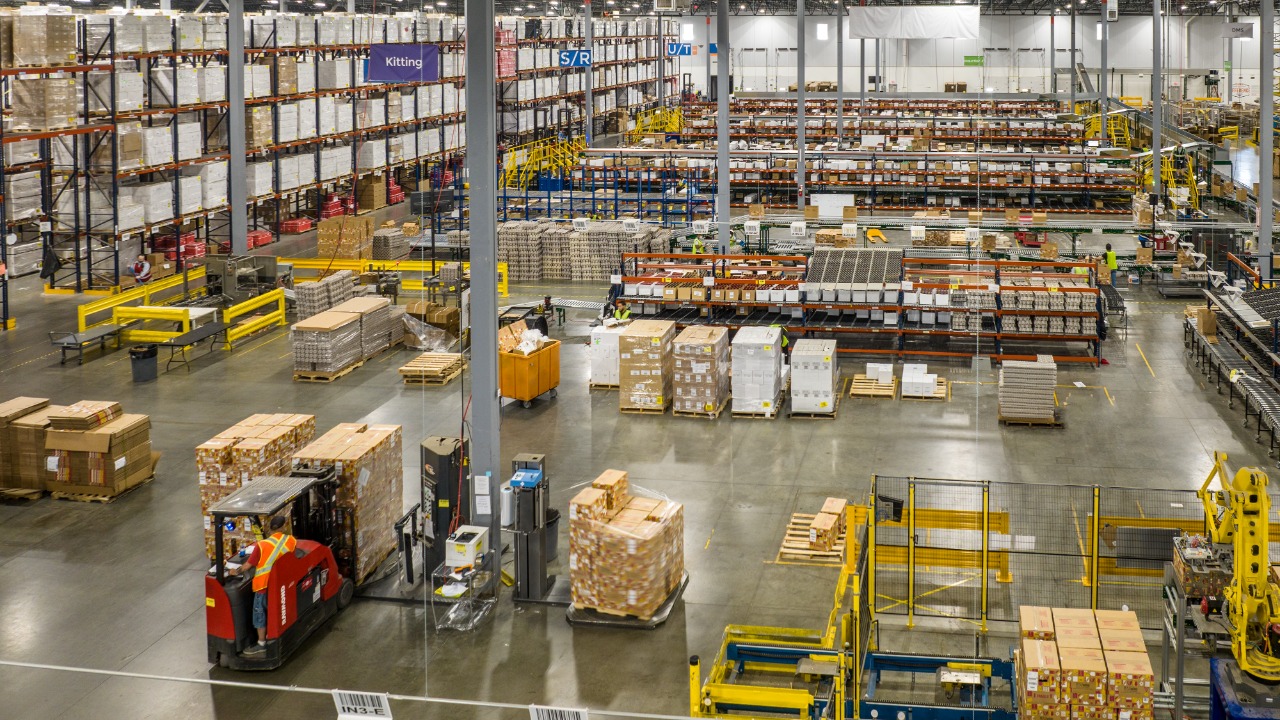
The layoffs underscore how a prolonged freight recession is squeezing industrial giants that sit at the heart of the supply chain, from trailer plants to warehouses and fulfillment centers. What looks like a cyclical slump in shipping demand on paper is translating into fewer shifts, thinner pay envelopes and rising anxiety in communities that depend on factory work.
The Elysburg plant and 164 lost jobs
The latest blow landed in Elysburg, a central Pennsylvania community where manufacturing jobs are a pillar of the local economy. At a large trailer facility there, Great Dane has moved to eliminate exactly 164 positions, a sharp reduction that will ripple through nearby diners, auto shops and landlords who rely on steady factory wages. The company’s decision to cut that many roles in one stroke reflects how quickly demand for new trailers has cooled as freight markets weaken.
State officials were formally alerted through Pennsylvania’s Worker Adjustment and Retraining Notification system, which tracks large-scale job cuts and plant closures. The Elysburg action appears in the state’s roster of WARN notices, a reminder that this is not an isolated corporate reshuffle but a legally significant mass layoff that triggers retraining and job placement efforts. For workers on the line, the paperwork is cold comfort, but it does open the door to state support as they search for their next paycheck.
Great Dane’s role in Pennsylvania’s industrial belt
Great Dane is not a marginal player in this story, it is one of the country’s major semi-trailer manufacturers and a long-standing anchor of Pennsylvania’s industrial belt. Reporting on factory cutbacks across the state notes that Great Dane has already been trimming headcount at other facilities, underscoring that the Elysburg move is part of a broader retrenchment rather than a one-off adjustment. When a manufacturer of this scale pulls back, it sends a signal up and down the supply chain that freight demand is not expected to rebound quickly.
Local coverage of the Elysburg decision makes clear that the company is responding to a specific set of pressures tied to the freight market. In explaining the Layoffs, Great Dane pointed to a continuing Freight slowdown and broader “macroeconomic uncertainty,” language that reflects both weaker orders from trucking customers and a cautious outlook on consumer demand. For Pennsylvania, which has marketed itself as a logistics and manufacturing hub, the fact that a Trailer heavyweight is cutting so deeply is a warning that the state’s industrial base is tightly bound to the health of national freight flows.
The Great Freight Recession and collapsing demand
Behind the job cuts is a freight market that has been stuck in reverse for years. Analysts describe the current slump as The Great Freight Recession, a prolonged downturn that began after the pandemic-era shipping boom faded and capacity overshot demand. Instead of a quick reset, trucking and logistics companies have been grinding through a multi-year period of weak volumes and intense price competition, eroding margins and forcing hard choices on capital spending and payrolls.
One of the clearest signs of that pressure is the behavior of freight rates. Data on Linehaul spot versus Contract pricing shows spot rates falling sharply while Contract rates stay relatively flat, a pattern that squeezes carriers who rely on the open market for loads. When trucking companies are earning less per mile, they delay buying new equipment, and orders for trailers like those built in Elysburg dry up. That pullback in capital spending is now showing up as canceled shifts and pink slips on the factory floor.
How the freight downturn spreads across the supply chain
The pain is not confined to one Pennsylvania plant. Across the logistics ecosystem, freight and manufacturing layoffs are sweeping through warehouses, trucking fleets and distribution centers as companies adjust to weaker demand. A broad look at the sector highlights Key Takeaways that include job cuts at major retailers like Amazon and Target, where overbuilt logistics networks are now colliding with softer consumer spending. When big shippers trim their own workforces and scale back shipments, the shock travels quickly to carriers and the manufacturers that supply their equipment.
Smaller trucking companies are feeling the squeeze in different ways. Many rely heavily on brokers and spot freight, which becomes far less lucrative when volumes fall and rates are depressed. Some are trying to adapt through more efficient operations and technology, with dispatch strategies that help them compete against larger carriers and preserve a sliver of profit during the downturn. But even the smartest routing software cannot fully offset a market where too many trucks are chasing too little freight, and that imbalance ultimately feeds back into lower demand for new trailers and related factory work.
What a freight recession really means for workers
For truckers and factory employees alike, the phrase “freight recession” can sound abstract until it shows up as a layoff notice. In practical terms, a freight recession occurs when shipping demand drops while trucking capacity remains high, pushing down rates and forcing companies to cut costs. That cost cutting often starts with overtime and discretionary spending but eventually lands on headcount, especially in capital-intensive sectors like trailer manufacturing where payroll is one of the largest variable expenses.
National labor data suggest that the strain is showing up in paychecks as well as job counts. Recent analysis of Federal statistics notes that Total compensation for manufacturing workers has barely grown, rising just 0.1% year over year, a stagnation that leaves little cushion when layoffs hit. For the 164 people leaving the Elysburg plant, that combination of flat wages and sudden job loss makes it harder to absorb even a short spell of unemployment, especially in regions where alternative industrial jobs are limited.
A broader wave of layoffs beyond freight
The freight slump is colliding with a wider corporate push to slim down workforces, amplifying the sense of insecurity for industrial workers. In the tech sector, for example, companies that expanded aggressively during the pandemic are now reversing course, with analysts warning that the layoff trend appears to be continuing into 2025 and that many companies are preparing for additional workforce reductions. While software engineers and trailer welders operate in very different labor markets, the shared experience of job cuts feeds a broader narrative of economic unease.
Within freight itself, more companies are following Great Dane’s lead and trimming staff as they wait for demand to recover. Reporting on industry cutbacks notes that Officials for Great Dane have explicitly tied their layoffs to the freight recession, a candid acknowledgment that the company is reacting to market conditions rather than internal restructuring alone. When a Trailer giant in Pennsylvania cites the same freight collapse that is battering truckers and warehouse workers nationwide, it underscores how tightly linked these job losses are to a single, grinding downturn in the movement of goods.
More From TheDailyOverview

Grant Mercer covers market dynamics, business trends, and the economic forces driving growth across industries. His analysis connects macro movements with real-world implications for investors, entrepreneurs, and professionals. Through his work at The Daily Overview, Grant helps readers understand how markets function and where opportunities may emerge.

