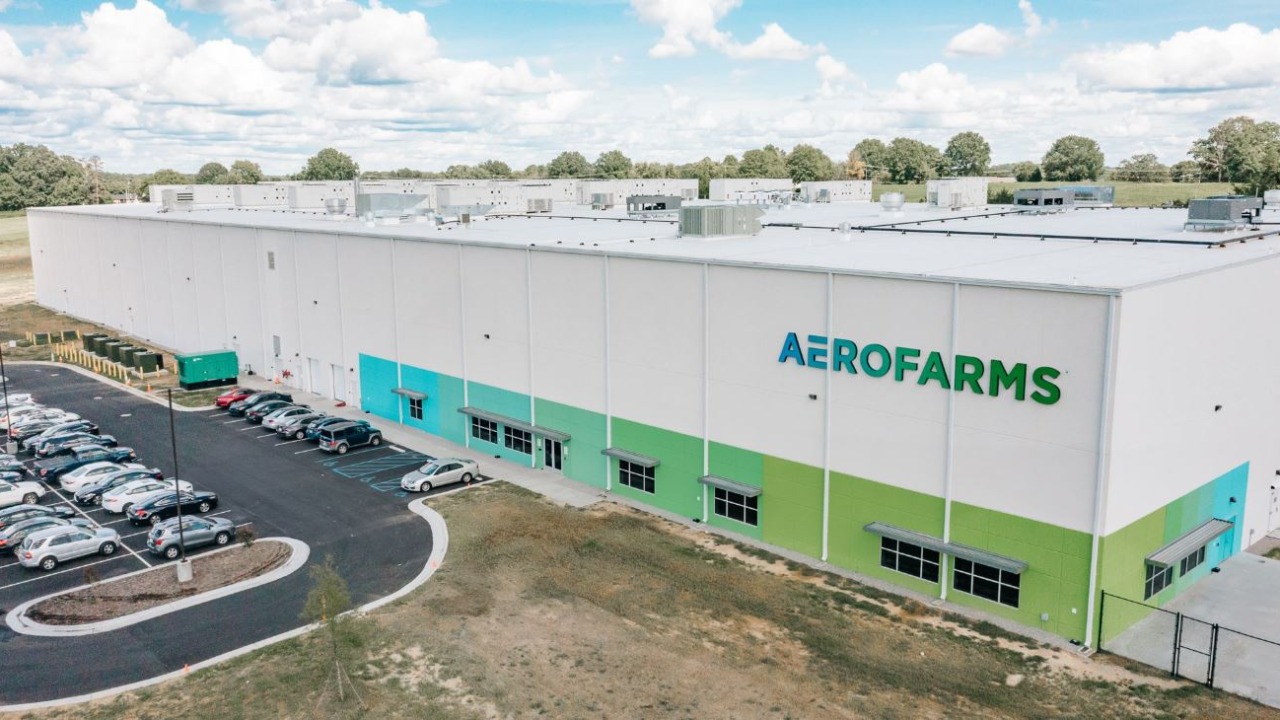
Six days before Christmas, a $17 million indoor farming facility in Virginia abruptly shut its doors, wiping out 172 jobs and jolting a community that had banked on high-tech agriculture as a path to renewal. The timing, just as families were preparing for the holidays, turned a corporate decision into a deeply personal crisis for workers and local leaders. The closure also raised hard questions about how fragile cutting-edge food production can be when funding dries up.
The $17 million bet that suddenly went dark
The facility at the center of the shock was pitched as a showcase for indoor vertical Farming, a climate-controlled operation meant to grow leafy greens and microgreens year-round in Virginia. Local officials treated the $17 million investment as proof that advanced agriculture could anchor a new era of jobs and tax revenue, especially in an area that has spent years trying to replace lost manufacturing work. Instead, the plant’s sudden shutdown just before Christmas turned that promise into a cautionary tale about depending on a single, capital-intensive employer.
According to reporting on the closure, the agriculture giant behind the project decided to halt operations only days before workers expected to clock in for their final pre-holiday shifts, leaving 172 employees with no paychecks and little warning. The shutdown of the $17M Virginia facility, described as coming Six days before Christmas, underscored how quickly a high-profile project can unravel when investors or lenders pull back from a costly buildout of vertical Farming capacity in a state like Virginia, even after millions have already been sunk into infrastructure.
WARN notice and the legal mechanics of a holiday layoff
Behind the human drama sits a dry but important legal document: the WARN notice that signaled the company’s intent to close. Under federal rules, large employers are supposed to give advance notice before mass layoffs, and in this case the company filed a formal WARN notice with Virginia’s Department of Workforce Development after deciding to shutter the site. That filing, submitted On December 11, 2025, laid out that 172 Virginia workers would lose their jobs as the agriculture giant closed the $17M facility before Christmas, putting state officials on the clock to mobilize retraining and unemployment support.
Local leaders in Danville and Pittsylvania County had to absorb the news almost as quickly as the employees, since the WARN paperwork made clear that the impact would fall heavily on residents commuting from Danville and from Pittsylvania County. The notice to the Virginia Department of Workforce Development also confirmed that the shutdown was not a temporary furlough but a full closure, which meant the region could not simply wait for a rebound in orders or a seasonal restart. Instead, the community had to pivot immediately to damage control, from workforce services to potential incentives for a replacement tenant.
PITTSYLVANIA COUNTY’s scramble after AeroFarms’ abrupt halt
The shock was especially acute in PITTSYLVANIA COUNTY, where the facility operated under the AeroFarms brand and had been touted as a flagship for indoor vertical farming. According to local reporting, the company sent a WARN Notice to Danville Mayor Alonzo Jones indicating that AeroFarms would shut down operations at its Cane Creek Centre site in Ringgold, leaving 172 employees in the lurch with little time to plan. The message, delivered in Dec, landed like a gut punch in a region that had worked for years to recruit the project and had invested in infrastructure around the site.
Residents and workers described being blindsided as they learned that AeroFarms was halting production at the PITTSYLVANIA COUNTY facility, a move that immediately raised fears about rent, medical bills, and holiday expenses. According to the WARN communication, the layoffs were tied to a breakdown in funding that left the company unable to sustain operations at the scale originally promised, a reminder that even well-publicized green-tech ventures can be vulnerable when capital markets tighten or investors lose patience with long ramp-up periods.
From shutdown notice to a partial reprieve in Ringgold
In the days after the closure announcement, local officials and stakeholders scrambled to see whether any part of the operation could be salvaged. In PITTSYLVANIA COUNTY, Va., the indoor vertical farming company AeroFarms ultimately secured new stakeholder funding that allowed it to continue operations in Ringgold, at least in a limited form. According to follow-up reports, that infusion of support meant the company could keep some production of microgreens going at the Ringgold facility, even after the abrupt closure announcement had suggested a total shutdown.
The partial reprieve did not erase the shock of the original decision, but it did give local leaders a sliver of leverage as they tried to stabilize the situation. Officials in Pittsylvania County emphasized that the new funding to provide support to AeroFarms could help preserve a portion of the jobs and maintain the site’s viability as a high-tech farming hub, rather than letting a purpose-built vertical farming facility sit idle. For workers, the news created a confusing mix of relief and uncertainty, as some roles were extended while others remained at risk despite the new backing.
Searching for a new tenant and a more resilient future
Even with fresh funding, county leaders have been clear that they cannot rely solely on AeroFarms to carry the long-term economic load. According to local coverage, officials in PITTSYLVANIA COUNTY have already begun exploring options for a new tenant for the facility at Cane Creek Centre, in case the current operator cannot fully restore its original employment levels. That search reflects a hard lesson: a single, specialized employer, no matter how innovative, can leave a community exposed if its business model falters or its investors retreat.
For the 172 workers who saw their jobs vanish just as Christmas approached, the immediate priority is far more basic than long-term strategy: finding new income, securing benefits, and navigating the state’s support systems. As the county courts potential replacements and weighs how to market a sophisticated indoor farming site to other companies, the experience in Danville and Pittsylvania County will likely shape how Virginia pitches future high-tech agriculture projects, with more attention to financial durability, diversified tenants, and safeguards that reduce the odds of another holiday-season shock.
More From TheDailyOverview

Grant Mercer covers market dynamics, business trends, and the economic forces driving growth across industries. His analysis connects macro movements with real-world implications for investors, entrepreneurs, and professionals. Through his work at The Daily Overview, Grant helps readers understand how markets function and where opportunities may emerge.

