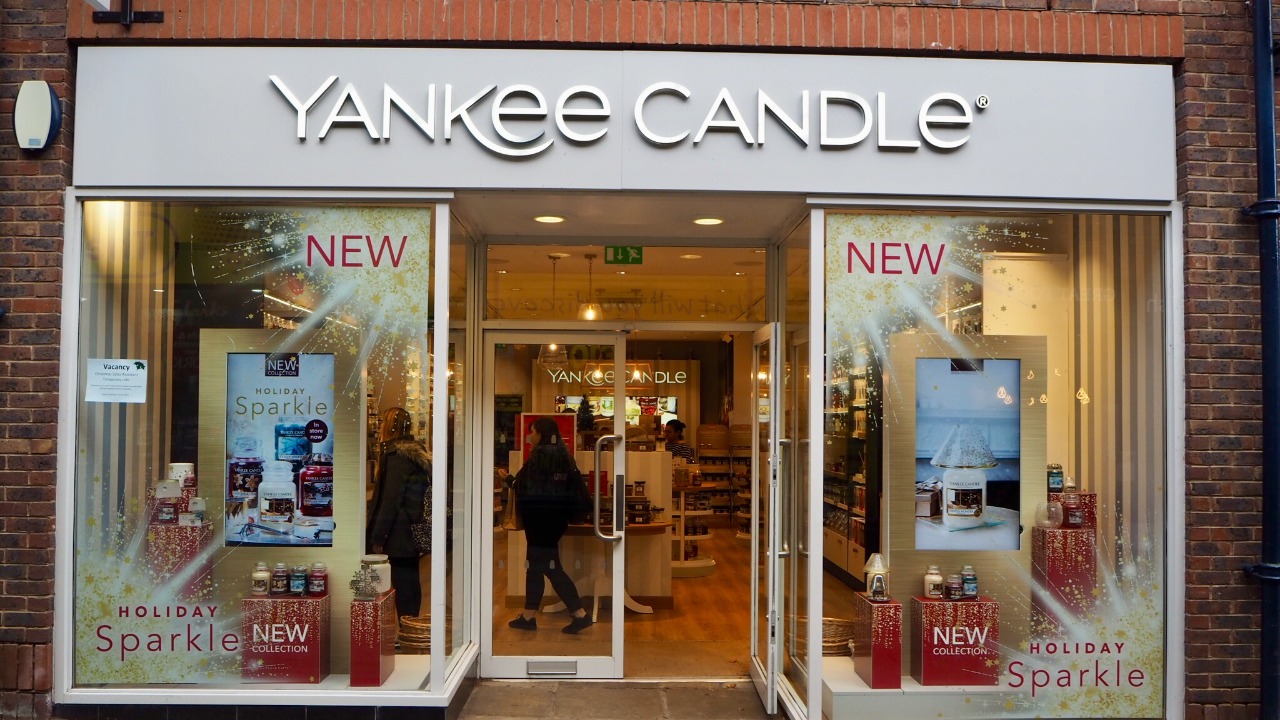
Newell Brands, the consumer products group behind Sharpie markers and Yankee Candle jars, is absorbing a roughly $180 million tariff and restructuring blow that is now translating into 900 lost jobs and dozens of shuttered stores. The company is trying to convince Wall Street that this is a painful reset rather than a slow bleed, but for workers and shoppers the impact is immediate and concrete. I see the cuts as a case study in how trade policy, pricing missteps and automation collide on the retail front line.
The layoffs and store closures arrive just as Newell is already under pressure from weaker demand and failed price hikes, turning what might have been a routine cost-cutting program into a high-stakes gamble on a leaner future. The question now is whether the company can stabilize its brands without hollowing out the very workforce and store network that made them household names.
The $90M hit behind a $180M problem
At the heart of the story is a restructuring bill that Newell Brands itself pegs at between $75 million and $90 million in pre tax charges, a range that effectively wipes out the value of hundreds of jobs and a chunk of its store base. I read that plan as only one side of the ledger, because the company is also wrestling with higher import costs tied to tariffs that have raised the price of everything from marker components to candle glass. In one breakdown of the cuts, the restructuring is described as a $90M restructuring hit that erases 900 positions while tariffs effectively torch 20 stores, a combined burden that pushes the total tariff and restructuring impact toward the $180 million mark implied in the headline.
Newell’s own language around its Global Productivity Plan makes clear that this is not a one off belt tightening but a multi year effort to reset its cost base. The company expects the program to generate annual savings of $110 million to $130 million, but those gains only arrive after the upfront charges of $75 m to $90 m are booked and the workforce is cut. I see that trade off as the core tension in Newell’s strategy: it is spending heavily now, in part because tariffs have already squeezed margins, in the hope that a smaller, more automated operation can survive a tougher consumer and trade environment.
900 jobs, 3.8% of the workforce, gone
The human cost of that financial calculus is stark. Newell Brands is eliminating 900 positions, which the company itself frames as 3.8% of its global workforce, a sizable slice for any employer but especially for a consumer brands group that still relies on physical production and retail. The cuts hit the parent of Sharpie and Yankee Candle across corporate offices, manufacturing and retail, and they land just as seasonal workers would normally be ramping up for the holiday rush. I read that timing as a sign of urgency, not opportunism, because management is clearly prioritizing cash preservation over short term sales upside.
Newell has signaled that the reductions are part of a broader plan to shrink its headcount by about 10 percent, a target that is enabled in part by its use of automation, digitization and artificial intelligence, according to one detailed look at the Global Productivity Plan. I see that as a clear signal that the 900 roles being cut now are not a one off but the first visible wave of a technology driven restructuring that will continue through 2026, reshaping how the company designs, makes and sells its products.
Yankee Candle stores shuttered before Christmas
The most visible fallout for shoppers is at Yankee Candle, where Newell is closing roughly 20 stores across the United States and Canada, a footprint that includes mall locations and outlet sites that once served as brand billboards. One breakdown of the plan notes that Newell Brands, the parent of Coleman, Sterns and Marmot as well as Yankee Candle, will shut about 20 stores in the U.S. and Canada as part of the restructuring, with closures subject to local law and consultation requirements. I interpret that as a strategic retreat from marginal locations rather than a wholesale exit from brick and mortar, but it still chips away at the brand’s physical presence.
The timing is especially brutal. Newell Brands, the parent company of Yankee Candle, is axing 900 workers and closing dozens of stores just before the Christmas shopping rush, a period when scented candles and gift sets typically fly off shelves. One account describes how Newell Brands, the parent of Yankee Candle, is making these moves in response to inflation and economic pressures reshaping the retail landscape, a phrase that captures how higher costs and weaker discretionary spending are squeezing even beloved specialty brands. I see the pre Christmas closures as a sign that the company believes online sales and remaining stores can absorb demand, or that the cost of keeping marginal locations open through the holidays simply no longer adds up.
Tariffs, pricing missteps and a tougher consumer
Behind the restructuring is a deeper profitability problem that Newell has been forced to acknowledge. The company has already cut its outlook after consumers pushed back on price increases that were meant to offset higher costs, including tariffs on imported goods. Chief Executive Chris, speaking in Oct, conceded that “The pricing that we put in the market turned out to position us as being uncompetitive,” a blunt admission that shoppers balked at higher tags on everyday items, according to a detailed account of how tariffs raise costs. I read that as a rare public acknowledgment that the company misjudged its pricing power at a time when household budgets were already stretched.
Those missteps have real financial consequences. Newell has warned that sales are likely to decline as shoppers cut back on general merchandise purchases, and its shares have slumped as investors digest the impact of tariffs, weaker demand and restructuring charges on future earnings. In that context, the What More for Newell analysis notes that management expects to record additional pre tax restructuring and related charges as the plan unfolds, even as it projects savings to ramp at a slower pace than originally anticipated. I see that as a warning that the pain from tariffs and restructuring will linger on the income statement longer than the company first hoped.
Part of a wider wave of industrial layoffs
Newell’s cuts are not happening in isolation. The company is one of several industrial and consumer manufacturers trimming staff as they automate and adjust to a slower economy. A recent overview of holiday season layoffs notes that the Sharpie maker is among employers cutting more than 900 jobs, while Algoma Steel in Ontario, Canada has seen layoffs surpass 1,000 workers even after receiving public funds, a reminder that government support does not always guarantee job security. I see that parallel as important context, because it shows how companies across sectors are using the same playbook of automation and AI tools to justify leaner staffing.
Within Newell itself, the plan to reduce the workforce by about 10 percent is explicitly linked to automation, digitization and artificial intelligence, according to the detailed description of its Global Productivity Plan. The company is betting that smarter factories, data driven supply chains and more efficient back office systems can deliver the same output with fewer people, a strategy that may please investors but will test the loyalty of workers and communities that have long depended on its plants and stores. I see the 900 job cuts and 20 store closures as an early, highly visible manifestation of that shift, one that will likely continue to ripple through the broader consumer goods industry as tariffs, technology and changing shopping habits reshape the cost of doing business.
Holiday brands under structural pressure
For consumers, the irony is hard to miss. Sharpie and Yankee Candle are staples of school supply lists and holiday gift baskets, yet their parent company is tightening belts at the very moment those products are most in demand. Reports detailing how Aside from closing certain stores, Newell will also reduce its global workforce by over 900 employees, with actions in international markets continuing through 2026, underscore that this is not a quick fix but a multi year restructuring. I see that as a sign that even iconic seasonal brands are not immune to the structural pressures of tariffs, inflation and e commerce competition.
At the same time, the narrative around Newell Brands, Sharpie and Yankee Candle is being shaped by the stark framing of a $90 million restructuring hit that wipes out 900 jobs while tariffs torch 20 stores, a description that captures both the financial and human stakes. I read that framing as a warning to other consumer goods companies that have leaned on price hikes to offset tariffs and higher costs: if shoppers push back and volumes fall, the next step is often a restructuring plan that looks a lot like Newell’s, with job cuts, store closures and a bet that technology can do more with less.
More From TheDailyOverview

Grant Mercer covers market dynamics, business trends, and the economic forces driving growth across industries. His analysis connects macro movements with real-world implications for investors, entrepreneurs, and professionals. Through his work at The Daily Overview, Grant helps readers understand how markets function and where opportunities may emerge.

