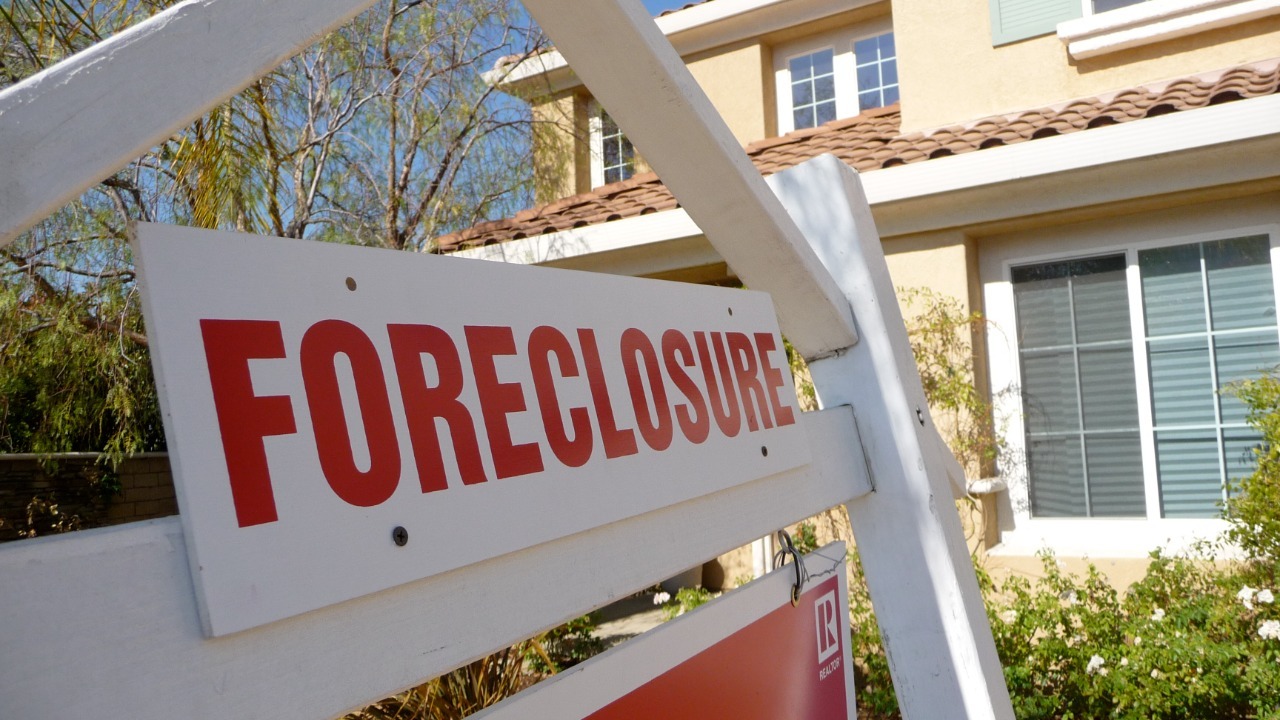
Foreclosure pressure is spreading across the country, but a cluster of states and cities are feeling the strain most acutely, starting with Florida. From Miami-Dade and Broward to Chicago, Newark and Las Vegas, recent court and market data show thousands of households slipping into default as protections fade and rates stay high. I look at 19 places where filings, starts and auctions are piling up, and what those numbers signal for owners, renters and local housing markets.
1) Florida’s Skyrocketing Foreclosure Rate
Florida’s statewide foreclosure rate has surged back into the national spotlight. In the first quarter of 2024, the state logged one foreclosure filing for every 2,842 housing units, the second-highest rate in the country according to Q1 data. That elevated baseline follows a pattern of Florida repeatedly topping national rankings, including periods when 1 in every 1,829 homes carried a filing and when the state posted the worst third-quarter foreclosure rate with 1 in every 814 housing units affected.
More recent snapshots show the pressure is not easing. Analysts tracking 1,829 filings per housing unit in October and a separate review finding Florida “now #1” for foreclosures in October 2025 both point to a trend of rising distress. For owners, that means growing competition at auction, more distressed listings and deeper hits to neighborhood values as clusters of defaults appear in the same subdivisions and condo towers.
2) Miami-Dade County’s Alarming Surge
Miami-Dade County illustrates how Florida’s statewide numbers translate on the ground. County clerk data show 1,247 foreclosure filings in the first half of 2024, a 15 percent jump from the same period a year earlier, according to the local tally. That increase is hitting a market already grappling with high insurance costs, rising condo assessments and a large share of investors who bought during the pandemic boom.
The spike in filings means more Miami-Dade households are moving from late payments into formal legal action, a shift that can quickly translate into forced sales or auctions if workouts fail. For renters, a landlord’s foreclosure can lead to abrupt displacement, while for neighboring owners, a wave of distressed listings can undercut prices. The county’s experience underscores how quickly a hot market can cool once carrying costs outpace incomes.
3) Broward County’s Leading Starts
Broward County, just north of Miami, is seeing even more intense early-stage distress. In the second quarter of 2024, it recorded 892 foreclosure starts, the highest number in Florida for that period, according to Q2 foreclosure data. Starts capture the moment lenders formally initiate proceedings, so this figure signals a pipeline of potential auctions and bank-owned properties in the coming months.
Because Broward includes large suburban communities as well as dense coastal condos, a surge in starts can ripple through several segments at once. Homeowners facing resets on adjustable-rate mortgages or steep insurance hikes are particularly vulnerable. For local governments, rising defaults can strain code enforcement and depress property tax collections, complicating budgets just as infrastructure and climate resilience costs climb.
4) Illinois Tops the National List
Illinois currently sits at the top of the national foreclosure rankings. In the first quarter of 2024, the state recorded one foreclosure filing for every 1,987 housing units, the highest rate in the country, according to Q1 figures. That elevated rate builds on a longer pattern: one analysis found Illinois with one filing in every 2,096 units in June 2022, and another reported that Illinois had the highest foreclosure rate in the third quarter of 2024, with one in every 904 homes affected.
Those numbers show that Illinois is not just experiencing a brief spike but a sustained period of distress. High property taxes, aging housing stock and uneven job growth in some regions all contribute to financial strain on owners. For policymakers, the data raise questions about whether existing mediation programs and legal protections are sufficient to keep borrowers in their homes or whether more aggressive intervention is needed.
5) Chicago’s Persistent Crisis
Chicago remains the epicenter of Illinois’ foreclosure problem. City records show 4,512 foreclosure filings in 2023, affecting 1 in every 250 homes, according to local reporting. That ratio is far higher than the statewide average and reflects deep pockets of distress on the city’s South and West Sides, where incomes are lower and access to affordable credit is more limited.
Historical data underscore how entrenched the issue has become. One review of Illinois foreclosure statistics found that as far back as June 2022, one in every 2,096 housing units statewide was receiving a filing, with Chicago heavily represented. For residents, persistent foreclosure activity can mean more vacant properties, slower neighborhood recovery and a tougher environment for first-time buyers trying to secure financing in areas lenders perceive as risky.
6) Cook County’s Auction Boom
Cook County, which includes Chicago and many surrounding suburbs, is seeing a sharp rise in properties moving all the way to auction. Sheriff’s office records show a 22 percent increase in foreclosure auctions in the first quarter of 2024 compared with the same period in 2023, according to a county analysis. That jump indicates more cases where owners either cannot or do not negotiate loan modifications or short sales before the final sale date.
Auctions are a critical barometer because they represent the point at which families definitively lose their homes and investors or banks take control. A 22 percent rise in a single quarter suggests that earlier pandemic-era protections and forbearance programs are no longer cushioning borrowers. It also means more distressed inventory hitting the market at once, which can pressure prices in already fragile neighborhoods and shift ownership from local residents to institutional buyers.
7) New Jersey’s High Rankings
New Jersey consistently appears near the top of national foreclosure lists, and recent data confirm that pattern. In the first quarter of 2024, the state recorded one foreclosure filing for every 2,456 housing units, placing it third nationally, according to Q1 foreclosure figures. That ranking reflects both lingering fallout from the last housing crash and ongoing affordability challenges in many suburban and urban markets.
New Jersey’s judicial foreclosure process, which requires court involvement, can also lengthen timelines, keeping distressed properties in limbo for years. While that sometimes gives borrowers more time to work out solutions, it can also leave neighborhoods dotted with half-occupied or deteriorating homes. For local officials, balancing consumer protection with the need to move properties back into productive use remains a central challenge.
8) Newark’s Notice Spike
Newark, the largest city in New Jersey, is seeing a pronounced uptick in early foreclosure activity. County filings show 678 foreclosure notices in 2023, an 18 percent year-over-year increase, according to Essex County data. Notices mark the start of the legal process, so a jump of that size signals mounting financial stress among homeowners across the city’s neighborhoods.
Newark has long grappled with high housing cost burdens relative to income, and rising interest rates have made refinancing or catching up on arrears more difficult. An 18 percent increase in notices means more families facing the prospect of losing generational wealth tied up in their homes. It also raises concerns about speculative investors targeting distressed properties, potentially accelerating displacement in areas already under gentrification pressure.
9) Ohio’s Steady Climb
Ohio has quietly climbed into the upper tier of foreclosure rates nationwide. In the first quarter of 2024, the state recorded one foreclosure filing for every 2,678 housing units, ranking fourth nationally, according to Q1 statistics. That level of activity reflects both urban distress in cities like Cleveland and legacy issues in smaller industrial communities still adjusting to job losses.
Because many Ohio markets never saw the extreme price run-ups of coastal states, some owners have less equity to cushion them when incomes fall or expenses spike. A foreclosure rate this high can weigh on municipal finances, as vacant or devalued properties erode the tax base. It also complicates efforts to attract new investment, since lenders and developers often view elevated foreclosure activity as a sign of deeper economic fragility.
10) Cleveland’s Ongoing Starts
Cleveland stands out within Ohio for the volume of new foreclosure cases entering the system. County records show 1,234 foreclosure starts in the first nine months of 2023, according to Cuyahoga County data. Starts capture the moment lenders file initial complaints, so this figure points to a substantial pipeline of potential auctions and distressed sales.
Cleveland has spent years trying to recover from the devastation of the last foreclosure crisis, which left entire blocks dotted with vacant homes. The 1,234 new starts suggest that, despite stronger downtown development and some neighborhood revitalization, many households remain financially precarious. For community groups, the priority is often intervening early, connecting owners with counseling or legal aid before cases progress to sheriff’s sales that can further hollow out vulnerable streets.
11) Nevada’s Concerning Rate
Nevada, a state with a long history of boom-and-bust housing cycles, is again posting elevated foreclosure numbers. In the first quarter of 2024, it recorded one foreclosure filing for every 3,012 housing units, according to Q1 foreclosure data. Other snapshots show Nevada frequently near the top of national rankings, including a 2024 update that put its rate at one in every 2,473 units, ahead of Florida and Illinois.
Those figures highlight how sensitive Nevada’s market is to shifts in employment and tourism, especially in and around Las Vegas. When service-sector jobs wobble or wages fail to keep pace with housing costs, owners who bought with minimal down payments can quickly find themselves underwater. Elevated foreclosure rates can then feed back into prices, as distressed sales drag down comparable values in newer subdivisions on the metro fringe.
12) Las Vegas’s Filing Peak
Las Vegas remains the focal point of Nevada’s foreclosure story. County records show 2,156 foreclosure filings in 2023, the highest total in the metro area, according to Clark County data. That volume reflects both owner-occupied homes and investor properties purchased during the recent run-up in prices.
Because Las Vegas relies heavily on hospitality and entertainment jobs, any slowdown in visitor spending can quickly hit household budgets. The 2,156 filings suggest that many owners are struggling to keep up with mortgages, taxes and insurance at the same time. For local planners, the concern is that another wave of distressed properties could stall redevelopment efforts in older neighborhoods and leave newer master-planned communities with higher vacancy rates than expected.
13) South Carolina’s Rising Numbers
South Carolina has emerged as another foreclosure hotspot in the Southeast. In the first quarter of 2024, the state recorded one foreclosure filing for every 3,145 housing units, according to Q1 figures. A separate review of national rankings listed South Carolina among the “Top 3 states with the worst foreclosure rates,” with one in every 1,982 units affected, alongside Florida and Illinois.
That combination of rapid in-migration, rising home prices and relatively modest wages leaves many South Carolina households stretched thin. When unexpected expenses or job disruptions hit, owners can quickly fall behind. Elevated foreclosure activity threatens to undercut some of the economic gains the state has seen from new manufacturing and logistics investments, particularly if distressed sales cluster in fast-growing coastal and suburban counties.
14) Charleston’s Sharp Increase
Charleston, one of South Carolina’s fastest-growing metros, is seeing a notable jump in foreclosure activity. County court filings show a 25 percent rise in foreclosure notices in the second quarter of 2024, reaching 456 cases, according to local court data. Notices are the first formal step in the process, so this surge signals mounting stress among homeowners who bought into a hot market.
Charleston’s popularity has driven up prices and property taxes, while flood insurance and maintenance costs in low-lying areas add further strain. A 25 percent increase in notices suggests that some buyers may have stretched beyond sustainable levels during the boom. For the region’s tourism-driven economy, rising foreclosures could mean more short-term rental conversions or investor purchases, potentially shifting neighborhoods away from long-term residents.
15) Georgia’s Troubling Metrics
Georgia is another Sun Belt state where foreclosure numbers are climbing. In the first quarter of 2024, the state recorded one foreclosure filing for every 3,289 housing units, according to Q1 foreclosure statistics. That rate places Georgia among the higher-risk states nationally, reflecting both metro Atlanta pressures and challenges in smaller cities.
Rapid population growth has pushed up home prices and rents, particularly around Atlanta’s job centers. At the same time, some rural and exurban areas have seen slower wage growth, leaving owners vulnerable when adjustable-rate loans reset. A foreclosure rate at this level can dampen consumer confidence and complicate efforts to close racial homeownership gaps, since households of color are often more exposed to high-cost lending and income volatility.
16) Atlanta’s Auction Volume
Atlanta, the economic engine of Georgia, is seeing a heavy flow of properties heading to the auction block. County sheriff data show 3,210 foreclosure auctions in 2023, according to Fulton County records. Auctions represent the final stage of the process, when owners lose title and investors or lenders take control.
That volume of auctions in a single year underscores how many households have exhausted alternatives like loan modifications or short sales. For neighborhoods, a concentration of auctioned properties can accelerate shifts from owner-occupied homes to rental portfolios controlled by large investors. It can also widen wealth gaps, as families who lose homes miss out on future appreciation while cash buyers pick up properties at discounted prices.
17) Connecticut’s Elevated Rate
Connecticut, often seen as a high-income state, is also grappling with significant foreclosure activity. In the first quarter of 2024, it recorded one foreclosure filing for every 3,456 housing units, according to Q1 data. That elevated rate reflects pockets of distress in older industrial cities as well as in some suburban communities facing high property taxes.
Because many Connecticut homeowners carry sizable mortgages relative to income, even modest economic shocks can trigger delinquencies. An elevated foreclosure rate can weigh on municipal budgets, particularly in towns that rely heavily on residential property taxes to fund schools and services. It also complicates efforts to attract and retain younger households, who may be wary of buying into markets with visible signs of distress.
18) Bridgeport’s Recent Uptick
Bridgeport, the largest city in Connecticut, is seeing a clear rise in foreclosure filings. County records show 789 filings in the first half of 2024, a 12 percent increase from 2023, according to Fairfield County data. That uptick suggests more households are moving from financial strain into formal default.
Bridgeport has long struggled with high poverty rates and limited access to affordable credit, making homeowners particularly vulnerable to job losses or medical bills. A 12 percent rise in filings can quickly translate into more vacant or distressed properties if cases proceed to auction. For local leaders, the challenge is to pair code enforcement with foreclosure prevention tools so that neighborhoods do not see a repeat of past cycles of abandonment and blight.
19) Indiana’s Foreclosure Pressure
Indiana rounds out the list of states facing notable foreclosure pressure. In the first quarter of 2024, it recorded one foreclosure filing for every 3,567 housing units, according to Q1 foreclosure figures. While that rate is lower than in Illinois or Florida, it still places Indiana among the more affected states nationally.
Many Indiana communities have relatively modest home values, which can limit owners’ equity cushions when financial trouble hits. Elevated foreclosure activity can therefore have an outsized impact, as even small declines in prices erode wealth for households that already have limited savings. For state and local officials, the data highlight the importance of early intervention, from housing counseling to legal aid, to keep temporary setbacks from turning into permanent displacement.
Supporting sources: Florida Is Now, Florida had the, Foreclosures in Florida, Report: These 3.
More From The Daily Overview

Elias Broderick specializes in residential and commercial real estate, with a focus on market cycles, property fundamentals, and investment strategy. His writing translates complex housing and development trends into clear insights for both new and experienced investors. At The Daily Overview, Elias explores how real estate fits into long-term wealth planning.

