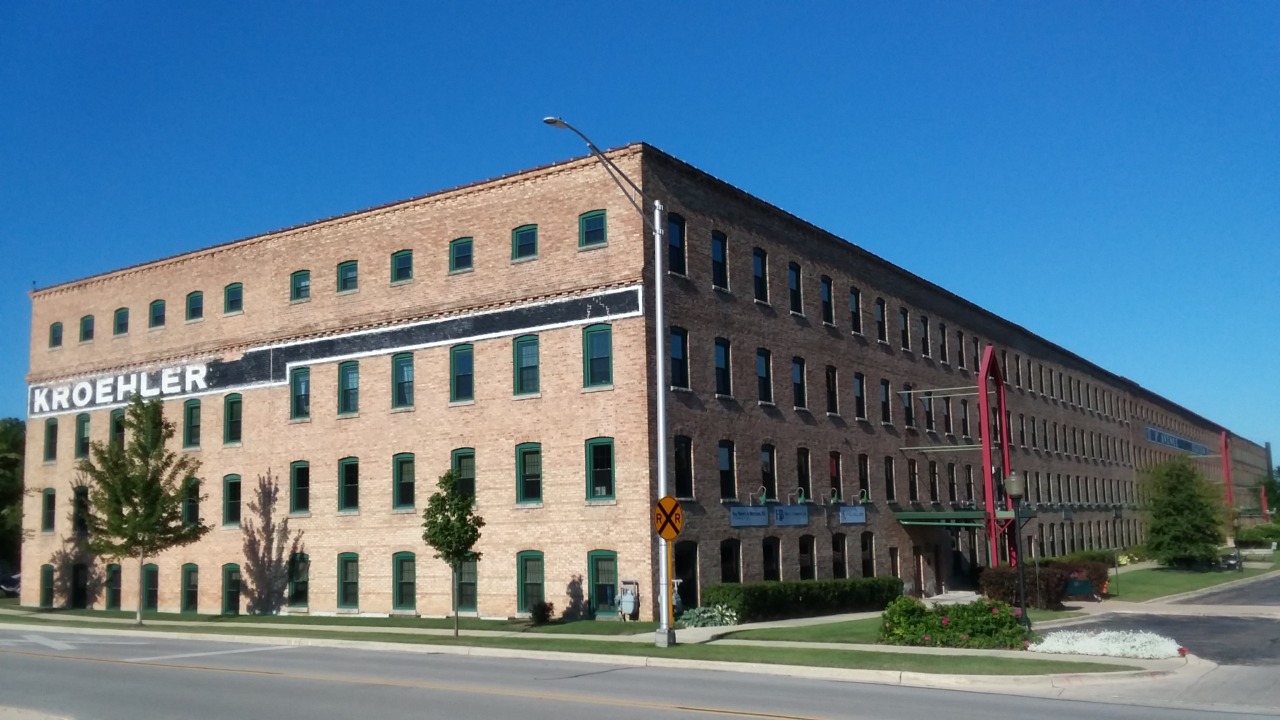
A century-old furniture name that once helped define a regional manufacturing hub is shutting its doors, taking 208 jobs with it as its North Carolina plant closes by the end of the year. The shutdown of the Conover facility by New Year’s Eve ends more than a hundred years of production and leaves hundreds of families scrambling just as the local economy is already absorbing other retail and factory losses. I see this collapse as both a deeply personal blow for workers and a stark signal about how unforgiving the modern furniture market has become.
The final days of a 132-year-old brand
The company at the center of this closure, Kroehler Furniture, is not a start-up that misread the market but a 132-year-old manufacturer that survived wars, recessions and shifting tastes before finally running out of room to maneuver. According to federal filings, the bankrupt Kroehler Furniture Company is permanently shutting its manufacturing plant, ending a production lineage that stretches back to the late 1800s and once made the brand a staple in American living rooms. When a firm with that kind of staying power folds, it is less a blip and more a verdict on how much the industry’s economics have changed.
The immediate human cost is stark. Company notices and state records show that 208 jobs are being eliminated as the North Carolina plant winds down operations by New Year’s Eve, with the last shifts scheduled to end on Wednesday, December 31, 2025. That figure of 208 is not just a statistic, it represents machine operators, upholsterers, line supervisors and office staff whose livelihoods were tied to a single employer that had been part of the community for generations. For many of them, the company’s long history was a reason to believe their jobs were secure, right up until they were not.
Two days’ notice in Conover
What has shocked many in Conover is not only that the plant is closing, but how quickly the end arrived. Workers learned that operations at the facility in Conover would cease with just two days’ notice, with the company telling employees that their last day would fall on a Wednesday at the very end of the year. In its explanation, the company cited a significant reduction in orders and said it had moved to notify staff as soon as it was practicable, a phrase that offers little comfort to people who suddenly have to rethink rent, mortgages and health insurance with almost no runway, as described in coverage of the Conover shutdown.
State filings show that Kroehler Furniture Co issued a formal WARN notice in Dec, confirming that the Conover plant would close and that hundreds of positions would be eliminated. That notice, which is meant to give workers and local officials time to prepare, landed just as the holidays approached, compounding the emotional toll for families who had expected year-end overtime rather than pink slips. Local broadcasters, including WBTV, highlighted how the timing left many scrambling to line up new work or unemployment benefits in a compressed window, underscoring how even legally compliant closures can feel brutally abrupt on the ground.
Historic Conover plant and a community on edge
The facility itself is not just another industrial building, it is widely described as a Historic Conover furniture plant that has long anchored the local manufacturing base. Reports note that the closure will leave 200 employees jobless at that specific site, a figure that aligns with the broader 208-job tally once office and support roles are included. For a town that has marketed its industrial heritage and proximity to the furniture corridor as selling points, seeing a historic employer go dark is a symbolic blow as well as an economic one, as detailed in coverage of the Historic Conover closure.
Local reporting has emphasized that the Kroehler name has been in the furniture industry since the late 1800s, and that The Kroehler brand’s potential disappearance on a Wednesday at year’s end would mark the end of an era for the region. One account framed the shutdown as leaving as many as 300 people jobless once contractors and related roles are counted, illustrating how the ripple effects extend beyond the plant’s direct payroll. In interviews captured by local coverage, workers described multigenerational ties to the factory, with parents and grandparents having drawn paychecks from the same shop floor, which deepens the sense of loss when the gates close for good.
Furniture’s broader shakeout
As painful as the Kroehler shutdown is for Conover, it is not happening in isolation. The U.S. furniture sector has been undergoing a broader shakeout, with both manufacturers and retailers struggling to adapt to changing consumer habits, higher input costs and intensifying competition from big-box chains and online platforms. One high-profile example is American Signature Inc, a major retailer that has been closing stores across 14 states and leaving thousands jobless, a sign that even large, vertically integrated players are not immune to the pressures reshaping the market, as detailed in reporting on American Signature Inc.
In that context, Kroehler’s bankruptcy and plant closure look less like an isolated misstep and more like part of a structural realignment that is squeezing mid-sized, heritage brands. Traditional manufacturers that built their business on wholesale relationships with regional retailers have been hit from both sides, with cheaper imports undercutting prices and large chains capturing more of the remaining demand. When a 132-year-old company cannot find a viable niche in that environment, it suggests that policy makers and local leaders will need to think more creatively about how to support industrial towns that once relied on a single sector for stability.
What comes next for workers and the town
For the 200 employees at the historic plant and the broader group of 208 workers tied to the closure, the immediate priority is finding new income. State and federal programs triggered by the WARN notice can help with unemployment benefits and retraining, but those supports rarely match a full paycheck from a long-held factory job. Some workers may look to other manufacturers in the region, while others could be forced into lower-wage service roles or longer commutes, outcomes that can erode the economic base of a town over time. The fact that the closure lands at the end of the year, just as household budgets are stretched by holiday spending, only heightens the financial strain.
At the community level, Conover and neighboring cities will have to decide how to repurpose a large industrial site that once symbolized local pride. There is precedent for turning former factories into mixed-use developments, logistics hubs or even training centers, but those transitions require investment and a clear strategy. Local leaders may also lean on the region’s broader identity as a furniture hub, anchored by nearby clusters and institutions such as the furniture market in the state, to attract new employers that can absorb at least some of the displaced workforce. For now, though, the story is one of loss: a 132-year-old brand, a historic plant, and 208 jobs gone by the time the clock strikes midnight on New Year’s Eve.
More From The Daily Overview

Silas Redman writes about the structure of modern banking, financial regulations, and the rules that govern money movement. His work examines how institutions, policies, and compliance frameworks affect individuals and businesses alike. At The Daily Overview, Silas aims to help readers better understand the systems operating behind everyday financial decisions.

