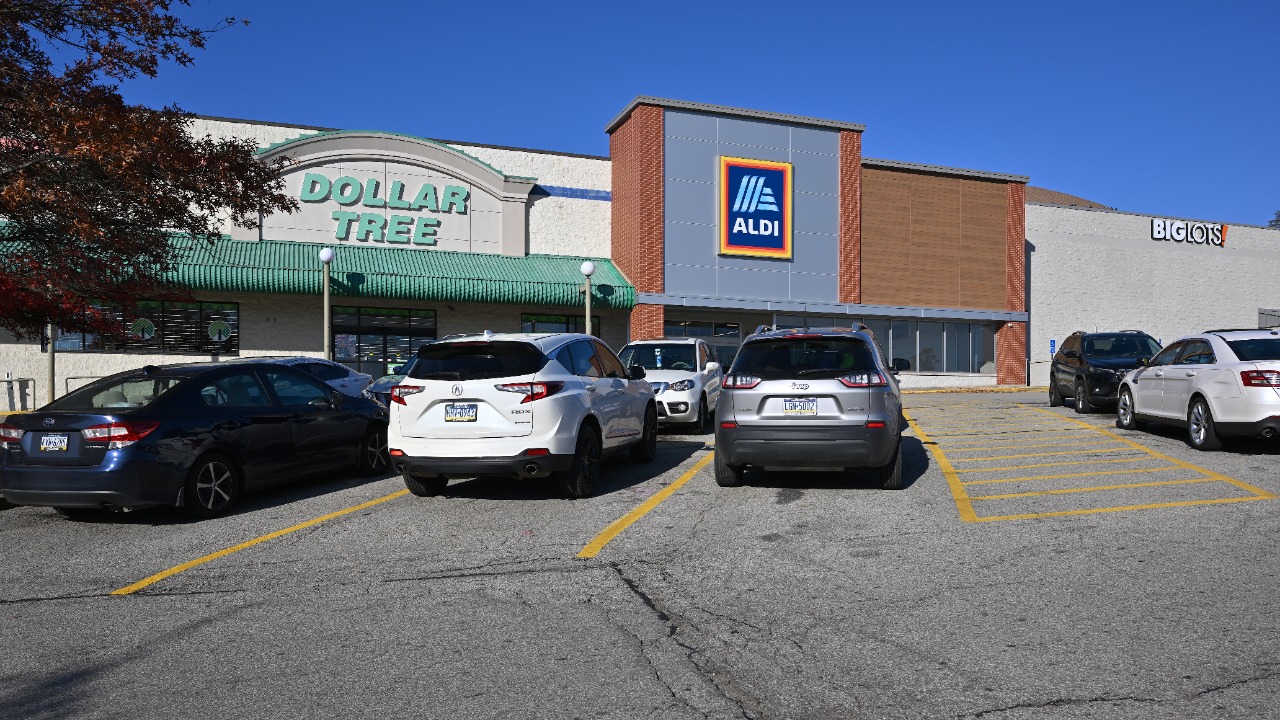
In a notable shift in consumer behavior, nearly 28% of high-income households are now frequenting budget chains like Aldi and Dollar Tree. This change highlights the increasing economic pressures even affluent families face, prompting them to prioritize value over luxury. As these households turn to discount retailers for everyday essentials, the trend challenges traditional retail assumptions and underscores a growing overlap between luxury lifestyles and bargain hunting.
Defining High-Income Households in This Context
High-income households, typically defined as those earning above $150,000 annually, have traditionally been associated with premium shopping experiences. However, recent data suggests a shift in their spending habits. These households, often concentrated in urban and suburban areas, are now seeking value in their purchases, a departure from their previous spending patterns. The 28% figure, which represents the portion of high-income households shopping at budget chains, is derived from surveys tracking shopping frequency among this demographic. This shift indicates a significant change in consumer behavior, driven by broader economic factors.
The demographic details of these high-income households reveal a diverse group, with varying preferences and spending habits. Urban households, for example, may prioritize convenience and accessibility, while suburban families might focus on cost savings. Before this shift, high-income households were more likely to shop at premium retailers, valuing quality and brand reputation over price. However, the current economic climate has prompted a reevaluation of these priorities, leading to increased patronage of budget chains like Aldi and Dollar Tree.
Key Drivers Behind the Shift to Budget Shopping
Inflation has played a significant role in pushing high-income families toward value-oriented stores. As the cost of living rises, even affluent consumers are feeling the pinch, prompting them to seek more affordable options for groceries and household items. Budget chains like Aldi offer competitive prices on essential goods, making them an attractive choice for cost-conscious shoppers. Additionally, post-pandemic economic uncertainties, including supply chain disruptions, have further highlighted the appeal of discount retailers, even for those with higher incomes.
Specific product categories, such as produce and cleaning supplies, have become focal points for high-income shoppers seeking savings. At chains like Dollar Tree, these consumers report significant cost reductions, making these stores a practical choice for everyday purchases. The shift to budget shopping reflects a broader trend of consumers prioritizing value and affordability, regardless of their income level. This change in behavior underscores the impact of economic pressures on consumer choices and highlights the growing importance of budget retailers in the retail landscape.
Performance and Strategies of Budget Chains
Budget chains like Aldi have capitalized on this shift by expanding their reach and enhancing their offerings. Aldi’s expansion strategies, including opening new stores and introducing private-label brands, have attracted a significant portion of high-income households. These efforts have positioned Aldi as a competitive player in the retail market, appealing to consumers seeking quality products at lower prices. Similarly, Dollar Tree has adapted its pricing strategies, maintaining most items under $1.25, which resonates with budget-conscious affluent buyers.
The influx of high-income shoppers has contributed to the sales growth of these budget chains. As reported on October 19, 2025, the increased patronage from affluent consumers has bolstered the performance of stores like Aldi and Dollar Tree. This trend highlights the effectiveness of their strategies in capturing a diverse customer base and underscores the growing importance of value-oriented shopping in today’s economic climate.
Broader Implications for the Retail Landscape
The shift of high-income households to budget chains has significant implications for the retail landscape. Traditional supermarkets may face potential market share losses as consumers increasingly turn to competitors like Aldi and Dollar Tree for their shopping needs. This trend challenges conventional retail models, prompting supermarkets to reevaluate their strategies to retain customers. Consumer loyalty programs and premium pricing models may need to adapt to the changing preferences of high-income shoppers seeking deals.
Furthermore, the trend toward budget shopping could drive innovation in the retail sector, leading to the development of hybrid store formats that blend luxury and discount elements. Retailers may explore new ways to offer value without compromising quality, catering to the evolving needs of affluent consumers. As the retail landscape continues to evolve, businesses must remain agile and responsive to changing consumer behaviors to maintain their competitive edge.
Future Projections for Affluent Budget Shopping
Looking ahead, the penetration rate of high-income households shopping at budget chains is expected to grow. Economic indicators suggest that ongoing financial pressures will continue to drive affluent consumers toward value-oriented retailers. However, challenges such as supply chain volatility could influence the pace of this trend, potentially sustaining or accelerating the shift to budget shopping.
Retailers must adapt to this demographic crossover by emphasizing value without sacrificing quality perceptions. By understanding the needs and preferences of high-income shoppers, businesses can develop strategies to attract and retain this customer base. As the retail landscape continues to change, the ability to offer compelling value propositions will be crucial for success in capturing the loyalty of affluent consumers.

Cole Whitaker focuses on the fundamentals of money management, helping readers make smarter decisions around income, spending, saving, and long-term financial stability. His writing emphasizes clarity, discipline, and practical systems that work in real life. At The Daily Overview, Cole breaks down personal finance topics into straightforward guidance readers can apply immediately.