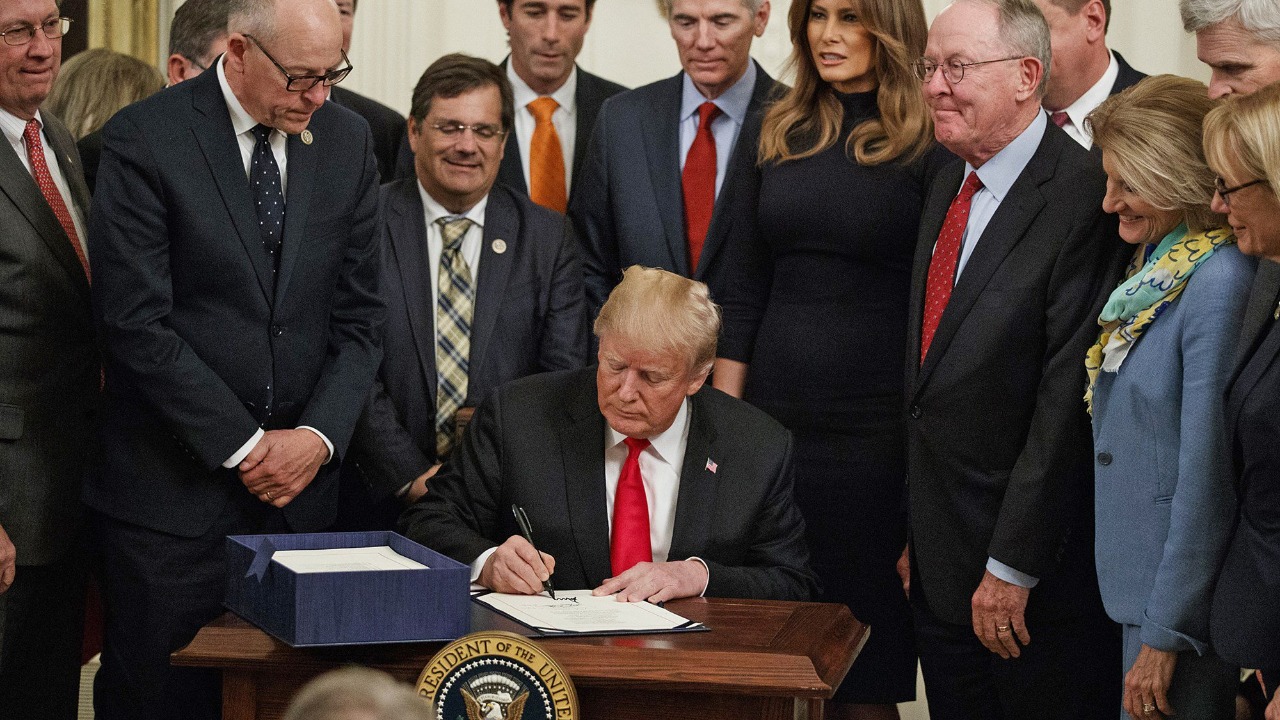
President Trump’s new legislation introduces significant reforms in three critical areas: taxes, student loans, and border security. These changes aim to reshape the economic and social landscape of the United States, impacting millions of Americans. Understanding the intricacies of the new law and its potential implications is crucial for navigating these transformative times.
Tax Overhaul: A New Economic Era

The legislation’s reductions in corporate tax rates represent a landmark shift aimed at stimulating business investment and economic growth. By lowering the tax burden on corporations, the administration hopes to encourage reinvestment in domestic operations, potentially leading to job creation and enhanced global competitiveness. Critics, however, argue that the benefits may disproportionately favor larger corporations, leaving small businesses and individual taxpayers questioning their share of economic gains.
Changes to individual income tax brackets are another pivotal aspect of the tax overhaul. The adjustments are intended to provide relief to middle-income earners, but the long-term effects remain a subject of debate. While some families may see an immediate increase in their disposable income, others worry about the sustainability of these cuts and potential future tax hikes. Additionally, the elimination of certain deductions, such as state and local tax deductions, prompts a shift in how taxpayers will manage their financial planning. These changes require careful consideration by individuals and tax professionals alike as they navigate the new tax landscape.
Student Loans: Restructuring Debt Relief

The new legislation introduces significant updates to student loan repayment plans, offering more flexible options for borrowers. The revised plans are designed to accommodate diverse financial situations, potentially easing the burden on recent graduates. However, these changes could extend repayment periods, increasing the total interest paid over time. It’s essential for borrowers to evaluate their financial goals and carefully choose the repayment plan that best suits their needs.
Modifications to existing loan forgiveness programs may also impact eligibility, particularly for those in public service or non-profit employment. These adjustments could limit the number of borrowers able to benefit from forgiveness, intensifying debates about the accessibility and fairness of such programs. Furthermore, changes to interest rates on federal student loans seek to balance government costs with borrower affordability, adding another layer of complexity for students planning their financial futures.
Border Security: Strengthening National Defense

With increased funding for border infrastructure, the legislation aims to enhance physical barriers and integrate advanced technology to deter illegal crossings. This investment reflects a commitment to fortifying national security and addressing ongoing immigration challenges. However, these measures have sparked debates about their efficacy and the potential humanitarian impact on migrant populations.
Policy shifts in immigration enforcement further underscore the administration’s focus on stricter measures, including expedited deportation processes. While proponents argue that these changes are necessary for national security, concerns over human rights implications persist. Additionally, collaboration with neighboring countries aims to address the root causes of migration and improve bilateral border security efforts. These diplomatic engagements highlight the complexity of migration issues and the need for comprehensive solutions that consider both security and humanitarian perspectives.
Implications for the American Public

The economic impact of these reforms on American households is multifaceted, particularly concerning changes in taxes and student loans. Adjustments in tax brackets and the elimination of deductions may alter disposable income levels, influencing consumer behavior and overall economic stability. Families must assess how these changes affect their financial planning and budgeting, particularly in relation to long-term savings and investment strategies.
Reactions to the legislation have been mixed, with political entities, stakeholders, and the general public expressing varied opinions. Supporters praise the potential for economic growth and strengthened national security, while critics highlight concerns about inequality and civil liberties. These diverse perspectives underscore the complexities of governance and the challenges of crafting policies that balance competing interests.
Considering the long-term consequences of these policies is essential for understanding their potential impact on America’s socio-economic fabric and international relations. The legislation’s legacy will depend on its efficacy in achieving stated goals and its adaptability to future challenges. As the nation navigates these changes, ongoing dialogue and critical evaluation will be crucial in shaping a prosperous and equitable future for all Americans.

Julian Harrow specializes in taxation, IRS rules, and compliance strategy. His work helps readers navigate complex tax codes, deadlines, and reporting requirements while identifying opportunities for efficiency and risk reduction. At The Daily Overview, Julian breaks down tax-related topics with precision and clarity, making a traditionally dense subject easier to understand.

