Rihanna, Jessica Alba, and Ryan Reynolds each turned personal interests into standalone companies that grew well beyond typical celebrity endorsements. Their ventures in cosmetics, consumer goods, and spirits generated hundreds of millions of dollars in revenue or acquisition value, offering a practical blueprint for anyone looking to convert a side project into a primary career. The common thread across all three stories is that each founder identified a gap in an existing market, built a product around it, and scaled the operation to a point where it could stand on its own without the celebrity’s fame as its only selling point.
Fenty Beauty Launched as a Global Operation
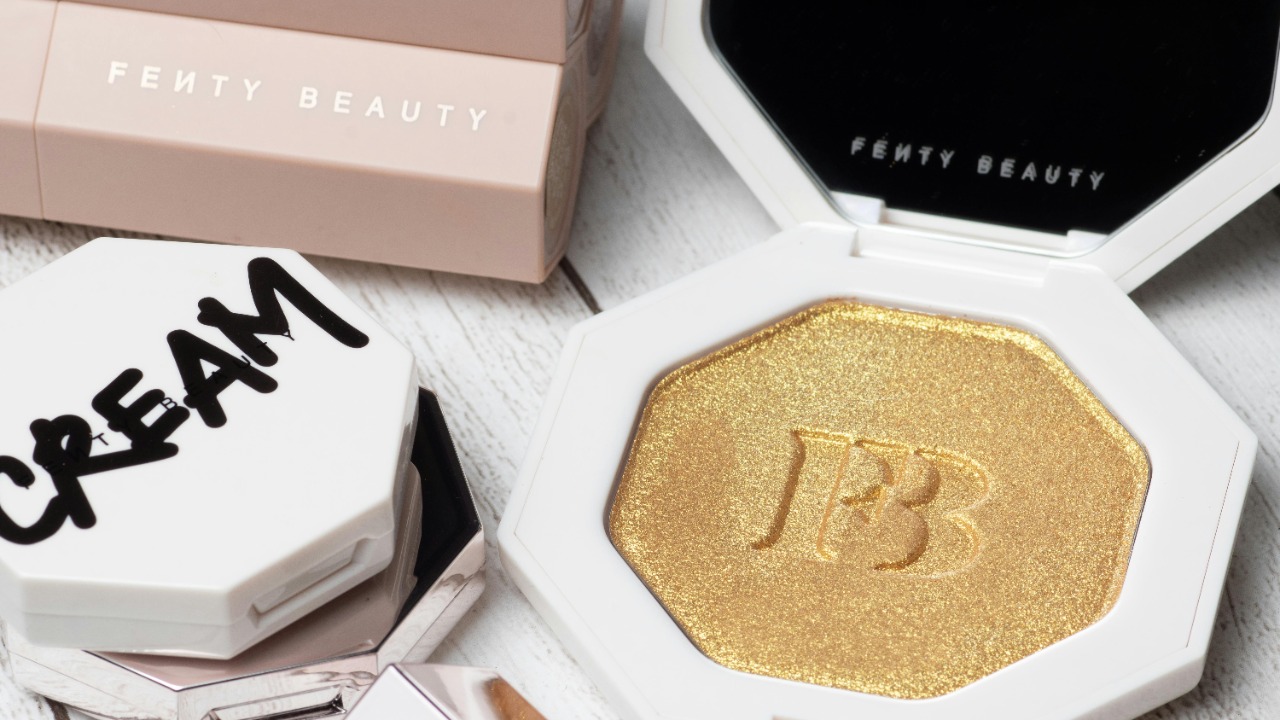
Most celebrity beauty lines start small, testing demand in a single market before expanding. Rihanna skipped that phase entirely. Fenty Beauty debuted in 17 countries simultaneously, backed by Kendo Brands, an incubator owned by LVMH. The scale of the rollout signaled that this was not a vanity project or a licensing deal where a celebrity lends a name to someone else’s formula. It was a full business launch with global distribution infrastructure from day one, designed to compete directly with established cosmetics houses rather than occupy a niche in the celebrity aisle.
The product strategy also set Fenty Beauty apart from competitors. The brand opened with 40 foundation shades, a range that forced the rest of the industry to reconsider how many skin tones they were ignoring. That decision was both a brand statement and a commercial one: by serving customers that other companies overlooked, Fenty Beauty captured demand that had been sitting untapped. For anyone thinking about turning a side hustle into a career, the lesson is concrete. Find the customers nobody else is serving, build the product for them first, and be willing to launch at a scale that matches the size of the opportunity rather than the size of your comfort zone.
Why Inclusivity Became a Business Strategy
Fenty Beauty’s shade range was not just a marketing talking point. It shaped how the brand was positioned by its parent company. LVMH’s description of the line emphasizes inclusive shade development as a core part of the brand’s identity, treating it as the commercial engine rather than an afterthought. That framing matters because it shows how a personal value, in this case Rihanna’s frustration with limited shade options, can become the organizing principle of a scalable business. The company did not need to pivot or rebrand after launch because the mission and the market opportunity were the same thing from the start, making every new product extension a continuation of the original thesis.
For people building side projects, this is a useful filter. A hobby becomes a viable full-time business when the founder’s personal motivation aligns with a real gap in the market. Rihanna did not simply put her name on a product line. She identified a structural problem in the beauty industry and built a company around solving it, with the backing and operational expertise of a global luxury group to ensure the execution matched the ambition. The takeaway is that values-driven positioning only works at scale when it is tied to a measurable customer need, such as underserved shade ranges, that can be translated into product design, merchandising, and long-term brand equity.
The Honest Company Went From Nursery to NYSE
Jessica Alba’s path followed a different trajectory. She founded The Honest Company after struggling to find baby and household products that met her standards for safety and transparency. That personal frustration became the seed of a consumer goods business that eventually filed for a public offering in the United States. The company’s IPO registration statement laid out the full origin story in regulatory detail, including audited financial statements, risk factors, leadership structure, and a business model that had grown from a single product category into a diversified brand spanning personal care, baby products, and cleaning supplies. By the time of the filing, the company was describing a multi-channel distribution strategy that included e-commerce, retail partnerships, and direct-to-consumer subscriptions.
Going public is the clearest possible signal that a side hustle has become a real company. An IPO requires audited books, board governance, and disclosure of every material risk the business faces, from product safety issues to supply chain disruptions. The Honest Company met all of those requirements, which means the operation had matured far beyond a celebrity-driven startup. Its 2023 annual report continued that pattern, disclosing post-IPO operating performance, liquidity position, and updated risk assessments in the same format required of any publicly traded corporation. The latest publicly available update in that filing covered the fiscal year ended December 31, 2023, demonstrating that the company was still subject to ongoing oversight and reporting obligations well after the initial market debut.
What Alba’s SEC Filings Reveal About Scaling
The gap between launching a product and filing regulated annual reports with the Securities and Exchange Commission is enormous. Most side hustles never cross that threshold because they remain informal, undercapitalized, or overly dependent on the founder’s personal involvement. The Honest Company did cross it, and the public filings offer a rare look at what it actually takes to scale a celebrity-founded venture into a sustainable enterprise. The IPO prospectus detailed everything from supplier concentration to competitive pressures and potential product liability claims, giving potential investors and outside observers a transparent view of the company’s strengths and vulnerabilities. That level of disclosure is the opposite of the curated image most celebrity brands project on social media, but it is what institutional investors require before committing capital.
For anyone weighing whether to go full-time on a side project, Alba’s story highlights a specific and often overlooked requirement: institutional credibility. A great product and a famous founder can generate early sales, but sustained growth demands financial controls, regulatory compliance, and a management team that can operate independently of the founder’s public profile. The Honest Company’s SEC filings show that Alba and her team built those systems, from internal controls over financial reporting to formalized governance structures, which is why the company survived the transition from startup to public entity. That structural work is the part of the “celebrity side hustle” story that rarely gets attention, but it is the part that determines whether a business lasts beyond the initial burst of publicity.
Aviation Gin Turned Into a $610 Million Deal
Ryan Reynolds took a different approach entirely. Rather than building toward an IPO, he helped grow Aviation Gin into an acquisition target. Diageo, one of the world’s largest spirits companies, agreed to buy the Reynolds-backed brand in a deal valued at up to $610 million. The structure of the transaction, disclosed in Diageo’s annual report filed with the SEC for the year ended June 30, 2022, broke down into approximately $337 million in upfront cash consideration plus contingent consideration of up to $275 million over 10 years, tied to performance targets. This mix of guaranteed and earn-out payments reflected both the brand’s established market presence and the buyer’s belief in its future growth potential.
That deal structure is worth examining closely. The contingent payout means the brand’s long-term value was not just theoretical; it was embedded in specific revenue and performance milestones that would trigger additional payments over time. Diageo’s own announcement that it had completed the acquisition of Aviation Gin LLC and Davos Brands LLC framed the transaction as a strategic addition to its premium spirits portfolio, aimed at strengthening its position in the fast-growing gin category. For Reynolds, the exit converted a side venture into one of the largest celebrity brand acquisitions on record, while for Diageo it represented a way to plug a high-growth, culturally resonant brand into an existing global distribution machine.
The Exit Strategy Most Side Hustlers Ignore
Reynolds’ deal with Diageo illustrates a path that most people with side projects never consider: building specifically to sell. The conventional advice for turning a hobby into a career focuses on revenue growth and personal income, often assuming the founder will remain at the center of the business indefinitely. But the Aviation Gin story shows that a well-positioned brand in a growing category can attract a buyer willing to pay a premium, especially when the product has already proven it can compete without relying solely on the founder’s celebrity. Large transactions in regulated industries are also subject to regulatory and compliance requirements, which add complexity and can require disclosures, approvals, and investor-protection measures.
The distinction between Reynolds’ approach and Alba’s is instructive. Alba built a company designed to operate as a standalone public entity, with recurring disclosure obligations and a shareholder base expecting long-term growth. Reynolds built a brand designed to slot into an existing distribution giant, with the understanding that the acquirer’s infrastructure would handle future expansion. Both strategies worked, but they require different skill sets and different timelines. Anyone thinking about going full-time on a side project should decide early which model they are building toward, because the operational decisions—from hiring and capital structure to supply chain design and brand architecture—will differ significantly depending on whether the goal is independence or acquisition.
What These Three Stories Actually Teach
The common critique of celebrity side hustles is that they succeed because of fame, not because of business fundamentals. That criticism has some merit, but it misses a key detail in each of these three cases. Rihanna, Alba, and Reynolds all used their visibility to accelerate awareness, yet the durability of their ventures rested on more traditional levers: clear market gaps, disciplined execution, and alignment with the expectations of large institutions, whether that meant a luxury conglomerate, public-market investors, or a multinational acquirer. Fame opened doors, but what kept those doors open were inclusive product ranges, audited financials, and deal structures that could withstand regulatory and investor scrutiny.
For aspiring founders, the practical lessons are straightforward. Start by identifying a specific, underserved customer need and build a product that addresses it more directly than incumbents do. Decide early whether you are aiming for long-term independence or a strategic sale, and design your operations, governance, and capital strategy accordingly. Treat regulatory requirements and formal disclosures not as obstacles but as tools that can signal seriousness to partners and investors. Above all, recognize that the transition from side hustle to primary career is less about a single breakthrough moment and more about building systems that allow the business to function, grow, and be evaluated on its own merits—just as Fenty Beauty, The Honest Company, and Aviation Gin ultimately did.
More From The Daily Overview
*This article was researched with the help of AI, with human editors creating the final content.

Cole Whitaker focuses on the fundamentals of money management, helping readers make smarter decisions around income, spending, saving, and long-term financial stability. His writing emphasizes clarity, discipline, and practical systems that work in real life. At The Daily Overview, Cole breaks down personal finance topics into straightforward guidance readers can apply immediately.
