In recent years, the juxtaposition of Bill Gates’ immense fortune against the staggering reality of student debt in the United States has sparked significant discussion. The vast disparity between one man’s wealth and the financial burden borne by millions of students underscores broader implications for society and the economy.
The Scale of Gates’ Wealth

Bill Gates has built an extraordinary financial legacy, primarily through his role as the co-founder of Microsoft. According to Forbes, Gates’ current net worth stands at approximately $120 billion, a figure that has grown significantly over the years. His wealth originates not only from Microsoft but also from shrewd investments through his private firm, Cascade Investment. This extensive financial portfolio continues to fuel his growing fortune, even as he steps back from day-to-day operations at Microsoft.
Philanthropy is another significant aspect of Gates’ financial influence. Through the Bill & Melinda Gates Foundation, he has committed billions to global health, education, and poverty alleviation. Despite these efforts, the scale of his philanthropy is often scrutinized in light of his immense wealth. While his charitable contributions are undeniably impactful, they represent only a fraction of his overall fortune, prompting ongoing debates about the responsibilities of the super-wealthy.
The Burden of Student Debt

Student debt remains a critical issue in the United States, with the total amount owed surpassing $1.7 trillion. This debt burden affects over 44 million borrowers, cutting across various demographics, though disproportionately impacting women and minorities. The growing cost of higher education has forced many students to take on significant loans, creating a financial hurdle that can take decades to overcome.
The consequences of student debt extend beyond individual financial strain. It influences career choices, often steering graduates away from lower-paying but socially beneficial careers. Economic mobility is stunted as young adults delay major life decisions like buying homes or starting families. Moreover, the psychological toll of carrying substantial debt is substantial, leading to increased stress and anxiety among borrowers, as highlighted by the impact of student debt on the workforce.
Fact 1: Gates’ Wealth Could Eliminate Student Debt
In a comparative analysis, it’s startling to consider that Bill Gates’ fortune could theoretically pay off a significant portion of the existing student debt in the U.S. While it’s an improbable scenario, the symbolic implications are profound, highlighting the vast concentration of wealth in the hands of a few individuals. Such a comparison underscores the potential impact private wealth could have on public issues.
However, the real-world feasibility of using private wealth for public debt relief is fraught with challenges. Logistical complexities, ethical considerations, and the potential precedent it would set are all factors to consider. Instead, alternative solutions, such as policy reforms and increased public funding for education, are often explored by philanthropists like Gates, aiming to create sustainable change without direct debt payoff.
Fact 2: Gates’ Annual Earnings vs. Average Student Debt

When comparing Gates’ annual earnings to the average student debt, the disparity becomes even clearer. Gates reportedly earns billions annually from investments and other ventures, while the average student graduates with approximately $30,000 in debt. This stark contrast highlights the divergent financial trajectories between a billionaire and the typical indebted graduate.
This comparison sheds light on broader issues of income inequality in America. The gap between the ultra-wealthy and the average citizen continues to widen, influencing public perceptions of wealth and education. Such disparities can erode trust in economic systems and highlight the need for policies that address the root causes of inequality.
Fact 3: The Influence of Wealth on Education
Bill Gates has also made significant contributions to educational reform. His involvement in initiatives like the Common Core State Standards and investments in educational technology showcases his commitment to improving educational outcomes. However, the effectiveness and criticisms of his influence in the education sector remain topics of debate. Critics argue that such influence can overshadow public interests and lead to an overemphasis on standardized testing and technology.
Meanwhile, student debt poses a significant barrier to education, particularly for low-income students. The rising cost of college limits access to higher education, perpetuating cycles of poverty and inequality. Long-term societal impacts include a less educated workforce and limited innovation, underscoring the need for systemic solutions to make education more accessible and affordable for all.
The Path Forward: Bridging the Gap
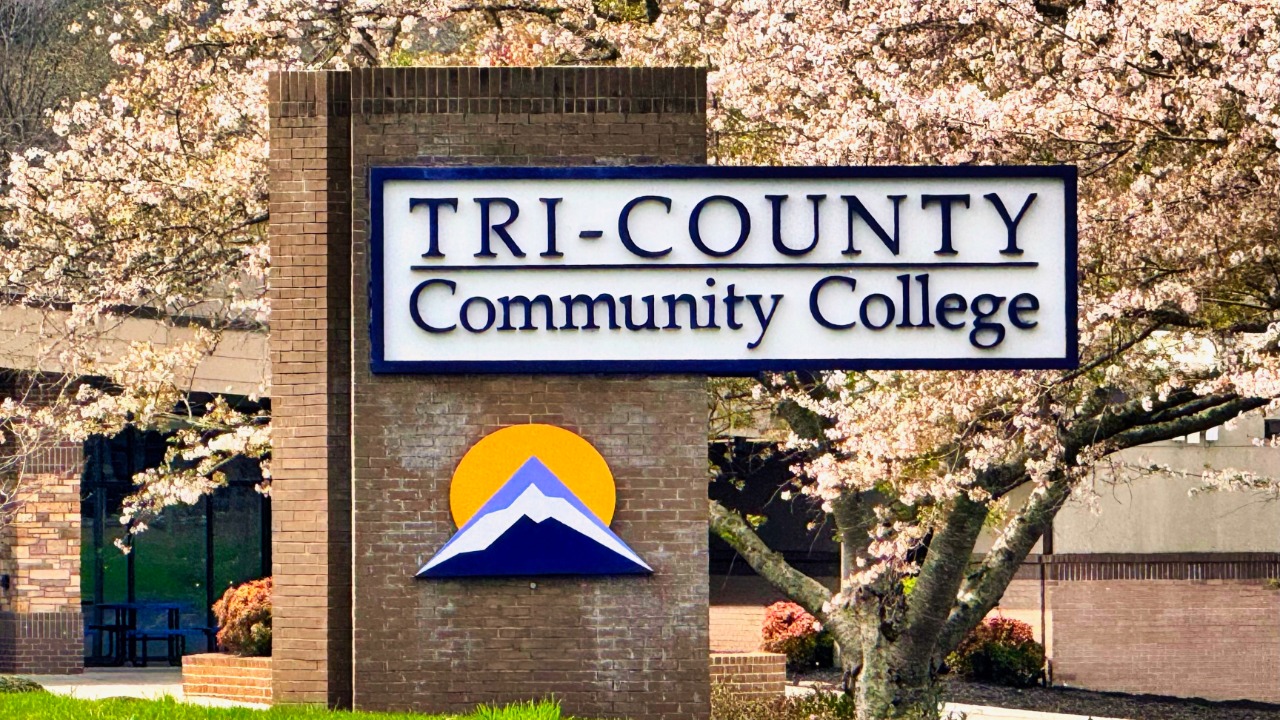
Addressing the student debt crisis requires innovative solutions from both public and private sectors. Proposed policies, such as income-driven repayment plans and increased funding for community colleges, aim to reduce the financial burden on students. Private sector initiatives, including scholarships and grants from tech companies, play a vital role in alleviating some of these pressures.
Ultimately, addressing student debt could pave the way for broader economic and social reforms. Reducing the burden on young adults could boost economic mobility, increase consumer spending, and lead to a more dynamic workforce. Influential figures like Bill Gates have the platform to advocate for systemic change, potentially using their wealth and influence to support equitable access to education and economic opportunity for all.

Grant Mercer covers market dynamics, business trends, and the economic forces driving growth across industries. His analysis connects macro movements with real-world implications for investors, entrepreneurs, and professionals. Through his work at The Daily Overview, Grant helps readers understand how markets function and where opportunities may emerge.