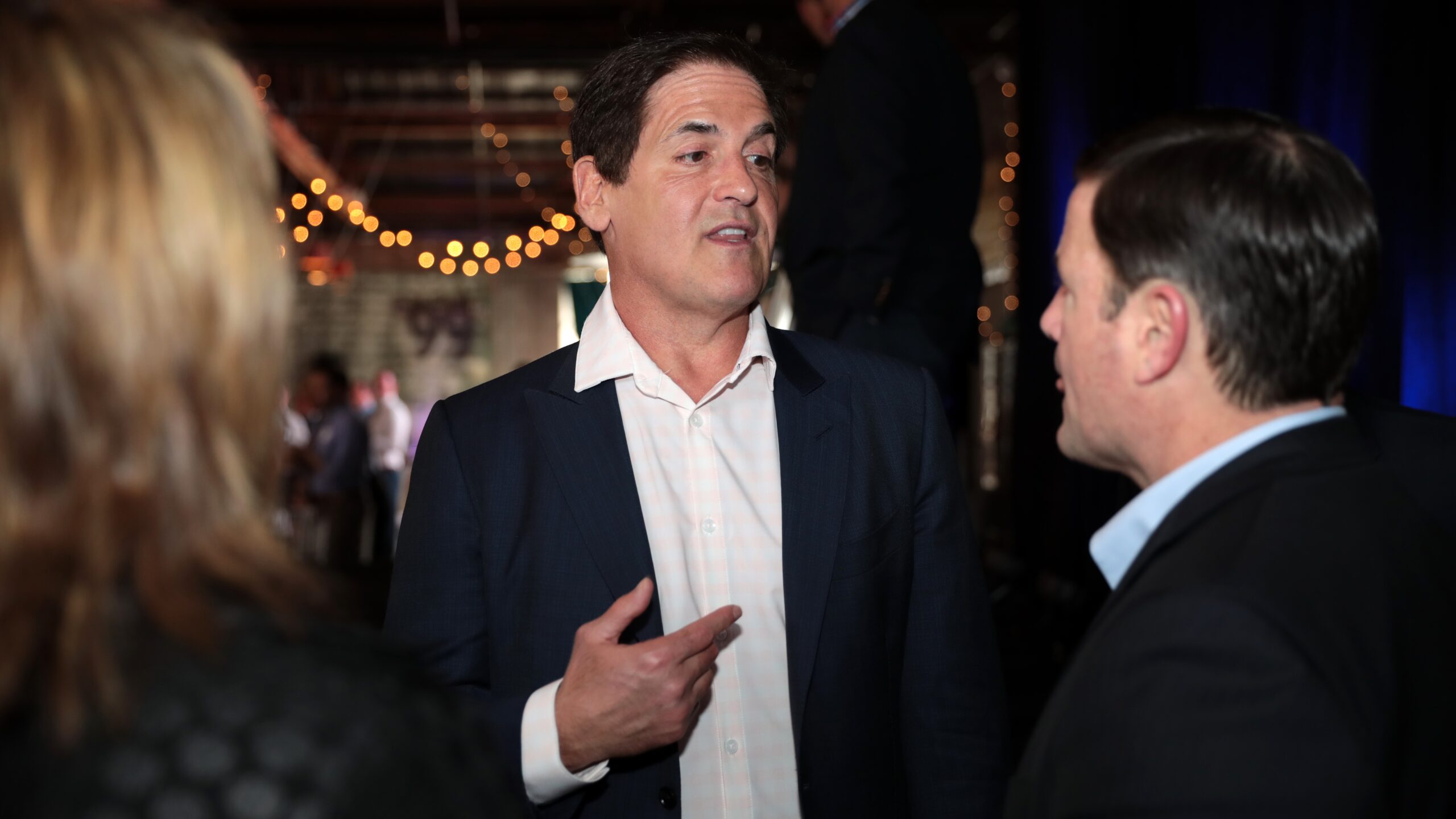
The ultra rich do not stay that way by accident. People like Mark Cuban build fortunes, then surround that money with layers of protection that shield it from market shocks, tax hits and lifestyle creep. I see three core “money shields” show up again and again in their playbooks: disciplined spending, strategic diversification and planning, and aggressive tax and estate design.
Each of these shields is available, in scaled‑down form, to ordinary investors. The details may look different when you are not worth an estimated $6 billion, but the underlying habits that keep Mark Cuban and other affluent families secure can be translated into practical steps for anyone who wants to stop living paycheck to paycheck and start building durable wealth.
Shield 1: Frugal habits that keep lifestyle from killing wealth
For all the focus on complex strategies, the first line of defense for Mark Cuban and other ultra wealthy investors is surprisingly simple: they refuse to let spending run wild. Reporting on Cuban’s approach notes that Living a frugal lifestyle and being more mindful with spending is described as a key factor in how the rich accumulate and keep money. Instead of treating a big payday as a green light for endless upgrades, they lock in a baseline lifestyle and direct the surplus into assets that can grow or generate income.
Cuban’s own philosophy is blunt. Guidance from his camp stresses “Don’t Overspend” and to Overspend less by cutting unnecessary costs before chasing the next hot opportunity. Even though his net worth is estimated in the billions, the message is that real security comes from living below the hype, not from flaunting every success. That restraint is a shield in itself, because it preserves cash for emergencies, investments and tax bills instead of locking it into depreciating toys.
Shield 2: Conservative risk management and diversification
Once lifestyle is under control, the next shield is how the money is actually invested. Mark Cuban has repeatedly stressed that protecting what you already have is at least as important as chasing the next big score. One of his core tips is to Protect Your Gains via conservative investing and risk management, even after you have “made it.” That means avoiding concentrated bets that could wipe out years of progress and instead favoring structures that smooth out volatility.
That philosophy lines up with how the broader ultra rich invest. Advisers who work with these families emphasize “Let’s Get Diversified,” with one strategist highlighting long volatility, commodity trend following and global macro as popular tools for smoothing returns across cycles. In that context, Let the portfolio spread across different strategies, and, as Get Diversified thinking goes, use tools like customized insurance to add another layer of protection. Along those lines, Along with those strategies, advisers like Smith point to the flexibility and customization in insurance products as another way the wealthy buffer against tail risks.
Shield 3: Strategic planning, liquidity and estate structures
The third shield is less visible from the outside but just as important: a deliberate plan for how money is held, accessed and eventually passed on. Coverage of Mark Cuban and his peers underscores that they Plan Strategically rather than wing it. Again, the reporting notes that Cuban, with an estimated net worth of $6 billion, probably does not have many day to day money worries, but he still treats planning as non negotiable. That includes decisions about how much to keep in cash, how much to lock into long term investments and how to structure ownership.
Professionals who advise wealthy families describe the same pattern. They talk about Creating a comprehensive plan that includes maintaining enough liquidity to handle risks, insuring key assets and building in flexibility for future changes. Cuban himself has warned investors not to lock every dollar into long term vehicles too early, with one summary noting that Cuban warns against locking money away in long term investments before you have enough cash available, because part of getting rich is having cash ready when opportunities or emergencies appear.
Estate planning is another pillar of this shield. Guidance aimed at high net worth families highlights Key components of a tax advantaged plan, noting that Wealth transfer planning typically focuses on maximizing what heirs receive while minimizing taxes. Cuban aligned advice stresses “Plan Strategically, Systems Before Opportunities,” with an emphasis on Plan Strategically and building Systems Before Opportunities, including Estate planning and Ensuring assets can be passed down in a tax efficient way.
Shield 4: Tax savvy moves like “borrow, don’t sell”
Another defining shield for the ultra rich is how they handle taxes. Instead of selling appreciated assets and triggering large tax bills, they often rely on a “borrow, do not sell” approach. Reporting on tax strategies notes that Borrowing Against Assets than selling investments avoids what is known as a taxable event. Wealthy households pledge stocks, real estate or private business stakes as collateral, take out relatively low interest loans and use that liquidity for spending or new investments while the underlying assets continue to grow.
That approach pairs with more conventional planning to reduce lifetime tax drag. Advisers emphasize that Jan guidance on wealth transfer planning focuses on using current federal estate and gift tax rules before scheduled changes, and that a proficient estate planning attorney is essential. For someone following Cuban’s playbook, the idea is to integrate borrowing strategies with trusts, gifting and other structures so that growth happens in tax favored buckets while current lifestyle is funded in ways that do not constantly trigger capital gains.
Shield 5: Asset allocation, diversification and staying liquid
The final shield is how all of these pieces are assembled into an actual portfolio. Coverage of Mark Cuban and other affluent investors stresses that they Plan their allocation across asset classes instead of guessing. One adviser notes that affluent households typically allocate a significant share to equities and a smaller portion to bonds, with one example suggesting that This approach of spreading investments across diverse asset classes minimizes the risks associated with economic fluctuations and regulatory changes. The point is not that one exact mix fits everyone, but that a deliberate allocation is itself a shield.
Cuban’s own comments on diversification add nuance. He has been quoted discussing Mark Cuban on Diversification and the classic Buy and Hold approach, noting that while Many advisers push broad diversification, he also sees value in keeping a meaningful chunk of money in cash for flexibility. That view is echoed in guidance that Creating a comprehensive plan includes maintaining liquidity to alleviate risks. Cuban’s own history after becoming a millionaire reinforces this: coverage of his early wealth notes that he chose not to become a stereotype and instead focused on preserving capital, with one account urging readers to Keep reading to see how he limited lifestyle inflation to at least one lavish expense while keeping the rest of his money working.
Across these shields, the pattern is consistent. The ultra rich live below their means, they treat risk management and diversification as non negotiable, they Again and again Cuban style, spread investments across diverse assets, and they use planning, tax strategy and liquidity as armor. For everyday investors, the exact tools may be simpler, but the mindset is the same: build systems first, then let opportunities come to you.
More From TheDailyOverview
*This article was researched with the help of AI, with human editors creating the final content.

Cole Whitaker focuses on the fundamentals of money management, helping readers make smarter decisions around income, spending, saving, and long-term financial stability. His writing emphasizes clarity, discipline, and practical systems that work in real life. At The Daily Overview, Cole breaks down personal finance topics into straightforward guidance readers can apply immediately.
