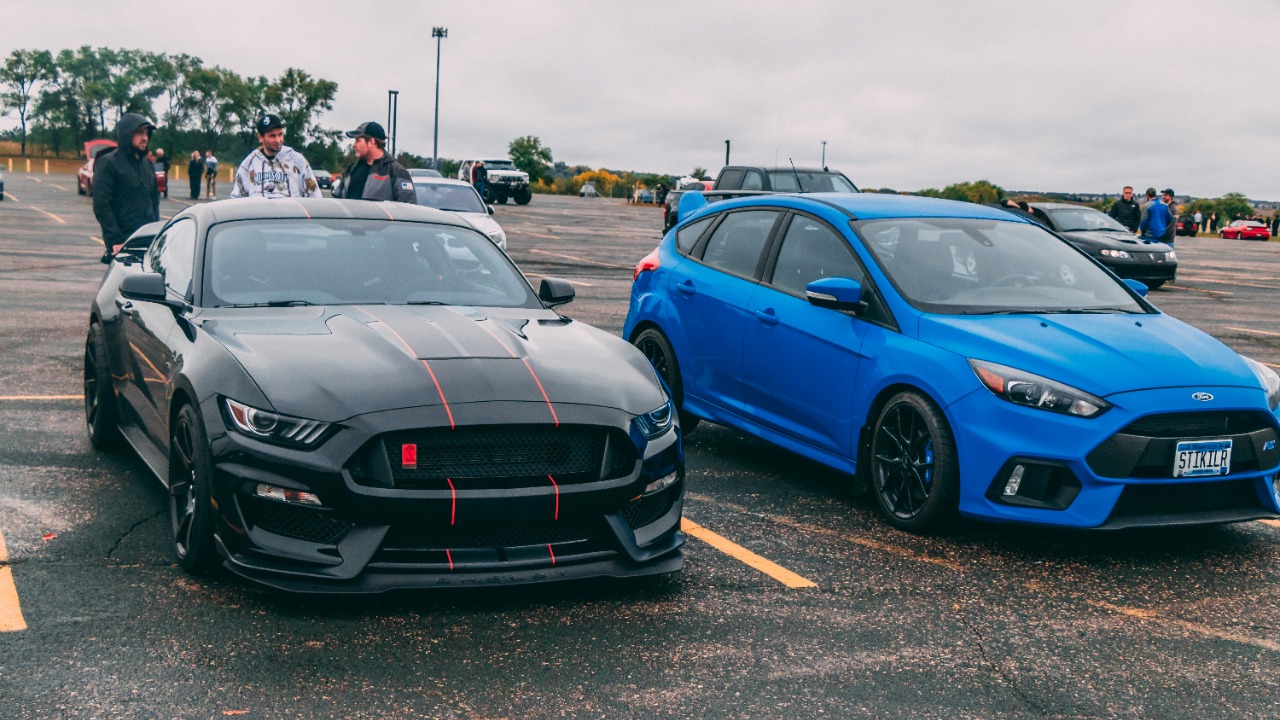
A mechanic has issued a stark warning about four specific cars that rarely reach 200,000 miles, urging buyers to steer clear of common pitfalls that lead to expensive repairs and early breakdowns, as detailed in a report dated November 16, 2025. That warning builds directly on the same expert’s earlier revelations from November 9, 2025, which exposed five DIY repair blunders that have racked up thousands in unintended costs for vehicle owners attempting home fixes.
Mechanic’s Warning on Short-Lived Vehicles
In the November 16, 2025 analysis, the mechanic singled out four models as especially unlikely to reach 200,000 miles under typical ownership patterns: the Ford Focus with the PowerShift automatic transmission, the Chevrolet Equinox with the 2.4‑liter Ecotec engine, the Nissan Altima equipped with early-generation continuously variable transmissions, and the BMW 3 Series from older turbocharged model years. According to the mechanic’s shop records, these vehicles show a pattern of major failures well before the 200,000‑mile mark, with Focus owners facing repeated transmission control module replacements, Equinox drivers battling chronic oil consumption, Altima owners dealing with CVT overheating, and 3 Series drivers confronting costly turbo and cooling system repairs, all of which erode any savings from a low purchase price as the miles add up.
The same report, published through a detailed breakdown of cars that rarely hit 200,000 miles, tied these model-specific weaknesses to broader 2025 market trends that are squeezing used car buyers. With prices for late‑model vehicles still elevated and interest rates keeping monthly payments high, the mechanic warned that shoppers are stretching for older Focus, Equinox, Altima, and 3 Series examples that look affordable on paper but carry hidden liabilities in the form of fragile drivetrains and complex electronics. As the mechanic put it in that report, ignoring these red flags can turn what seems like a bargain into “a rolling money pit,” because a single transmission or engine failure on these cars can exceed the vehicle’s resale value and leave owners upside down on loans or stranded without reliable transportation.
Key Indicators of Imminent Breakdowns
Across the four short‑lived models, the mechanic highlighted a consistent set of early warning signs that show up as owners push toward higher mileage. On the Ford Focus with the PowerShift unit, shuddering on takeoff, delayed engagement when shifting into drive, and sudden “transmission malfunction” messages are common precursors to internal clutch and control module failures. The Chevrolet Equinox 2.4‑liter examples often arrive at the shop with low oil levels between changes, ticking noises on cold start, and dashboard warnings that point to timing chain wear, all of which signal that the engine is operating under stress long before 200,000 miles.
For the Nissan Altima with early CVT designs, the mechanic described a pattern of whining noises at highway speeds, hesitation when accelerating from a stop, and intermittent limp‑mode episodes that indicate the transmission is overheating or shedding internal material. Older turbocharged BMW 3 Series models show their age through coolant leaks around plastic fittings, intermittent overheating in traffic, and turbo lag that worsens over time, which the mechanic linked to failing water pumps and worn turbochargers. In the November 16, 2025 analysis, the expert stressed that owners who ignore these symptoms often experience cascading failures, where a neglected leak or vibration leads to a full engine or transmission replacement tens of thousands of miles earlier than industry benchmarks, turning a manageable repair into a financial shock that can derail a household budget.
Avoiding Costly Purchase Errors
Looking at buyer behavior around these four models, the mechanic identified three primary mistakes that keep showing up in the shop’s most expensive case files. The first is treating a clean Carfax or a shiny exterior as proof of reliability, especially on Ford Focus and Nissan Altima examples that have had multiple owners; the mechanic noted that many of the worst PowerShift and CVT failures occur on cars with incomplete service records and long gaps between fluid changes. A second mistake is assuming that a low purchase price compensates for known design weaknesses, which leads shoppers to rationalize buying a high‑mileage Chevrolet Equinox or BMW 3 Series without budgeting for the likelihood of engine or cooling system work within the next 30,000 to 40,000 miles.
The third error, according to the November 16, 2025 report, is skipping a thorough pre‑purchase inspection by an independent shop that is familiar with these specific problem areas. The mechanic described multiple clients who bought used Focus or Altima sedans from small lots, only to discover within weeks that the transmissions were already slipping or overheating, resulting in repair estimates that exceeded the vehicles’ retail value. In response to those patterns, the expert has shifted 2025 guidance toward steering budget‑conscious buyers into certified pre‑owned alternatives from more durable nameplates, arguing that the slightly higher upfront cost is often offset by warranty coverage and a lower risk of catastrophic failure, especially for drivers who depend on a single vehicle for commuting or family duties.
Dangers of DIY Interventions
The same mechanic’s earlier reporting on November 9, 2025 detailed five DIY disasters that have compounded problems on these already vulnerable cars, turning manageable issues into multi‑thousand‑dollar repairs. In that account, shared through an in‑depth feature on five DIY disasters that cost clients thousands, the expert described owners attempting oil changes on turbocharged BMW 3 Series models and forgetting to replace or properly tighten the drain plug, which led to rapid oil loss and seized engines. Another recurring scenario involved Chevrolet Equinox drivers using the wrong oil viscosity or skipping filter changes, accelerating wear on an engine that already struggles with oil consumption and leaving the shop to deliver the bad news that a full rebuild or replacement was the only safe option.
Brake work and transmission servicing also featured prominently in the mechanic’s list of DIY pitfalls, particularly on Ford Focus and Nissan Altima models. The report recounted cases where owners replaced brake pads without properly resetting electronic parking brake systems, triggering warning lights and damaging calipers, as well as Altima drivers who tried to “flush” their CVTs with generic transmission fluid instead of the specific CVT fluid required, which quickly led to slipping, overheating, and eventual transmission failure. Across those five disasters, the mechanic emphasized that what began as attempts to save a few hundred dollars often ended with repair bills in the four‑figure range, a pattern that is especially punishing for owners of cars that already have a hard time reaching 200,000 miles without major component replacements.
More From TheDailyOverview
- Dave Ramsey warns to stop 401(k) contributions
- 11 night jobs you can do from home (not exciting but steady)
- Small U.S. cities ready to boom next
- 19 things boomers should never sell no matter what

Cole Whitaker focuses on the fundamentals of money management, helping readers make smarter decisions around income, spending, saving, and long-term financial stability. His writing emphasizes clarity, discipline, and practical systems that work in real life. At The Daily Overview, Cole breaks down personal finance topics into straightforward guidance readers can apply immediately.
