Valuable coins do not always look exotic or old, and some of the most lucrative finds can be hiding in everyday pocket change. I focus here on four overlooked United States coins that experts say can be worth hundreds or even thousands of dollars when the right variety turns up. Each one shows how a small minting quirk or limited production run can turn a familiar design into a serious windfall.
1) 1943 Copper Penny
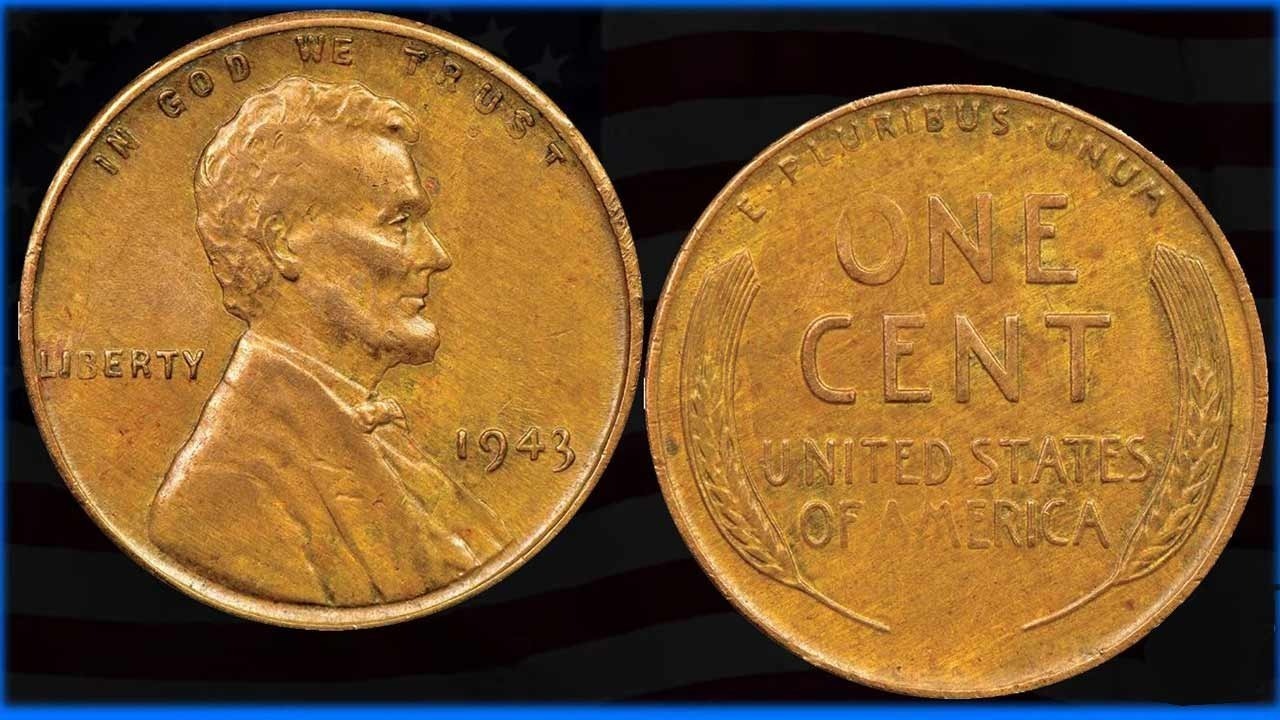
The 1943 Copper Penny is one of the most famous error coins in American numismatics, and it is a prime example of how a cent that looks ordinary at first glance can be worth thousands of dollars. In 1943, the United States Mint shifted Lincoln cents to zinc-coated steel to conserve copper for wartime production, so any 1943 cent struck in the earlier bronze alloy is a mistake. Specialists describe this rare wartime error coin as having been minted in bronze instead of steel, and they note that surviving examples can fetch thousands of dollars because of their scarcity and historical significance, a point highlighted in coverage of 7 common coins that people often overlook.
For everyday holders of change, the stakes are straightforward: a coin that usually buys almost nothing could instead cover a mortgage payment or more. I would start by checking the date and then testing the coin with a magnet, since genuine 1943 bronze cents are not magnetic, while the common steel cents will stick. Because counterfeits exist, any suspected 1943 Copper Penny should be authenticated by a major grading service before a sale. When such a coin is confirmed, collectors compete aggressively, and auction records show that high-grade pieces can reach well into five figures, illustrating how a tiny wartime anomaly still moves real money today.
2) 1969-S Doubled Die Obverse Lincoln Cent
The 1969-S Doubled Die Obverse Lincoln Cent is another coin that can transform a routine handful of cents into a four-figure asset. This variety is defined by dramatic doubling on the obverse, especially in the inscriptions “LIBERTY” and “IN GOD WE TRUST,” as well as on the date. Numismatic references describe this doubled die as one of the boldest in the Lincoln series, and they report that uncirculated examples often sell for over 1,000 dollars, with particularly sharp and well-preserved pieces commanding even more. Because the coin carries the familiar San Francisco “S” mintmark and a common design, it can easily slip past people who are not looking closely.
From a practical standpoint, I would examine any 1969-S cent under magnification, focusing on thick, clearly separated letters rather than the slight blur that simple machine doubling produces. The financial implications are significant for both casual finders and dedicated roll hunters, since a single coin can rival a month of wages for some households. For the broader market, the 1969-S Doubled Die Obverse shows how quality control lapses at the die-making stage can create enduring demand decades later. Each time a new example surfaces from circulation or old jars, it reinforces the idea that careful attention to small details can unlock substantial hidden value.
3) 1955 Doubled Die Lincoln Cent
The 1955 Doubled Die Lincoln Cent is arguably the most iconic doubled die in American coinage, and it remains a key target for anyone checking old change. Collectors know this coin for its bold doubling on the date and the lettering on the obverse, with “LIBERTY” and “IN GOD WE TRUST” showing clear, doubled impressions that are visible even without magnification. Reporting on valuable common coins notes that this minting error makes the 1955 cent a highly sought-after variety, with higher-grade examples worth thousands of dollars when they appear at auction or in dealer inventories. Unlike some subtle varieties, this one stands out immediately once you know what to look for.
For people sorting through inherited coin jars or vintage bank rolls, the 1955 Doubled Die offers a rare chance to turn a single cent into a major payday. I would prioritize examining 1950s Lincoln cents, especially those with strong original color, since better preservation typically translates into higher prices. The coin’s enduring popularity also shapes broader market trends, because it draws new collectors into the hobby and sets a benchmark for how dramatic a doubled die can be. When a 1955 Doubled Die Lincoln Cent changes hands for several thousand dollars, it underscores how a production error from more than half a century ago still carries real financial weight.
4) 1913 Liberty Head Nickel
The 1913 Liberty Head Nickel is in a different league of rarity, yet it still fits the theme of overlooked coins that can be worth extraordinary sums. Official Mint records do not list any Liberty Head nickels dated 1913, because the design was supposed to have been replaced by the Buffalo nickel that year. Nonetheless, a tiny group of 1913 Liberty Head nickels exists, and numismatic research indicates that they were secretly struck outside regular production. Experts describe this coin as one of the most famous rarities in United States history, with known examples routinely auctioning for six figures or more, and in some cases reaching into the millions when exceptional provenance and condition align.
Although the odds of encountering a genuine 1913 Liberty Head Nickel in casual circulation are effectively zero, the coin’s story matters for anyone who handles old collections or estate holdings. I would treat any Liberty Head nickel with an unfamiliar date or unusual surface as a candidate for professional review, because even misdated or altered pieces can signal that a collection once included serious material. For the wider market, the 1913 Liberty Head Nickel illustrates how off-the-books minting and extremely low survival numbers can create a near-mythic object that still trades for life-changing amounts. Its continued prominence in auctions and museum displays keeps attention on early twentieth century coinage and reminds collectors that a single small disc of metal can rival the price of a luxury home.
More From The Daily Overview

Cole Whitaker focuses on the fundamentals of money management, helping readers make smarter decisions around income, spending, saving, and long-term financial stability. His writing emphasizes clarity, discipline, and practical systems that work in real life. At The Daily Overview, Cole breaks down personal finance topics into straightforward guidance readers can apply immediately.