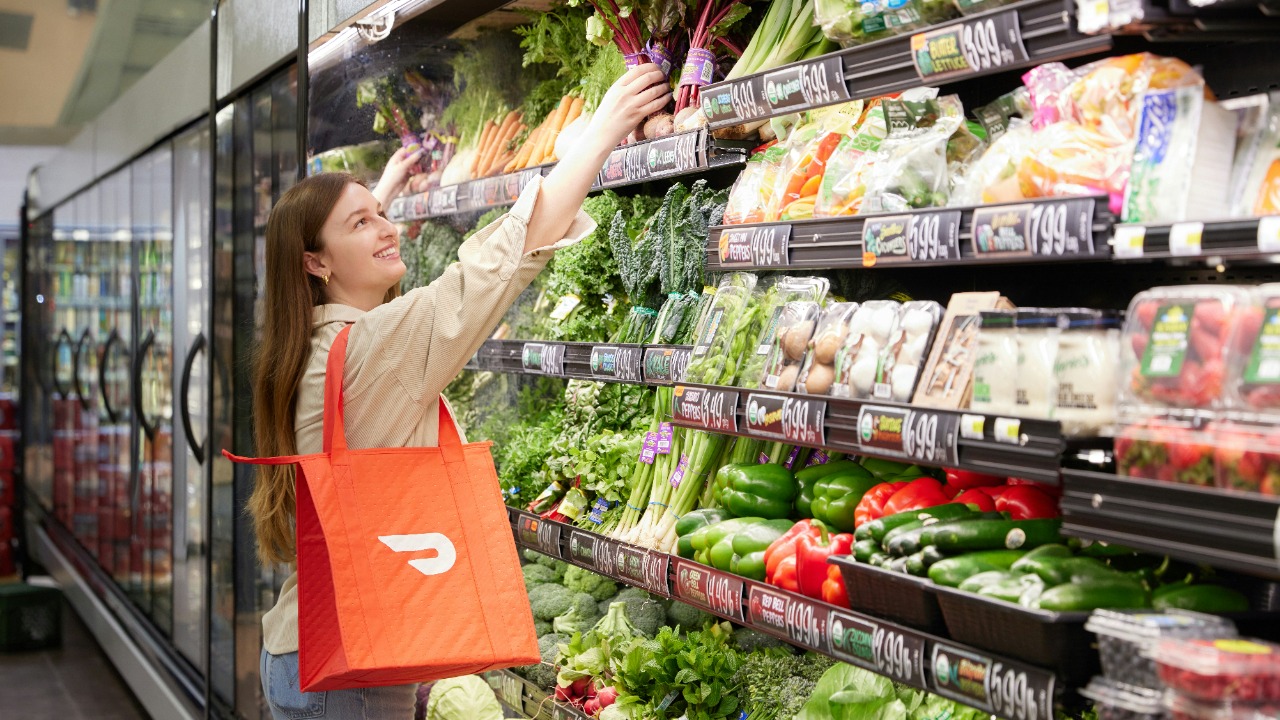
Grocery stores are masters at getting consumers to spend more than they intend. By employing a variety of tactics, they can increase spending by up to 40% more than planned. In the United States, choosing the cheapest grocery stores in 2025 can help mitigate these influences by focusing on value rather than impulse purchases. Additionally, adopting European-style grocery shopping habits can further aid in saving money and reducing waste through more intentional purchasing.
Strategic Store Layouts That Encourage Browsing
One of the most effective strategies grocery stores use is their layout design. Essential items like milk are often placed at the back of the store, forcing shoppers to pass by numerous high-margin temptations. This tactic is a staple in supermarket design, encouraging consumers to make unplanned purchases as they navigate the aisles. Additionally, end-cap displays, which are prominently positioned at the end of aisles, showcase promoted products that can see sales increase by as much as 300%. These displays are part of broader strategies that supermarkets use to boost sales.
To counteract these tactics, shoppers can create a detailed shopping list and stick to the perimeter aisles where fresh foods are typically located. This approach not only helps in avoiding unnecessary purchases but also aligns with European-style grocery shopping habits, which emphasize buying only what is needed and reducing waste. By focusing on fresh produce and essentials, consumers can resist the lure of strategically placed products.
Psychological Pricing and Promotions
Psychological pricing is another powerful tool used by grocery stores to entice shoppers. Techniques like “charm pricing,” where items are labeled at $9.99 instead of $10, make products appear cheaper and more appealing. This subtle pricing strategy can significantly influence purchasing decisions. Moreover, promotions such as buy-one-get-one-free deals often lead consumers to buy more than they need, contributing to impulse purchases.
To navigate these pricing tactics, consider shopping at the cheapest grocery stores in America 2025, which focus on actual discounts rather than psychological tricks. Setting a strict budget limit before entering the store can also help in maintaining control over spending. By being mindful of these strategies, shoppers can make more informed decisions and avoid falling into the trap of unnecessary spending.
Checkout Lane Temptations and Impulse Buys
The checkout lane is a hotspot for impulse buys, with candy and magazines strategically placed to target waiting customers. This setup can boost unplanned spending by 20-30%, as shoppers are tempted by small, low-cost items like gum that quickly add up. These tactics are designed to capitalize on the idle time spent in line, encouraging last-minute purchases.
To avoid these temptations, consider using self-checkout lanes, which often lack the same array of impulse items. Additionally, pre-committing to a “no extras” rule can help maintain focus on the essentials. This approach aligns with waste-reducing tips from European-style grocery shopping, emphasizing intentional purchasing and reducing unnecessary expenditures.
Targeted Marketing and Loyalty Programs
Grocery stores also leverage targeted marketing and loyalty programs to increase spending. Personalized coupons delivered via apps can push specific products, increasing basket size by 15%. While these offers may seem beneficial, they often encourage consumers to buy items they wouldn’t normally purchase. Similarly, loyalty programs reward frequent visits but can lead to overbuying as shoppers strive to earn points or discounts.
To manage these influences, it’s important to review receipts post-shop to understand spending patterns and identify unnecessary purchases. Choosing stores without heavy reliance on apps, such as those ranked among the cheapest grocery stores, can also help in avoiding targeted marketing traps. By applying general saving techniques, consumers can stay focused on their budget and resist the allure of loyalty rewards.
More From TheDailyOverview
- Dave Ramsey warns to stop 401(k) contributions
- 11 night jobs you can do from home (not exciting but steady)
- Small U.S. cities ready to boom next
- 19 things boomers should never sell no matter what

Cole Whitaker focuses on the fundamentals of money management, helping readers make smarter decisions around income, spending, saving, and long-term financial stability. His writing emphasizes clarity, discipline, and practical systems that work in real life. At The Daily Overview, Cole breaks down personal finance topics into straightforward guidance readers can apply immediately.

