The closure of four Gulf Coast chemical plants, tied to a $415 million financial hit, has abruptly erased 295 jobs and rattled manufacturing supply chains across the Southern United States. The decision by a Houston-based producer to pull back from key sites in two southern states is more than a local layoff story, it is a signal of how quickly industrial strategies can pivot when costs, demand, and global competition collide. I see this as a case study in how one company’s restructuring can ripple through workers’ lives, regional economies, and even far-flung expansion plans.
Behind the headline numbers are communities that built their identity around steady industrial work, and now face a future defined by uncertainty. The $415 million charge that accompanies these shutdowns is a stark reminder that balance sheet decisions are inseparable from human consequences, especially when hundreds of skilled roles vanish in a matter of months. As I trace the details of the closures, the layoffs, and the company’s simultaneous international moves, a broader picture emerges of an industry under pressure and a workforce caught in the middle.
The $415 million shock and a four-plant retreat
The core of the story is a sweeping retrenchment by a major Chemical producer that has decided to exit two southern states and shutter four plants tied to its Gulf Coast footprint. The company is absorbing a $415 million charge tied to the shutdown of multiple facilities that supplied key materials to Southern manufacturers. That figure, described as a $415 m impact in a single accounting period, reflects not just the cost of closing plants but also the write down of assets and contracts that no longer fit the company’s strategy. When a supplier of this scale pulls back, the financial shock is felt both on its own books and across the regional industrial base that depended on its output.
In parallel, reporting on a Chemical giant exiting two southern states underscores how concentrated this retreat is, with four-plant shutdowns wiping out hundreds of jobs in one coordinated move. The Gulf Coast, long marketed as a low cost, infrastructure rich hub for petrochemicals and plastics, is suddenly seeing a marquee employer reverse course. I read the $415 figure as both a symptom and a catalyst, a number large enough to force a reset in how investors, local officials, and workers think about the stability of heavy industry in the region.
Westlake Corp and the 295 employees behind the numbers
At the center of the layoffs is Westlake Corp, a Houston based producer that has confirmed it will cut 295 employees as it shuts four Gulf Coast plants. Those 295 employees are not an abstraction, they represent operators, maintenance crews, engineers, and support staff whose skills have been honed around specific production lines, including suspension PVC resin capacity measured in hundreds of millions of pounds. When I look at that figure, I see a workforce that was sized for a growth era now being told that the business case for their plants no longer holds.
Coverage of the decision describes how Westlake Corporation, headquartered in Houston, is slashing its workforce as Gulf Coast operations shut down, consolidating production into fewer, more efficient sites. The company has publicly thanked employees for their contribution over the years, but the structural reality is that 295 jobs are disappearing in a region that has long relied on chemical manufacturing as a stable career path. I find that tension between corporate appreciation and irreversible job loss to be one of the defining features of this story.
Gulf Coast communities absorb another industrial blow
The Gulf Coast has spent decades marketing itself as a magnet for refineries, plastics plants, and export terminals, so the closure of four plants in this corridor lands as a direct hit to that narrative. Local economies that grew around steady shifts, union contracts, and supplier networks now face the prospect of empty facilities and shrinking tax bases. The fact that the affected sites are concentrated along the Gulf Coast means the pain is not evenly spread, it is clustered in specific towns where a single employer can anchor everything from school funding to small business traffic.
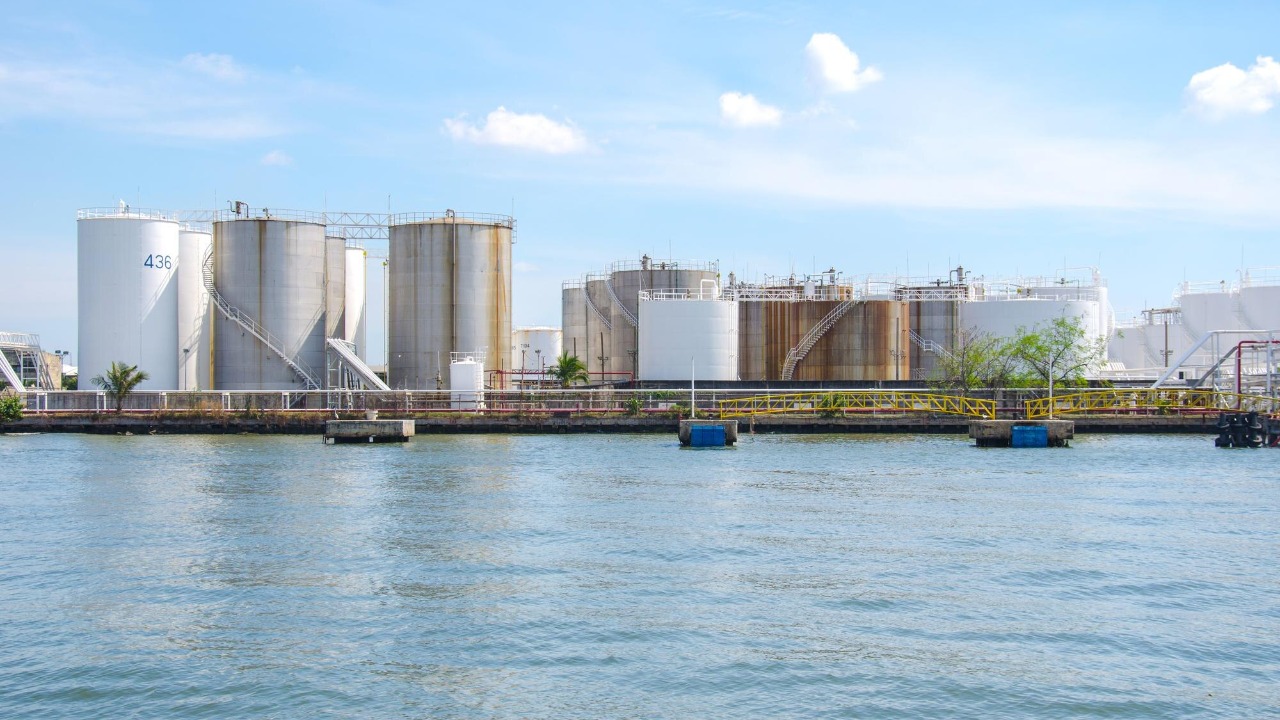
In some of these communities, the plants are not just workplaces but landmarks, sprawling complexes visible from highways and waterways that signal industrial might. When a Houston based industrial giant decides to exit two southern states and close four plants, as described in the four-plant shutdown coverage, the visual and psychological impact is immediate. I see this as part of a broader pattern in which industrial corridors that once seemed unshakeable are now exposed to the same volatility that has long buffeted retail and tech.
Southern manufacturers lose a critical supplier
For manufacturers across the Southern region, the closures are not just a labor story, they are a supply chain shock. The plants being idled supplied key inputs to factories that turn PVC and related chemicals into everything from construction materials to consumer goods, and the withdrawal of that capacity has already been framed as a Southern manufacturing hit. A $415 million charge on the supplier’s books translates into higher costs and sourcing headaches for downstream producers that now have to scramble for alternative vendors, often at less favorable terms.
In my view, this is where the story extends beyond the Gulf Coast and into boardrooms across the South. When a major Chemical supplier shutters three or four plants in quick succession, the ripple effects can include delayed projects, renegotiated contracts, and even lost export orders if buyers fear unreliable deliveries. The $415 million figure is a shorthand for a deeper disruption, one that will test how resilient Southern manufacturing really is when a cornerstone supplier steps back from the region.
Why a Houston chemical giant is shrinking at home and expanding abroad
What makes the timing of these closures even more striking is that Westlake is not retreating from chemicals altogether, it is rebalancing where and how it operates. While it is closing four Gulf Coast plants and cutting 295 employees, the company is also moving to acquire the compounding solutions business of ACI, including a plant in Romania. The planned transaction, which helps expand Westlake’s offerings, is expected to close in early 2026, subject to regulatory approvals and other conditions.
I read this dual track strategy as a clear signal that the company sees more growth and margin potential in specialized compounding and international markets than in some of its legacy Gulf Coast assets. By investing in a Romanian plant while exiting two southern states, Westlake is effectively swapping one set of regional bets for another. That does not soften the blow for workers in the United States, but it does explain why a Houston based giant might accept a $415 million charge today in exchange for a portfolio it believes will be more competitive tomorrow.
Workers, retraining, and the limits of corporate assurances
Whenever a large employer announces plant closures, the official statements tend to emphasize support for affected workers, and Westlake is no exception. The company has acknowledged the contributions of its Gulf Coast employees and indicated that it will offer severance and transition assistance as it winds down operations. Yet the reality for the 295 employees losing their jobs is that retraining into equivalent pay and benefits is far from guaranteed, especially in smaller Gulf Coast communities where industrial employers are limited.
In practice, some displaced workers may look to other Houston area plants or to industrial clusters near major ports, but that often requires long commutes or relocation that can be difficult for families. Others may be forced to pivot into entirely different sectors, from logistics to construction, where their skills are valued but compensation may not match what they earned in chemical manufacturing. I see this as a test of how well local workforce programs, community colleges, and state agencies can coordinate with a Houston chemical giant that is reshaping its footprint along the Gulf Coast.
Local governments, tax bases, and the scramble for replacement investment
For local officials, the closure of four plants is not just a jobs crisis, it is a fiscal one. Industrial facilities of this scale contribute heavily to property tax rolls, fund infrastructure, and often underwrite local amenities through community partnerships. When a Chemical giant exits two southern states and shutters multiple plants, as described in the exit from two states, city and county leaders are left to plug budget gaps while also trying to market empty sites to new investors.
Some communities will lean on their geographic advantages, such as port access or pipeline connections, to pitch the shuttered plants as turnkey opportunities for other industrial players. Others may explore redevelopment into logistics hubs or mixed use projects, though that can be complicated by environmental remediation needs. I suspect that economic development teams along the Gulf Coast are already courting potential buyers, pointing to the region’s history as a manufacturing powerhouse and to nearby industrial clusters like the one around Houston as proof that the underlying infrastructure still has value.
Plant closures as part of a broader corporate retrenchment wave
The Westlake story is unfolding against a wider backdrop of corporate consolidation and closures across multiple sectors. Retailers and restaurant chains are also trimming their footprints, with Macy planning to close 150 stores through 2026 and Kroger preparing additional location cuts after already shutting dozens of outlets. While the economics of a department store differ from those of a PVC plant, the pattern is similar, companies are pruning underperforming sites, investing in more profitable formats, and leaning on technology to do more with fewer physical assets.
From my perspective, the closure of four Gulf Coast chemical plants and the disappearance of 295 jobs fit squarely into this broader retrenchment wave. Whether it is a supermarket chain rationalizing its network or a Houston chemical giant consolidating production, the throughline is a relentless focus on efficiency and shareholder returns. For workers and communities, that means the old assumption that a plant or store would anchor local employment for decades is no longer safe, and planning for the future now requires a more sober view of corporate flexibility.
What this means for the future of Southern industry
Looking ahead, the $415 million charge and the four-plant shutdowns raise hard questions about the trajectory of Southern industry. The region has long sold itself on low costs, business friendly regulations, and access to energy and export routes, yet those advantages were not enough to keep a Houston based Chemical giant from exiting two states and cutting 295 employees. I see this as a warning that incentives and infrastructure alone cannot guarantee long term corporate loyalty when global markets and technology are shifting so quickly.
At the same time, the fact that Westlake is investing in a Romanian compounding business while retrenching along the Gulf Coast suggests that the future may favor more specialized, higher value operations over commodity scale plants. For Southern policymakers, the challenge will be to attract and nurture the next generation of advanced manufacturing, from engineered materials to clean tech components, so that the region is not left chasing replacements for yesterday’s facilities. The closures that triggered a $415 million hit and wiped out hundreds of jobs may, in hindsight, mark a turning point in how the South thinks about industrial strategy, workforce resilience, and the balance between global ambition and local responsibility.
More From TheDailyOverview

Grant Mercer covers market dynamics, business trends, and the economic forces driving growth across industries. His analysis connects macro movements with real-world implications for investors, entrepreneurs, and professionals. Through his work at The Daily Overview, Grant helps readers understand how markets function and where opportunities may emerge.