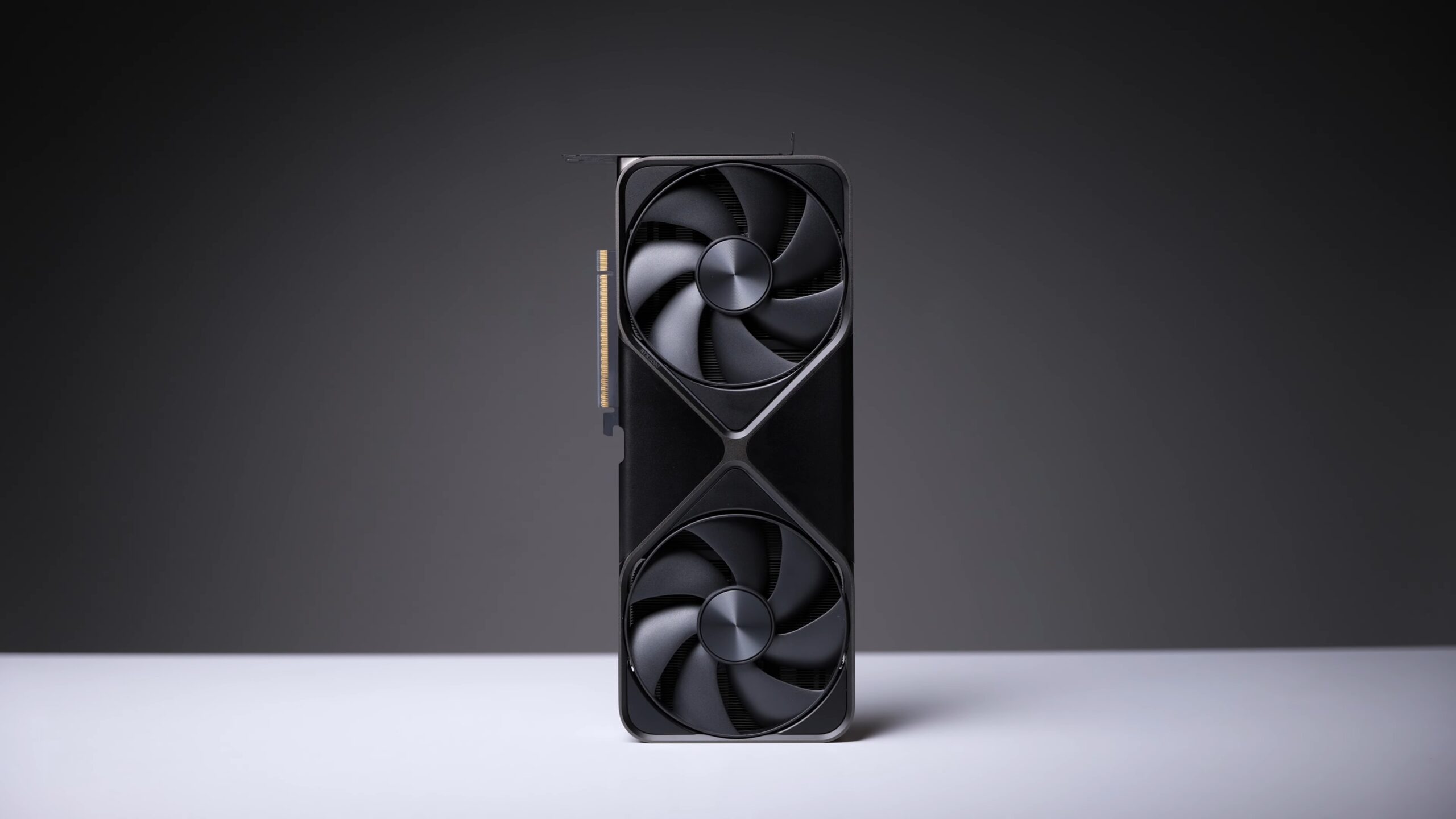
Forty two Amazon customers thought they had scored the deal of the decade: a $999 listing for an RTX 5090 graphics card from a highly rated marketplace seller. Instead of the most powerful consumer GPU on the market, they opened their packages to find cheap fanny packs, the latest and most brazen twist in a wave of high end hardware scams.
The incident exposes how easily sophisticated fraudsters can weaponize platform trust signals, from five star ratings to “fulfilled” badges, to siphon money from gamers and creators desperate for cutting edge performance. It also shows how the extreme pricing pressure around the NVIDIA GeForce RTX 5090 has created perfect conditions for bait and switch schemes that look plausible at a glance but fall apart under scrutiny.
The $999 fanny pack bait and switch
According to multiple complaints, at least 42 buyers paid $999 for what was advertised as an RTX 5090 GPU sold through Amazon, only to receive low value fanny packs instead of a graphics card. The seller reportedly presented as a top rated merchant with a long trail of positive feedback, which helped convince shoppers that a four figure purchase from a third party storefront was safe. Only after the boxes arrived did the pattern emerge, with customers comparing notes and realizing they had all been shipped nearly identical bags instead of the premium hardware they ordered, a textbook bait and switch that turned a flagship GPU listing into a glorified accessory drop linked to $999 and 42 victims.
A closer look at the storefront behind the scam shows how carefully the operation appears to have been staged. Shoppers who dug into the catalog found only a handful of items on offer, including three generic fanny packs, an elastic stretching band, and the suspiciously underpriced RTX 5090 listing that sat alongside them. That odd mix of low cost accessories and a single ultra premium GPU should have been a red flag, yet the seller’s strong rating and the platform’s familiar interface lulled buyers into a sense of security, even as the product mix echoed other questionable product bundles that mix unrelated goods to pad out a storefront.
Why the RTX 5090 is a scam magnet
The NVIDIA GeForce RTX 5090 sits at the top of the consumer GPU stack, marketed as the most powerful GeForce GPU ever made and aimed squarely at enthusiasts who want maximum frame rates, ray tracing, and AI acceleration. That halo status, combined with limited supply and intense demand from gamers and creators, makes the card an ideal target for fraudsters who know that buyers are primed to jump when they see any listing that looks remotely like a discount on the official RTX 5090. When a GPU is widely perceived as the pinnacle of performance, the psychological pull of “finally finding one in stock” can override the usual caution shoppers might apply to a random marketplace seller.
Pricing rumors have only intensified that pressure. Reports suggest that NVIDIA is facing such strong AI driven demand for its highest tier GPUs that it is considering pushing RTX 5090 prices toward $5000 in 2026, a figure that would put the card firmly in workstation territory and far beyond the reach of most home builders. One analysis notes that the ongoing impact of artificial intelligence on the GPU market is already distorting availability and costs, with Dec chatter about NVIDIA Pushing RTX 5090 Prices to levels that would make any sub four figure listing look like a once in a lifetime bargain. In that context, a $999 offer can feel not just tempting but almost rational, which is exactly what scammers are counting on.
A pattern of RTX 5090 cons, from macaroni to empty shells
The fanny pack incident is not an isolated fluke but part of a broader pattern of RTX 5090 related fraud that has emerged across retailers and regions. Earlier reports described an Aorus RTX 5090 package ordered from Amazon that arrived filled with macaroni, rice, and an old obsolete GPU, a surreal “impasta” prank that still left the buyer out the cost of a high end card. Beside the bags of dried food, the box contained a mismatched older board, suggesting someone had swapped the original hardware and resealed the packaging before it reached the customer, a scenario that prompted scrutiny of how Aorus RTX shipments are handled inside Amazon’s logistics chain.
Brick and mortar stores have not been immune either. One case involved a Micro Center Shopper Surprised to Find Backpacks, Not GPU, in RTX 5090 Box, with the retailer later suspecting that more than 30 Zotac units had been compromised somewhere along the supply chain. In that situation, the store worked to reconcile serial numbers and packaging to match each buyer with an actual GPU, but the episode underscored how even sealed boxes on a physical shelf can hide swapped contents. At the same time, repair shops have reported receiving scam GeForce RTX 5090 cards that are essentially empty shells, with missing GPU and memory chips, yet cosmetically restored to look new, a trend highlighted by Repair technicians and channels like Jun coverage of gutted boards. Together, these cases show a spectrum of fraud, from silly food filled boxes to highly professional counterfeit hardware that can fool even experienced eyes.
How scammers weaponize Amazon’s trust signals
What makes the $999 fanny pack scheme particularly alarming is how effectively it exploited Amazon’s own trust architecture. The seller behind the listing appeared as a top rated merchant, with a history of positive reviews that likely came from legitimate low value transactions before the pivot to high ticket GPU fraud. By the time buyers realized that the RTX 5090 orders were being fulfilled with fanny packs, the storefront had already leveraged that reputation to move dozens of units, illustrating how a seemingly reputable buyer profile can be flipped into a vehicle for large scale News of scams and financial loss.
Video creators and hardware enthusiasts have been warning about this pattern for months. One Nov breakdown described finding an RTX 5090 for $999 on Amazon and laid out in detail why such a listing should never be trusted, pointing to red flags like sparse seller histories, mismatched product photos, and return policies that quietly disallow refunds on high value electronics. Another Sep clip titled “Beware of RTX 5090 Scam On Amazon” walked through how a buyer ended up with a bogus 5090 by MSI, with the host of Roman’s Lab dissecting the packaging and serial numbers to show where the fraud likely occurred, a cautionary tale that has circulated widely among $999 deal hunters and those who shop on Amazon for MSI cards featured on the Lab channel.
How to protect yourself when chasing high end GPUs
For anyone trying to buy an RTX 5090 in this environment, the first line of defense is skepticism toward prices that seem disconnected from the broader market. When leaks and retailer chatter suggest that legitimate cards may approach $5000, a four digit discount should trigger a deeper investigation into the seller’s history, the product description, and the return policy. Shoppers should be wary of storefronts that primarily sell unrelated low cost items like fanny packs or elastic bands but suddenly list a flagship GPU, a pattern that has shown up in multiple product scams and is echoed in the catalog behind the 42 victim case.
More From TheDailyOverview

Grant Mercer covers market dynamics, business trends, and the economic forces driving growth across industries. His analysis connects macro movements with real-world implications for investors, entrepreneurs, and professionals. Through his work at The Daily Overview, Grant helps readers understand how markets function and where opportunities may emerge.