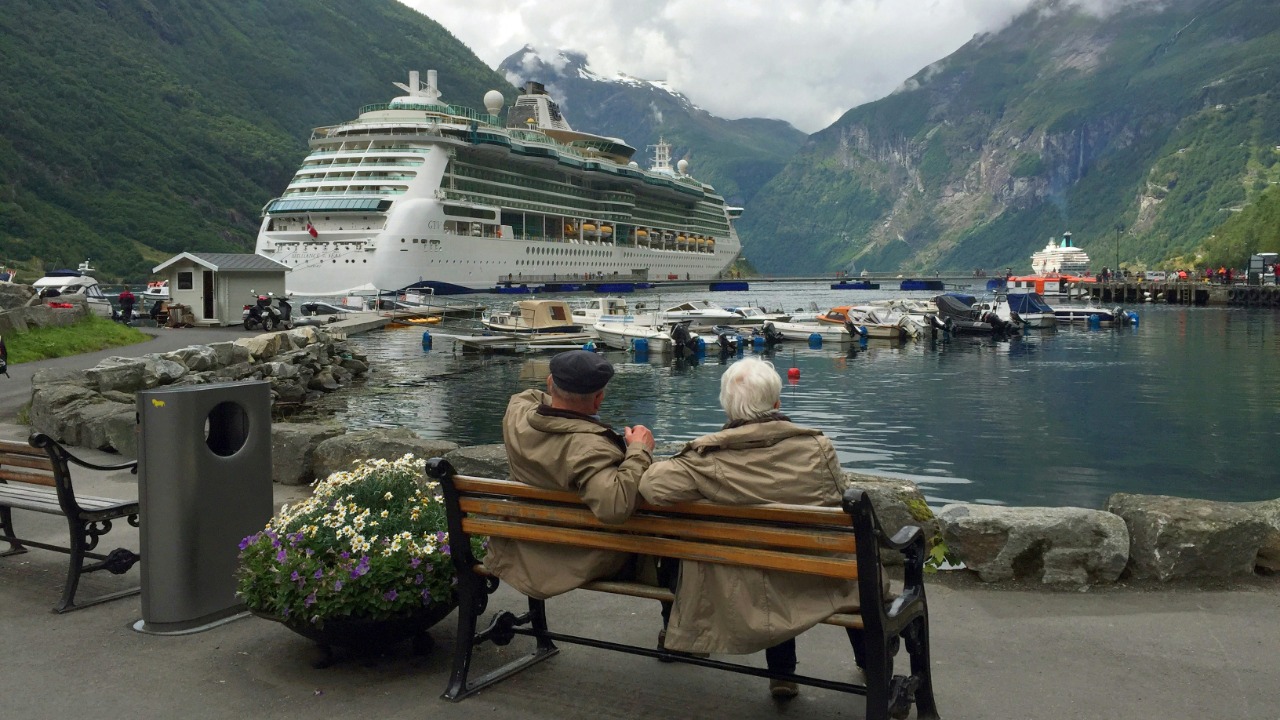
Holiday trips matter more in retirement, when time is finally flexible but budgets often are not. I focus here on five specific journeys that give middle class retirees rich experiences without demanding luxury-level spending, keeping the promise of practical, bookmark-worthy ideas. Each trip reflects how careful planning can stretch savings while still feeling like a true holiday rather than a compromise.
1) Affordable European river cruise
An Affordable European river cruise lets retirees sample several historic cities while unpacking only once, a major comfort advantage as we age. Reporting on bucket list vacations for retirees highlights how Affordable, Discover the style itineraries can keep costs in reach for middle class travelers who want Europe without five-star hotel prices. Choosing shoulder seasons on rivers like the Danube or Rhine typically lowers fares and crowds, yet still delivers castles, vineyards, and walkable old towns.
For retirees on fixed incomes, the stakes are clear: a cruise that bundles lodging, most meals, and transportation simplifies budgeting and reduces surprise expenses. I find that smaller ships also mean shorter walks from dock to city center, which matters for anyone managing mobility or energy. When planned with realistic daily activity levels and clear fare inclusions, this kind of cruise becomes a repeatable holiday rather than a once-in-a-lifetime splurge.
2) Off-season Mediterranean coastal stay
An off-season Mediterranean coastal stay, in places like Portugal’s Algarve or Spain’s Costa del Sol, can turn a typical one-week vacation budget into several relaxed weeks. Apartment rentals in November or March often cost less than peak-season hotel rooms, while mild weather still supports seaside walks and café culture. I see many retirees using this pattern to escape harsher winters at home without paying high-season resort premiums or long-haul cruise fares.
The broader trend here is that middle class retirees are trading short, intense trips for slower, more affordable stays that stretch their savings. Off-season travel also reduces crowd-related stress, from airport lines to packed promenades, which can be especially important for older travelers. By focusing on walkable towns with good public transit and nearby medical services, retirees can enjoy Mediterranean scenery and cuisine while keeping both risk and daily costs under control.
3) National park road trip in a fuel-efficient car
A national park road trip in a fuel-efficient car, such as a 2020 Toyota Prius or a 2019 Honda Insight, gives retirees flexible adventure without expensive flights. Driving to parks like Zion, Bryce Canyon, or Acadia allows travelers to set their own pace, schedule rest days, and stay in budget-friendly lodges or campgrounds just outside park gates. I find that pairing a hybrid vehicle with advance booking of senior-rate accommodations can keep the overall cost surprisingly manageable.
For middle class retirees, the stakes involve balancing bucket list scenery with predictable expenses and physical comfort. National parks offer senior passes that reduce entrance fees, and many trails have clearly graded difficulty levels, so travelers can match activities to their abilities. By planning shorter driving segments and building in scenic overlooks instead of strenuous hikes, retirees can enjoy iconic landscapes while preserving both health and retirement savings.
4) Multi-city rail journey across a single region
A multi-city rail journey across a single region, such as northern Italy or Germany’s cultural corridor, turns train stations into gateways rather than stress points. Using regional rail passes, retirees can hop between cities like Milan, Verona, and Bologna without rental car hassles or urban parking fees. I see this approach as ideal for travelers who enjoy museums, markets, and historic neighborhoods but prefer to avoid long highway drives.
The financial implications are significant, because rail passes and advance-purchase tickets often undercut the combined cost of fuel, tolls, and city-center parking. Trains also reduce fatigue, letting retirees arrive rested enough to walk, dine, and explore. When paired with modest, centrally located hotels or guesthouses, a rail-based holiday keeps transportation predictable and allows middle class retirees to experience multiple cultures in one carefully budgeted trip.
5) Small-group cultural tour in a nearby country
A small-group cultural tour in a nearby country, such as Canada for U.S. retirees or Ireland for U.K. travelers, offers structure without the price tag of luxury expeditions. These tours typically bundle lodging, local guides, and key admissions, which simplifies planning for those who prefer not to manage every detail. I find that itineraries focused on food, history, or music give retirees a clear theme while still leaving free time for rest.
For middle class retirees, the main benefit is risk reduction: traveling with a group can ease concerns about language barriers, logistics, and emergency support. Smaller groups, often capped around a dozen participants, also make it easier to move at a comfortable pace and ask questions. By choosing tours that publish transparent day-by-day schedules and all-in pricing, retirees can evaluate whether the experience fits both their interests and their long-term financial plans.
More From TheDailyOverview
- Dave Ramsey warns to stop 401(k) contributions
- 11 night jobs you can do from home (not exciting but steady)
- Small U.S. cities ready to boom next
- 19 things boomers should never sell no matter what

Nathaniel Cross focuses on retirement planning, employer benefits, and long-term income security. His writing covers pensions, social programs, investment vehicles, and strategies designed to protect financial independence later in life. At The Daily Overview, Nathaniel provides practical insight to help readers plan with confidence and foresight.