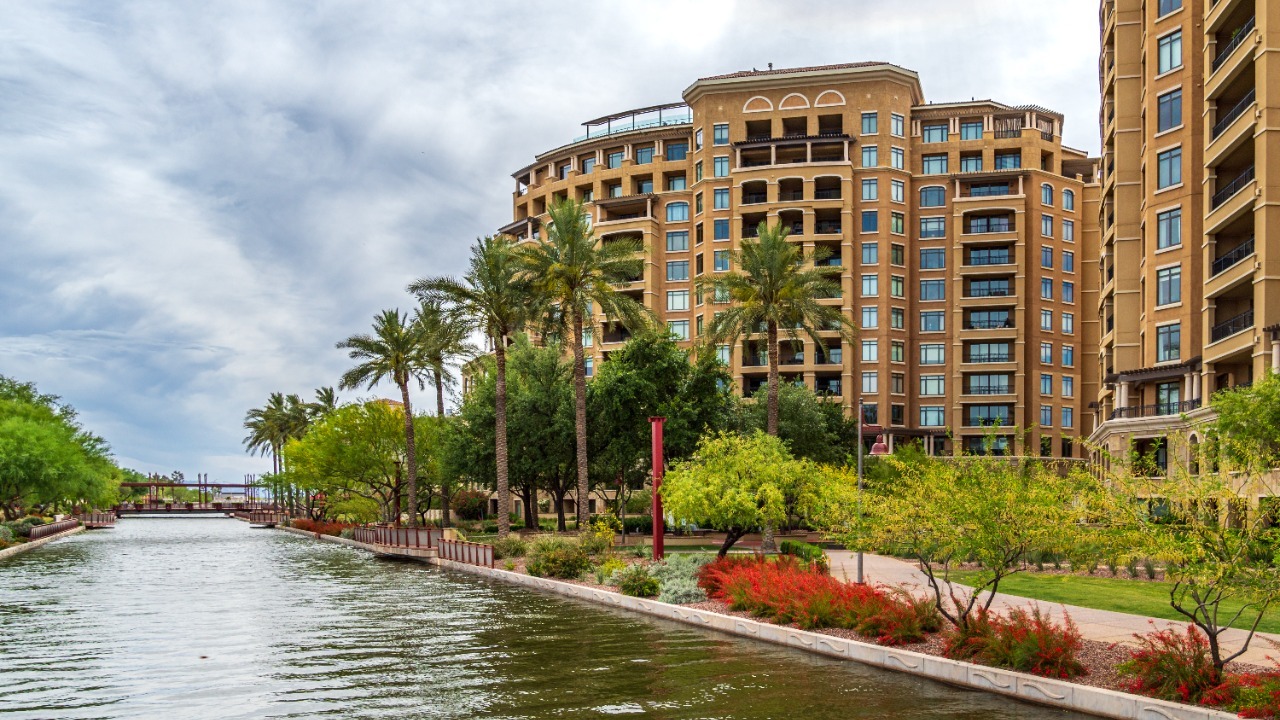
In 2025, the U.S. housing market is experiencing a notable shift, with several major cities transitioning into buyer’s markets. This change is characterized by rising delistings and a surplus of unsold homes, signaling a slowdown in sales activity. As mortgage rates fluctuate, affordability challenges further complicate the landscape for potential buyers. This article examines five major U.S. cities where houses aren’t selling as expected, highlighting the factors contributing to these market conditions.
1) Austin, Texas
Austin, Texas, once a booming real estate market, has now become a buyer’s haven. The city is experiencing a significant shift, with rising delistings indicating slower sales. According to recent reports, Austin is one of the seven major U.S. cities officially recognized as a buyer’s market. This transition is marked by an increase in inventory and a decrease in buyer urgency.
The change in Austin’s market dynamics can be attributed to several factors. The city’s rapid growth over the past decade led to a surge in housing development, resulting in an oversupply of homes. As the market cools, sellers are finding it increasingly challenging to attract buyers, leading to a rise in delistings. Realtor.com highlights that Austin now stands out as one of the few large U.S. metros where the post-pandemic housing market is tilting in favor of buyers.
Despite the current market conditions, Austin remains an attractive destination for potential homeowners. The city’s vibrant culture, strong job market, and quality of life continue to draw interest from buyers. However, the shift to a buyer’s market means that sellers must adjust their expectations and pricing strategies to remain competitive. As the market evolves, stakeholders in Austin’s real estate sector must navigate these changes to capitalize on emerging opportunities.
2) Boise, Idaho
Boise, Idaho, is another city experiencing a surplus of unsold homes amid cooling demand. This situation has positioned Boise as one of the seven major U.S. cities now officially recognized as a buyer’s market. The city’s real estate landscape is characterized by an excess supply of homes, leading to increased buyer leverage and prolonged time on the market for listings.
The shift in Boise’s housing market can be linked to several contributing factors. The city’s rapid population growth in recent years led to a housing boom, with developers rushing to meet the demand. However, as the market cools, the supply of homes has outpaced buyer interest, resulting in a buildup of inventory. This trend is further exacerbated by rising mortgage rates, which have dampened buyer enthusiasm and affordability.
For potential buyers, Boise presents an opportunity to negotiate favorable terms and secure properties at competitive prices. However, sellers must adapt to the changing market dynamics by adjusting their pricing strategies and enhancing the appeal of their listings. As Boise navigates this transition, stakeholders in the real estate sector must remain agile and responsive to the evolving market conditions.
3) Denver, Colorado
Denver, Colorado, is experiencing an inventory buildup that has led to prolonged time on the market for listings. This development has positioned Denver as one of the seven major U.S. cities now officially recognized as a buyer’s market. The city’s real estate landscape is characterized by a surplus of homes, resulting in increased buyer leverage and slower sales activity.
The shift in Denver’s housing market can be attributed to several factors. The city’s rapid growth and development over the past decade have led to an oversupply of homes, with builders continuing to add new inventory. As the market cools, sellers are finding it increasingly challenging to attract buyers, leading to a rise in delistings. According to AOL, Denver is among the cities with the largest share of price reductions, signaling a shift in market dynamics.
Despite the current market conditions, Denver remains an attractive destination for potential homeowners. The city’s strong job market, outdoor recreational opportunities, and vibrant culture continue to draw interest from buyers. However, the shift to a buyer’s market means that sellers must adjust their expectations and pricing strategies to remain competitive. As the market evolves, stakeholders in Denver’s real estate sector must navigate these changes to capitalize on emerging opportunities.
4) Phoenix, Arizona
Phoenix, Arizona, is experiencing stagnant sales activity due to high prices and fluctuating mortgage rates. This situation has positioned Phoenix as one of the seven major U.S. cities now officially recognized as a buyer’s market. The city’s real estate landscape is characterized by a challenging affordability environment, with high prices deterring potential buyers.
The shift in Phoenix’s housing market can be linked to several contributing factors. The city’s rapid growth and development have led to a surge in housing prices, making it one of the least affordable markets for potential buyers. According to The Washington Post, Phoenix is among the cities where buying a house is least affordable as mortgage rates change. This affordability challenge has dampened buyer enthusiasm and slowed sales activity.
For potential buyers, Phoenix presents an opportunity to negotiate favorable terms and secure properties at competitive prices. However, sellers must adapt to the changing market dynamics by adjusting their pricing strategies and enhancing the appeal of their listings. As Phoenix navigates this transition, stakeholders in the real estate sector must remain agile and responsive to the evolving market conditions.
5) Seattle, Washington
Seattle, Washington, is seeing increased buyer leverage due to excess supply and fewer transactions. This development has positioned Seattle as one of the seven major U.S. cities now officially recognized as a buyer’s market. The city’s real estate landscape is characterized by a surplus of homes, resulting in increased buyer leverage and slower sales activity.
The shift in Seattle’s housing market can be attributed to several factors. The city’s rapid growth and development over the past decade have led to an oversupply of homes, with builders continuing to add new inventory. As the market cools, sellers are finding it increasingly challenging to attract buyers, leading to a rise in delistings. According to YouTube, Seattle is among the cities where buying a house is least affordable as mortgage rates change, further complicating the market dynamics.
Despite the current market conditions, Seattle remains an attractive destination for potential homeowners. The city’s strong job market, cultural attractions, and natural beauty continue to draw interest from buyers. However, the shift to a buyer’s market means that sellers must adjust their expectations and pricing strategies to remain competitive. As the market evolves, stakeholders in Seattle’s real estate sector must navigate these changes to capitalize on emerging opportunities.
More From TheDailyOverview
- Dave Ramsey warns to stop 401(k) contributions
- 11 night jobs you can do from home (not exciting but steady)
- Small U.S. cities ready to boom next
- 19 things boomers should never sell no matter what

Elias Broderick specializes in residential and commercial real estate, with a focus on market cycles, property fundamentals, and investment strategy. His writing translates complex housing and development trends into clear insights for both new and experienced investors. At The Daily Overview, Elias explores how real estate fits into long-term wealth planning.