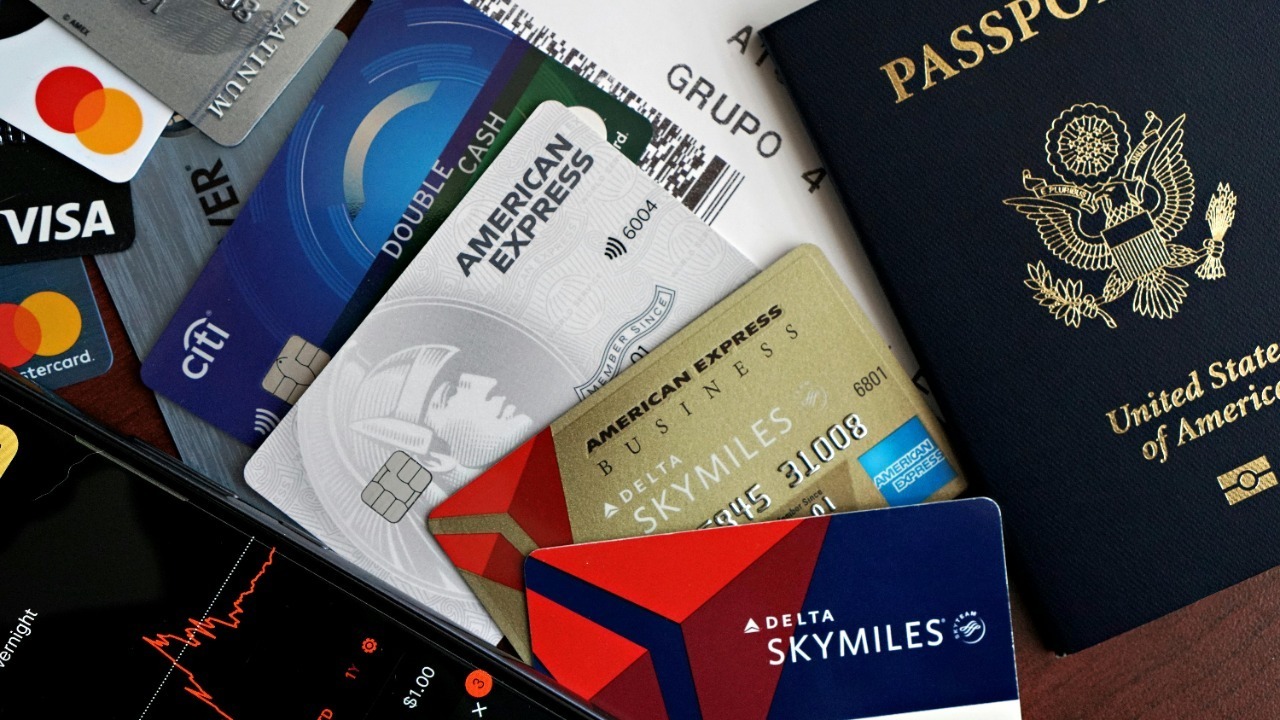
Store credit cards often entice shoppers with immediate discounts and promotional offers, but they come with significant drawbacks that can lead to financial strain. With interest rates averaging 28.8% APR in 2023, compared to 21.5% for general-purpose cards, these cards can quickly accumulate debt. The Consumer Financial Protection Bureau reports over $1 billion in annual interest fees from store cards, highlighting the financial burden they impose. For instance, the Target RedCard offers a 5% discount on purchases but charges a 26.99% APR on unpaid balances, a common scenario among retailers like Kohl’s and Macy’s, where initial perks mask long-term costs.
Reason 1: Sky-High Interest Rates
The allure of store credit cards often fades when faced with their exorbitant interest rates. In 2023, the average APR for store cards was 28.8%, significantly higher than the 21.5% average for general credit cards. This disparity becomes evident once any 0% introductory period ends, leaving consumers with steep interest charges. According to Capital One, store cardholders pay 50% more in interest annually than those with general-purpose cards. For example, a $1,000 balance on a store card could accrue $288 in interest annually, compared to $215 on a general card. Additionally, as the Federal Reserve reported, the prime rate rose to 8.5% in 2023, further increasing store card APRs during economic shifts.
Reason 2: Limited Acceptance and Utility
Store credit cards are often limited in their acceptance, reducing their overall utility. Cards like the Amazon Store Card can only be used at specific retailers, unlike widely accepted Visa or Mastercard options. NerdWallet found that 80% of over 50 store cards analyzed are closed-loop, meaning they are merchant-specific and offer no flexibility for purchases outside the brand. For instance, the Best Buy card provides rewards only for purchases at Best Buy, limiting its value for households that spend across multiple stores.
Reason 3: Deferred Interest Traps
Deferred interest promotions on store cards can lead to unexpected financial burdens. Offers like “no interest if paid in full” on cards such as the Home Depot Consumer Credit Card often defer interest at rates up to 29.99%, charging retroactively if the balance isn’t cleared by the deadline. For example, a $500 purchase could accrue $150 in hidden interest after 12 months. A Consumer Reports survey in 2023 revealed that 40% of store cardholders were surprised by deferred interest fees, totaling $500 million annually. The Lowe’s Advantage Card exemplifies this, where missing a payment on an 84-month financing plan triggers full interest on the original amount, turning a $1,000 purchase into a $1,400 obligation.
Reason 4: Temptation to Overspend on Impulse Buys
Store credit cards often encourage impulse spending through psychological incentives. Instant discounts of 10-20% at signup, as seen with the Nordstrom Card, can lead to increased spending. According to a J.D. Power study, these promotions result in a 25% rise in impulse purchases. TransUnion data shows that store card users spend 15% more in the first three months post-approval, with cards like Sephora’s driving $300 extra in beauty buys through targeted marketing. A Pew Research survey found that 35% of users regret purchases made under promotional pressure, with one respondent noting, “The 20% off felt like a steal, but now I have $800 in debt for clothes I don’t need.”
Reason 5: Poor Perks and Customer Service
Store credit cards often fall short in terms of rewards and customer service. While the Gap Card offers 5 points per dollar, redemption is limited to Gap brands, unlike general cards that provide 2% cash back anywhere. Bankrate reports that store cards yield 30% less value overall. Customer service issues are also prevalent, with over 10,000 complaints in 2023 against issuers like Synchrony Bank, which manages many store cards. Complaints include unauthorized charges on cards like the Victoria’s Secret Card, with average resolution times of 60 days, according to the CFPB. Additionally, fees such as annual charges up to $99 on premium cards like Bloomingdale’s, and late fees averaging $40, erode any loyalty benefits for inconsistent users, as noted by Forbes Advisor.
More From TheDailyOverview
- Dave Ramsey warns to stop 401(k) contributions
- 11 night jobs you can do from home (not exciting but steady)
- Small U.S. cities ready to boom next
- 19 things boomers should never sell no matter what

Cole Whitaker focuses on the fundamentals of money management, helping readers make smarter decisions around income, spending, saving, and long-term financial stability. His writing emphasizes clarity, discipline, and practical systems that work in real life. At The Daily Overview, Cole breaks down personal finance topics into straightforward guidance readers can apply immediately.
