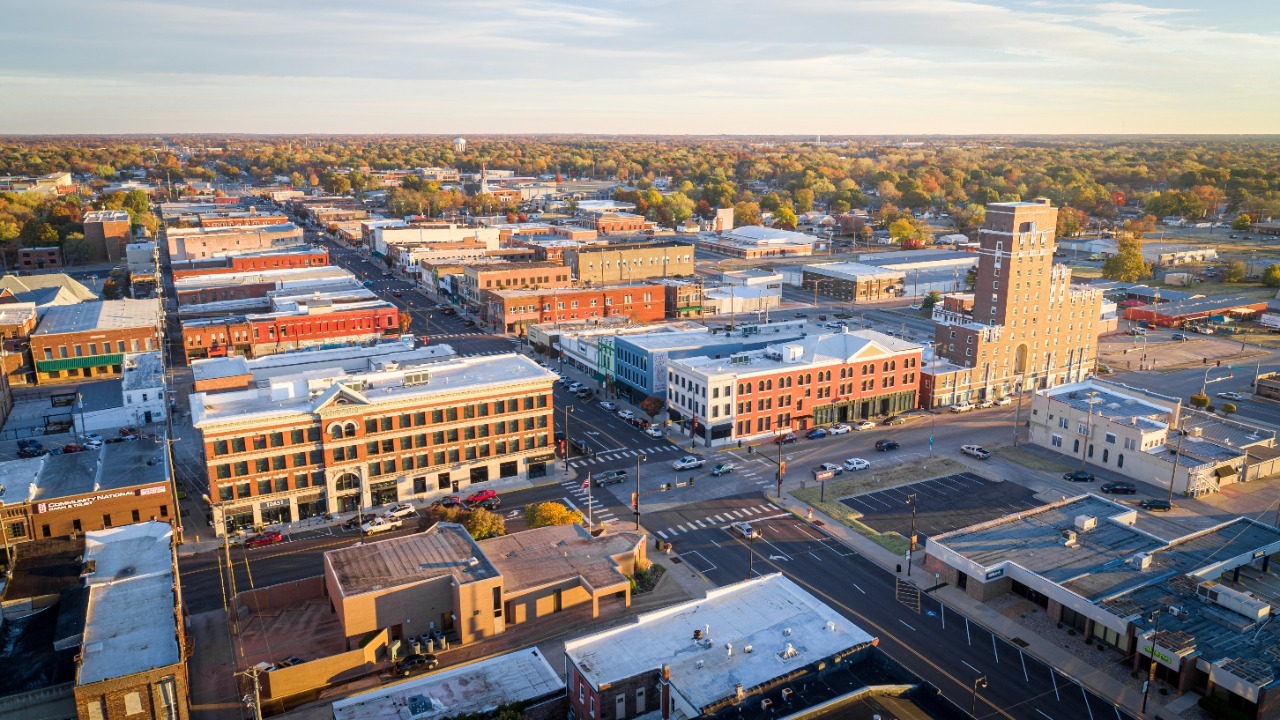
I’m excited to share that several states across the U.S. are offering free land to attract new residents. This concept isn’t entirely new, as land grants have been a part of American history for centuries. However, these modern-day incentives are designed to stimulate economic growth and revitalize communities. Let’s explore which states are currently making these attractive offers.
Kansas
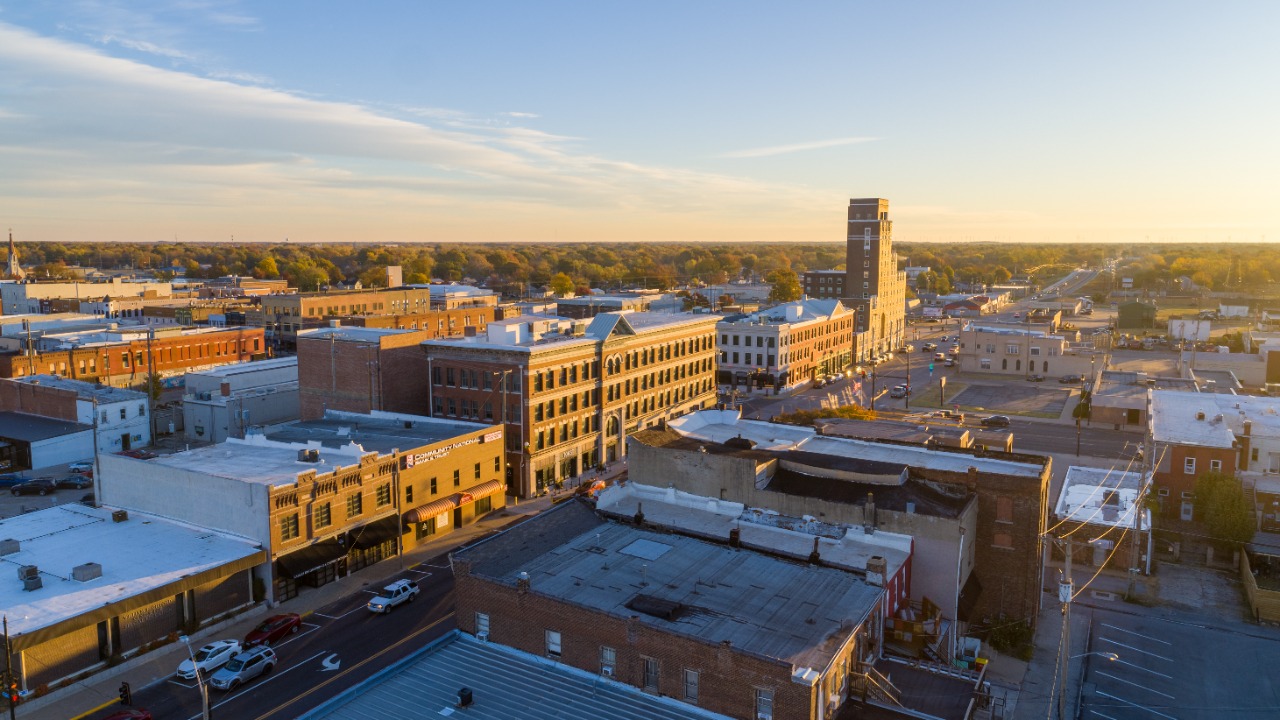
Kansas has been actively working to attract new residents by offering free land in various towns. For instance, the town of Lincoln offers free home sites to individuals who agree to build a house within a year. This initiative is part of Kansas’s broader effort to revive its rural communities and boost the local economy. This approach has been successful in drawing attention and interest from across the nation.
In addition to Lincoln, the city of Marquette also provides free lots to those looking to build a home. The requirements are straightforward, with a focus on bringing in families and individuals who are ready to contribute to the community. The state is banking on these new residents to help revitalize areas that have experienced population decline over the years.
Nebraska
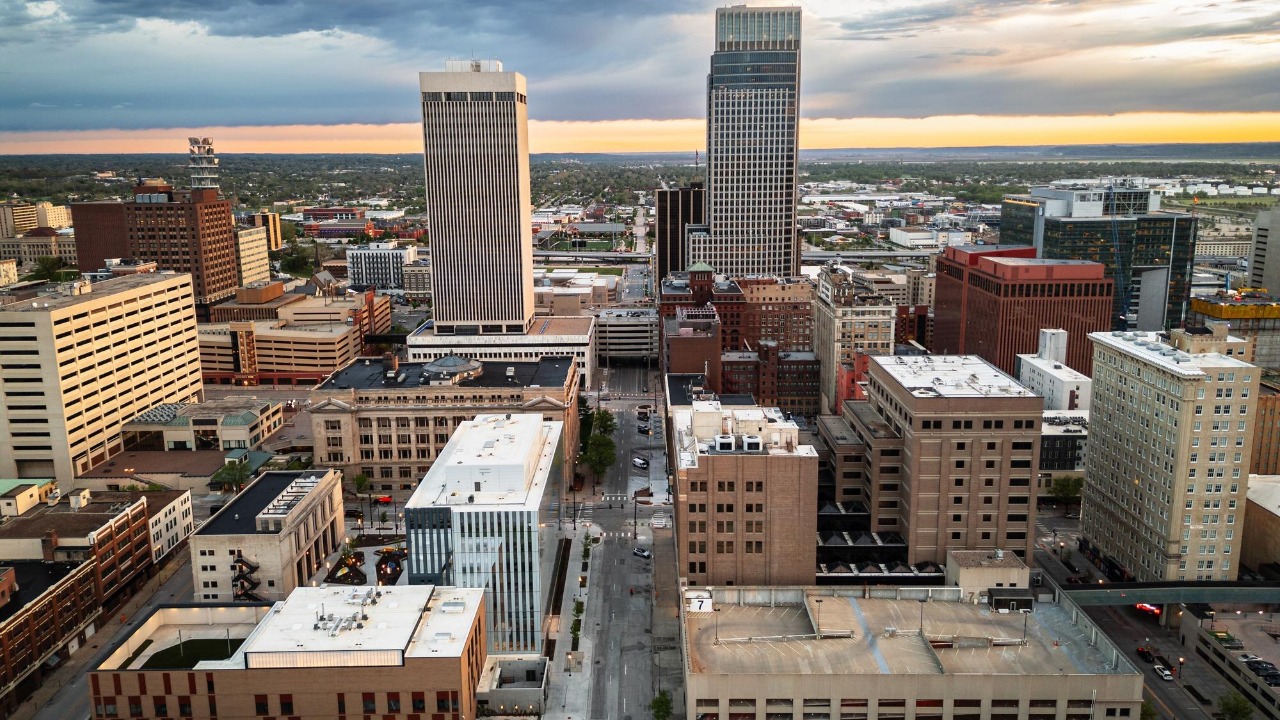
Nebraska offers free land primarily through its rural communities. The town of Beatrice has been a notable example, providing free lots under the condition that the recipient builds a home within a specific timeframe. This program stems from Nebraska’s commitment to revitalizing its smaller towns, which have struggled with population retention.
By offering free land, Nebraska aims to attract new residents who can contribute to the local economy. The state’s strategy aligns with historical patterns of territorial expansion and land policy aimed at strengthening community ties and economic growth.
Minnesota

Minnesota is another state offering free land to entice newcomers, particularly in its smaller towns. The town of New Richland, for example, has been part of this initiative, offering plots of land to those willing to build homes. This move is part of Minnesota’s broader plan to rejuvenate communities that have seen population declines.
The state’s initiative reflects a strategic effort to boost local economies while providing affordable opportunities for homeownership. These programs are designed to attract individuals and families who are eager to establish roots and contribute positively to their new communities.
Michigan
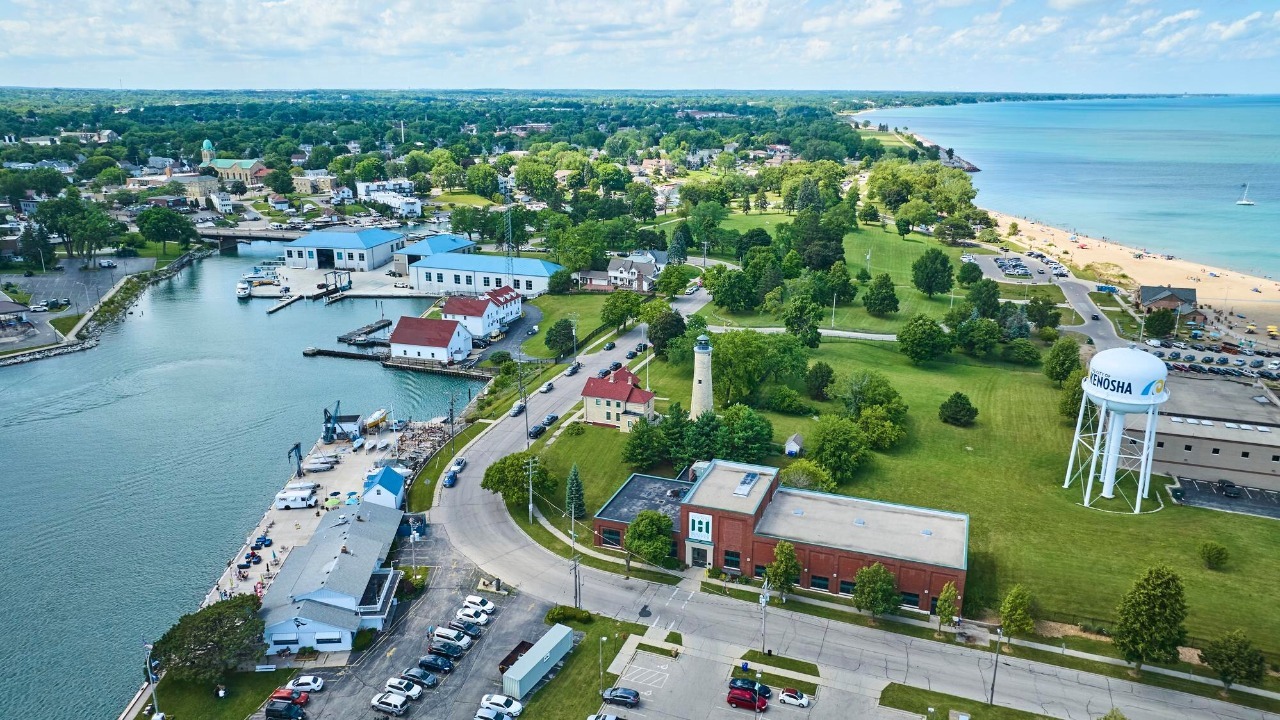
Michigan has adopted unique programs to encourage new residents through free land offers, especially in areas needing economic revitalization. Towns like Muskegon have been at the forefront, offering land to those committed to building homes and becoming active community members.
This initiative is part of Michigan’s broader effort to enhance economic prospects in regions experiencing stagnation. By offering free land, Michigan hopes to attract individuals who are willing to invest their time and resources into the community, thus fostering growth and stability.
Colorado

Colorado’s free land initiatives are primarily focused on its rural areas, aiming to attract new residents to bolster local economies. The city of Flagler, for example, offers free land to businesses willing to establish operations in the area. This model not only aims to increase population but also to encourage economic activity in less populated regions.
These programs are in line with Colorado’s efforts to ensure sustainable economic development across the state. Moreover, it reflects a broader trend of using land incentives as a tool for community development and economic growth, a strategy that has historical precedents in American land policy.

Elias Broderick specializes in residential and commercial real estate, with a focus on market cycles, property fundamentals, and investment strategy. His writing translates complex housing and development trends into clear insights for both new and experienced investors. At The Daily Overview, Elias explores how real estate fits into long-term wealth planning.

