
Investing in land can be a lucrative venture if you know how to navigate the market effectively. Whether you’re a seasoned real estate investor or just starting, finding affordable land and flipping it quickly requires strategy and insight. Below are five methods to help you achieve success in the land-flipping business.
Research Undervalued Markets

The first step to buying land cheaply is to identify undervalued markets with potential for growth. I often start by analyzing areas where property prices are lower than the national average but show signs of economic development. Look for regions with recent infrastructure projects, such as new highways or public transportation systems, as these can drive up land value over time.
Additionally, I recommend subscribing to local real estate reports and following market trends. These resources can provide valuable insights into which areas are experiencing a rise in demand. Remember, the goal is to buy low and sell high, so keep an eye out for markets that are on the verge of growth but haven’t yet been saturated with investors.
Explore Auctions and Tax Sales

Auctions and tax sales can be a goldmine for acquiring land at a fraction of its market value. These events typically occur when property owners fail to pay taxes, leading to government auctions to recover the owed amount. As a result, I can often purchase land significantly below its market price. To participate, I research upcoming auctions in areas of interest and register in advance.
While auctions can be competitive, they offer an opportunity to acquire properties quickly. However, it’s essential to perform due diligence before bidding. I always check for any hidden liabilities, such as liens or zoning restrictions, which could complicate the flipping process. If done correctly, flipping land procured from auctions can be both profitable and swift.
Leverage Off-Market Deals

Off-market deals often present unique opportunities to buy land without the pressure of competition. These transactions occur when properties are not publicly listed, allowing me to negotiate directly with sellers. Networking is crucial here; building relationships with local real estate agents and landowners can lead to lucrative opportunities.
Furthermore, I use online platforms and social media to connect with potential sellers. These avenues can uncover properties before they hit the open market. By leveraging off-market deals, I can often secure better prices and terms, making it easier to flip the land quickly and profitably.
Consider Seller Financing
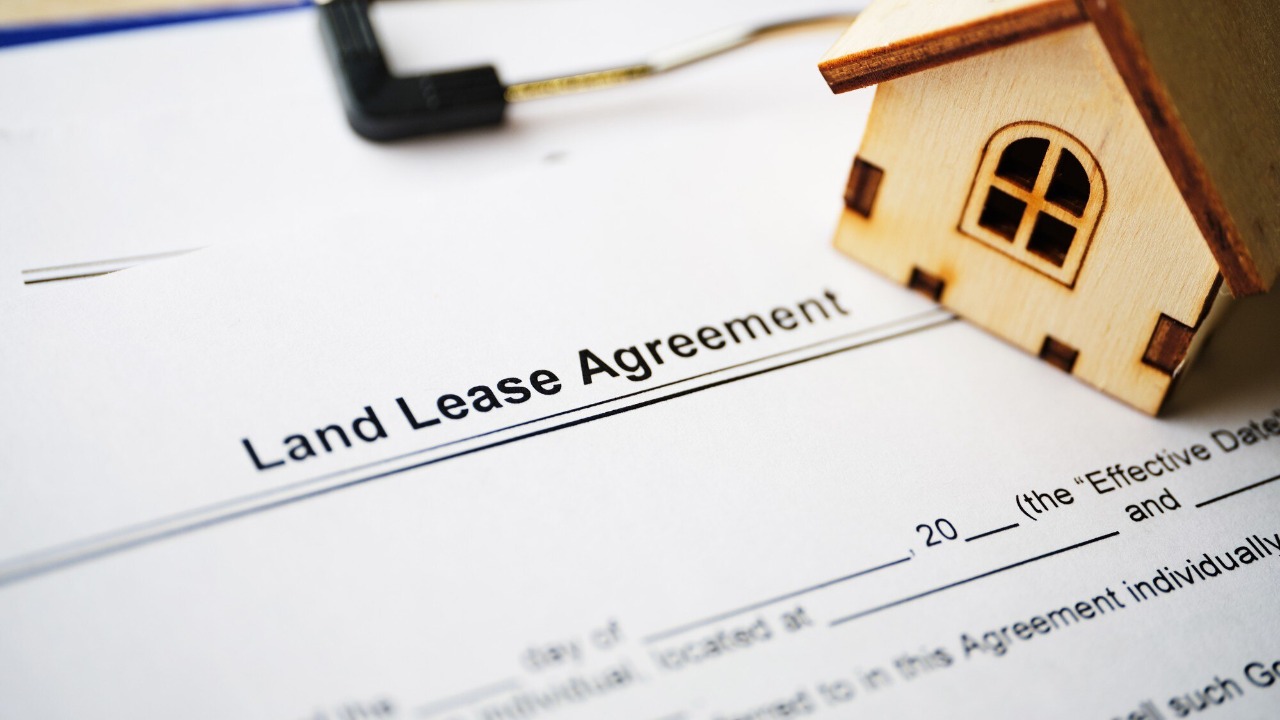
Seller financing can be an excellent way to purchase land without the need for traditional financing methods. In these arrangements, the seller acts as the lender, allowing me to pay for the land over time directly to them. This can be advantageous if I am looking to flip the property quickly, as it often requires less upfront capital.
Not only does seller financing provide flexibility, but it can also increase the pool of potential buyers when it’s time to sell. By offering similar terms to prospective buyers, I can attract those who might not qualify for conventional loans. This approach can expedite the flipping process and potentially increase my return on investment. More insights can be found in real estate investment guides.
Partner with Local Real Estate Experts

Lastly, collaborating with local real estate experts can significantly enhance my success in flipping land. These professionals offer valuable insights into the local market, helping me identify promising opportunities and avoid potential pitfalls. I often partner with experienced realtors, appraisers, and contractors to gain a comprehensive understanding of the land’s true value and potential.
Additionally, local experts can provide guidance on navigating zoning laws and permit requirements, ensuring the flipping process is smooth and compliant. By leveraging their knowledge and connections, I can make informed decisions that maximize my chances of a profitable flip. For further reading, consider exploring books on real estate strategies.

Elias Broderick specializes in residential and commercial real estate, with a focus on market cycles, property fundamentals, and investment strategy. His writing translates complex housing and development trends into clear insights for both new and experienced investors. At The Daily Overview, Elias explores how real estate fits into long-term wealth planning.